
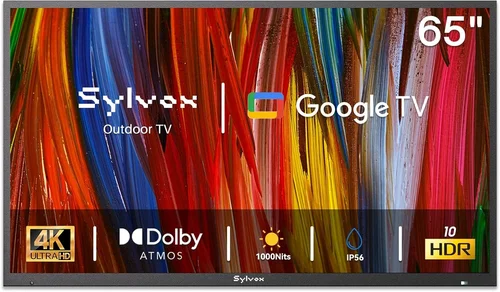
Outdoor entertainment has evolved dramatically over the past decade. What once meant huddling around a small, weather-beaten TV under a covered patio has transformed into a full-scale outdoor living experience—complete with outdoor bars, sound systems, and high-definition televisions built to withstand the elements. Whether you’re hosting game nights, summer barbecues, or intimate cocktail evenings, having a reliable outdoor TV at your bar can elevate the entire atmosphere. But not all TVs are created equal when it comes to outdoor use. Standard indoor TVs simply aren’t designed to handle direct sunlight, rain, humidity, or temperature swings—factors that can quickly degrade performance or cause permanent damage.
That’s where this comprehensive buying guide comes in. We’ve spent months researching, testing, and analyzing the latest outdoor TVs on the market to help you make an informed decision. Our goal is to cut through the marketing noise and deliver practical, expert-level advice tailored specifically to outdoor bar setups. Whether you’re a homeowner building a backyard oasis or a commercial operator outfitting a rooftop bar, this guide will walk you through everything you need to know—from key technical specifications to real-world performance in harsh conditions.
In this guide, you’ll learn how to evaluate outdoor TVs based on critical factors like brightness, weather resistance, build quality, and smart features. We’ll compare different types of outdoor TVs, highlight common pitfalls to avoid, and provide budget-friendly recommendations across multiple price tiers. You’ll also get insider tips on where and when to buy, how to maximize longevity, and what questions to ask before making your purchase. By the end, you’ll have the confidence to choose the best outdoor TV for your outdoor bar—one that delivers stunning picture quality, stands up to the elements, and enhances your entertainment experience for years to come.
The outdoor TV market has grown significantly in recent years, driven by increased demand for outdoor living spaces and advancements in display technology. Major brands like Samsung, LG, Sony, and specialized companies such as SunBriteTV and Seura have entered the space, offering models specifically engineered for outdoor environments. These aren’t just indoor TVs in weatherproof boxes—they’re purpose-built with features like anti-glare screens, enhanced cooling systems, and sealed components to prevent moisture ingress. However, with so many options available, it’s easy to feel overwhelmed. Prices can range from under $1,000 to over $5,000, and not every “outdoor-ready” model is suitable for every climate or installation type. This guide will help you navigate that complexity and find the perfect fit for your needs.

What to Look for When Buying Buying Guide
1. Brightness & Visibility in Sunlight
One of the most critical factors when choosing an outdoor TV for your bar is brightness—specifically, how well the screen performs in direct sunlight. Indoor TVs typically range from 300 to 500 nits (a unit of luminance), which is fine for dimly lit living rooms but completely inadequate outdoors. Even under partial shade, ambient light can wash out the image, making it difficult to see details during daytime viewing.
Outdoor TVs, on the other hand, are engineered with much higher brightness levels. Look for models that deliver at least 700 nits, but ideally 1,000 nits or more. For example, the SunBriteTV Veranda series offers up to 1,000 nits, while premium models like the Samsung The Terrace can reach 2,000 nits. This extra brightness ensures that colors remain vibrant and text remains legible even when the sun is shining directly on the screen.
But brightness isn’t just about raw numbers—it’s also about how the screen handles glare. Many outdoor TVs feature anti-reflective coatings or optically bonded glass that reduces reflections and improves contrast. These technologies help maintain image clarity by minimizing the impact of ambient light. Without them, you might find yourself constantly adjusting the TV’s angle or pulling down shades just to see the score during a daytime game.
Another consideration is the screen’s viewing angle. Outdoor bars often have seating arranged in wide arcs, so you’ll want a TV with wide viewing angles (ideally 178 degrees both horizontally and vertically). IPS (In-Plane Switching) panels generally offer better off-axis performance than VA (Vertical Alignment) panels, though they may sacrifice some contrast. For a social setting like a bar, where guests will be viewing from multiple positions, this can make a big difference in overall experience.
2. Weather Resistance & IP Rating
Outdoor TVs must endure a wide range of environmental challenges—rain, snow, dust, humidity, and extreme temperatures. Unlike indoor models, they need to be fully sealed to prevent moisture and debris from damaging internal components. This is where the Ingress Protection (IP) rating becomes essential.
The IP rating consists of two digits: the first indicates protection against solid particles (like dust), and the second refers to resistance to liquids (like water). For outdoor use, look for a minimum IP55 rating, which means the TV is protected against dust and low-pressure water jets from any direction. However, for areas with heavy rain or snow, an IP65 or IP66 rating is strongly recommended. These ratings ensure the TV can withstand more intense water exposure without compromising functionality.
It’s also important to consider the TV’s operating temperature range. Most outdoor TVs are designed to function between -22°F and 122°F (-30°C to 50°C), which covers most climates. However, if you live in an area with extreme winters or scorching summers, verify that the model you’re considering can handle those conditions. Some manufacturers offer extended warranties or additional cooling/heating systems for harsh environments.
Another often-overlooked aspect is ventilation. While the TV needs to be sealed, it also generates heat during operation. High-quality outdoor TVs include passive cooling systems—such as heat-dissipating aluminum frames or internal airflow channels—that prevent overheating without relying on fans (which can fail or let in moisture). Avoid models that use active cooling with exposed vents, as these can compromise weather resistance.
Finally, consider the mounting hardware. Even the most weather-resistant TV can fail if the mount isn’t properly sealed or secured. Look for mounts specifically designed for outdoor use, with corrosion-resistant materials like powder-coated steel or aluminum. Ensure all cable connections are routed through waterproof grommets or conduits to prevent water ingress.
3. Build Quality & Durability
When you’re investing in an outdoor TV for your bar, you’re not just buying a display—you’re buying a long-term entertainment solution. That means build quality and durability are paramount. Unlike indoor TVs, which are typically housed in lightweight plastic enclosures, outdoor models use robust materials designed to withstand physical stress and environmental wear.
Start with the chassis. High-end outdoor TVs often feature powder-coated aluminum or stainless steel frames that resist rust, corrosion, and UV degradation. These materials not only look sleek but also provide structural integrity, especially in windy or storm-prone areas. Cheaper models may use plastic exteriors that can crack, fade, or become brittle over time when exposed to sunlight and temperature changes.
Next, examine the screen itself. Outdoor TVs should use tempered or laminated glass that’s resistant to scratches, impacts, and thermal stress. Some models include additional layers, such as UV-blocking films, to prevent color fading and screen degradation over time. This is especially important for bars located in sunny climates, where prolonged exposure can otherwise shorten the TV’s lifespan.
Internal components also matter. Look for TVs with conformal-coated circuit boards—a protective layer that shields electronics from moisture, dust, and corrosion. This is a standard feature in military and industrial electronics and is increasingly common in premium outdoor TVs. It significantly reduces the risk of failure due to humidity or condensation, which can build up even in sealed enclosures.
Durability also extends to the remote control and input ports. Outdoor remotes should be weather-resistant or come with protective covers. Input ports (HDMI, USB, etc.) should be sealed with rubber gaskets or located behind a waterproof flap. This prevents water and debris from entering when cables are connected or disconnected.
4. Smart Features & Connectivity
Modern outdoor TVs aren’t just about picture quality—they’re also about convenience and integration with your existing entertainment ecosystem. Smart features allow you to stream content directly from platforms like Netflix, YouTube, and Hulu without needing an external device. This is especially useful in an outdoor bar setting, where guests may want to watch live sports, music videos, or curated playlists without relying on a separate streaming box.
Look for TVs with built-in Wi-Fi and support for popular operating systems like Android TV, webOS (LG), or Tizen (Samsung). These platforms offer access to a wide range of apps and allow for easy software updates. Some models also support voice control via Alexa or Google Assistant, enabling hands-free operation—perfect when you’re busy mixing drinks or entertaining guests.
Connectivity is another key factor. Ensure the TV has multiple HDMI ports (at least 3–4), USB ports for media playback, and audio outputs for external speakers or soundbars. For commercial bars, consider models with RS-232 or IP control capabilities, which allow integration with centralized AV systems or automation platforms like Crestron or Control4.
One often-overlooked feature is screen mirroring or casting. Support for Apple AirPlay 2 or Google Chromecast built-in lets guests stream content directly from their smartphones or tablets. This is ideal for sharing photos, videos, or playlists during social gatherings.
However, be cautious with overly complex smart systems. In outdoor environments, simplicity and reliability are more important than having every possible app. A TV that freezes or lags during a crucial moment can ruin the experience. Stick with well-established platforms and avoid obscure or outdated operating systems that may lack support or security updates.
5. Size & Placement Considerations
Choosing the right screen size for your outdoor bar depends on several factors: viewing distance, seating layout, and available wall or ceiling space. A TV that’s too small will be hard to see from a distance, while one that’s too large can overwhelm the space or create glare issues.
As a general rule, the optimal viewing distance is 1.5 to 2.5 times the diagonal screen size. For example, a 55-inch TV should be viewed from 6.9 to 11.5 feet away. In a typical outdoor bar with seating 8–10 feet from the screen, a 55-inch to 65-inch TV is usually ideal. For larger patios or rooftop bars, consider 75-inch or even 85-inch models.
Placement is equally important. The TV should be mounted at eye level when seated—typically 42 to 48 inches from the floor to the center of the screen. Avoid placing it too high, as this forces guests to look upward, causing neck strain over time. Also, consider the angle of the sun throughout the day. If possible, position the TV so it’s not directly facing east or west, where morning or afternoon sun can cause glare.
For covered patios or pergolas, wall mounting is usually the best option. Use a full-motion or tilt mount to adjust the angle for optimal viewing. In open areas, consider a ceiling mount or a freestanding outdoor TV cabinet with built-in ventilation and cable management. These cabinets also offer protection from rain and dust when the TV is not in use.
Don’t forget about cable management. Outdoor installations require careful routing of power, HDMI, and audio cables to prevent tripping hazards and water damage. Use weatherproof conduit or raceways to protect cables, and ensure all connections are secure and sealed.
6. Audio Quality & External Sound Options
While picture quality often takes center stage, audio is just as important for an immersive outdoor bar experience. Unfortunately, most outdoor TVs have limited built-in speakers due to space and weatherproofing constraints. The sound may be tinny, quiet, or lack bass—especially in open-air environments where sound dissipates quickly.
For this reason, we strongly recommend pairing your outdoor TV with a dedicated sound system. Options include weather-resistant outdoor speakers, soundbars, or wireless Bluetooth speakers designed for outdoor use. Look for speakers with an IPX5 or higher rating and robust mounting hardware.
Many outdoor TVs include optical audio outputs, RCA jacks, or Bluetooth connectivity to support external audio. Some high-end models even feature built-in subwoofers or enhanced audio processing to improve sound quality. However, for the best results, invest in a separate audio solution.
For commercial bars, consider a multi-zone audio system that allows you to control volume levels in different areas—such as the bar, seating zone, and dance floor. This ensures that music and dialogue are balanced and audible without being overly loud.
7. Brand Reputation & Customer Support
Not all outdoor TV brands are created equal. While big names like Samsung and LG offer reliable products, specialized manufacturers like SunBriteTV, Seura, and Peerless-AV have built their reputations specifically around outdoor displays. These companies understand the unique challenges of outdoor environments and design their products accordingly.
When evaluating brands, consider their track record for durability, innovation, and customer service. Read reviews from other outdoor bar owners or installers to see how the TV performs in real-world conditions. Look for brands that offer comprehensive warranties, responsive support teams, and readily available replacement parts.
Also, check whether the brand provides installation guides, mounting templates, or professional installation services. For commercial setups, this can save time and ensure compliance with safety standards.
8. Warranty & Return Policy
Outdoor TVs are a significant investment, so it’s essential to protect that investment with a strong warranty. Most reputable brands offer at least a 2-year warranty, with some extending to 3 or even 5 years. The warranty should cover both parts and labor, including repairs for weather-related damage.
Read the fine print carefully. Some warranties are voided if the TV is installed incorrectly or used in conditions outside the specified range. Others may require professional installation to remain valid.
Return policies are also important, especially if you’re buying online. Look for retailers that offer at least a 30-day return window with free return shipping. This gives you time to test the TV in your actual outdoor environment and ensure it meets your expectations.
Different Types of Buying Guide

Common Buying Mistakes to Avoid
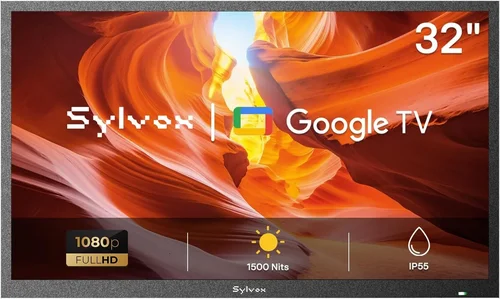
❌ Mistake: Buying an Indoor TV for Outdoor Use
Why it’s bad: Indoor TVs lack the brightness, weather resistance, and durability needed for outdoor environments. They can overheat, suffer moisture damage, or become unviewable in sunlight—leading to premature failure and potential safety hazards.
What to do instead: Always choose a TV specifically designed for outdoor use. If budget is a concern, use an indoor TV in a certified outdoor enclosure, but never expose it directly to the elements.
❌ Mistake: Ignoring the IP Rating
Why it’s bad: Without a proper IP rating, your TV is vulnerable to water and dust ingress, which can cause electrical shorts, corrosion, and permanent damage—especially in rainy or humid climates.
What to do instead: Verify the IP rating before purchasing. For full outdoor exposure, aim for IP65 or higher. For covered areas, IP55 may suffice.
❌ Mistake: Overlooking Brightness Requirements
Why it’s bad: A dim screen will be washed out in sunlight, making it difficult to see content during the day. This defeats the purpose of having an outdoor TV at your bar.
What to do instead: Choose a TV with at least 700 nits for shaded areas and 1,500+ nits for direct sun. Test the screen in similar lighting conditions if possible.
❌ Mistake: Skimping on Mounting Hardware
Why it’s bad: Poor-quality mounts can rust, loosen, or fail under wind load, risking damage to the TV and injury to people below.
What to do instead: Invest in a heavy-duty, weather-resistant mount designed for outdoor use. Ensure it’s properly anchored and sealed.
❌ Mistake: Neglecting Audio Needs
Why it’s bad: Built-in TV speakers are often inadequate for outdoor spaces, resulting in poor sound quality that ruins the entertainment experience.
What to do instead: Pair your TV with weather-resistant outdoor speakers or a soundbar. Consider a multi-zone audio system for larger bars.
❌ Mistake: Not Planning for Cable Management
Why it’s bad: Exposed cables are tripping hazards and can be damaged by weather, pests, or UV exposure.
What to do instead: Use waterproof conduit, raceways, or in-wall wiring. Seal all connections with grommets or silicone.
❌ Mistake: Buying Without a Warranty
Why it’s bad: Outdoor TVs are expensive, and repairs can be costly. Without a warranty, you’re on the hook for any failures.
What to do instead: Choose a model with at least a 2-year warranty. Register your purchase and keep all documentation.
Budget Guidelines: How Much Should You Spend?
– Entry-Level ($800 – $1,500): These are typically indoor TVs used with outdoor enclosures. They offer basic smart features and decent picture quality but may lack brightness and durability. Best for covered patios with minimal sun exposure.
– Mid-Range ($1,500 – $3,000): This is the sweet spot for most buyers. You’ll find fully weatherproof models with 700–1,000 nits brightness, smart platforms, and solid build quality. Ideal for partially shaded outdoor bars.
– Premium ($3,000 – $5,000): These TVs offer 1,500+ nits brightness, advanced anti-glare technology, and robust construction. They’re suitable for direct sun and harsh weather. Brands like SunBriteTV and Samsung dominate this tier.
– Luxury ($5,000+): Top-tier models with 2,000+ nits, commercial-grade durability, and features like 24/7 operation, remote management, and designer aesthetics. Perfect for high-end rooftop bars and luxury resorts.
Expert Tips for Getting the Best Deal
– Buy during off-season: Prices often drop in late fall and winter when outdoor entertainment demand is low. Look for holiday sales or clearance events.
– Compare retailers: Check prices at specialty AV stores, big-box retailers, and online marketplaces. Some offer price matching or bundle deals with mounts and cables.
– Consider refurbished models: Certified refurbished outdoor TVs from reputable sellers can save 20–30% while offering the same warranty as new units.
– Negotiate for commercial buyers: If you’re outfitting a bar or restaurant, ask for bulk discounts or extended warranties.
– Read real user reviews: Look beyond manufacturer specs. Sites like Amazon, Best Buy, and AV forums provide honest feedback from actual users.
– Test before you buy: If possible, visit a showroom or ask for a demo. Check brightness, sound, and ease of use in conditions similar to your bar.
– Check return policies: Ensure you can return the TV if it doesn’t meet expectations. Avoid retailers with restocking fees or short return windows.

Frequently Asked Questions
Q: Can I use a regular TV outside if it’s under a covered patio?
A: Yes, but only if it’s fully protected from rain, snow, and humidity. Even under cover, moisture can accumulate, and standard TVs aren’t designed to handle temperature swings. For best results, use an indoor TV in a certified outdoor enclosure.
Q: How do I clean an outdoor TV screen?
A: Use a microfiber cloth and a mild cleaning solution designed for electronics. Avoid ammonia-based cleaners or abrasive materials. Turn off the TV and let it cool before cleaning.
Q: Do outdoor TVs use more power?
A: Not necessarily. While they may have brighter backlights, many are energy-efficient. Look for ENERGY STAR certification to minimize power consumption.
Q: Can I leave my outdoor TV on all the time?
A: Most consumer outdoor TVs are designed for intermittent use. For 24/7 operation, choose a commercial-grade model with enhanced cooling and durability.
Q: What’s the difference between SunBriteTV and Samsung The Terrace?
A: SunBriteTV specializes in outdoor displays with rugged designs and high brightness. Samsung The Terrace offers similar performance with a more modern smart platform and sleek aesthetics. Both are excellent choices.
Q: Do I need a special remote for outdoor use?
A: Some outdoor TVs come with weather-resistant remotes. If not, consider a universal remote with a protective case or use a smartphone app for control.
Q: How long do outdoor TVs last?
A: With proper care, most outdoor TVs last 5–7 years. Commercial models can last even longer with regular maintenance.
Q: Can I mount an outdoor TV on a brick or concrete wall?
A: Yes, but you’ll need masonry anchors and a mount rated for the weight. Consult a professional installer for safety.
Our Final Recommendations
– Best for Budget-Conscious Buyers: SunBriteTV Veranda Series (55-inch) – Excellent value with 1,000 nits brightness and full weatherproofing under $2,500.
– Best Overall Value: Samsung The Terrace (65-inch) – Combines high brightness (2,000 nits), smart features, and sleek design for around $3,500.
– Best Premium Option: Seura Shade Series (75-inch) – Ultra-bright, anti-glare screen with luxury aesthetics, ideal for high-end bars.
– Best for Beginners: Peerless-AV Outdoor TV Enclosure + LG OLED – Affordable way to get outdoor viewing with top-tier picture quality.
– Best for Advanced Users: SunBriteTV Pro Series – Commercial-grade durability, 2,500 nits brightness, and 24/7 operation for demanding environments.
Conclusion: Making the Right Choice
Choosing the best outdoor TV for your bar is about balancing performance, durability, and budget. It’s not just about having a screen outside—it’s about creating a reliable, enjoyable entertainment experience that enhances your space and impresses your guests. By focusing on key factors like brightness, weather resistance, and build quality, you can avoid common pitfalls and invest in a TV that will last for years.
Remember, the right TV depends on your specific environment and usage. A shaded backyard bar has different needs than a rooftop venue in direct sun. Take the time to assess your space, consider your viewing habits, and prioritize features that matter most to you.
With the insights and recommendations in this guide, you’re now equipped to make a confident, informed decision. Whether you’re hosting casual game nights or upscale cocktail parties, the perfect outdoor TV is out there—ready to bring your vision to life. So go ahead, upgrade your outdoor bar, and enjoy the show—rain or shine.

