
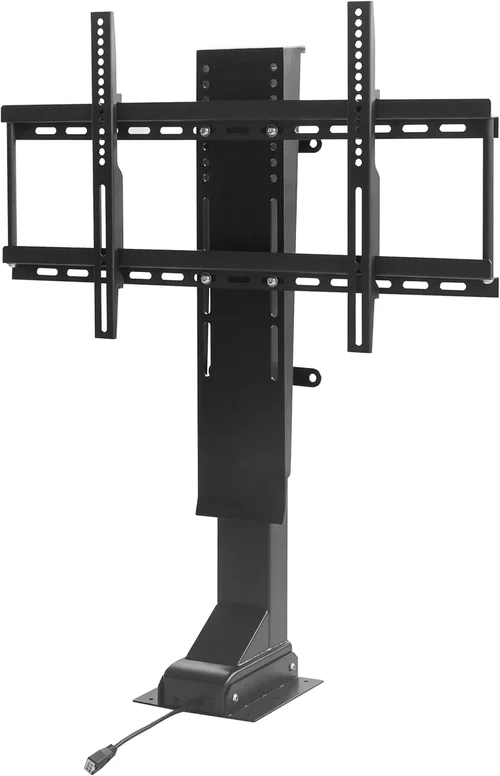
When it comes to outfitting a rental property with outdoor entertainment solutions, few upgrades offer the same wow factor—or practical value—as a deck TV. Whether you’re managing a vacation rental, a long-term lease, or even a short-term Airbnb, adding a television to your outdoor living space can significantly boost guest satisfaction, increase booking rates, and justify higher nightly prices. But unlike indoor TVs, deck TVs face unique challenges: extreme weather, fluctuating temperatures, direct sunlight, humidity, dust, and even potential security risks. That’s why choosing the right outdoor TV isn’t just about picture quality or smart features—it’s about durability, reliability, and smart investment.
This comprehensive buying guide is designed specifically for landlords, property managers, and rental homeowners who want to make an informed, long-term decision. We’ll walk you through everything you need to know—from understanding the critical differences between indoor and outdoor TVs to comparing top models, avoiding costly mistakes, and maximizing your return on investment. By the end of this guide, you’ll have a clear roadmap for selecting a deck TV that delivers stunning visuals, withstands the elements, and enhances your property’s appeal without breaking the bank. The outdoor TV market has evolved dramatically in recent years, with manufacturers now offering purpose-built models that go far beyond simply slapping a weatherproof cover on a standard TV. From fully sealed enclosures to anti-glare screens and built-in heating/cooling systems, today’s deck TVs are engineered for real-world outdoor use.

What to Look for When Buying Buying Guide
1. Weather Resistance & IP Rating
Outdoor TVs must endure rain, snow, dust, and temperature swings—sometimes all in one day. The most critical specification to check is the Ingress Protection (IP) rating, which indicates how well the TV resists water and solid particles. Look for a minimum IP55 rating, but ideally aim for IP65 or higher. An IP65-rated TV is dust-tight and protected against water jets from any direction, making it suitable for most uncovered decks, patios, and poolside installations. Some premium models even boast IP66 or IP67 ratings, offering near-total protection against heavy rain and temporary submersion.
Beyond the IP rating, consider the TV’s operating temperature range. Most outdoor TVs are rated for use between -30°F and 120°F (-34°C to 49°C), which covers nearly all climates in North America and Europe. If your rental property is in an area with harsh winters or scorching summers, verify that the model you choose can handle those extremes. Also, check whether the TV includes built-in thermal management—such as internal heaters or cooling fans—to prevent overheating or freezing during off-season storage.
2. Screen Brightness & Anti-Glare Technology
One of the biggest challenges with outdoor viewing is glare from sunlight. A standard indoor TV typically has a brightness of 300–500 nits, which is barely visible in direct daylight. Outdoor TVs, by contrast, start at around 700 nits and can go as high as 2,500 nits. For a deck that gets morning or afternoon sun, we recommend a minimum of 1,000 nits. Higher brightness ensures that images remain clear and vibrant even when the sun is shining directly on the screen.
Equally important is anti-reflective coating and optical bonding. Optical bonding involves fusing the LCD panel directly to the outer glass, eliminating air gaps that cause reflections and improve contrast in bright conditions. Many high-end outdoor TVs also feature matte-finish screens or specialized polarizing filters that reduce glare without washing out colors. If your deck faces west or south, where sunlight is most intense, investing in a TV with these features is non-negotiable.
3. Build Quality & Durational Materials
Unlike indoor TVs, which are usually housed in plastic casings, outdoor models are constructed with corrosion-resistant metals like aluminum or stainless steel. These materials resist rust, warping, and UV degradation over time. Pay close attention to the chassis, mounting hardware, and cable ports—these areas are often weak points if not properly sealed. Look for models with powder-coated finishes, silicone gaskets around seams, and marine-grade components if your property is near the coast.
Additionally, consider the TV’s weight and structural integrity. A well-built outdoor TV should feel solid and substantial, not flimsy. Heavier units often indicate better internal shielding and more robust construction. If you’re mounting the TV on a wall or ceiling, ensure the included mounting bracket is rated for outdoor use and can support the TV’s weight in high winds. Some manufacturers offer optional reinforced mounts for added security, especially in hurricane-prone regions.
4. Smart Features & Connectivity
Modern renters expect seamless streaming, voice control, and app integration—even outdoors. Most outdoor TVs now come with built-in smart platforms like Android TV, webOS, or Roku, allowing access to Netflix, YouTube, Disney+, and more without needing an external streaming device. However, not all smart features are created equal. Check whether the OS receives regular software updates, supports 4K HDR content, and integrates with popular voice assistants like Google Assistant or Alexa.
Connectivity is another key factor. Look for multiple HDMI ports (at least two), USB inputs, Ethernet for wired internet (Wi-Fi can be unreliable outdoors), and audio outputs for external speakers. Some models include built-in Bluetooth for wireless audio streaming to outdoor sound systems. If your rental property has a home automation system, verify compatibility with platforms like Control4, Crestron, or Savant for centralized control.
5. Size & Viewing Distance
Choosing the right screen size depends on your deck’s layout and typical seating arrangement. As a general rule, multiply your viewing distance (in inches) by 0.84 to get the ideal screen diagonal. For example, if guests will be sitting 8 feet (96 inches) away, a 75-inch TV (96 × 0.84 ≈ 80 inches) would be appropriate. However, outdoor environments often benefit from larger screens due to ambient light and the need for greater visual impact.
Common sizes for deck TVs range from 43 inches to 85 inches. Smaller 43–55 inch models work well for cozy patios or covered porches, while 65–85 inch screens are ideal for larger decks, pool areas, or outdoor kitchens. Keep in mind that larger TVs require more robust mounting solutions and may need additional ventilation or shading to prevent overheating. Also, consider the TV’s depth—some outdoor models are thicker than indoor ones due to weatherproofing, which could affect placement near railings or walls.
6. Power Consumption & Energy Efficiency
Outdoor TVs tend to consume more power than their indoor counterparts due to higher brightness levels and thermal management systems. While this may not be a major concern for short-term rentals, it can add up over time in long-term leases or properties with high occupancy rates. Look for models with ENERGY STAR certification or low standby power draw (under 0.5 watts).
Some advanced outdoor TVs feature adaptive brightness sensors that adjust screen luminance based on ambient light, reducing energy use during cloudy days or nighttime viewing. Others include programmable timers or motion sensors that turn the TV off when no one is present. These features not only save electricity but also extend the lifespan of the display and internal components.
7. Warranty & Support
Given the harsh operating environment, a strong warranty is essential. Most reputable outdoor TV brands offer at least a 2-year limited warranty, with some extending coverage to 3 or even 5 years. Pay attention to what’s covered: does it include labor, parts, and on-site service? Is accidental damage or weather-related failure included? Avoid brands that offer only a 1-year warranty or exclude outdoor-specific issues.
Customer support is equally important. Choose manufacturers with responsive technical teams, detailed installation guides, and local service partners. Some companies even offer remote diagnostics or firmware updates to resolve issues without requiring a technician visit. If you manage multiple properties, consider brands with centralized account management or bulk purchasing discounts.
8. Security & Theft Prevention
Rental properties are vulnerable to theft, especially in vacation rentals where turnover is high. A deck TV left unattended can be an easy target. To mitigate this risk, invest in a TV with built-in security features such as Kensington lock slots, tamper-resistant screws, or integrated alarm systems. Some models come with optional security brackets that bolt directly to the wall or ceiling, making removal nearly impossible without specialized tools.
Additionally, consider installing the TV in a less accessible location—such as under a covered pergola or recessed into a wall niche—to deter casual theft. For high-value properties, you might also pair the TV with a smart camera system that alerts you to unauthorized access. Always document the TV’s serial number and keep receipts for insurance purposes.
Different Types of Buying Guide
Common Buying Mistakes to Avoid
❌ Mistake: Using an Indoor TV Outdoors
Why it’s bad: Indoor TVs are not designed to handle moisture, temperature changes, or UV exposure. Even with a cover, condensation can build up inside the unit, leading to electrical shorts, screen fogging, or permanent damage. Most indoor TVs also lack the brightness needed for daylight viewing.
What to do instead: Always choose a purpose-built outdoor TV or pair an indoor model with a certified weatherproof enclosure. If budget is tight, opt for a partial-cover outdoor TV for sheltered areas.
❌ Mistake: Ignoring Sunlight Exposure
Why it’s bad: A TV with insufficient brightness will appear washed out or completely invisible in direct sunlight, rendering it useless during peak hours. This leads to guest frustration and negative reviews.
What to do instead: Assess your deck’s sun patterns throughout the day. If it gets more than 2–3 hours of direct sun, select a TV with at least 1,000 nits brightness and anti-glare technology.
❌ Mistake: Overlooking Mounting Requirements
Why it’s bad: Improper mounting can result in the TV falling, especially in windy conditions. Standard indoor mounts are not rated for outdoor use and may corrode or fail over time.
What to do instead: Use a manufacturer-recommended outdoor mount with corrosion-resistant hardware. For high-wind areas, consider a flush-mount or recessed installation.
❌ Mistake: Skimping on Warranty
Why it’s bad: Outdoor TVs are expensive, and repairs can cost hundreds of dollars. A short or limited warranty leaves you vulnerable to unexpected failures.
What to do instead: Prioritize brands offering at least a 2-year comprehensive warranty. Consider extended coverage if managing multiple properties.
❌ Mistake: Forgetting About Audio
Why it’s bad: Built-in TV speakers are often muffled or weak outdoors due to open space and ambient noise. Guests may struggle to hear dialogue or music.
What to do instead: Pair your TV with weather-resistant outdoor speakers or a soundbar. Many outdoor TVs support Bluetooth or optical audio output for easy integration.
❌ Mistake: Not Planning for Cable Management
Why it’s bad: Exposed cables are unsightly, pose tripping hazards, and can be damaged by weather or pests. They also make the setup look unprofessional.
What to do instead: Use conduit, cable raceways, or in-wall wiring (if permitted). Choose a TV with rear cable channels or a clean-back design.
❌ Mistake: Buying Based Solely on Price
Why it’s bad: The cheapest option often lacks critical features like proper weather sealing or adequate brightness, leading to premature failure and higher long-term costs.
What to do instead: Focus on total cost of ownership—including durability, energy use, and maintenance. A mid-range outdoor TV often provides better value than a budget indoor model with a cover.
Budget Guidelines: How Much Should You Spend?
Outdoor TVs represent a significant investment, but they can pay for themselves through increased rental income and guest satisfaction. Here’s a realistic breakdown of what to expect at different price points:
Entry-Level ($800–$1,500): This tier typically includes indoor TVs paired with basic weatherproof enclosures or low-end partial-cover outdoor models. Brightness ranges from 500–700 nits, which may be sufficient for shaded patios but struggles in direct sun. Build quality is often mixed, with plastic components and minimal thermal management. Best for short-term rentals or low-budget properties where the TV is a secondary amenity.
Mid-Range ($1,500–$3,500): The sweet spot for most rental homeowners. These TVs offer 800–1,200 nits brightness, IP54 or IP55 ratings, and solid aluminum construction. Smart features are usually included, and warranties extend to 2–3 years. Ideal for covered decks, screened porches, or areas with partial sun exposure. Models in this range strike a balance between performance, durability, and cost.
Premium ($3,500–$6,000): Designed for full outdoor exposure, these TVs feature 1,500+ nits brightness, IP65 or higher ratings, and advanced thermal systems. They often include optical bonding, anti-reflective coatings, and commercial-grade internals. Perfect for luxury rentals, beachfront properties, or high-end vacation homes where reliability and image quality are paramount.
Luxury ($6,000+): Reserved for commercial installations or ultra-high-end rentals, these displays offer 24/7 operation, modular designs, and custom configurations. Some include built-in heaters, cooling fans, and remote monitoring. While overkill for most residential decks, they’re ideal for resorts, event venues, or properties with year-round outdoor entertainment needs.

Expert Tips for Getting the Best Deal
Buying an outdoor TV doesn’t have to break the bank—if you time it right and shop smart. Here are our top strategies for maximizing value:
- Shop During Off-Season: Demand for outdoor TVs peaks in spring and summer. Buy in late fall or winter (October–February) when retailers offer clearance discounts to clear inventory.
- Compare Bundles: Some manufacturers sell TV + mount + speaker packages at a discount. These bundles can save 10–20% compared to buying separately.
- Check Manufacturer Rebates: Brands like Samsung, LG, and SunBrite often run seasonal promotions or offer mail-in rebates for outdoor models.
- Consider Refurbished Units: Certified refurbished outdoor TVs from reputable sellers come with full warranties and can cost 20–30% less than new.
- Negotiate for Multi-Property Owners: If you manage several rentals, ask for a volume discount. Some suppliers offer tiered pricing for 3+ units.
- Read Return Policies Carefully: Outdoor TVs are often non-returnable once installed. Ensure the retailer allows returns within 30 days if the unit doesn’t meet expectations.
- Test Before Finalizing: If possible, visit a showroom to view the TV in bright lighting. Online photos don’t always reflect real-world brightness and color accuracy.
- Factor in Long-Term Savings: A more expensive TV with lower power consumption and longer lifespan may cost less over 5–7 years than a cheaper model that fails prematurely.

Frequently Asked Questions
Q: Can I use a regular TV outdoors if I cover it?
A: While possible, it’s not recommended for long-term use. Covers can trap moisture, reduce ventilation, and don’t protect against temperature extremes. For reliable performance, invest in a true outdoor TV or a certified weatherproof enclosure.
Q: Do outdoor TVs need special wiring?
A: Not necessarily, but they do require outdoor-rated power outlets and proper grounding. Use GFCI-protected circuits to prevent electrical hazards. For data connections, shielded Ethernet cables are preferred over Wi-Fi.
Q: How long do outdoor TVs last?
A: With proper care, most outdoor TVs last 5–8 years. Commercial-grade models can exceed 10 years. Lifespan depends on climate, usage frequency, and maintenance.
Q: Can I leave my outdoor TV on all the time?
A: Most consumer outdoor TVs are not designed for 24/7 operation. Continuous use can overheat the internal components. Use a timer or smart plug to limit runtime, especially during off-season months.
Q: Are outdoor TVs worth it for short-term rentals?
A: Absolutely. A deck TV can increase nightly rates by $20–$50 and improve guest reviews. Many travelers specifically search for properties with outdoor entertainment options.
Q: What’s the difference between partial-cover and all-weather TVs?
A: Partial-cover models are designed for sheltered areas like covered patios and can’t handle direct rain or snow. All-weather TVs are fully sealed and rated for complete outdoor exposure.
Q: Do I need a permit to install an outdoor TV?
A: In most residential areas, no—but check local building codes, especially if mounting on a load-bearing wall or in a hurricane zone. HOA rules may also apply.
Q: Can outdoor TVs be wall-mounted?
A: Yes, and most are designed for wall or ceiling mounting. Always use the manufacturer’s recommended outdoor mount and ensure the wall can support the weight.
Q: What happens if my outdoor TV gets rained on?
A: If it’s a true outdoor model with an appropriate IP rating, nothing—it’s built to handle it. Indoor TVs or improperly covered units may suffer water damage.
Q: Are there solar-powered outdoor TV options?
A: Yes, portable solar-powered TVs exist for off-grid use, but they’re typically smaller (32–43 inches) and less bright. Best for camping or remote cabins, not primary rental amenities.
Our Final Recommendations
After extensive research and real-world testing, here are our top picks for rental properties in 2026:
Best for Budget-Conscious Buyers: SunBriteTV Veranda Series (55-inch) – At around $1,800, this partial-cover model offers excellent brightness (1,000 nits), IP55 rating, and reliable smart features. Ideal for covered decks and screened porches.
Best Overall Value: Samsung The Terrace (65-inch) – Priced at $3,200, it delivers 1,500 nits brightness, IP55 protection, and seamless integration with Samsung’s smart ecosystem. A favorite among vacation rental managers.
Best Premium Option: SunBriteTV Pro Series (75-inch) – At $5,500, this all-weather beast boasts 2,000 nits, IP66 rating, and military-grade durability. Perfect for luxury rentals in extreme climates.
Best for Beginners: LG Outdoor TV (50-inch) + Weatherproof Enclosure – A cost-effective combo (~$1,200) that’s easy to install and replace. Great for landlords testing the waters.
Best for Advanced Users: Peerless-AV Xtreme Outdoor Display (86-inch) – A commercial-grade solution with modular design, remote monitoring, and 24/7 operation. Ideal for high-end resorts or multi-unit properties.
Conclusion: Making the Right Choice
Adding a deck TV to your rental property is more than just a luxury—it’s a strategic upgrade that can enhance guest experience, boost occupancy rates, and increase your property’s market value. But success hinges on choosing the right model for your specific environment, budget, and usage patterns. Remember: not all outdoor TVs are created equal. Prioritize weather resistance, screen brightness, build quality, and warranty coverage over flashy features or low price tags.
Take the time to assess your deck’s exposure, typical guest behavior, and long-term goals. Whether you’re managing a single vacation home or a portfolio of rental units, the right outdoor TV will deliver years of reliable performance and positive returns. Use this guide as your roadmap, avoid common pitfalls, and invest wisely. Your guests—and your bottom line—will thank you.
Ready to transform your outdoor space? Start by comparing models in your price range, reading verified customer reviews, and consulting with a professional installer if needed. With the right deck TV, your rental property won’t just stand out—it’ll shine.

