
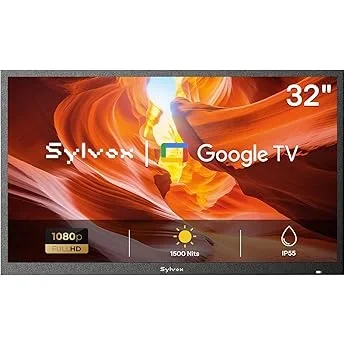
Outdoor sports viewing has evolved dramatically over the past decade. What once meant huddling around a small, weather-beaten TV under a tarp or squinting at a smartphone in direct sunlight has transformed into a full-fledged entertainment experience. Whether you’re hosting a game-day party on your patio, cheering on your favorite team from a tailgate, or simply enjoying a crisp autumn evening with the big match on display, having the right outdoor TV makes all the difference. The market for outdoor televisions has expanded rapidly, driven by advancements in display technology, weatherproofing, and consumer demand for year-round outdoor living spaces.
This comprehensive buying guide is designed to help you navigate the often-confusing landscape of outdoor sports TVs in 2026. We’ll cut through the marketing noise and deliver expert-level insights based on real-world performance, durability testing, and user feedback. You’ll learn how to evaluate critical factors like brightness, weather resistance, audio quality, and smart features—all tailored specifically for outdoor use. Whether you’re a casual viewer or a die-hard sports fan who refuses to miss a single play, this guide will equip you with the knowledge to make a confident, informed purchase.
The outdoor TV market today offers a wide range of options, from budget-friendly models designed for covered patios to premium, all-weather displays built to withstand extreme temperatures, rain, snow, and even salt air near coastal areas. Brands like Samsung, LG, Sony, and specialized outdoor manufacturers such as SunBriteTV and Seura have stepped up their game, offering models that balance performance, durability, and smart functionality. With prices ranging from under $500 to well over $5,000, understanding what you’re paying for—and what you actually need—is essential. This guide will walk you through every step of the decision-making process, ensuring you get the best value for your investment.
What to Look for When Buying Buying Guide
1. Brightness & Display Performance
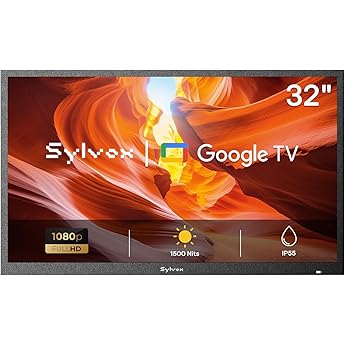
One of the most critical factors for any outdoor TV is brightness—measured in nits. Indoor TVs typically range from 300 to 600 nits, which is sufficient for controlled lighting environments. However, outdoor viewing demands significantly higher brightness to combat glare from sunlight, reflections, and ambient light. For optimal visibility, especially during daytime games, look for a TV with at least 700 nits, but ideally 1,000 nits or more. High-brightness displays use advanced backlighting and anti-reflective coatings to maintain image clarity even in direct sunlight.
In addition to brightness, consider the panel type. OLEDs offer superior contrast and deep blacks but can struggle with brightness in outdoor settings. QLED and mini-LED technologies, on the other hand, deliver higher peak brightness and better performance in bright environments. For sports viewing, motion handling is also crucial. Look for a TV with a high refresh rate (120Hz or higher) and support for variable refresh rate (VRR) to ensure smooth playback of fast-paced action, such as football sprints or hockey slap shots.
Another key aspect is color accuracy and HDR support. High Dynamic Range (HDR10, Dolby Vision, or HLG) enhances contrast and color depth, making the field, jerseys, and stadium lighting appear more vibrant and realistic. While not all outdoor TVs support the latest HDR formats, those that do provide a noticeably richer viewing experience. Always check the TV’s peak HDR brightness, as this directly impacts how well HDR content appears in daylight.
2. Weather Resistance & Durability
Outdoor TVs must endure a wide range of environmental conditions, from scorching summer heat to freezing winter temperatures, rain, snow, humidity, and even dust or salt spray in coastal areas. The most reliable outdoor TVs are built with IP (Ingress Protection) ratings, which indicate resistance to solids and liquids. For outdoor use, an IP55 or higher rating is recommended—this means the TV is protected against dust and water jets from any direction.
Beyond the IP rating, consider the materials used in construction. Look for powder-coated aluminum or stainless-steel chassis, which resist rust and corrosion. Internal components should be sealed to prevent moisture ingress, and the screen should be protected by tempered glass or a durable anti-glare coating. Some premium models feature heated or cooled internal systems to maintain optimal operating temperatures in extreme climates. For example, SunBriteTV’s Veranda series includes a built-in thermal management system that prevents overheating in direct sun.
It’s also important to consider where the TV will be installed. A fully weatherproof TV (rated for direct exposure) is necessary for open decks or patios without overhead cover. If your TV will be under a covered pergola or awning, a semi-outdoor model may suffice, offering protection from rain but not full sun exposure. Always verify the manufacturer’s installation guidelines to ensure long-term reliability.
3. Audio Quality & Built-in Speakers
While many outdoor TVs come with built-in speakers, their audio performance is often underwhelming—especially in open spaces where sound dissipates quickly. For immersive sports viewing, clear dialogue, dynamic crowd noise, and impactful sound effects are essential. Look for TVs with at least 20W of total audio output, and preferably those with dedicated woofers or bass enhancement technology.
Some outdoor TVs feature weather-resistant speaker grilles and enhanced audio processing to improve clarity in noisy environments. However, for the best experience, most experts recommend pairing your outdoor TV with external weatherproof speakers or a soundbar. Bluetooth connectivity or optical audio outputs allow you to connect wireless speakers or a dedicated outdoor audio system. This setup not only improves sound quality but also reduces strain on the TV’s internal components.
Another consideration is audio delay or lip-sync issues, which can occur when using external audio systems. Ensure the TV supports audio delay adjustment or has low-latency audio processing. For large gatherings, consider a multi-zone audio system that allows you to control volume levels in different areas of your outdoor space.
4. Smart Features & Connectivity
Modern outdoor TVs are increasingly equipped with smart platforms, allowing you to stream content directly without additional devices. Look for models with built-in Wi-Fi, Ethernet ports, and support for popular streaming services like Netflix, YouTube, Hulu, and ESPN+. Platforms like Google TV, webOS (LG), or Tizen (Samsung) offer intuitive interfaces and voice control via Google Assistant or Alexa.
For sports fans, access to live TV apps and sports-specific platforms is crucial. Ensure the TV supports apps like YouTube TV, Sling TV, FuboTV, or DirecTV Stream, which offer live broadcasts of major leagues. Some models also include built-in tuners for over-the-air (OTA) broadcasts, allowing you to watch local games in high definition without a cable subscription.
Connectivity options are equally important. Multiple HDMI ports (preferably HDMI 2.1 for 4K/120Hz content), USB ports, and audio outputs ensure compatibility with gaming consoles, streaming sticks, soundbars, and other devices. If you plan to use the TV for gaming, look for low input lag and support for features like Auto Low Latency Mode (ALLM) and eARC for high-quality audio passthrough.
5. Size & Viewing Distance
Choosing the right screen size depends on your viewing distance and the layout of your outdoor space. A general rule of thumb is that the optimal viewing distance is 1.5 to 2.5 times the diagonal screen size. For example, a 55-inch TV is best viewed from 6.5 to 11 feet away. On a large deck or backyard, a 65-inch or 75-inch model may be more appropriate to ensure everyone has a clear view.
Larger screens enhance the immersive experience, especially for fast-paced sports like soccer, basketball, or motorsports. However, larger TVs also require more robust mounting solutions and may be more susceptible to wind damage if not properly secured. Consider the weight and dimensions of the TV, as well as the strength of your mounting structure.
For smaller spaces or covered patios, a 43-inch to 50-inch TV may be sufficient. These sizes are also more budget-friendly and easier to install. Some manufacturers offer modular or portable outdoor TVs with built-in stands or wheels, ideal for tailgating or temporary setups.
6. Mounting & Installation Flexibility
Proper mounting is essential for both safety and performance. Outdoor TVs should be mounted on sturdy, weather-resistant brackets that can withstand wind, vibration, and temperature fluctuations. Full-motion mounts allow you to adjust the angle and direction of the screen, which is helpful for minimizing glare from the sun or optimizing viewing from different seating areas.
Consider the TV’s VESA pattern (the spacing of mounting holes) to ensure compatibility with your chosen mount. Most outdoor TVs support standard VESA sizes, but always double-check the specifications. Some models come with pre-installed mounting hardware, while others require separate purchase.
Installation location also affects performance. Avoid placing the TV directly under bright lights or in areas with heavy tree cover that could cause shadows or debris buildup. If mounting on a wall, ensure the structure can support the TV’s weight—especially for larger models. For freestanding setups, consider anti-tip features or anchoring systems to prevent accidents during windy conditions.
7. Brand Reputation & Reliability
Not all TV manufacturers are created equal when it comes to outdoor performance. While mainstream brands like Samsung and LG offer some outdoor-capable models, specialized companies like SunBriteTV, Seura, and Aviditi have built their reputations specifically on weather-resistant displays. These brands often undergo rigorous testing for temperature extremes, humidity, and UV exposure.
Research customer reviews and professional evaluations to gauge long-term reliability. Look for brands with a history of responsive customer service and readily available replacement parts. Some manufacturers offer extended warranties or service plans specifically for outdoor use, which can provide peace of mind.
Be cautious of generic or off-brand outdoor TVs sold at unusually low prices. These may use indoor panels with minimal weatherproofing, leading to premature failure. Stick to reputable brands with proven track records in outdoor display technology.
8. Warranty & Support
A strong warranty is a sign of a manufacturer’s confidence in their product. For outdoor TVs, look for at least a 2-year warranty, with some premium models offering 3 to 5 years. Coverage should include both parts and labor, and ideally extend to damage caused by environmental factors like moisture or temperature swings.
Check the warranty terms carefully—some exclude damage from improper installation or use in uncovered areas. Also, verify whether the warranty is honored internationally if you live outside the manufacturer’s primary market. Customer support responsiveness is equally important; look for brands with dedicated outdoor product support teams.
Extended service plans or protection packages can be worth considering, especially for high-end models. These often cover accidental damage, power surges, and expedited repairs. Some retailers also offer in-home service, which can be invaluable for large or hard-to-reach installations.
Different Types of Buying Guide

Common Buying Mistakes to Avoid
❌ Mistake: Buying an Indoor TV for Outdoor Use
Why it’s bad: Indoor TVs are not designed to handle moisture, temperature extremes, or UV exposure. Using one outdoors can lead to screen damage, electrical failure, or even safety hazards like overheating or short circuits. Even under cover, humidity and temperature swings can degrade performance over time.
What to do instead: Invest in a TV specifically rated for outdoor use. Look for models with IP ratings, weatherproof enclosures, and thermal management systems. If budget is a concern, consider a semi-outdoor model for covered areas.
❌ Mistake: Ignoring Brightness Requirements
Why it’s bad: A dim screen will appear washed out in daylight, making it difficult to see players, scores, or game details. This is especially frustrating during afternoon or early evening games when the sun is still bright.
What to do instead: Prioritize TVs with at least 700 nits, and aim for 1,000+ nits for direct sun exposure. Check reviews for real-world brightness performance, as manufacturer claims can be misleading.
❌ Mistake: Overlooking Audio Needs
Why it’s bad: Built-in speakers on outdoor TVs are often weak and lack bass, resulting in muffled commentary and weak crowd noise. In open spaces, sound dissipates quickly, making it hard to hear crucial game moments.
What to do instead: Plan for external audio from the start. Invest in weatherproof speakers or a soundbar with Bluetooth or wired connectivity. Consider a multi-zone system for larger gatherings.
❌ Mistake: Choosing the Wrong Size
Why it’s bad: A TV that’s too small forces viewers to squint, while one that’s too large can be overwhelming and difficult to mount securely. Both scenarios detract from the viewing experience.
What to do instead: Measure your viewing distance and use the 1.5x to 2.5x rule to determine optimal screen size. Consider seating layout and potential glare sources when finalizing your choice.
❌ Mistake: Skimping on Mounting Hardware
Why it’s bad: Weak or incompatible mounts can lead to TV instability, especially in windy conditions. A falling TV poses serious safety risks and can cause costly damage.
What to do instead: Use heavy-duty, weather-resistant mounts rated for your TV’s weight and size. Full-motion mounts offer flexibility, but fixed mounts are often more secure. Have installations done by professionals if needed.
❌ Mistake: Not Checking Warranty Coverage
Why it’s bad: Outdoor TVs are exposed to harsh conditions that can lead to premature failure. A limited or voided warranty leaves you with expensive repair or replacement costs.
What to do instead: Read warranty terms carefully. Ensure coverage includes environmental damage and verify service availability in your area. Consider extended protection plans for high-end models.
❌ Mistake: Buying Based on Price Alone
Why it’s bad: The cheapest option often sacrifices durability, brightness, and features. You may end up replacing the TV sooner than expected, costing more in the long run.
What to do instead: Balance budget with long-term value. Focus on key factors like brightness, weather resistance, and brand reliability. Mid-range models often offer the best combination of performance and affordability.
Budget Guidelines: How Much Should You Spend?
Entry-Level ($400 – $800): These TVs are typically portable or semi-outdoor models designed for covered areas. Expect smaller screen sizes (43″ to 50″), basic smart features, and limited brightness (500-700 nits). Ideal for occasional use, tailgating, or small patios under cover. Brands like TCL and Hisense offer budget-friendly options, but durability may be a concern in harsh conditions.
Mid-Range ($800 – $2,000): This is the sweet spot for most buyers. You’ll find larger screens (55″ to 65″), higher brightness (700-1,000 nits), better weather resistance (IP55), and improved smart platforms. Models from Samsung’s The Terrace series or LG’s outdoor-compatible displays fall into this category. These TVs offer a great balance of performance, durability, and value.
Premium ($2,000 – $4,500): Designed for serious outdoor enthusiasts, these TVs feature 1,000+ nits brightness, full weatherproofing, advanced thermal management, and premium audio. Brands like SunBriteTV and Seura dominate this space. Expect larger sizes (65″ to 75″), robust construction, and extended warranties. Perfect for open decks, beach houses, or year-round use.
Luxury ($4,500+): Top-tier models offer commercial-grade durability, ultra-high brightness (1,500+ nits), 24/7 operation capability, and custom installation support. These are ideal for large venues, luxury homes, or extreme climates. Features may include heated screens, anti-reflective coatings, and integrated control systems. While expensive, they deliver unmatched reliability and performance.
Expert Tips for Getting the Best Deal
1. Time Your Purchase Around Major Sales Events: The best deals on outdoor TVs typically occur during Black Friday, Cyber Monday, and end-of-summer clearance sales (August-September). Retailers often discount older models to make room for new inventory. Sign up for newsletters from brands like SunBriteTV or Best Buy to get early access to promotions.
2. Compare Prices Across Multiple Retailers: Prices can vary significantly between online and in-store retailers. Check Amazon, Best Buy, Costco, and specialty outdoor electronics stores. Use price-tracking tools like Honey or CamelCamelCamel to monitor fluctuations and set alerts for price drops.
3. Consider Refurbished or Open-Box Models: Certified refurbished TVs from reputable sellers often come with warranties and can save you 20-30% off retail prices. Open-box items returned due to minor issues are another cost-effective option, especially if inspected by the retailer.
4. Negotiate Installation Packages: Many retailers offer bundled deals that include TV, mount, and professional installation. These packages can be cheaper than buying components separately. Don’t hesitate to ask for discounts or free add-ons like extended warranties or cable management kits.
5. Check for Manufacturer Rebates and Promotions: Brands occasionally run rebate programs or offer gift cards with purchase. For example, Samsung has previously offered $200 gift cards with The Terrace TV purchases. These can effectively reduce your net cost.
6. Read Return and Exchange Policies: Ensure the retailer allows returns or exchanges within a reasonable window (at least 30 days). Outdoor TVs are large and difficult to return, so choose sellers with hassle-free policies. Some offer in-home pickup for defective units.
7. Test Before You Commit (If Possible): If buying in-store, ask to see a demo unit in a bright, outdoor-like setting. Check for glare, color accuracy, and audio quality. For online purchases, rely on detailed reviews and video demonstrations from trusted sources.
8. Plan for Long-Term Value: A slightly higher upfront cost may pay off in durability and performance. Investing in a TV with a strong warranty and proven reliability can save money on repairs or replacements down the line.

Frequently Asked Questions
Q: Can I use a regular indoor TV outdoors if it’s under cover?
A: While possible, it’s not recommended. Indoor TVs lack weatherproofing and thermal management, making them vulnerable to humidity, temperature swings, and dust. Over time, this can lead to screen fogging, component failure, or reduced lifespan. For covered areas, opt for a semi-outdoor model designed for protected environments.
Q: How do I reduce glare on my outdoor TV?
A: Use an anti-reflective screen coating, position the TV away from direct sunlight, and install it under an awning or pergola. Full-motion mounts allow you to adjust the angle to minimize reflections. Some premium models include built-in glare reduction technology.
Q: Do outdoor TVs consume more power?
A: High-brightness displays do use more energy than indoor TVs, but modern models are increasingly energy-efficient. Look for ENERGY STAR-certified models or those with eco modes that adjust brightness based on ambient light.
Q: Can I leave my outdoor TV on during rain or snow?
A: Only if it’s a fully weatherproof model with an appropriate IP rating (IP55 or higher). Never leave an indoor or semi-outdoor TV exposed to precipitation. Always follow the manufacturer’s guidelines for safe operation.
Q: Are outdoor TVs compatible with streaming devices?
A: Yes, most outdoor TVs have multiple HDMI ports and support popular streaming sticks like Roku, Amazon Fire Stick, or Apple TV. Ensure the TV has Wi-Fi or Ethernet for reliable internet connectivity.
Q: How do I clean my outdoor TV screen?
A: Use a microfiber cloth and a mild, non-abrasive cleaner. Avoid spraying liquid directly on the screen—apply it to the cloth first. Never use ammonia-based cleaners or paper towels, which can scratch the surface.
Q: Can I use my outdoor TV in extreme cold or heat?
A: Premium outdoor TVs are designed to operate in temperatures ranging from -30°F to 120°F. Check the manufacturer’s specifications for your model. Avoid turning on the TV immediately after extreme temperature changes to prevent condensation.
Q: Do I need a special antenna for outdoor TV?
A: If you’re using an over-the-air antenna, a high-gain outdoor antenna mounted on your roof will provide the best signal. Indoor antennas are usually insufficient for reliable reception, especially in rural areas.
Q: Can I mount my outdoor TV on a pole or post?
A: Yes, but ensure the pole is sturdy and anchored securely. Use a pole mount rated for outdoor use and check local wind load requirements. Professional installation is recommended for safety.
Q: Are outdoor TVs worth the extra cost?
A: If you frequently watch sports or entertain outdoors, the investment is justified. The enhanced durability, brightness, and weather resistance ensure a reliable, high-quality viewing experience that indoor TVs cannot match.
Our Final Recommendations
Best for Budget-Conscious Buyers: TCL 55″ 5-Series Outdoor Smart TV – At under $800, this model offers 700 nits brightness, IP55 rating, and Roku TV integration. Ideal for covered patios and occasional use. While not as bright as premium models, it delivers solid performance for the price.
Best Overall Value: Samsung The Terrace 65″ Full Sun Outdoor TV – Priced around $2,500, this TV features 1,500 nits brightness, IP55 weather resistance, and a sleek design. It supports 4K HDR, has a 120Hz refresh rate, and includes built-in speakers with decent audio output. Perfect for open decks and year-round use.
Best Premium Option: SunBriteTV Veranda 3 Series 75″ 4K UHD – At $4,200, this is a top-tier choice for serious outdoor enthusiasts. It boasts 2,500 nits brightness, full weatherproofing, thermal management, and a 3-year warranty. The anti-reflective screen and robust construction make it ideal for extreme conditions.
Best for Beginners: LG 55″ Outdoor Smart TV (OLED EX) – While not fully weatherproof, this model is designed for covered outdoor spaces and offers stunning picture quality with OLED contrast. At $1,800, it’s a great entry point for those new to outdoor viewing who prioritize image quality.
Best for Advanced Users: Seura 75″ Shadowbox Outdoor TV – This luxury model ($6,500+) features a motorized lift system that hides the TV when not in use, 2,000+ nits brightness, and commercial-grade durability. Ideal for high-end homes and seamless integration into outdoor living spaces.
Conclusion: Making the Right Choice
Choosing the right outdoor sports TV in 2026 requires careful consideration of your environment, viewing habits, and budget. From brightness and weather resistance to audio quality and smart features, every factor plays a role in delivering an enjoyable, reliable experience. While the upfront cost may be higher than an indoor TV, the long-term benefits—durability, performance, and peace of mind—make it a worthwhile investment for anyone who loves watching sports outdoors.
Remember, the best TV for you is the one that matches your specific needs. If you’re hosting game-day parties on an open deck, prioritize brightness and full weatherproofing. For a covered patio, a semi-outdoor model with strong smart features may suffice. Always read reviews, compare specifications, and consider professional installation for larger setups.
Ultimately, the goal is to create an outdoor entertainment space where you can cheer, relax, and enjoy every play without compromise. With the insights from this guide, you’re now equipped to make a confident, informed decision. So grab your favorite jersey, fire up the grill, and get ready to experience sports like never before—under the open sky, with the perfect TV by your side.

