
Outdoor living spaces have evolved dramatically over the past decade. What was once a simple patio with a grill has transformed into fully equipped outdoor kitchens, complete with refrigerators, sinks, pizza ovens, and—increasingly—weatherproof televisions. Whether you’re hosting summer barbecues, watching the big game under the stars, or enjoying a quiet evening with a movie al fresco, an outdoor TV can elevate your deck or outdoor kitchen experience to something truly special.
But choosing the right outdoor TV isn’t as simple as picking up any old flat-screen from your local electronics store. These environments present unique challenges: intense sunlight, humidity, temperature swings, dust, and even pests. A standard indoor TV simply won’t survive—or perform well—in these conditions. That’s why this comprehensive buying guide exists. We’ll walk you through everything you need to know to make a smart, informed decision, from understanding critical performance specs to avoiding common pitfalls that could cost you time and money.
By the end of this guide, you’ll know exactly what to look for in an outdoor TV, how to match it to your specific setup, and how to get the best value for your investment. We’ll compare different types of outdoor displays, break down budget considerations, share expert tips for scoring deals, and answer the most frequently asked questions. Whether you’re building a new outdoor kitchen or upgrading an existing space, this guide will help you choose a TV that delivers stunning picture quality, rugged durability, and years of reliable service—no matter the weather.

What to Look for When Buying Buying Guide
1. Weather Resistance & IP Rating
When it comes to outdoor TVs, weather resistance isn’t just a nice-to-have—it’s essential. Unlike indoor models, outdoor TVs must withstand rain, snow, humidity, dust, and even extreme temperatures. The first thing to check is the TV’s Ingress Protection (IP) rating, which indicates how well the device is sealed against environmental elements.
Look for a minimum IP55 rating, which means the TV is protected against low-pressure water jets from any direction and limited dust ingress. For coastal areas or regions with heavy rainfall, consider models with IP65 or higher—these offer full dust protection and resistance to powerful water jets. Some premium outdoor TVs even feature conformal coating on internal components to prevent corrosion from salt air or high humidity.
Don’t confuse “weather-resistant” with “weatherproof.” Many manufacturers use these terms loosely. True outdoor TVs are built from the ground up for exterior use, with sealed ports, rust-proof frames, and internal climate control systems that prevent condensation buildup. Always verify the IP rating and read the fine print about operating temperature ranges (typically -30°C to 50°C for quality models).
2. Brightness & Anti-Glare Performance
Sunlight is the enemy of screen visibility outdoors. Even on overcast days, ambient light can wash out an indoor TV’s display. That’s why brightness—measured in nits—is one of the most critical specs for outdoor use. While most indoor TVs range from 250 to 500 nits, outdoor models should deliver at least 700 nits, with premium units hitting 1,500 to 2,500 nits or more.
High brightness alone isn’t enough. You also need advanced anti-glare technology. Look for TVs with optically bonded glass or matte-finish screens that diffuse reflections without sacrificing color accuracy. Some brands, like Samsung and SunBriteTV, use proprietary lens systems that enhance contrast and reduce glare by redirecting ambient light away from the viewer’s eyes.
Consider your viewing angle too. If your seating is off-center or you plan to watch from multiple spots around the deck, choose a TV with wide viewing angles (ideally 178 degrees). OLED panels generally offer better off-axis performance than traditional LCDs, but many high-end outdoor LCDs now include IPS or VA panels optimized for outdoor clarity.
3. Build Quality & Durability
An outdoor TV isn’t just exposed to weather—it’s also vulnerable to physical wear and tear. Kids playing nearby, accidental bumps, or even wildlife can pose risks. That’s why build quality matters immensely. Start with the chassis: look for powder-coated aluminum or stainless steel frames that resist rust and corrosion. Avoid plastic enclosures, which can crack or degrade under UV exposure.
Internal components should be equally robust. Quality outdoor TVs often include reinforced circuit boards, sealed cooling fans (or fanless designs), and vibration-resistant mounting systems. Pay attention to cable management too—exposed ports are entry points for moisture. The best models feature fully sealed input panels with rubber gaskets and protective covers.
Also consider long-term reliability. Outdoor electronics face thermal cycling—expanding and contracting with daily temperature changes—which can loosen connections over time. Brands like Seura and Peerless-AV design their TVs with stress-tested components rated for 50,000+ hours of operation. Check warranty terms: a longer coverage period usually signals confidence in durability.
4. Display Technology & Picture Quality
Not all outdoor TVs are created equal when it comes to image performance. While brightness and glare resistance are paramount, you still want vibrant colors, deep blacks, and smooth motion handling. Most outdoor TVs use LCD/LED technology due to its brightness capabilities, but there are important distinctions.
Full-array local dimming (FALD) enhances contrast by dynamically adjusting backlight zones, resulting in deeper blacks and brighter highlights—ideal for mixed lighting conditions. Quantum dot (QLED) displays offer wider color gamuts and better color accuracy, making them great for movie nights. Avoid edge-lit models, which tend to have uneven backlighting and poorer black levels.
Resolution is another key factor. While 4K UHD is standard on mid-to-high-end models, ensure the TV supports HDR (High Dynamic Range) formats like HDR10 or Dolby Vision for richer visuals. Refresh rate matters too: 60Hz is acceptable for casual viewing, but 120Hz or higher is preferable for sports and fast-action content. Some outdoor TVs now include motion interpolation or MEMC (Motion Estimation, Motion Compensation) to reduce blur during rapid scenes.
5. Connectivity & Smart Features
Modern outdoor entertainment demands more than just a screen—you need seamless integration with your existing setup. Check the available inputs: HDMI 2.1 ports (for 4K/120Hz), USB, optical audio out, and Ethernet are must-haves. Wireless connectivity is equally important: built-in Wi-Fi and Bluetooth allow streaming from phones, tablets, or smart home devices without running cables across your deck.
Smart TV platforms vary widely. Android TV and webOS offer extensive app libraries and voice control via Google Assistant or Alexa. Roku TV provides a simple, user-friendly interface perfect for casual viewers. Consider whether you’ll use streaming services (Netflix, Disney+, etc.) frequently—some outdoor TVs come preloaded with apps, while others require external sticks like Fire TV or Apple TV.
Don’t overlook audio. Most outdoor TVs have limited built-in speakers due to space and weather constraints. If you don’t plan to connect external speakers or a soundbar, look for models with enhanced audio processing or upward-firing drivers. For immersive experiences, ensure the TV supports ARC (Audio Return Channel) or eARC for high-quality sound through a receiver.
6. Mounting & Installation Flexibility
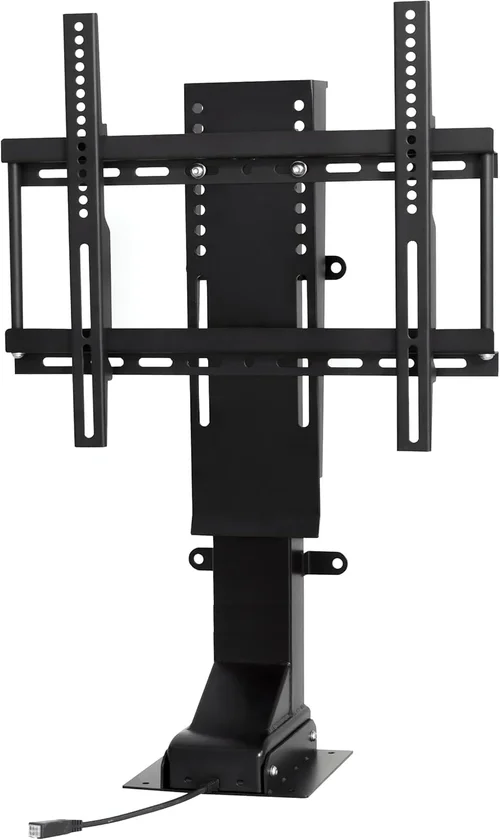
How and where you mount your TV significantly impacts both safety and viewing experience. Outdoor mounts must be sturdy enough to handle wind loads and secure enough to prevent theft or accidental tipping. Look for VESA-compatible mounts (common patterns include 200×200, 400×400) and ensure the TV includes reinforced mounting points.
Consider your deck layout. Will the TV be wall-mounted, ceiling-mounted, or placed on a stand? Some models offer tilt, swivel, or full-motion articulation for optimal angle adjustment. If you’re installing near a grill or fire pit, allow adequate clearance to avoid heat damage—most manufacturers recommend at least 3 feet from direct heat sources.
Professional installation is often worth the cost, especially for permanent setups. Electricians can run concealed wiring through walls or under decking, and certified installers ensure compliance with local codes. DIYers should invest in weatherproof conduit and cable glands to protect connections from moisture.
7. Brand Reputation & Ecosystem Compatibility
Not all brands specialize in outdoor displays. Stick with manufacturers known for ruggedized electronics: SunBriteTV (a leader since 2004), Samsung (with its Terrace series), Seura (famous for mirror TVs), and Peerless-AV (industrial-grade solutions). These companies understand the unique demands of outdoor environments and back their products with specialized support.
Ecosystem compatibility matters too. If you already use Samsung SmartThings or Google Home, choosing a TV that integrates smoothly saves setup time and enhances functionality. Look for features like ambient mode (which displays art or weather when not in use) or automatic brightness adjustment based on ambient light sensors.
Read real user reviews—not just marketing claims. Sites like Wirecutter, CNET, and dedicated outdoor living forums often reveal long-term reliability issues or hidden limitations. Pay attention to comments about customer service responsiveness, especially if you live in a remote area.
8. Warranty & Support
A strong warranty is your safety net against unexpected failures. Standard indoor TVs typically offer 1-year coverage, but outdoor models should come with at least 2–3 years, sometimes extendable to 5 years with registration. Look for comprehensive protection that includes parts, labor, and on-site service—not just mail-in repairs.
Check what’s covered: does the warranty include damage from condensation, power surges, or accidental impact? Some brands offer “all-weather” guarantees that explicitly cover weather-related issues. Also verify support availability: 24/7 phone lines, live chat, or local technician networks can save you days of downtime.
Finally, consider extended service plans. While not always necessary, they can be worthwhile if you’re investing in a premium model or live in an area prone to storms or power fluctuations. Just read the terms carefully—some exclude “acts of God” or require annual inspections.
Different Types of Buying Guide
Common Buying Mistakes to Avoid
❌ Mistake: Buying an Indoor TV for Outdoor Use
Why it’s bad: Indoor TVs lack weather sealing, have low brightness, and aren’t designed for temperature extremes. They’ll fail within months—or even weeks—in outdoor conditions, leaving you with a costly paperweight.
What to do instead: Invest in a purpose-built outdoor TV or use a high-brightness commercial display rated for exterior use. If budget is tight, consider a partial-shade model for covered areas only.
❌ Mistake: Ignoring Sunlight Exposure
Why it’s bad: Even a top-tier outdoor TV will struggle in direct, unobstructed sunlight without sufficient brightness and anti-glare tech. You’ll end up squinting or watching with shades drawn—defeating the purpose.
What to do instead: Assess your deck’s sun patterns. If it gets full sun for more than 2–3 hours daily, prioritize TVs with 1,500+ nits and optically bonded screens. Consider adding a retractable awning or pergola for shade.
❌ Mistake: Overlooking Audio Needs
Why it’s bad: Most outdoor TVs have weak built-in speakers. Relying on them results in tinny, quiet audio that gets drowned out by wind, traffic, or grill noise.
What to do instead: Plan for external audio from day one. Pair your TV with weatherproof outdoor speakers, a soundbar, or a whole-home audio system. Use wired connections where possible to avoid Bluetooth dropouts.
❌ Mistake: Skimping on Mounting Hardware
Why it’s bad: Cheap mounts can rust, loosen, or fail under wind load, risking damage to your TV—and potentially someone’s safety.
What to do instead: Use marine-grade stainless steel mounts rated for your TV’s weight plus a 2x safety factor. Anchor securely into structural framing, not just siding or drywall.
❌ Mistake: Not Planning for Power & Cables
Why it’s bad: Exposed cords are tripping hazards and moisture entry points. Improper wiring can void warranties or cause electrical issues.
What to do instead: Run cables through waterproof conduit or under decking. Use GFCI outlets for safety. Label all connections for easy troubleshooting.
❌ Mistake: Assuming All “Outdoor” TVs Are Equal
Why it’s bad: Some brands market indoor TVs with outdoor enclosures as “outdoor-ready.” These often lack proper ventilation or internal protection, leading to overheating or corrosion.
What to do instead: Buy from manufacturers that design TVs specifically for outdoor use. Look for certifications like IP ratings and UL listing for outdoor electronics.
❌ Mistake: Neglecting Long-Term Maintenance
Why it’s bad: Dust, pollen, and bird droppings can accumulate on screens and vents, reducing performance and lifespan.
What to do instead: Clean the screen monthly with a microfiber cloth and mild cleaner. Inspect seals and ports seasonally. Cover the TV during off-seasons if possible.
Budget Guidelines: How Much Should You Spend?
Entry-Level ($800–$1,500): These are typically partial-shade models ideal for covered patios or screened-in porches. Expect brightness around 700–1,000 nits, basic smart features, and limited weather sealing (IP54). Brands like TCL and Hisense offer budget-friendly options, but durability may be lower. Best for occasional use in mild climates.
Mid-Range ($1,500–$3,000): This is the sweet spot for most homeowners. You’ll get full weather resistance (IP55+), 1,200–2,000 nits brightness, 4K HDR, and robust smart platforms. Models from SunBriteTV Veranda series or Samsung Terrace QLED fall here. Excellent balance of performance, longevity, and value.
Premium ($3,000–$5,000): Designed for full exposure and heavy use. Features include 2,000+ nits brightness, fanless cooling, conformal coating, and advanced anti-glare optics. Ideal for decks with direct sun, coastal areas, or commercial applications. Brands like Seura and Peerless-AV dominate this tier.
Luxury ($5,000+): Top-tier all-weather TVs with commercial-grade components, 24/7 operation capability, and bespoke finishes (e.g., mirror TVs that disappear when off). Often include professional installation and extended warranties. Perfect for high-end outdoor kitchens or luxury resorts.

Expert Tips for Getting the Best Deal
- Buy during off-seasons: Prices drop significantly in late fall and winter when demand for outdoor gear declines. Retailers often clear inventory before spring.
- Check manufacturer refurbished programs: SunBriteTV and Samsung offer certified pre-owned units with full warranties at 20–30% off retail.
- Bundle with installation: Some dealers offer discounts when you purchase TV + mount + installation as a package.
- Compare total cost of ownership: A cheaper TV may need replacement in 2 years, while a premium model lasts 7–10. Factor in longevity.
- Use price tracking tools: Set alerts on Google Shopping or CamelCamelCamel to catch sudden drops on Amazon or Best Buy.
- Negotiate with local AV integrators: Independent installers often have relationships with distributors and can source units below MSRP.
- Verify return policies: Ensure you can test the TV in your actual outdoor environment for at least 14 days before committing.
- Register for loyalty programs: Brands like Samsung offer exclusive member discounts and early access to sales.

Frequently Asked Questions
Q: Can I use a regular TV outdoors if I cover it?
A: Technically yes, but it’s not recommended. Even with a cover, indoor TVs lack proper ventilation and internal protection. Condensation can form inside, leading to corrosion or electrical failure. For reliable, long-term use, choose a purpose-built outdoor model.
Q: Do outdoor TVs consume more power?
A: Yes, due to higher brightness and internal cooling systems. Expect 20–50% higher energy use than comparable indoor TVs. Look for ENERGY STAR-certified models to minimize impact.
Q: How do I clean my outdoor TV screen?
A: Use a soft, lint-free microfiber cloth slightly dampened with distilled water or a 50/50 mix of water and white vinegar. Never spray liquid directly on the screen. Avoid ammonia-based cleaners.
Q: Will my outdoor TV work in winter?
A: Most quality outdoor TVs operate down to -30°C (-22°F). However, extreme cold can temporarily reduce brightness. Allow the TV to warm up gradually before extended use.
Q: Can I mount an outdoor TV on a post or pillar?
A: Yes, but ensure the structure is sturdy and rated for the weight. Use a post-mount bracket designed for outdoor use and secure with lag bolts into solid material.
Q: Do outdoor TVs come with built-in heaters or coolers?
A: Many premium models include internal climate control—small heaters to prevent condensation in cold/humid conditions and fans (or passive cooling) to dissipate heat. Fanless designs are quieter but may limit placement options.
Q: What’s the difference between “outdoor” and “all-weather” TVs?
A: “Outdoor” is a broad term; “all-weather” usually implies full exposure capability with IP65+ rating, extreme temp tolerance, and ruggedized internals. Always check specs rather than relying on marketing labels.
Q: Can I stream 4K content reliably outdoors?
A: Yes, if you have strong Wi-Fi coverage. Consider a mesh network or outdoor-rated Wi-Fi extender to ensure stable connectivity. Hardwiring via Ethernet is best for uninterrupted streaming.
Q: Are outdoor TVs theft-resistant?
A: Not inherently, but you can enhance security with locking mounts, security cables, or smart locks that alert you if the TV is moved. Some models include tamper alerts via app notifications.
Q: How long do outdoor TVs typically last?
A: With proper care, 7–10 years is common for premium models. Lower-end units may last 3–5 years. Regular maintenance and seasonal covering can extend lifespan significantly.
Our Final Recommendations
Best for Budget-Conscious Buyers: SunBriteTV Veranda Series 55″ – Offers solid weather resistance, 1,000 nits brightness, and reliable performance under $2,000. Perfect for covered decks.
Best Overall Value: Samsung The Terrace 65″ QLED – Combines stunning 4K HDR picture, 2,000 nits brightness, IP55 rating, and seamless SmartThings integration. Priced around $2,800.
Best Premium Option: Seura 65″ Outdoor Mirror TV – Doubles as a stylish mirror when off, features 2,500 nits brightness, fanless design, and luxury aesthetics. Ideal for high-end outdoor kitchens ($4,500+).
Best for Beginners: Peerless-AV Xtreme 55″ – Simple setup, excellent customer support, and straightforward smart features. Great first outdoor TV ($2,200).
Best for Advanced Users: SunBriteTV Pro Series 75″ – Commercial-grade durability, 2,500 nits, fanless operation, and customizable bezels. Built for demanding environments ($4,200).
Conclusion: Making the Right Choice
Choosing the right outdoor TV for your deck or outdoor kitchen is about more than just screen size or brand name—it’s about matching technology to your environment, lifestyle, and long-term goals. We’ve covered the essentials: from understanding IP ratings and brightness requirements to avoiding costly mistakes and leveraging expert buying strategies. Remember, an outdoor TV is an investment in your home’s entertainment ecosystem, not just a gadget.
Prioritize your needs. If you live in a sunny, exposed area, don’t compromise on brightness and sealing. If you’re on a budget, a partial-shade model might suffice. And always factor in audio, mounting, and maintenance from the start. The best outdoor TV isn’t necessarily the most expensive—it’s the one that delivers consistent performance, withstands the elements, and enhances your outdoor living experience year after year.
Take your time, do your research, and don’t hesitate to consult a professional installer. With the insights from this guide, you’re now equipped to make a confident, informed decision. Your perfect outdoor movie night, game-day gathering, or sunset cocktail hour is just a purchase away.

