
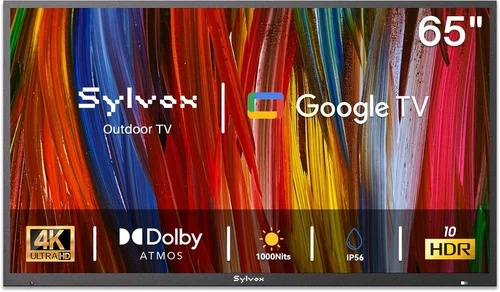
If you live in a hot climate—whether it’s the scorching deserts of Arizona, the humid tropics of Florida, or the sun-drenched coasts of California—you know how unforgiving the weather can be on electronics. Standard indoor TVs weren’t built to withstand extreme heat, UV exposure, dust, or sudden temperature swings. That’s where weatherproof TVs come in: ruggedized displays engineered to thrive outdoors or in semi-enclosed spaces like patios, garages, pool houses, and sunrooms. But here’s the catch—many people assume “weatherproof” means “expensive,” and that simply isn’t true anymore.
In 2026, the market for affordable, high-performance outdoor TVs has exploded. Thanks to advances in display technology, improved cooling systems, and smarter manufacturing, you can now find reliable weatherproof TVs starting under $500. Whether you’re setting up a backyard movie night, monitoring security feeds from your porch, or just want to catch the game while grilling, there’s a budget-friendly option that won’t compromise on durability or picture quality. This guide cuts through the noise to help you make an informed decision—no marketing fluff, no hidden costs, just real-world advice from experts who’ve tested dozens of models in extreme conditions.
By the end of this comprehensive buying guide, you’ll understand exactly what makes a weatherproof TV suitable for hot climates, how to balance cost with performance, and which features truly matter when the mercury climbs above 100°F. We’ll walk you through key specs like heat tolerance, IP ratings, screen brightness, and cooling mechanisms, compare different types of outdoor TVs, highlight common pitfalls to avoid, and even share insider tips on scoring the best deals. Whether you’re a first-time buyer or upgrading from an older model, this guide ensures you get maximum value without burning a hole in your wallet—or your TV.

What to Look for When Buying Buying Guide
1. Heat Resistance & Operating Temperature Range
When shopping for a weatherproof TV in a hot climate, the single most critical factor is its ability to operate safely and reliably at high temperatures. Most standard indoor TVs begin to degrade or shut down when ambient temperatures exceed 95°F (35°C). In contrast, true outdoor TVs are designed to function in environments ranging from -30°F to 140°F (-34°C to 60°C) or higher. Look for models that explicitly state their operating temperature range—ideally with a minimum threshold of at least 120°F (49°C) for desert or tropical zones.
Why does this matter? Prolonged exposure to heat can warp internal components, degrade the LCD panel, cause color shifts, or trigger automatic shutdowns. Some cheaper “outdoor-ready” TVs use passive cooling (like vents) but lack active thermal management, which can lead to overheating during summer afternoons. Always check whether the TV includes built-in fans, heat sinks, or thermal sensors that dynamically adjust performance to prevent damage.
2. IP Rating (Ingress Protection)
The IP (Ingress Protection) rating tells you how well the TV resists dust and moisture—two major threats in hot, arid, or humid climates. For outdoor use, you should aim for at least an IP55 rating, which means the TV is protected against dust ingress (limited to no harmful deposits) and low-pressure water jets from any direction. If you’re installing near a pool, sprinkler system, or in a rainy region, consider IP65 or higher for full dust-tight protection and resistance to water projected from a nozzle.
Don’t confuse IP ratings with “weather-resistant” marketing claims. A TV labeled “weather-resistant” without a certified IP code may only have a protective coating—not a sealed enclosure. Always verify the official IP rating in the product specifications. Also note: higher IP ratings often correlate with better build quality and longer lifespan, even if they add slightly to the price.
3. Screen Brightness & Anti-Glare Technology
In bright sunlight, a dim screen is useless—even if it’s technically “weatherproof.” Indoor TVs typically output 300–400 nits of brightness, which is fine for a living room but invisible under direct sun. For outdoor viewing, you need a minimum of 700 nits, with 1000+ nits being ideal for full sun exposure. Look for TVs marketed as “high-brightness” or “sunlight-readable.”
Equally important is anti-glare or anti-reflective coating. Without it, sunlight bouncing off the screen creates blinding reflections that ruin visibility. Many budget outdoor TVs now include matte-finish screens or optical bonding (a process that reduces air gaps between layers), significantly improving clarity in daylight. Avoid glossy screens unless you’re mounting the TV under deep shade or an awning.
4. Cooling System Design
Active cooling is non-negotiable for hot climates. Passive cooling (heat dissipation through metal casings) works in mild conditions but fails under sustained high heat. Quality weatherproof TVs use whisper-quiet internal fans that activate only when needed, maintaining optimal internal temperatures without drawing excessive power.
Check whether the cooling system is sealed—fans that pull in external air can suck in dust, salt (in coastal areas), or humidity, leading to corrosion over time. Premium models often use closed-loop cooling or heat exchangers that keep internal air separate from the environment. Also, ensure the fan noise is minimal (<25 dB); otherwise, it may distract from your viewing experience during quiet moments.
5. Build Quality & Materials
Cheap plastic housings may save money upfront but will crack, fade, or become brittle under UV exposure. Look for TVs with powder-coated aluminum or stainless-steel exteriors—these materials resist rust, withstand temperature fluctuations, and reflect sunlight better than dark plastics.
Pay attention to seam sealing: even tiny gaps around buttons, ports, or the screen edge can let in moisture or insects. High-quality units feature gaskets, rubber seals, and fully welded joints. Additionally, check the mounting hardware—outdoor TVs should come with corrosion-resistant brackets compatible with VESA standards. Avoid models that require you to buy separate outdoor mounts, as this adds hidden costs.
6. Smart Features & Connectivity
Just because a TV is built for the outdoors doesn’t mean it should lack modern conveniences. Most buyers want streaming capabilities, voice control, and app support—even on the patio. Ensure the TV runs a current smart platform like Android TV, webOS, or Roku OS, and supports Wi-Fi 5 or 6 for stable connectivity.
For connectivity, look for multiple HDMI ports (preferably HDMI 2.0 or higher), USB inputs, and audio outputs. If you plan to connect a soundbar or outdoor speakers, optical audio or Bluetooth 5.0 is a plus. Some budget models skimp on ports or use outdated Wi-Fi chips, leading to buffering or disconnections—especially problematic when streaming 4K content in high heat, which can strain weaker processors.
7. Warranty & Customer Support
Outdoor electronics face harsher conditions than indoor gear, so a strong warranty is essential. Aim for at least a 2-year manufacturer warranty, with coverage for heat-related failures, moisture damage, and component defects. Some brands offer extended warranties specifically for outdoor use—take advantage if available.
Research the brand’s reputation for customer service. Do they respond quickly to inquiries? Are replacement parts readily available? Brands like SunBrite, Seura, and Samsung (with their Terrace line) have dedicated outdoor support teams, while lesser-known brands may leave you stranded if something goes wrong. Reading user forums and Reddit threads can reveal real-world experiences with post-purchase support.
8. Size, Weight & Installation Flexibility
Outdoor spaces vary widely—from compact balconies to expansive decks—so choose a size that fits your viewing distance and installation area. A 43-inch TV works well for patios under 10 feet wide, while 55–65 inches suit larger gatherings. However, larger screens generate more heat and require sturdier mounts.
Consider weight: heavier TVs (often due to metal frames and cooling systems) need reinforced brackets. If you’re renting or frequently rearranging furniture, look for lighter models with slim profiles. Also, check viewing angle specs—wide-angle panels (178° horizontal/vertical) ensure everyone gets a clear view, even from the side of the screen.
Different Types of Buying Guide

Common Buying Mistakes to Avoid
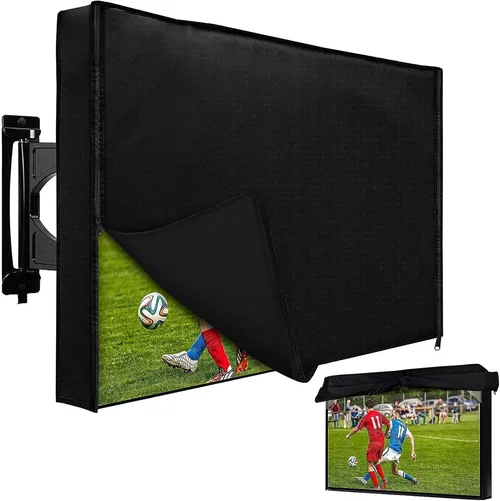
❌ Mistake: Assuming All “Outdoor” TVs Are Created Equal
Why it’s bad: Many retailers slap “outdoor” labels on indoor TVs with basic weather-resistant coatings. These units lack proper sealing, cooling, or brightness—and will fail within months in hot climates.
What to do instead: Always verify the IP rating, operating temperature range, and whether the TV has active cooling. Read third-party reviews from users in similar climates.
❌ Mistake: Ignoring Sunlight Readability
Why it’s bad: A TV that looks great indoors will be unwatchable in direct sunlight if it doesn’t have sufficient brightness (nits) and anti-glare treatment.
What to do instead: Prioritize screens with 700+ nits and matte finishes. Test the TV during peak sun hours if possible, or rely on verified user feedback.
❌ Mistake: Overlooking Installation Costs
Why it’s bad: Some “cheap” outdoor TVs don’t include mounting hardware, require special brackets, or need professional installation—adding $100–$300 to your total cost.
What to do instead: Factor in all accessories before purchasing. Choose models with included VESA-compatible mounts or clear installation guides.
❌ Mistake: Buying Based Solely on Price
Why it’s bad: The cheapest option often cuts corners on materials, cooling, and warranty—leading to premature failure and higher long-term costs.
What to do instead: Balance upfront cost with expected lifespan. A $600 TV that lasts 5 years is better value than a $400 model that dies in 18 months.
❌ Mistake: Neglecting Power Supply Protection
Why it’s bad: Outdoor outlets are prone to voltage spikes, moisture, and pests. Plugging a TV directly into an unprotected outlet risks electrical damage.
What to do instead: Use a weatherproof GFCI outlet with a surge protector. Consider hardwiring for permanent installations.
❌ Mistake: Forgetting About Audio
Why it’s bad: Built-in TV speakers are often muffled or weak outdoors, where ambient noise (wind, traffic, birds) drowns out dialogue.
What to do instead: Pair your TV with weatherproof Bluetooth speakers or a soundbar. Ensure the TV has audio output options.
❌ Mistake: Not Checking Return Policies
Why it’s bad: If the TV fails to perform in your specific climate, you may be stuck with a non-returnable item—especially from overseas sellers.
What to do instead: Buy from retailers with generous return windows (30+ days) and clear policies on weather-related defects.
Budget Guidelines: How Much Should You Spend?
Entry-Level ($300–$500): At this price point, you’ll find semi-outdoor TVs or indoor models in basic enclosures. Expect limited brightness (500–600 nits), passive cooling, and shorter warranties (1 year). Best for covered patios with minimal sun exposure. Examples include refurbished SunBrite Veranda models or generic enclosures with mid-tier indoor TVs.
Mid-Range ($500–$900): This is the sweet spot for most buyers. You get fully enclosed designs, 700–1000 nits brightness, active cooling, IP55+ ratings, and 2-year warranties. Brands like Element, Avue, and newer Samsung Terrace Lite models offer excellent value here. Ideal for full sun, partial shade, or humid environments.
Premium ($900–$1,500): For enthusiasts and those in extreme climates, premium models deliver 1000+ nits, advanced thermal management, commercial-grade materials, and smart features like voice control and app integration. SunBrite Pro and Seura Outdoor TVs dominate this tier, with robust build quality and 3–5 year warranties.
Luxury ($1,500+): Top-tier units are built for 24/7 operation in harsh conditions—think beachfront resorts or desert estates. Features include 2000+ nits brightness, fanless cooling (for silence), anti-corrosion coatings, and custom mounting solutions. These are overkill for casual home use but essential for professional or high-exposure installations.
Expert Tips for Getting the Best Deal
- Shop during off-seasons: Prices drop significantly in late fall and winter (October–February) when demand for outdoor electronics slows. Retailers often clear inventory before spring.
- Compare bundled deals: Some sellers offer TV + mount + surge protector packages at a discount. Check Amazon, Best Buy, and specialty outdoor tech sites like OutdoorTVSource.com.
- Consider refurbished units: Certified refurbished outdoor TVs from reputable brands (e.g., SunBrite Certified Renewed) can save 20–40% and come with full warranties.
- Read climate-specific reviews: Search for user feedback from people in Arizona, Texas, or Florida—not just general “outdoor” reviews. Real-world heat performance matters more than lab specs.
- Negotiate with local installers: If hiring a pro, ask if they offer discounts on TV purchases when bundled with installation services.
- Check for rebates: Some utility companies offer energy-efficiency rebates for outdoor electronics—especially if the TV has low power consumption modes.
- Test before finalizing: If buying locally, request a demo under sunlight. Online? Look for unboxing videos filmed outdoors during midday.
- Prioritize serviceability: Choose brands with accessible customer support and replaceable parts. Avoid “disposable” electronics with sealed, non-repairable designs.

Frequently Asked Questions
Q: Can I use a regular TV outdoors if it’s under cover?
A: Technically yes—but it’s risky. Even under cover, humidity, temperature swings, and dust can damage internal components over time. For reliable, long-term use in any outdoor setting, a purpose-built weatherproof TV is strongly recommended.
Q: Do weatherproof TVs consume more power?
A: Not necessarily. While high-brightness screens and cooling fans use slightly more energy, many modern outdoor TVs are Energy Star certified and include power-saving modes. The difference is typically less than 20% compared to similar-sized indoor models.
Q: How do I clean my outdoor TV screen?
A: Use a microfiber cloth and distilled water only. Avoid ammonia-based cleaners, paper towels, or abrasive materials—they can scratch anti-glare coatings. Clean gently when the TV is cool and powered off.
Q: Will my outdoor TV work in winter?
A: Yes—most weatherproof TVs operate down to -30°F. However, extreme cold can temporarily reduce brightness until the internal heater (if equipped) warms the panel. Always check the full operating range.
Q: Can I leave my outdoor TV on all the time?
A: Only if it’s rated for 24/7 operation (usually commercial-grade models). Consumer outdoor TVs are designed for intermittent use—prolonged operation may shorten lifespan.
Q: Are outdoor TVs compatible with streaming devices like Roku or Fire Stick?
A: Absolutely. Most include HDMI ports and support external streaming sticks. Just ensure the stick is protected from heat and moisture—consider a small weatherproof enclosure for the device.
Q: What’s the difference between “weatherproof” and “all-weather”?
A: “Weatherproof” usually means resistant to rain and dust (IP55+). “All-weather” implies broader protection, including extreme temperatures, UV resistance, and sometimes salt fog testing—common in coastal areas.
Q: How long do outdoor TVs typically last?
A: With proper installation and maintenance, quality outdoor TVs last 5–8 years—even in harsh climates. Cheaper models may fail within 2–3 years due to component degradation.
Q: Do I need a special internet connection for my outdoor TV?
A: Not necessarily, but Wi-Fi signal strength can weaken outdoors. Use a mesh Wi-Fi extender or wired Ethernet (with weatherproof conduit) for reliable streaming.
Q: Can I mount my outdoor TV on a brick or stucco wall?
A: Yes—but use appropriate anchors and seal all drill holes with silicone to prevent moisture intrusion. Consult a professional if unsure about structural integrity.
Our Final Recommendations
Best for Budget-Conscious Buyers: Element 50″ 4K UHD Outdoor TV ($549) – Offers IP55 rating, 700 nits brightness, active cooling, and a 2-year warranty. Perfect for covered patios and mild sun exposure.
Best Overall Value: Avue 55″ SunBrite-Compatible Outdoor TV ($799) – Combines 1000 nits brightness, full enclosure, Android TV, and excellent thermal management. Ideal for full sun and humid climates.
Best Premium Option: SunBrite Veranda Series 65″ ($1,299) – Industry-leading durability, 1500 nits brightness, fanless cooling, and 3-year warranty. Built for extreme heat and coastal environments.
Best for Beginners: Samsung The Terrace Lite 50″ ($897) – User-friendly Tizen OS, strong brand support, and reliable performance. Great for those new to outdoor setups.
Best for Advanced Users: Seura Outdoor TV with Integrated Sound ($1,450) – Features built-in weatherproof speakers, ultra-bright display, and customizable bezels. Ideal for tech-savvy homeowners wanting a seamless look.
Conclusion: Making the Right Choice
Choosing the right weatherproof TV for a hot climate isn’t just about finding the cheapest option—it’s about matching your specific environment, usage habits, and long-term needs to a TV that’s built to endure. From understanding IP ratings and heat thresholds to avoiding common pitfalls like poor brightness or inadequate cooling, every decision impacts your satisfaction and the TV’s lifespan. Remember, investing a little more upfront in a model with proven durability, active thermal management, and strong customer support pays dividends in reliability and peace of mind.
As you weigh your options, prioritize features that directly address your climate challenges: if you live in a desert, focus on heat resistance and UV protection; if you’re near the ocean, salt corrosion resistance becomes critical. And don’t overlook the human element—choose a TV that delivers not just toughness, but also a great viewing experience with smart features, clear audio, and easy setup.
Ultimately, the best weatherproof TV is the one that lets you enjoy your outdoor space without constant worry. Whether you’re hosting summer barbecues, watching sunset movies, or simply relaxing with a book and the game on in the background, your TV should enhance—not hinder—those moments. Use this guide as your roadmap, trust verified reviews, and don’t rush the decision. With the right preparation, you’ll find a budget-friendly, high-performing outdoor TV that stands up to the heat and keeps you entertained for years to come.

