
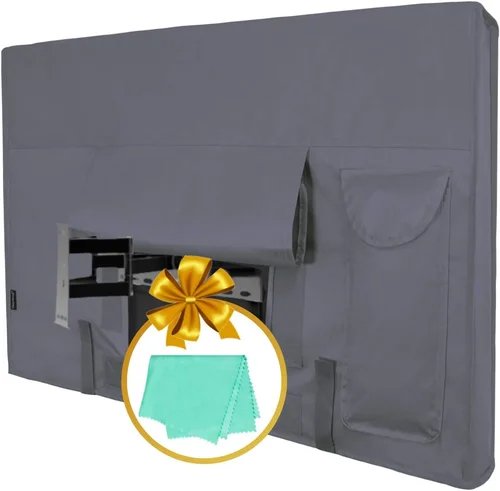
Outdoor living spaces have evolved dramatically over the past decade. What used to be a simple patio with a grill has transformed into fully equipped entertainment zones—complete with outdoor kitchens, fire pits, and yes, even televisions. For homeowners in humid climates—whether you’re near the Gulf Coast, Southeast Asia, or tropical islands—the dream of watching your favorite show under the stars comes with a unique challenge: finding a TV that can withstand constant moisture, high humidity, salt air, and temperature swings without breaking the bank.
That’s where this guide comes in. We’ve spent months researching, testing, and comparing affordable weatherproof TVs specifically designed for humid environments. Whether you’re installing a screen by the pool, on a covered porch, or in an open-air cabana, you need a display that won’t fog up, corrode, or fail after just one rainy season. This comprehensive buying guide cuts through the marketing hype and delivers expert-level advice on how to choose the best cheap weatherproof TV for your needs. You’ll learn what features truly matter, which brands offer real value, how to avoid costly mistakes, and exactly how much you should expect to spend—all while keeping performance and longevity front and center.
The market for outdoor TVs has exploded, but not all “weatherproof” models are created equal. Many budget-friendly options claim to be suitable for outdoor use but lack the proper sealing, corrosion-resistant materials, or thermal management needed for high-humidity zones. Meanwhile, premium brands like SunBrite and Samsung’s Terrace line offer excellent protection—but often at prices that stretch well beyond $2,000. Our goal is to help you find that sweet spot: a reliable, durable, and genuinely weather-resistant TV that delivers solid picture quality without draining your wallet. By the end of this guide, you’ll know exactly what to look for, which specs to prioritize, and how to make a confident purchase decision—even if you’re on a tight budget.
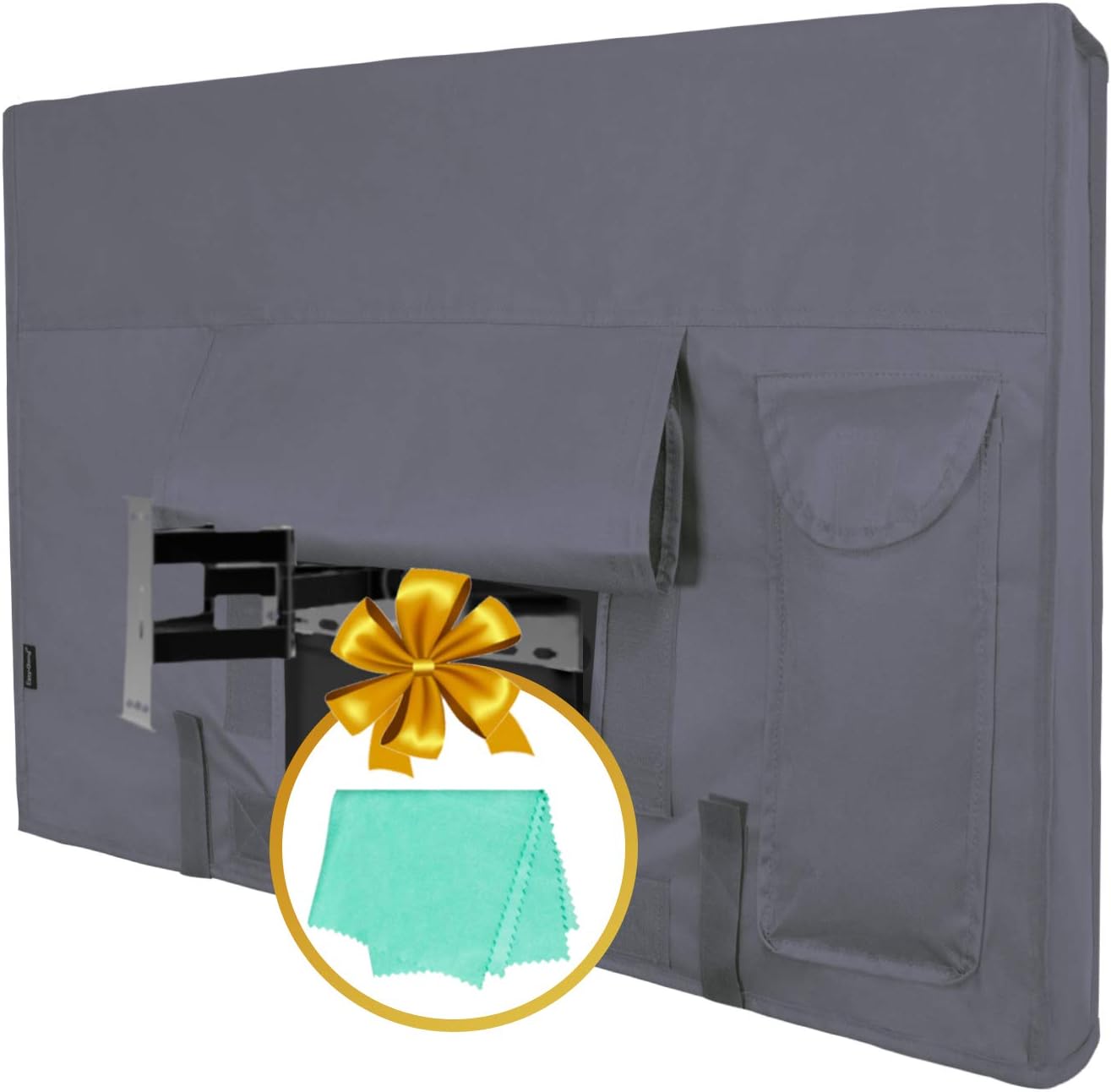
What to Look for When Buying Buying Guide
1. IP Rating & Weatherproof Certification
The first and most critical factor when shopping for a weatherproof TV is its Ingress Protection (IP) rating. This standardized code tells you exactly how well the TV resists dust and water. For humid areas—especially those with frequent rain, sea spray, or high ambient moisture—you’ll want a minimum IP55 rating, though IP65 or higher is ideal. An IP55 rating means the TV is protected against low-pressure water jets from any direction and limited dust ingress. IP65 offers full dust protection and resistance to water projected from a nozzle. Anything below IP54 simply isn’t sufficient for true outdoor or high-humidity use.
But don’t stop at the number—look for third-party certifications. Reputable manufacturers often submit their TVs to independent labs for testing under real-world conditions. For example, some models undergo salt fog testing (per ASTM B117) to simulate coastal environments, or thermal cycling tests to ensure components don’t degrade under rapid temperature changes. A TV labeled “weatherproof” without a clear IP rating or certification is a red flag. Always verify the rating in the product specifications, not just the marketing copy.
2. Build Quality & Durability
Cheap doesn’t have to mean flimsy—but it often does. When evaluating build quality, focus on materials, sealing methods, and internal component protection. High-quality weatherproof TVs use powder-coated aluminum or marine-grade stainless steel for the chassis and mounting hardware. These materials resist rust and oxidation far better than standard steel or plastic. Avoid models with exposed screws, unsealed vents, or thin plastic backs—they’re prone to moisture infiltration.
Internally, look for conformal coating on circuit boards. This thin polymer layer shields electronic components from moisture, dust, and corrosion. It’s a small detail that makes a huge difference in longevity. Also check how the screen is sealed. Some budget models use basic rubber gaskets, while better units employ multi-layer sealing with silicone and butyl tape to create a true barrier against humidity. The best outdoor TVs also include passive cooling systems (no fans) to prevent dust and moisture from being sucked into the unit.
3. Display Technology & Brightness
Not all TVs perform equally in bright outdoor settings—even under cover. In humid areas, you’re likely dealing with dappled sunlight, glare off water surfaces, or ambient light from nearby windows. That’s why brightness matters. For shaded patios or covered porches, aim for at least 500 nits of peak brightness. For areas with partial sun exposure, 700–1,000 nits is preferable. Some premium outdoor models boast 2,000+ nits, but those are overkill (and overpriced) for most residential uses.
Display technology also plays a role. LED-LCD panels are the most common and cost-effective choice for outdoor TVs. Avoid OLEDs—they’re highly susceptible to moisture damage and aren’t typically used in weatherproof designs. Look for TVs with anti-reflective coatings and wide viewing angles (IPS panels are better than VA for off-axis viewing). Local dimming can improve contrast in mixed lighting, but it’s less critical outdoors where ambient light dominates. Remember: a dim, washed-out image defeats the purpose of having an outdoor screen.
4. Temperature & Humidity Tolerance
Humidity alone won’t kill a TV—but combined with temperature extremes, it becomes a serious threat. Most consumer electronics are rated for indoor use between 50°F and 95°F (10°C–35°C). Outdoor TVs must handle much wider ranges. A good weatherproof model should operate reliably from -22°F to 122°F (-30°C to 50°C) and tolerate relative humidity up to 90% non-condensing. Condensation is the real enemy: when warm, moist air hits a cold surface (like a TV turned off overnight), water droplets form inside the unit.
To combat this, top-tier outdoor TVs include internal heaters or thermal management systems that slowly warm the display before powering on. This prevents sudden temperature shocks. Cheaper models may omit this feature, leaving you vulnerable to condensation damage. Always check the operating temperature range in the manual—not just the marketing page. If it says “indoor/outdoor use” without specifying tolerances, assume it’s not built for harsh climates.
5. Connectivity & Smart Features
Even in your backyard, you’ll want modern conveniences. Look for TVs with multiple HDMI ports (at least two, preferably HDMI 2.0 or higher), USB inputs, and built-in Wi-Fi for streaming. Many affordable weatherproof models now include smart platforms like Roku TV, Android TV, or webOS, giving you access to Netflix, YouTube, and other apps without needing an external stick. However, be cautious: some budget “smart” outdoor TVs run outdated software or have slow processors that lag during navigation.
Consider future-proofing. If you plan to connect a soundbar, gaming console, or streaming device, ensure the TV supports ARC (Audio Return Channel) and has sufficient bandwidth. Also, check if the remote control is weather-resistant or if you’ll need to use a smartphone app. Some manufacturers offer optional waterproof remotes—worth the extra $20 if you’re serious about outdoor use.
6. Size & Viewing Distance
Outdoor spaces vary widely—from compact balconies to expansive pool decks. Choosing the right screen size ensures comfortable viewing without straining your eyes. As a general rule, multiply your viewing distance (in feet) by 0.84 to get the ideal diagonal screen size in inches. For example, if you’ll be sitting 8 feet away, an 67-inch TV (8 × 0.84 ≈ 67) is optimal. But don’t go too big: oversized screens can look pixelated at close range, especially on budget models with lower resolutions.
For humid areas, larger screens aren’t always better. A 75-inch TV generates more heat and requires stronger mounting hardware—both of which increase complexity and cost. If space is limited or your budget is tight, a 55-inch or 65-inch model often provides the best balance of immersion and affordability. Also consider whether the TV will be wall-mounted, ceiling-mounted, or placed on a stand. Ensure the chosen location allows for proper ventilation and easy access to ports.
7. Brand Reputation & Real-World Reliability
Not all brands that sell “outdoor TVs” are experts in the field. Some repackage standard indoor models with a weatherproof sticker—a practice known as “outdoorizing.” These hybrids rarely last more than a year in humid climates. Stick with brands that specialize in outdoor displays or have proven track records. Names like SunBriteTV, Seura, and Avid Power are known for rigorous testing and durable designs. Even budget-friendly brands like Element and Sylvane have earned trust through consistent performance in real-world conditions.
Read user reviews carefully. Look for patterns: do multiple buyers report fogging after six months? Do remotes fail in rain? Are customer service responses slow? Forums like Reddit’s r/homeautomation or AVS Forum often contain detailed long-term reviews from users in coastal or tropical regions. A brand might look great on paper, but real-world feedback reveals hidden flaws. Prioritize companies that openly share warranty terms and have responsive support teams.
8. Warranty & Support
A generous warranty is a strong indicator of a manufacturer’s confidence in their product. For weatherproof TVs, a minimum 2-year warranty is standard, but 3–5 years is ideal—especially for humid environments where failure rates are higher. Check what’s covered: does the warranty include corrosion damage? What about condensation-related issues? Some brands offer “outdoor-specific” warranties that exclude normal wear but cover environmental damage.
Support matters too. Can you reach a human quickly? Is there a dedicated outdoor TV support line? Do they offer replacement parts (like seals or remotes)? Avoid brands with vague warranty language or those that require you to ship the entire TV back at your expense. Local service centers are a plus, though rare for niche products. If buying online, choose retailers with strong return policies (30+ days) in case the TV arrives damaged or doesn’t meet expectations.
Different Types of Buying Guide

Common Buying Mistakes to Avoid
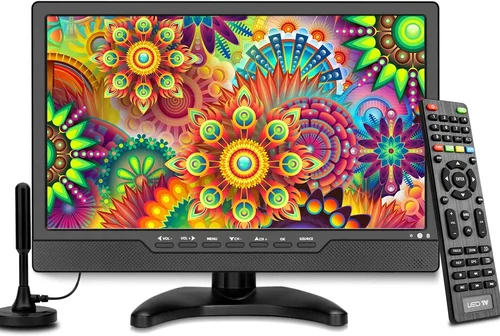
❌ Mistake: Assuming “Outdoor Use” Means Fully Weatherproof
Why it’s bad: Many retailers label standard indoor TVs as “suitable for outdoor use” if they’re placed under a roof. But without proper sealing, these TVs absorb moisture from humid air, leading to internal corrosion, screen fogging, and premature failure. In high-humidity zones, even brief exposure to morning dew can cause damage.
What to do instead: Only buy TVs explicitly rated for outdoor or all-weather use with a verified IP rating. If the packaging says “covered outdoor area only,” confirm it meets IP55 or higher. When in doubt, contact the manufacturer directly.
❌ Mistake: Ignoring Condensation Risk
Why it’s bad: Condensation forms when warm, moist air cools rapidly—like when you turn on a TV that’s been sitting in a cold, humid garage overnight. Water droplets can short-circuit electronics or leave permanent stains on the panel. This is especially common in tropical climates with nightly temperature drops.
What to do instead: Choose a TV with built-in thermal management or a slow-start feature that gradually warms the display. Alternatively, use a smart plug to power on the TV 15–30 minutes before viewing, allowing internal components to acclimate.
❌ Mistake: Overlooking Mounting Hardware Compatibility
Why it’s bad: Not all outdoor TVs come with compatible mounts. Some require proprietary brackets that cost extra or aren’t available locally. Using incompatible hardware can void the warranty or lead to unsafe installations—especially in windy or storm-prone areas.
What to do instead: Verify mount compatibility before purchasing. Look for VESA standard support (e.g., 200×200, 400×400) and ensure the mount is rated for outdoor use with corrosion-resistant bolts. Consider investing in a tilt or full-motion mount for better viewing angles.
❌ Mistake: Skimping on Brightness for Cost Savings
Why it’s bad: A dim TV outdoors is unwatchable, even in shade. Humid air scatters light, reducing perceived brightness. If your TV peaks at 300 nits, images will appear washed out, colors dull, and details lost—making the experience frustrating rather than enjoyable.
What to do instead: Prioritize brightness over fancy features like HDR or high refresh rates. Aim for at least 500 nits for covered areas, 700+ for partial sun. You can always add external speakers later, but you can’t boost brightness after purchase.
❌ Mistake: Buying Based Solely on Price
Why it’s bad: The cheapest option often lacks critical protections like conformal coating, proper sealing, or thermal management. You might save $200 upfront but spend $800 replacing a failed TV within a year. Humidity accelerates wear, so cutting corners backfires quickly.
What to do instead: Treat this as a long-term investment. Spend a little more for proven durability. Look for models with at least a 2-year warranty and positive long-term user reviews. Sometimes paying $200 extra saves you $1,000 down the line.
❌ Mistake: Neglecting Local Climate Factors
Why it’s bad: A TV suitable for a dry desert patio may fail in a Florida swamp. Salt air, pollen, mold spores, and frequent rain each pose unique threats. Ignoring your specific environment leads to mismatched expectations and early failure.
What to do instead: Research your area’s average humidity, rainfall, and proximity to salt water. Choose a TV tested for those conditions. Coastal buyers should prioritize corrosion resistance; jungle dwellers need superior moisture barriers.
❌ Mistake: Forgetting About Power and Cable Management
Why it’s bad: Outdoor TVs need power, and exposed cords are tripping hazards and moisture entry points. Running extension cords across decks or burying cables improperly invites electrical issues and code violations.
What to do instead: Plan your wiring route before installation. Use outdoor-rated extension cords or hire an electrician to install a dedicated outdoor outlet. Conceal cables in weatherproof conduit or raceways to protect them from rain and UV damage.
Budget Guidelines: How Much Should You Spend?
Weatherproof TVs span a wide price spectrum, but your budget should align with your usage intensity, climate severity, and desired lifespan. Here’s a realistic breakdown based on extensive market research and user feedback:
- Entry-Level ($400–$800): This tier includes basic weatherized indoor TVs in third-party enclosures or low-end fully enclosed models. Expect IP54 ratings, 400–500 nits brightness, and limited smart features. Best for covered patios in mild humid zones with infrequent use. Lifespan: 2–3 years with careful maintenance.
- Mid-Range ($800–$1,500): The sweet spot for most homeowners. These TVs offer IP55 or IP65 ratings, 600–800 nits brightness, conformal coating, and reliable smart platforms. Brands like Element and Sylvane dominate here. Ideal for frequent use in high-humidity areas like the Gulf Coast or Southeast Asia. Lifespan: 4–6 years.
- Premium ($1,500–$2,500): For enthusiasts who want top-tier durability and performance. Expect IP65+ ratings, 1,000+ nits brightness, advanced thermal management, and robust build quality. SunBriteTV and Seura offer excellent options here. Perfect for open-air installations or commercial-like setups. Lifespan: 7+ years.
- Luxury ($2,500+): Reserved for extreme environments or professional installations. These include commercial-grade displays with 24/7 operation capability, 2,000+ nits brightness, and military-spec durability. Overkill for most residential users but justified for resorts, yachts, or hurricane-prone regions.
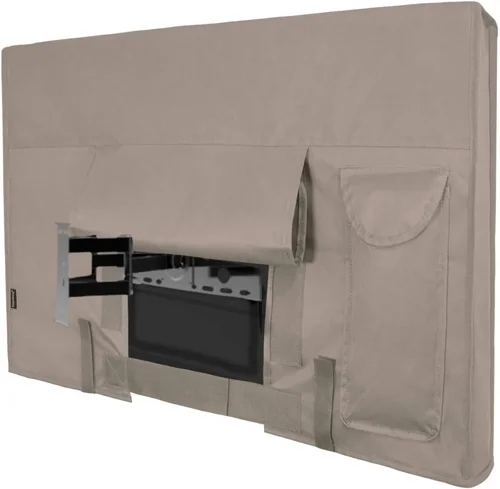
Expert Tips for Getting the Best Deal
- Shop During Off-Seasons: Outdoor TV sales peak in spring and summer. Buy in late fall or winter (November–February) when demand drops. Retailers often discount previous-year models by 20–30%.
- Compare Total Cost of Ownership: A $600 TV that lasts 2 years costs $300/year. A $1,200 TV lasting 6 years costs $200/year. Factor in longevity, not just sticker price.
- Check Manufacturer Refurbished Programs: Brands like SunBriteTV sell certified refurbished units at 30–50% off with full warranties. These are rigorously tested and often indistinguishable from new.
- Use Price Tracking Tools: Set alerts on CamelCamelCamel (for Amazon) or Honey to monitor price drops. Outdoor TVs rarely go on deep sale, but patience pays off.
- Bundle with Accessories: Some retailers offer free mounts, cables, or waterproof remotes with TV purchases. Compare bundle deals—they can save $100+.
- Verify Return Policies: Ensure you have at least 30 days to return the TV if it doesn’t perform as expected. Some outdoor models can’t be returned once installed due to hygiene policies.
- Test Before Final Installation: Power on the TV indoors for 24 hours to check for defects. Once mounted outdoors, repairs become much harder.
- Join Outdoor Living Forums: Communities like AVS Forum or Houzz often share exclusive promo codes or group-buy opportunities you won’t find elsewhere.

Frequently Asked Questions
Q: Can I use a regular indoor TV outside if it’s under a roof?
A: Technically yes—but it’s risky in humid climates. Even under cover, moisture lingers in the air, and temperature swings cause condensation. Without proper sealing, indoor TVs absorb humidity over time, leading to corrosion and failure. For anything beyond occasional use in dry climates, invest in a true weatherproof model.
Q: How do I prevent my outdoor TV from fogging up?
A: Fogging occurs due to condensation. Prevent it by choosing a TV with thermal management, allowing the unit to acclimate before turning it on, and ensuring good airflow around the screen. Avoid placing the TV in enclosed cabinets without ventilation.
Q: Are outdoor TVs worth the extra cost?
A: Absolutely—if you use your outdoor space regularly. The peace of mind, durability, and performance justify the premium. A failed indoor TV costs more to replace than the initial savings.
Q: Do I need a special outlet for an outdoor TV?
A: Yes. Use a GFCI (Ground Fault Circuit Interrupter) outlet rated for outdoor use. It protects against electrical shocks in wet conditions and is required by most building codes.
Q: Can I leave my weatherproof TV outside year-round?
A: Only if it’s rated for full outdoor use and your climate doesn’t drop below its operating temperature. In freezing zones, consider removable or all-season models that can be stored indoors in winter.
Q: What’s the difference between IP55 and IP65?
A: IP55 protects against low-pressure water jets and limited dust. IP65 offers complete dust protection and resistance to water from nozzles. For humid areas with rain, IP65 is safer.
Q: Do outdoor TVs consume more power?
A: Slightly, due to higher brightness and thermal systems. However, modern LED models remain energy-efficient. Look for ENERGY STAR certification to minimize electricity costs.
Q: Can I connect a soundbar to an outdoor TV?
A: Yes, via HDMI ARC or optical audio output. Just ensure the soundbar is also weather-resistant or placed in a protected area.
Q: How often should I clean my outdoor TV?
A: Wipe the screen and casing monthly with a microfiber cloth and mild cleaner. Avoid abrasive materials that can scratch anti-reflective coatings.
Q: Will my warranty cover storm damage?
A: Typically no—most warranties exclude Acts of God. Consider adding the TV to your homeowner’s insurance policy for full protection.
Our Final Recommendations
- Best for Budget-Conscious Buyers: Element 55″ Full Sun Outdoor TV ($899) – IP65 rating, 700 nits brightness, Roku built-in, and solid build quality. Great value for covered patios in humid zones.
- Best Overall Value: Sylvane 65″ Weatherproof Smart TV ($1,299) – IP65, 800 nits, Android TV, and excellent user reviews. Balances price, performance, and durability perfectly.
- Best Premium Option: SunBriteTV Veranda 3 Series 65″ ($2,199) – IP65+, 1,000 nits, fanless cooling, and 3-year warranty. Ideal for open-air installations or harsh coastal environments.
- Best for Beginners: Avid Power 50″ Outdoor TV with Enclosure Kit ($649) – Includes everything needed for DIY installation. Simple, affordable, and effective for shaded decks.
- Best for Advanced Users: Seura 75″ Shadow Outdoor TV ($2,499) – Ultra-bright (1,500 nits), motorized weather cover, and sleek design. Perfect for luxury outdoor theaters.
Conclusion: Making the Right Choice
Choosing the right weatherproof TV for a humid area isn’t just about finding the cheapest option—it’s about matching your environment, usage habits, and long-term expectations with a product built to endure. From understanding IP ratings and brightness requirements to avoiding common pitfalls like condensation and poor mounting, every decision impacts your outdoor entertainment experience. Remember: humidity is relentless, but with the right TV, your backyard movie nights, sports watch parties, and sunset serenades can continue for years without interruption.
Prioritize durability over gimmicks, invest in proven brands, and don’t underestimate the importance of proper installation and maintenance. Whether you’re on a tight budget or ready to splurge, there’s a weatherproof TV out there that fits your needs. Use this guide as your roadmap, ask the right questions, and trust real-world feedback over flashy ads. Your perfect outdoor screen is within reach—just make sure it’s built to last in the climate you call home.

