
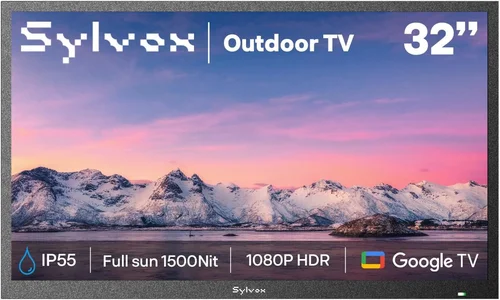
Living near the coast offers breathtaking views, salty breezes, and a lifestyle many dream of. But it also brings unique challenges—especially when it comes to electronics. Salt air, high humidity, constant moisture, and intense UV exposure can wreak havoc on standard indoor TVs, turning your dream outdoor entertainment setup into a costly nightmare. That’s why investing in a weatherproof TV isn’t just a luxury—it’s a necessity for coastal homeowners who want to enjoy year-round outdoor living without replacing their screens every few years.
This comprehensive buyer’s guide is designed specifically for those navigating the tricky waters of purchasing a budget-friendly, durable, and reliable weatherproof TV for coastal environments. Whether you’re setting up a covered patio, an outdoor kitchen, or a beachfront gazebo, we’ll walk you through everything you need to know to make a smart, informed decision. From understanding IP ratings and corrosion resistance to comparing brands and avoiding common pitfalls, this guide covers all the bases. By the end, you’ll have the confidence to choose a TV that withstands the elements while delivering crisp picture quality and long-term value—without breaking the bank.
The market for outdoor TVs has exploded in recent years, with more manufacturers entering the space and prices becoming increasingly accessible. However, not all “weatherproof” TVs are created equal—especially when it comes to coastal conditions. Some models claim to be outdoor-ready but lack the specific protections needed for salt-laden air or extreme humidity. Others may offer impressive specs on paper but fall short in real-world durability. Our goal is to cut through the marketing noise and give you expert-level insights based on performance, build quality, and real user experiences. Let’s dive into what truly matters when buying a cheap yet capable weatherproof TV for your coastal home.

What to Look for When Buying Buying Guide
1. IP Rating & Weatherproof Certification
The Ingress Protection (IP) rating is your first line of defense when evaluating any outdoor TV. This two-digit code tells you exactly how well a device resists dust and water. For coastal homes, you’ll want at minimum an IP55 rating—meaning the TV is protected against limited dust ingress and low-pressure water jets from any direction. However, for true peace of mind in salty, humid environments, aim for IP65 or higher. An IP65-rated TV is dust-tight and can withstand powerful water jets, making it ideal for uncovered patios or areas exposed to sea spray.
Don’t confuse “weather-resistant” with “weatherproof.” Many indoor TVs marketed as “outdoor-compatible” only include basic covers or enclosures that don’t meet official IP standards. Always verify the actual IP rating listed in the product specifications, not just marketing claims. Also, look for certifications like UL Listed for outdoor use or compliance with IEC 60529 standards, which ensure rigorous testing under real-world conditions.
2. Corrosion Resistance & Material Quality
Salt corrosion is the silent killer of electronics in coastal regions. Even if a TV has a high IP rating, poor material choices can lead to premature failure. Look for TVs with aluminum or stainless-steel chassis instead of plastic or standard steel, which rust quickly in salty air. Internal components should also be coated with conformal coatings—thin protective layers that shield circuitry from moisture and salt damage.
Check the mounting hardware too. Many budget outdoor TVs come with standard zinc-plated brackets that corrode within months near the ocean. Opt for models that include marine-grade stainless-steel mounts or offer them as optional upgrades. Some manufacturers even use anti-corrosion treatments like powder coating or anodizing on external surfaces. These small details make a huge difference in longevity.
3. Brightness & Anti-Glare Display
Outdoor visibility is one of the biggest challenges for TVs used in daylight. Standard indoor TVs typically range from 250 to 500 nits of brightness—fine for a dim living room but nearly invisible under direct sunlight. For outdoor use, especially in open coastal areas with reflective sand and water, you need a minimum of 700 nits, with 1000+ nits being ideal.
Equally important is anti-glare technology. Look for displays with matte finishes or optical bonding—a process where the glass is fused directly to the LCD panel to reduce reflections. Some premium models even feature automatic brightness sensors that adjust based on ambient light. Avoid glossy screens at all costs; they turn into mirrors in sunny conditions, ruining your viewing experience.
4. Temperature Tolerance & Thermal Management
Coastal climates aren’t just wet—they’re also subject to rapid temperature swings. Morning fog can give way to scorching afternoon sun, and electronics must handle these extremes without overheating or freezing. A quality weatherproof TV should operate reliably between -22°F and 122°F (-30°C to 50°C). Cheaper models often have narrower operating ranges, which can cause shutdowns or permanent damage.
Thermal management is crucial. Passive cooling (no fans) is preferred for outdoor TVs because fans can suck in salt air and fail quickly. Instead, look for models with heat-dissipating aluminum frames or internal heat sinks. Some brands incorporate phase-change materials or advanced ventilation designs that maintain safe internal temperatures without compromising weather sealing.
5. Connectivity & Smart Features
Even in outdoor settings, you’ll want seamless access to streaming services, HDMI inputs for gaming consoles or cable boxes, and wireless connectivity. Most modern weatherproof TVs come with built-in Wi-Fi, Bluetooth, and smart platforms like Android TV, Roku, or webOS. However, not all smart features are equally robust outdoors.
Test signal strength if possible—thick walls, metal roofs, or distance from your router can weaken Wi-Fi. Some models include external antenna ports or support for mesh networks. Also, ensure there are enough HDMI ports (at least two) and USB inputs for media playback. Avoid TVs that rely solely on proprietary apps or lack firmware update capabilities—these become obsolete quickly.
6. Size, Weight & Installation Flexibility
Outdoor spaces vary widely—from compact balconies to expansive decks—so size matters. A 43-inch TV might be perfect for a small covered porch, while a 65-inch model suits a large backyard entertainment area. Consider viewing distance: sit too close to a large screen, and you’ll see pixelation; too far from a small one, and details get lost.
Weight and mounting options are equally important. Heavy TVs require sturdy brackets and proper wall reinforcement, especially in windy coastal areas. Look for VESA-compatible mounts (standardized screw patterns) and ensure the TV supports tilt, swivel, or full-motion arms if you need adjustable angles. Some ultra-thin outdoor models sacrifice durability for aesthetics—avoid these unless you’re installing in a fully sheltered location.
7. Brand Reputation & Real-World Reliability
Not all outdoor TV brands are equal. While mainstream names like Samsung and LG dominate indoor markets, they offer limited true outdoor models. Specialty brands like SunBriteTV, Seura, and Avid Power have built reputations specifically for rugged, weatherproof displays. However, their premium pricing often exceeds “cheap” budgets.
That said, emerging brands like Sylvansia, Kogan, and even some offshoots of Chinese manufacturers now offer surprisingly capable budget options. The key is researching real user reviews—not just star ratings, but detailed feedback about longevity in coastal settings. Look for mentions of rust, screen fogging, or connectivity issues after 6–12 months of use. Forums like Reddit’s r/outdoortv or dedicated AV communities are goldmines for honest experiences.
8. Warranty & Customer Support
A strong warranty is your safety net against premature failure. Standard indoor TVs usually come with 1-year warranties, but outdoor models should offer at least 2–3 years, with some premium brands providing up to 5 years. More importantly, check what the warranty covers: does it include corrosion damage? Water ingress? Burn-in from prolonged sun exposure?
Customer support responsiveness is just as critical. If your TV fails after a storm, you don’t want to wait weeks for a replacement. Read reviews about how brands handle claims—some require you to ship the entire unit back (costly and inconvenient), while others offer local repair services or advance replacements. Avoid brands with no U.S.-based support if you’re in North America.
Different Types of Buying Guide
Common Buying Mistakes to Avoid
❌ Mistake: Assuming All “Outdoor” TVs Are Equal
Why it’s bad: Many retailers label indoor TVs as “suitable for outdoor use” simply because they sell weatherproof covers separately. These setups often lack proper ventilation, leading to overheating, or use non-corrosion-resistant materials that fail in salt air.
What to do instead: Always verify if the TV itself is designed for outdoor installation—not just compatible with an add-on case. Look for integrated weatherproofing, not external accessories.
❌ Mistake: Ignoring the Mounting Hardware
Why it’s bad: Even the best TV will fail if the mount rusts through in six months. Standard mounts corrode quickly near the ocean, creating safety hazards and requiring frequent replacements.
What to do instead: Invest in marine-grade stainless-steel mounts or ensure your chosen TV includes them. Check VESA compatibility and weight limits before purchasing.
❌ Mistake: Overlooking Brightness Requirements
Why it’s bad: A dim screen turns your outdoor movie night into a squinting contest. Many buyers regret choosing a TV with only 500 nits, especially on sunny days.
What to do instead: Prioritize brightness (700+ nits) and anti-glare features. If possible, view the TV in daylight conditions before buying.
❌ Mistake: Skipping the Warranty Fine Print
Why it’s bad: Some warranties exclude “environmental damage” like salt corrosion or humidity-related failures—exactly what you’re trying to protect against.
What to do instead: Read the warranty terms carefully. Choose brands that explicitly cover corrosion and moisture damage for outdoor use.
❌ Mistake: Buying Based Solely on Price
Why it’s bad: The cheapest option often uses inferior materials and lacks essential protections, leading to higher long-term costs due to replacements.
What to do instead: Balance upfront cost with expected lifespan. A $600 TV that lasts 5 years is better value than a $300 model that fails in 18 months.
❌ Mistake: Neglecting Firmware Updates
Why it’s bad: Outdoor TVs with outdated software may lose app support, suffer security vulnerabilities, or develop compatibility issues with new devices.
What to do instead: Choose brands known for regular firmware updates. Avoid models that require manual USB updates or have no update history.
Budget Guidelines: How Much Should You Spend?
Entry-Level ($300–$600): These budget-friendly options are ideal for covered patios or mild coastal climates. Expect basic IP54 or IP55 ratings, 700–800 nits brightness, and limited smart features. Brands like Sylvansia and Kogan offer decent value here, though material quality may be mixed. Perfect for casual viewers who prioritize affordability over extreme durability.
Mid-Range ($600–$1,200): This is the sweet spot for most coastal homeowners. TVs in this tier typically feature IP65 ratings, aluminum chassis, 1000+ nits brightness, and reliable smart platforms. Models from Avid Power and newer SunBriteTV budget lines fall here. You’ll get solid corrosion resistance, good thermal management, and 2–3 year warranties—offering the best balance of price and performance.
Premium ($1,200–$2,500): Designed for serious outdoor enthusiasts, these TVs boast commercial-grade materials, advanced anti-glare coatings, and extended temperature ranges. Expect full stainless-steel construction, optical bonding, and robust customer support. Ideal for uncovered decks, beach houses, or high-humidity zones where failure isn’t an option.
Luxury ($2,500+): Reserved for luxury resorts, high-end homes, or 24/7 operation needs. These include features like heated screens for foggy mornings, ultra-high brightness (2000+ nits), and modular designs for easy servicing. While overkill for most residential users, they represent the pinnacle of outdoor TV engineering.
Expert Tips for Getting the Best Deal
- Buy During Off-Season: Outdoor TV sales peak in spring and summer. Shop in late fall or winter (October–February) for discounts of 20–30% as retailers clear inventory.
- Check Retailer Return Policies: Ensure you can return the TV if it doesn’t perform as expected outdoors. Some brands only allow returns within 14 days—too short to test in real conditions.
- Look for Bundled Deals: Some sellers include free mounts, extended warranties, or installation services. Compare total package value, not just TV price.
- Verify Local Climate Compatibility: If you live in a hurricane-prone or high-salinity zone, confirm the TV is rated for your specific environment—not just “general outdoor use.”
- Test Before Committing: If buying locally, ask to see the TV powered on in bright light. Check for dead pixels, color accuracy, and remote responsiveness.
- Consider Refurbished Models: Certified refurbished outdoor TVs from reputable sellers often come with full warranties and significant savings—up to 40% off retail.
- Join Outdoor AV Forums: Communities like AVS Forum or Outdoor Theater Enthusiasts share deal alerts, brand experiences, and installation hacks you won’t find elsewhere.

Frequently Asked Questions
Q: Can I use a regular TV outdoors with a cover?
A: Technically yes, but it’s risky. Most covers don’t provide adequate ventilation, leading to overheating. They also rarely offer true IP-rated protection against salt air or driving rain. For coastal homes, a dedicated weatherproof TV is strongly recommended.
Q: How do I clean my outdoor TV without damaging it?
A: Use a microfiber cloth and distilled water only. Avoid ammonia-based cleaners, abrasive sponges, or high-pressure sprays. Gently wipe the screen and frame—never spray liquid directly onto the TV.
Q: Will my outdoor TV work in winter or during storms?
A: Quality weatherproof TVs are built to handle rain, snow, and temperature extremes. However, avoid operating during lightning storms. Always unplug during severe weather to prevent surge damage.
Q: Do I need a special antenna for outdoor TV reception?
A: Not necessarily. Most modern smart TVs rely on Wi-Fi for streaming. If using over-the-air broadcasts, a standard outdoor antenna works fine—just ensure it’s also corrosion-resistant.
Q: Can I leave my outdoor TV on all the time?
A: While some commercial models support 24/7 operation, most residential outdoor TVs are designed for intermittent use. Prolonged operation can reduce lifespan, especially in extreme heat.
Q: What’s the difference between optical bonding and regular glass?
A: Optical bonding fuses the glass directly to the LCD panel, eliminating air gaps that cause reflections and fogging. It significantly improves brightness and clarity in sunlight.
Q: Are outdoor TVs energy efficient?
A: Generally yes. Many use LED backlighting and power-saving modes. Look for ENERGY STAR certification to ensure low operating costs.
Q: How long do weatherproof TVs typically last?
A: With proper care, expect 5–8 years in coastal environments. Higher-end models with marine-grade materials can last a decade or more.
Q: Can I install an outdoor TV myself?
A: If you’re experienced with electrical work and mounting hardware, yes—but professional installation is safer, especially for sealing and grounding in wet locations.
Our Final Recommendations
Best for Budget-Conscious Buyers: Sylvansia 55″ Outdoor Smart TV (Model SO55UHD) – At under $600, this IP65-rated TV delivers 1000 nits brightness, Android TV, and an aluminum frame. Great for covered patios in moderate coastal zones.
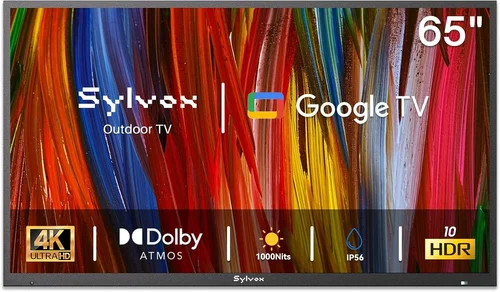
Best Overall Value: Avid Power 65″ Sun-Read Outdoor TV – Priced around $900, it offers IP65 protection, optical bonding, 1200 nits brightness, and a 3-year warranty. Excellent balance of price, performance, and durability.
Best Premium Option: SunBriteTV Veranda Series 3 65″ – Though pricier (~$1,800), it’s built like a tank with full stainless steel, heated screen option, and best-in-class brightness. Ideal for uncovered decks in harsh coastal climates.
Best for Beginners: Kogan 43″ Weatherproof Smart TV – Simple setup, intuitive Roku interface, and solid IP55 rating. Perfect for first-time outdoor TV owners on a tight budget.
Best for Advanced Users: Seura Shade 55″ Outdoor TV – Features motorized ambient light sensor, ultra-quiet operation, and customizable bezel colors. For those who want tech sophistication alongside ruggedness.
Conclusion: Making the Right Choice
Choosing the right weatherproof TV for your coastal home isn’t just about finding the cheapest option—it’s about investing in a display that can survive the unique challenges of salt, sun, and storm. By prioritizing IP ratings, corrosion-resistant materials, sufficient brightness, and reliable warranties, you’ll avoid costly mistakes and enjoy years of seamless outdoor entertainment.
Remember, your outdoor space is an extension of your home. It deserves technology that matches its resilience and beauty. Don’t cut corners on protection—your TV should enhance your lifestyle, not become a recurring expense. Use this guide to compare options, ask the right questions, and select a model that aligns with your budget, environment, and viewing habits.
Whether you’re sipping coffee on your seaside deck at sunrise or hosting a backyard barbecue under the stars, the right weatherproof TV will keep the show going—rain or shine, salt spray or sunshine. Take your time, do your research, and when you find that perfect balance of affordability and durability, you’ll wonder how you ever lived without it. Happy viewing!

