
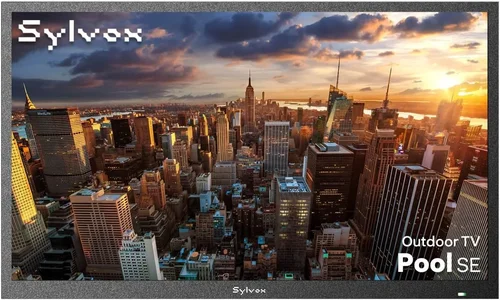
Outdoor entertaining has evolved far beyond simple grilling and casual drinks. Today’s patio spaces are fully functional extensions of the home—complete with seating areas, lighting, sound systems, and yes, even TVs. Whether you’re hosting game nights, watching the sunset with a cocktail, or catching up on your favorite show while tending to the grill, having a television on your patio can dramatically enhance the experience. But here’s the catch: most indoor TVs simply aren’t built to withstand the elements. Sunlight glare, humidity, temperature swings, dust, and even occasional rain can quickly damage a standard display. That’s why choosing the right outdoor TV—especially one that’s affordable—is crucial.
This guide is designed for homeowners, bar owners, and outdoor entertainment enthusiasts who want to enjoy high-quality viewing outdoors without breaking the bank. We’ll walk you through everything you need to know to make a smart, informed decision when shopping for a cheap patio TV in 2026. From understanding key performance specs to avoiding common pitfalls, we’ve got you covered. You’ll learn how to balance cost with durability, what features truly matter in an outdoor setting, and where to find the best deals. Whether you’re outfitting a small backyard deck or a full-scale outdoor bar, this guide will help you get the most value for your money.
The market for outdoor TVs has grown significantly in recent years, driven by increased demand for outdoor living spaces and advancements in display technology. While fully weatherproof “outdoor-rated” TVs from brands like SunBrite and Samsung offer top-tier protection, they often come with premium price tags—sometimes exceeding $2,000. However, there are now more budget-friendly alternatives than ever before, including weather-resistant enclosures, semi-outdoor models, and even repurposed indoor TVs used in sheltered areas. In 2026, you can find capable patio TVs starting under $300, making outdoor viewing accessible to nearly anyone. The key is knowing what to look for and understanding the trade-offs involved.

What to Look for When Buying a Cheap Patio TV
1. Budget & Price Range
Setting a realistic budget is the first and most important step in your search for a cheap patio TV. Prices for outdoor-capable displays can range from under $300 for basic indoor TVs used in covered areas to over $3,000 for fully weatherproof commercial-grade models. For most homeowners and small bar operators, the sweet spot lies between $400 and $800. At this price point, you can find TVs with decent brightness, reasonable durability, and essential smart features—especially if you’re willing to use a protective enclosure or install the TV under a covered patio.
When setting your budget, consider not just the upfront cost of the TV but also any additional expenses. These may include a weatherproof enclosure ($100–$300), mounting hardware, extended warranties, or even professional installation. A $500 TV might end up costing $700 once you factor in these extras. Be sure to account for them early so you don’t overspend. Also, keep in mind that “cheap” doesn’t have to mean “low quality.” Many mid-tier indoor TVs from reputable brands like TCL, Hisense, and Vizio offer excellent performance and can be adapted for outdoor use with the right precautions.
2. Performance Specifications
When evaluating a TV for outdoor use, standard specs like resolution, refresh rate, and HDR support still matter—but they’re not the whole story. Brightness is arguably the most critical performance factor for patio viewing. Most indoor TVs peak at around 300–400 nits of brightness, which is fine for a dim living room but insufficient under direct sunlight. For outdoor use, you’ll want a display that can reach at least 500 nits, with 700 nits or more being ideal for bright, sunny patios.
Look for TVs with high peak brightness and strong anti-glare coatings. Some budget models now include “outdoor mode” settings that boost brightness and adjust color temperature for better visibility in daylight. Resolution should be at least Full HD (1080p), but 4K is becoming the standard even in affordable models. A 4K TV will provide sharper images, especially on larger screens viewed from close range—common in outdoor bar setups. Refresh rate matters less for casual viewing but is worth considering if you plan to watch sports or fast-paced action. A 60Hz panel is sufficient for most users, but 120Hz models offer smoother motion and are increasingly available under $600.
HDR (High Dynamic Range) support is another feature to prioritize. HDR enhances contrast and color depth, making images pop even in challenging lighting. Look for HDR10 or Dolby Vision compatibility. While not all budget TVs deliver true HDR performance, having the feature ensures better compatibility with modern content. Audio is often overlooked, but outdoor environments can drown out built-in TV speakers. Consider a model with decent sound output (10W or higher) or plan to connect external speakers or a soundbar.
3. Build Quality & Durability
Even if you’re not buying a fully outdoor-rated TV, build quality matters—especially if the TV will be exposed to the elements, even partially. Look for models with robust construction, sealed ports, and minimal ventilation gaps that could allow moisture or dust to enter. While no indoor TV is truly waterproof, some are more resilient than others. Check user reviews for reports of overheating, condensation, or component failure after prolonged outdoor use.
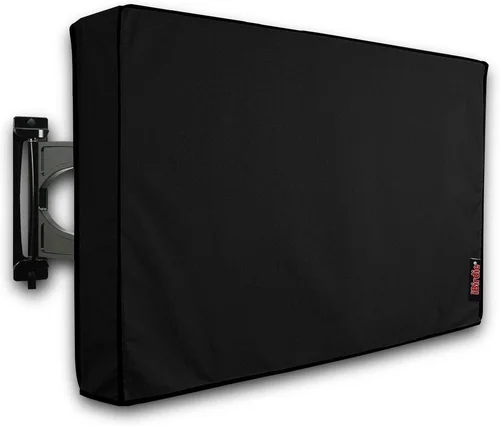
If you’re using an indoor TV on a covered patio, ensure it’s installed in a location that’s protected from rain, snow, and direct sunlight. Avoid placing it near sprinklers, grills, or high-humidity areas like pools or hot tubs. For semi-exposed areas, consider a weatherproof enclosure. These protective cases are designed to shield standard TVs from rain, dust, and UV damage while allowing ventilation to prevent overheating. Brands like Peerless, VIVO, and MantelMount offer enclosures compatible with most 32″ to 65″ TVs, priced between $150 and $300.
Another durability factor is the type of panel used. OLED TVs offer superior contrast and viewing angles but are more susceptible to burn-in and moisture damage, making them less ideal for outdoor use. LED-LCD panels, especially those with IPS or VA technology, are more durable and better suited for varied lighting conditions. VA panels offer deeper blacks and higher contrast, while IPS panels provide wider viewing angles—important if your patio seating is spread out.
4. Features & Functionality
Smart TV capabilities are now standard even in budget models, and they’re especially useful for outdoor setups. A built-in smart platform like Roku TV, Google TV, or webOS allows you to stream content directly without needing an external device. This is convenient for quick access to Netflix, YouTube, or live sports apps. Look for models with voice control support (via Alexa or Google Assistant) for hands-free operation—ideal when you’re grilling or hosting guests.
Connectivity is another key feature. Ensure the TV has multiple HDMI ports (at least two, preferably three), USB ports for media playback, and audio outputs for connecting external speakers. If you plan to use a cable box, game console, or streaming stick, having enough ports prevents the hassle of constant swapping. Some models also include Ethernet ports for wired internet, which can provide a more stable connection than Wi-Fi, especially in outdoor areas with weak signals.
Consider ease of use and remote functionality. Outdoor environments can make small remotes easy to lose, so look for TVs with backlit remotes or smartphone app control. Some brands offer dedicated outdoor remotes with larger buttons and better grip. Also, check if the TV supports screen mirroring or casting from mobile devices—this is great for sharing photos or videos during gatherings.
5. Brand Reputation
Not all TV brands are created equal, especially when it comes to reliability and customer support. Stick with well-known manufacturers that have a proven track record in the budget and mid-range segments. TCL, Hisense, Vizio, and Samsung consistently rank high in value and performance. These brands offer solid warranties, regular software updates, and accessible customer service.
Avoid obscure or off-brand models, even if they seem like a great deal. These TVs often use lower-quality components, lack software support, and may fail prematurely—especially in demanding outdoor conditions. Check professional reviews from trusted sources like RTINGS.com, CNET, or Wirecutter, as well as user feedback on retail sites like Amazon and Best Buy. Pay attention to comments about long-term durability, especially from users who’ve installed their TVs in similar environments.
Brand reputation also affects resale value and trade-in options. If you ever decide to upgrade, a TV from a reputable brand will hold its value better and be easier to sell or recycle. Additionally, established brands are more likely to honor warranties and provide replacement parts, which can be crucial if something goes wrong after a few years of outdoor use.
6. Warranty & Support
Warranty coverage is often overlooked but can save you hundreds in repair or replacement costs. Most budget TVs come with a standard one-year limited warranty, but some brands offer extended coverage or accidental damage protection for an additional fee. For outdoor use, where the risk of damage is higher, a longer warranty is worth considering.
Check what the warranty covers. Does it include damage from moisture, power surges, or overheating? Some manufacturers exclude “environmental damage” from standard warranties, which could leave you unprotected if your TV fails due to humidity or temperature extremes. If you’re using an indoor TV outdoors, the warranty may be voided if the manufacturer determines it was used in an unsuitable environment. Always read the fine print.
Customer support quality varies widely. Look for brands with responsive support teams, online troubleshooting guides, and local service centers. Samsung and LG, for example, have extensive service networks, while some budget brands rely on third-party repair shops. If you’re installing the TV yourself, ensure the brand offers clear setup instructions and mounting support. Some even provide free installation guides or video tutorials tailored to outdoor use.
7. Size & Portability
Screen size should match your viewing distance and patio layout. For most outdoor bars and patios, a 43″ to 55″ TV is ideal. Smaller screens (32″–40″) work well for intimate seating areas or covered porches, while larger screens (60″+) are better for open decks or commercial setups where viewers are farther away. Use a simple rule of thumb: your viewing distance (in inches) should be about 1.5 to 2.5 times the screen size. For example, if you’re sitting 8 feet (96 inches) away, a 40″ to 50″ TV is appropriate.
Portability matters if you plan to move the TV between indoor and outdoor spaces seasonally. Some users store their patio TV indoors during winter and bring it out in spring. In this case, a lighter, wall-mountable model is preferable. Look for TVs under 25 pounds for easier handling. If the TV will stay outdoors year-round, weight is less of a concern, but ensure the mounting hardware is secure and rated for outdoor use.
Consider the TV’s depth and bezel size. Slimmer profiles look more modern and take up less space, which is important in compact patio areas. Bezels (the frame around the screen) should be narrow to maximize screen real estate. Some budget models still have thick bezels, which can look dated and reduce the immersive experience.
8. User Reviews & Ratings
Never buy a TV based solely on specs or marketing claims. Real-world user reviews provide invaluable insights into how a TV performs over time, especially in non-standard environments like patios. Look for reviews that mention outdoor use, brightness in sunlight, durability, and ease of setup. Amazon, Best Buy, and Walmart customer reviews are particularly helpful because they often include photos and detailed experiences.
Pay attention to recurring complaints. If multiple users report the same issue—such as poor Wi-Fi connectivity, overheating, or remote malfunction—it’s likely a design flaw. Conversely, consistent praise for brightness, sound quality, or smart features is a good sign. Use tools like “Sort by most recent” to see how the TV holds up after several months of use.
Also check professional review sites for side-by-side comparisons and lab-tested data. Sites like RTINGS.com measure actual brightness, color accuracy, and input lag, giving you a clearer picture than manufacturer specs alone. Combine professional analysis with user feedback to make a well-rounded decision.
Different Types of Patio TVs

Common Buying Mistakes to Avoid
❌ Mistake: Buying a Standard Indoor TV for Full Outdoor Exposure
Why it’s bad: Indoor TVs are not designed to handle moisture, temperature extremes, or UV exposure. Even brief rain or high humidity can cause internal corrosion, screen fogging, or electrical failure. Using an indoor TV in an unprotected area voids most warranties and drastically shortens its lifespan.
What to do instead: Only use indoor TVs in fully covered, dry areas. If your patio is exposed, invest in a weatherproof enclosure or choose a semi-outdoor model. For maximum protection, go with a fully outdoor-rated TV.
❌ Mistake: Ignoring Brightness Requirements
Why it’s bad: A dim TV will be unwatchable in daylight, no matter how good the resolution or smart features are. Most indoor TVs simply can’t compete with sunlight, leading to a frustrating viewing experience.
What to do instead: Prioritize brightness (measured in nits). Aim for at least 500 nits, with 700+ being ideal. Look for models with anti-glare coatings and outdoor viewing modes. Test the TV in similar lighting conditions if possible.
❌ Mistake: Overlooking Mounting and Installation Needs
Why it’s bad: Improper mounting can lead to instability, water ingress, or even the TV falling. Outdoor mounts must be rated for weather resistance and secure anchoring.
What to do instead: Use a heavy-duty, weatherproof wall mount or ceiling bracket. Ensure it’s compatible with your TV’s VESA pattern and weight. Consider professional installation for peace of mind, especially for larger screens.
❌ Mistake: Skimping on Audio
Why it’s bad: Built-in TV speakers are often weak and easily drowned out by wind, traffic, or crowd noise. Poor audio ruins the experience, even with a great picture.
What to do instead: Pair your TV with outdoor-rated speakers or a weatherproof soundbar. Look for models with Bluetooth or wired audio outputs. Some enclosures include built-in speaker mounts for easy integration.
❌ Mistake: Not Planning for Power and Connectivity
Why it’s bad: Running extension cords across a patio is unsafe and unsightly. Weak Wi-Fi signals can cause buffering and disconnections.
What to do instead: Have a licensed electrician install a dedicated outdoor outlet near the TV. Use a Wi-Fi extender or mesh network to boost signal strength. Consider wired Ethernet for streaming devices.
❌ Mistake: Forgetting About Maintenance
Why it’s bad: Dust, pollen, and bird droppings can accumulate on the screen and vents, reducing performance and causing overheating.
What to do instead: Clean the screen regularly with a microfiber cloth and mild cleaner. Check vents and ports for debris. If using an enclosure, inspect seals and gaskets annually.
❌ Mistake: Buying Based Solely on Price
Why it’s bad: The cheapest TV may lack essential features, have poor build quality, or fail quickly outdoors. You could end up spending more on replacements.
What to do instead: Focus on value, not just cost. A slightly more expensive TV with better brightness, durability, and warranty may save money in the long run.
Budget Guidelines: How Much Should You Spend?
- Entry-Level ($200–$400): Best for fully covered patios or temporary use. Look for 32″–43″ indoor TVs from TCL or Hisense with basic smart features. Expect lower brightness (300–400 nits) and minimal weather resistance. Ideal for casual viewing under a roof or pergola.
- Mid-Range ($400–$800): The sweet spot for most buyers. You’ll find 43″–55″ 4K TVs with 500–700 nits brightness, HDR support, and reliable smart platforms. Pair with a weatherproof enclosure for semi-exposed areas. Great balance of performance, durability, and price.
- Premium ($800–$1,500): For dedicated outdoor entertainment. Includes semi-outdoor models with enhanced brightness, better build quality, and improved thermal management. Some models come with built-in heaters or coolers for extreme climates.
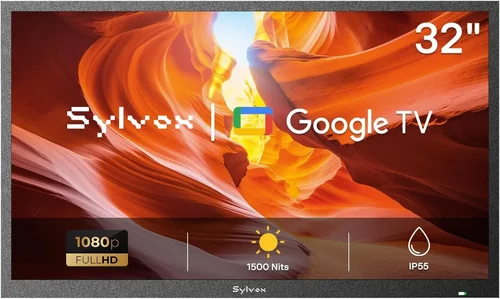
- Luxury ($1,500+): Fully outdoor-rated TVs from SunBrite, Samsung, or Peerless. These are built for year-round exposure, with IP55 or higher weatherproof ratings, 1,500+ nits brightness, and commercial-grade components. Best for exposed patios, pool decks, or high-end outdoor bars.
Expert Tips for Getting the Best Deal
- Shop during seasonal sales: Look for discounts in late summer (August–September) or post-holiday (January). Retailers often clear out outdoor electronics before winter.
- Compare online and in-store prices: Use price-matching policies at Best Buy or Costco. Online retailers like Amazon and Newegg often have lower prices, but check return policies.
- Consider refurbished or open-box models: Certified refurbished TVs from reputable sellers come with warranties and can save 20–40%. Open-box items are often like-new and deeply discounted.
- Bundle with accessories: Some retailers offer discounts when you buy a TV with a mount, enclosure, or soundbar. This can reduce overall cost.
- Check for rebates and promotions: Manufacturers sometimes offer mail-in rebates or gift cards with purchase. Sign up for newsletters to get early access to deals.
- Read return policies carefully: Ensure you can return the TV if it doesn’t perform well outdoors. Some retailers have restocking fees or short return windows.
- Test before finalizing: If possible, view the TV in person to assess brightness and color accuracy in daylight conditions.
- Invest in surge protection: Outdoor electronics are vulnerable to power surges. Use a high-quality outdoor surge protector to safeguard your investment.

Frequently Asked Questions
Q: Can I use a regular indoor TV on my patio?
A: Yes, but only if it’s fully protected from rain, snow, and direct sunlight. Use a weatherproof enclosure and install it under a covered area like a pergola or roof overhang. Avoid exposure to humidity and extreme temperatures.
Q: What’s the minimum brightness needed for outdoor viewing?
A: At least 500 nits for shaded areas, and 700+ nits for sunny patios. Anything below 400 nits will be difficult to see in daylight.
Q: Do I need a special mount for outdoor TVs?
A: Yes. Use a weatherproof, rust-resistant mount rated for outdoor use. Ensure it’s securely anchored to a stud or concrete wall.
Q: How do I protect my TV from rain and dust?
A: Use a certified outdoor enclosure with IP54 or higher rating. These cases seal the TV while allowing ventilation. Avoid DIY covers, as they can trap moisture.
Q: Can I leave my outdoor TV on all the time?
A: Not recommended. Continuous operation can cause overheating, especially in enclosures. Use a timer or smart plug to turn it off when not in use.
Q: Are outdoor TVs worth the extra cost?
A: If your TV is exposed to the elements, yes. Outdoor-rated models last longer and perform better. For covered areas, a protected indoor TV is a cost-effective alternative.
Q: What size TV is best for a small outdoor bar?
A: A 43″ to 50″ screen is ideal for most outdoor bars. It provides a great viewing experience without overwhelming the space.
Q: Can I connect a soundbar to an outdoor TV?
A: Yes, as long as the soundbar is weather-resistant or placed in a protected area. Use waterproof cables and connectors.
Q: How do I improve Wi-Fi signal for my outdoor TV?
A: Use a Wi-Fi extender, mesh network, or powerline adapter. For best results, run an Ethernet cable from your router to the TV area.
Q: What’s the lifespan of a patio TV?
A: Indoor TVs used outdoors typically last 3–5 years with proper protection. Fully outdoor-rated models can last 7–10 years or more.
Our Final Recommendations
- Best for Budget-Conscious Buyers: TCL 43S5400 43″ 4K Roku TV ($350). Excellent value with 500+ nits brightness, smart features, and compatibility with weatherproof enclosures.
- Best Overall Value: Hisense 50U6HF 50″ 4K ULED TV ($550). High brightness (700 nits), Dolby Vision, and strong outdoor performance when protected.
- Best Premium Option: SunBrite Veranda 55″ 4K Outdoor TV ($1,800). Fully weatherproof, 1,500 nits brightness, and built for year-round exposure.
- Best for Beginners: Vizio V-Series 40″ 4K Smart TV ($300). Simple setup, reliable performance, and easy to enclose for outdoor use.
- Best for Advanced Users: Samsung The Terrace 65″ Outdoor QLED ($3,200). Top-tier brightness, anti-reflective coating, and commercial-grade durability.
Conclusion: Making the Right Choice
Choosing a cheap patio TV doesn’t mean sacrificing quality or functionality. With the right knowledge, you can find a display that delivers excellent picture quality, withstands outdoor conditions, and fits your budget. Start by assessing your patio’s exposure level, then prioritize brightness, durability, and smart features. Avoid common pitfalls like using unprotected indoor TVs or ignoring audio needs. Whether you go with a budget indoor model in an enclosure or invest in a semi-outdoor TV, the key is matching the technology to your environment.
Remember, the best patio TV is one that enhances your outdoor experience without constant worry about damage or performance. Take your time, compare options, and don’t rush into a purchase. Use the tips and recommendations in this guide to make a confident, informed decision. Your perfect outdoor viewing setup is within reach—enjoy the show, rain or shine.

