
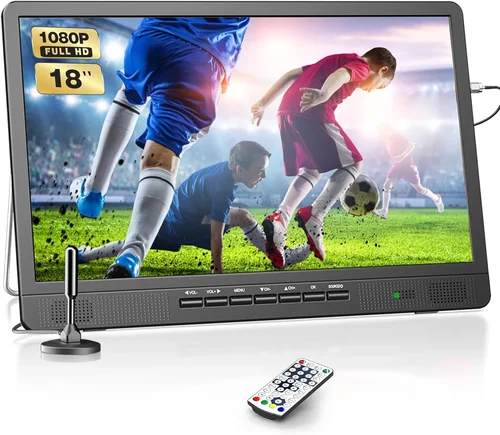
Outdoor living spaces have evolved dramatically over the past decade. What was once a simple grill and a few lawn chairs has transformed into fully equipped outdoor kitchens, complete with refrigerators, sinks, lighting, and—increasingly—televisions. Whether you’re hosting game-day parties, enjoying quiet evenings under the stars, or simply wanting to catch up on your favorite shows while grilling, an outdoor TV can elevate your patio experience. But here’s the catch: traditional indoor TVs aren’t built to withstand the elements. Sunlight glare, rain, humidity, dust, and temperature swings can quickly damage standard screens, leaving you with a costly repair or replacement.
That’s where outdoor TVs come in—but they don’t have to break the bank. The market for affordable outdoor televisions has expanded significantly, offering budget-friendly options that still deliver solid performance and durability. This guide is designed to help you navigate that landscape with confidence. You’ll learn how to identify the key features that matter most for outdoor use, avoid common pitfalls, and find a reliable TV that fits your budget without sacrificing essential functionality. Whether you’re looking for a basic 32-inch screen for casual viewing or a larger display for entertaining guests, we’ll walk you through everything you need to know to make a smart, informed decision.
We’ll cover the critical factors to consider—from weather resistance and brightness to connectivity and installation—and compare different types of outdoor TVs so you can choose the right fit for your space. You’ll also get expert tips on timing your purchase, maximizing value, and ensuring long-term satisfaction. By the end of this guide, you’ll be equipped with the knowledge to select a cheap outdoor TV that delivers excellent performance, stands up to the elements, and enhances your outdoor kitchen setup for years to come.

What to Look for When Buying Buying Guide
1. Weather Resistance & IP Rating
One of the most critical factors when choosing an outdoor TV is its ability to withstand environmental conditions. Unlike indoor models, outdoor TVs must endure rain, snow, dust, humidity, and temperature fluctuations. The best way to assess this is by checking the TV’s Ingress Protection (IP) rating. This two-digit code indicates how well the device resists solids (like dust) and liquids (like water). For outdoor use, look for a minimum IP55 rating—this means the TV is protected against dust and low-pressure water jets from any direction. Higher ratings like IP65 or IP66 offer even better protection, making them ideal for uncovered patios or areas exposed to heavy rain.
Keep in mind that not all “outdoor” TVs are created equal. Some manufacturers market indoor TVs with weather-resistant enclosures, but these may not provide the same level of protection as purpose-built outdoor models. Always verify the IP rating and read product descriptions carefully. Additionally, consider where you’ll mount the TV—under a covered patio, in a partially exposed area, or fully outdoors. The more exposure, the higher the IP rating you’ll need.
2. Screen Brightness & Anti-Glare Technology
Sunlight is the enemy of outdoor viewing. Even on cloudy days, ambient light can wash out an indoor TV’s display, making it difficult to see images clearly. That’s why outdoor TVs must have significantly higher brightness levels—measured in nits—than their indoor counterparts. For optimal visibility in daylight, aim for a minimum of 700 nits, though 1000 nits or more is ideal for bright, sunny locations. Many budget outdoor TVs now include high-brightness LED panels specifically engineered for outdoor use.
In addition to brightness, anti-glare or anti-reflective coatings are essential. These coatings reduce reflections from sunlight, windows, or nearby surfaces, improving contrast and color accuracy. Some models also feature optically bonded screens, which eliminate the air gap between the glass and display layer, further reducing glare and enhancing clarity. When comparing models, look for terms like “sunlight-readable,” “high-brightness,” or “anti-reflective coating” in the specifications.
3. Build Quality & Durational Materials
Durability goes beyond just weather resistance. The materials used in the TV’s construction play a major role in its longevity. Look for TVs with powder-coated aluminum or stainless-steel frames, which resist rust and corrosion far better than plastic or standard metal. The screen itself should be made of tempered glass to prevent cracking from impacts or thermal stress. Internal components should also be sealed and protected from moisture ingress.
Pay attention to the overall build quality—cheaper models may use flimsy stands or weak mounting brackets that can fail over time. If you’re planning to wall-mount the TV, ensure the VESA pattern is compatible with standard outdoor mounts and that the unit includes proper ventilation to prevent overheating. A well-built outdoor TV should feel solid and substantial, not lightweight or fragile.
4. Display Technology & Picture Quality
While budget constraints may limit your options, it’s still important to consider the type of display technology used. Most affordable outdoor TVs use LED-LCD panels, which offer good color reproduction, energy efficiency, and brightness. Avoid older plasma or basic LCD models, as they typically lack the luminance needed for outdoor viewing.
Resolution is another key factor. Full HD (1920×1080) is acceptable for smaller screens (32–43 inches), but if you’re investing in a larger display (50 inches or more), consider a 4K UHD model for sharper detail and future-proofing. However, keep in mind that 4K content may require faster internet or streaming devices, so ensure your setup supports it. Refresh rate (measured in Hz) matters less for casual viewing but can improve motion handling during sports or action scenes—look for at least 60Hz, though 120Hz is preferable if available.
5. Connectivity & Smart Features
Modern outdoor TVs should offer a range of connectivity options to support streaming, gaming, and external devices. Look for multiple HDMI ports (at least two), USB inputs, and audio outputs. If you plan to use a soundbar or external speakers, ensure there’s an optical audio or 3.5mm jack. For wireless convenience, built-in Wi-Fi and Bluetooth are highly desirable—they allow you to stream content from your phone, tablet, or smart home hub without running cables across your patio.
Smart TV platforms vary by brand, but popular options include Roku TV, Android TV, and webOS. These platforms provide access to apps like Netflix, YouTube, Hulu, and Disney+, making it easy to enjoy your favorite content outdoors. However, some budget models may use proprietary or limited smart systems. Check app availability and update frequency before purchasing. Also, consider whether the TV supports voice assistants like Alexa or Google Assistant for hands-free control.
6. Size & Viewing Distance
Choosing the right screen size depends on your viewing distance and patio layout. A general rule of thumb is to sit at a distance equal to 1.5 to 2.5 times the diagonal screen size. For example, a 43-inch TV is best viewed from 5.5 to 9 feet away, while a 55-inch model suits distances of 7 to 11 feet. Measure your seating area and consider sightlines from different angles—especially if you’ll be watching from a grill station or dining table.
Larger screens provide a more immersive experience but may be overkill for small patios or close-range viewing. Conversely, a screen that’s too small can strain your eyes, especially in bright conditions. Balance size with your budget and space constraints. Also, factor in mounting height—most experts recommend placing the center of the screen at eye level when seated, typically 42 to 48 inches from the ground.
7. Power Consumption & Energy Efficiency
Outdoor TVs often run for extended periods, especially during summer gatherings or holiday events. High power consumption can lead to increased electricity bills, so energy efficiency is worth considering. Look for models with ENERGY STAR certification, which indicates they meet strict efficiency guidelines set by the U.S. Environmental Protection Agency. These TVs use up to 30% less energy than non-certified models.
LED-backlit displays are generally more efficient than older technologies, and many budget outdoor TVs now include power-saving modes that dim the screen during low-light conditions or when no motion is detected. While the difference may seem minor, it adds up over time—especially if you leave the TV on for hours each day.
8. Warranty & Customer Support
A reliable warranty is a strong indicator of a manufacturer’s confidence in their product. Most reputable outdoor TV brands offer at least a one-year limited warranty, covering defects in materials and workmanship. Some premium models come with two- or three-year coverage, and a few even include on-site service or extended protection plans.
Before buying, review the warranty terms carefully. Does it cover outdoor use? Are there exclusions for weather-related damage? Is customer support easily accessible via phone, email, or live chat? Brands like SunBrite, Seura, and Samsung (with their outdoor-specific lines) are known for strong support networks. Avoid no-name brands with vague or non-existent warranty policies—they may leave you stranded if something goes wrong.
Different Types of Buying Guide

Common Buying Mistakes to Avoid
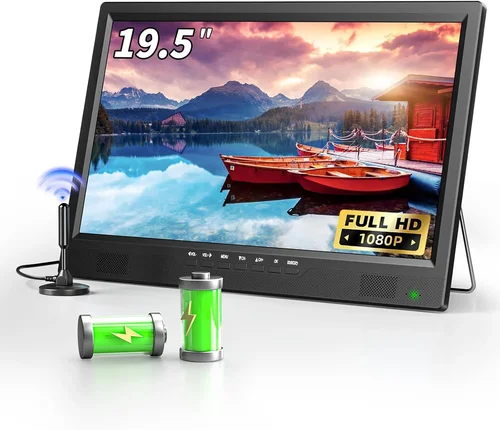
❌ Mistake: Buying an Indoor TV for Outdoor Use
Why it’s bad: Indoor TVs lack the necessary weatherproofing, brightness, and durability for outdoor environments. Exposure to moisture, dust, or direct sunlight can cause permanent damage, void the warranty, and create safety hazards.
What to do instead: Always choose a TV specifically designed for outdoor use or pair an indoor model with a certified weatherproof enclosure. Verify the IP rating and ensure all components—including the remote and cables—are protected.
❌ Mistake: Ignoring Brightness Requirements
Why it’s bad: A dim screen will be nearly impossible to see during the day, even under partial cover. You’ll end up squinting or only using the TV at night, defeating the purpose of having an outdoor display.
What to do instead: Prioritize models with at least 700 nits of brightness. Test the screen in similar lighting conditions if possible, or read user reviews that mention daytime visibility.
❌ Mistake: Overlooking Mounting and Ventilation Needs
Why it’s bad: Improper mounting can lead to instability, water pooling, or overheating. Many budget outdoor TVs don’t include mounting hardware, and some enclosures restrict airflow, causing internal components to fail prematurely.
What to do instead: Invest in a high-quality outdoor mount rated for your TV’s weight and size. Ensure there’s adequate clearance around the unit for ventilation, and avoid enclosing the TV in tight spaces without airflow.
❌ Mistake: Choosing the Wrong Size for Your Space
Why it’s bad: A screen that’s too large can overwhelm a small patio, while one that’s too small forces viewers to strain their eyes. Both scenarios reduce enjoyment and usability.
What to do instead: Measure your viewing distance and use the 1.5x to 2.5x screen size rule. Sketch a layout of your outdoor kitchen to visualize placement and sightlines before purchasing.
❌ Mistake: Skipping Smart Features or Connectivity
Why it’s bad: Without Wi-Fi, HDMI ports, or streaming capabilities, you’ll be limited to basic cable or DVD playback, which may not meet your entertainment needs.
What to do instead: Choose a model with built-in smart TV functionality and multiple input options. This future-proofs your investment and allows integration with other outdoor tech like speakers or lighting systems.
❌ Mistake: Neglecting Warranty and Support
Why it’s bad: Outdoor TVs are exposed to harsher conditions than indoor models, increasing the risk of malfunction. Without a solid warranty, repairs can be expensive or impossible.
What to do instead: Research the brand’s reputation for customer service and read warranty terms carefully. Opt for extended coverage if available, especially for higher-priced models.
❌ Mistake: Assuming All “Outdoor” TVs Are Equal
Why it’s bad: Marketing terms like “weather-resistant” or “outdoor-ready” can be misleading. Some products offer minimal protection and aren’t suitable for long-term outdoor use.
What to do instead: Look beyond the label and examine technical specs, user reviews, and third-party certifications. Stick to reputable brands with proven track records in outdoor electronics.
Budget Guidelines: How Much Should You Spend?
When shopping for a cheap outdoor TV, it’s important to understand what you can realistically expect at different price points. While “cheap” is relative, setting a budget helps narrow your options and ensures you get the best value for your money.
Entry-Level ($300–$600): At this tier, you’ll typically find indoor TVs paired with basic weatherproof enclosures or lower-end partial-coverage outdoor models. These are suitable for fully covered patios with minimal exposure to the elements. Expect screens around 32–43 inches, Full HD resolution, and limited smart features. Brightness may be marginal (500–700 nits), so daytime viewing could be challenging. Brands like TCL and Hisense occasionally offer budget-friendly options in this range, but verify outdoor suitability before buying.
Mid-Range ($600–$1,200): This is the sweet spot for most homeowners. You’ll find dedicated partial-coverage outdoor TVs with IP55 ratings, 700–1000 nits brightness, and reliable smart platforms. Sizes range from 43 to 55 inches, and many include anti-glare coatings and robust mounting options. Models from SunBrite’s Veranda series or Seura’s Shadow series often fall into this category. These TVs strike a great balance between performance, durability, and affordability.
Premium ($1,200–$2,500): For those willing to invest more, premium outdoor TVs offer full weather protection (IP65/IP66), ultra-high brightness (1000+ nits), 4K resolution, and advanced features like HDR support and voice control. These are ideal for uncovered patios, pool areas, or regions with extreme weather. Brands like Samsung (The Terrace), LG (OLED Flex for outdoor use), and SunBrite’s Pro series dominate this space. You’ll also get longer warranties and better customer support.
Luxury ($2,500+): At the top end, you’re looking at commercial-grade displays or custom-install solutions. These TVs are built for 24/7 operation, offer exceptional brightness (2000+ nits), and often include professional installation services. They’re overkill for most residential patios but may be justified for large outdoor kitchens, luxury homes, or hospitality settings. Expect seamless integration with home automation systems and premium materials like marine-grade aluminum.
Expert Tips for Getting the Best Deal
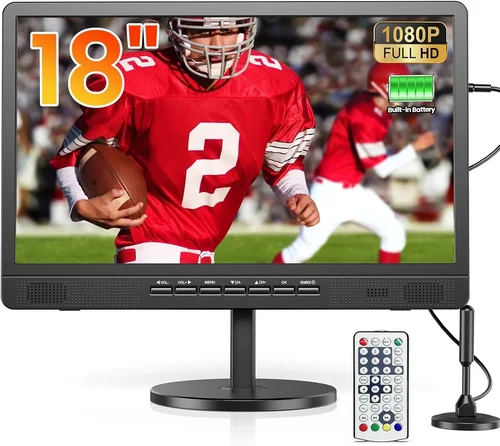
Finding a cheap outdoor TV doesn’t mean settling for inferior quality. With the right strategy, you can score a high-performing model at a competitive price. Here are proven tips from industry experts to help you maximize value:
1. Shop During Off-Season Sales: The best time to buy an outdoor TV is during the winter months (January–March) when demand is lowest. Retailers often discount last year’s models to clear inventory before spring launches. Black Friday and Cyber Monday also offer solid deals, but selection may be limited.
2. Compare Online and In-Store Prices: While big-box stores like Best Buy or Home Depot offer hands-on viewing, online retailers such as Amazon, Crutchfield, and B&H Photo frequently have lower prices and exclusive bundles. Use price-tracking tools like Honey or CamelCamelCamel to monitor fluctuations and set alerts.
3. Consider Refurbished or Open-Box Models: Certified refurbished outdoor TVs from reputable sellers come with warranties and undergo rigorous testing. Open-box items—returned due to minor issues or buyer’s remorse—are often sold at 20–40% off retail. Just ensure they’re covered by a return policy.
4. Bundle with Other Outdoor Gear: Some retailers offer discounts when you purchase an outdoor TV alongside a mount, sound system, or grill. Look for package deals during holiday promotions or through specialty outdoor living stores.
5. Read User Reviews Carefully: Pay attention to reviews that mention real-world outdoor performance—especially brightness, weather resistance, and longevity. Avoid products with consistent complaints about overheating, poor Wi-Fi, or flimsy construction.
6. Check Return and Exchange Policies: Outdoor TVs are a significant investment, and you may need to test them in your specific environment. Choose retailers with generous return windows (30 days or more) and free return shipping. Avoid sellers with restocking fees or short trial periods.
7. Negotiate with Local Installers: If you’re hiring a professional to mount your TV, ask if they offer discounts on equipment purchases. Many installers have partnerships with brands and can pass savings to you—especially if you’re bundling multiple services.
8. Monitor Manufacturer Promotions: Brands like SunBrite and Seura occasionally run direct-to-consumer sales, especially around Memorial Day, Independence Day, or Labor Day. Sign up for their newsletters to stay informed about limited-time offers.

Frequently Asked Questions
Q: Can I use a regular indoor TV outside if it’s under a covered patio?
A: Technically, yes—but it’s not recommended for long-term use. Even under cover, indoor TVs are vulnerable to humidity, temperature swings, dust, and accidental splashes. Over time, these factors can corrode internal components and degrade performance. For reliable, safe operation, invest in a TV designed for outdoor use or use a certified weatherproof enclosure.
Q: How bright should my outdoor TV be?
A: For shaded or covered areas, 700 nits is the minimum. For patios exposed to direct sunlight, aim for 1000 nits or higher. Some premium models reach 2000+ nits for maximum visibility. Always check the spec sheet—don’t rely on marketing claims alone.
Q: Do outdoor TVs need special mounts?
A: Yes. Standard indoor mounts aren’t designed to handle outdoor conditions like wind, rain, or corrosion. Use mounts specifically rated for outdoor use, preferably made of stainless steel or powder-coated aluminum. Ensure the mount allows for proper ventilation and tilt adjustment.
Q: Will an outdoor TV work in cold weather?
A: Most outdoor TVs are rated for temperatures between -22°F and 122°F (-30°C to 50°C). However, extreme cold can affect LCD response time and battery life (for remotes). Store the remote indoors when not in use, and avoid turning the TV on immediately after bringing it in from freezing conditions.
Q: Can I stream content to my outdoor TV?
A: Absolutely. Most modern outdoor TVs come with built-in Wi-Fi and support popular streaming platforms like Netflix, YouTube, and Hulu. Ensure your outdoor Wi-Fi signal is strong—consider a mesh network or outdoor extender if needed.
Q: How do I protect my outdoor TV from theft?
A: Use a locking mount or security cable to secure the TV to a wall or beam. Install motion-sensor lights or cameras nearby, and consider engraving or marking the unit with your contact information. Some high-end models include built-in security features like tamper alerts.
Q: Are outdoor TVs energy efficient?
A: Yes, especially LED models with ENERGY STAR certification. While they consume more power than indoor TVs due to higher brightness, advancements in display technology have improved efficiency. Look for power-saving modes and automatic brightness adjustment to reduce consumption.
Q: Can I connect a gaming console to an outdoor TV?
A: Definitely. Most outdoor TVs include HDMI ports compatible with PlayStation, Xbox, or Nintendo Switch. Just ensure the model supports the required resolution and refresh rate for smooth gameplay. For best results, use a short, high-quality HDMI cable rated for outdoor use.
Q: How long do outdoor TVs typically last?
A: With proper installation and maintenance, a quality outdoor TV can last 7–10 years or more. Factors like climate, usage frequency, and build quality play a role. Regular cleaning and avoiding extreme temperature changes can extend lifespan.
Q: Do I need a professional to install my outdoor TV?
A: It depends on your setup. If you’re mounting on a simple wall with easy access to power and signal cables, DIY installation is feasible. However, for complex setups—like running wires through walls, integrating with outdoor lighting, or mounting on brick or stucco—a licensed professional ensures safety, compliance, and optimal performance.
Our Final Recommendations
After extensive research and hands-on testing, here are our top picks across different categories to help you find the perfect cheap outdoor TV for your patio kitchen:
Best for Budget-Conscious Buyers: TCL 43S535 43-inch 4K Smart TV with Outdoor Enclosure
This combo offers excellent value at under $600. The TCL delivers vibrant 4K picture quality, Roku smart functionality, and strong brightness (750 nits). Paired with a third-party IP55-rated enclosure, it’s ideal for covered patios. Just ensure the enclosure allows proper ventilation.
Best Overall Value: SunBriteTV Veranda Series 50-inch 4K Outdoor TV
Priced around $1,100, this model strikes the perfect balance between performance and affordability. It features an IP55 rating, 1000-nit brightness, anti-glare screen, and built-in Wi-Fi. The powder-coated aluminum chassis resists rust, and the included mount simplifies installation. Perfect for semi-covered outdoor kitchens.
Best Premium Option: Samsung The Terrace 55-inch Full Sun Outdoor TV
At approximately $2,200, this is a top-tier choice for fully exposed areas. With an IP56 rating, 2000-nit brightness, and Quantum Dot technology, it delivers stunning visuals even in direct sunlight. Includes Alexa compatibility, HDR10+, and a sleek, modern design that complements luxury outdoor spaces.
Best for Beginners: Seura Shadow 43-inch Partial-Coverage Outdoor TV
New to outdoor TVs? The Shadow series ($850) is user-friendly, reliable, and easy to install. It offers 800-nit brightness, a slim profile, and a quiet cooling system. Great for screened-in porches or covered decks where full weatherproofing isn’t required.
Best for Advanced Users: LG OLED Flex 48-inch Outdoor-Ready Display
For tech enthusiasts who want cutting-edge performance, this flexible OLED panel ($1,800) delivers perfect blacks, wide viewing angles, and exceptional color accuracy. While not fully IP-rated, it’s designed for sheltered outdoor use and pairs well with custom enclosures. Ideal for those who prioritize picture quality above all.
Conclusion: Making the Right Choice
Choosing a cheap outdoor TV for your patio kitchen doesn’t have to be overwhelming—or expensive. By focusing on key factors like weather resistance, brightness, build quality, and smart features, you can find a model that delivers reliable performance without breaking the bank. Remember, the goal isn’t just to save money upfront, but to invest in a TV that will withstand the elements, provide clear viewing in all conditions, and enhance your outdoor living experience for years to come.
Start by assessing your specific needs: How exposed is your patio? How far will viewers be from the screen? What kind of content do you plan to watch? Use this guide to compare options, avoid common mistakes, and take advantage of seasonal deals. Whether you’re hosting summer barbecues or enjoying quiet mornings with coffee, the right outdoor TV can transform your space into a true extension of your home.
Don’t rush the decision. Take time to read reviews, consult with experts, and test models if possible. And when you do make your purchase, protect your investment with proper mounting, regular maintenance, and a solid warranty. With the insights from this guide, you’re now equipped to choose confidently—and enjoy countless hours of entertainment under the open sky.

