
Outdoor living spaces have evolved far beyond simple patios with a grill and a few chairs. Today’s patios are fully functional extensions of the home—complete with seating areas, lighting, sound systems, and yes, even televisions. Whether you’re hosting summer barbecues, watching the big game under the stars, or enjoying a quiet evening with a movie, having a TV on your patio can transform your outdoor experience. But not just any TV will do—especially if you live in a hot climate.
Standard indoor TVs aren’t built to withstand the elements. Heat, humidity, direct sunlight, dust, and temperature fluctuations can quickly degrade performance or cause permanent damage. That’s why choosing the right TV for your patio—particularly one that’s both affordable and built to handle high temperatures—is crucial. The good news? You don’t need to spend thousands to get a reliable, high-quality outdoor TV. With the right knowledge, you can find a budget-friendly option that delivers excellent picture quality, durability, and longevity, even in scorching summer heat.
This guide is designed to help you navigate the often-confusing world of outdoor TVs, with a special focus on finding affordable models that perform well in hot climates. Whether you’re in Arizona, Texas, Florida, or any other sun-drenched region, we’ll walk you through everything you need to know—from key features and performance specs to common pitfalls and expert buying tips. By the end, you’ll be equipped to make a smart, informed decision that fits your budget and enhances your outdoor lifestyle.

What to Look for When Buying Buying Guide
1. Heat Resistance & Thermal Management
One of the most critical factors when selecting a TV for a hot climate is its ability to resist heat and manage internal temperatures. Standard indoor TVs are typically rated for operating temperatures between 50°F and 95°F (10°C to 35°C). In contrast, outdoor TVs—especially those designed for full sun exposure—are engineered to function reliably in temperatures up to 122°F (50°C) or higher. This is achieved through enhanced cooling systems, heat-resistant components, and sealed enclosures that prevent overheating.
Look for models that explicitly state their operating temperature range. A TV rated for outdoor use should clearly indicate it can handle extreme heat. Some manufacturers use passive cooling (like heat sinks) while others incorporate active cooling (small fans), though fanless designs are often preferred to avoid dust buildup. Also, check for thermal protection features—these automatically shut down the TV if internal temperatures exceed safe limits, preventing damage.
For example, if you live in Phoenix or Las Vegas where summer highs regularly exceed 110°F, a TV with a high heat tolerance isn’t just a nice-to-have—it’s essential. Without it, your TV could overheat, shut down mid-movie, or suffer long-term component degradation.
2. Brightness & Anti-Glare Display
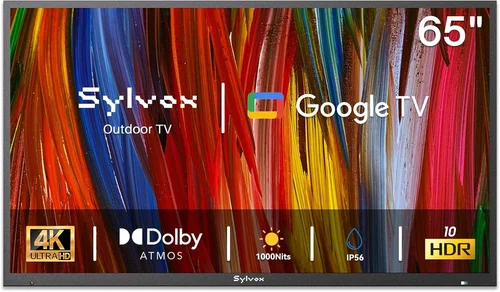
Outdoor viewing presents a unique challenge: ambient light. Even on a cloudy day, outdoor brightness can be 10 times greater than typical indoor lighting. This means a standard 300–400 nits indoor TV will appear washed out and nearly unwatchable in direct sunlight. For patios, you need a display with high brightness—ideally 700 nits or more, with 1000+ nits being optimal for full sun exposure.
Brightness is measured in nits (cd/m²), and outdoor TVs are specifically engineered with high-nit panels to combat glare. Additionally, look for anti-reflective or anti-glare coatings on the screen. These reduce the mirror-like effect of sunlight bouncing off the display, improving visibility. Some premium models even use optical bonding—a process where the glass is fused directly to the LCD layer—to minimize reflections and enhance clarity.
For instance, a TV with 1000 nits brightness and an anti-glare screen will deliver a crisp, vibrant image even at noon, while a 400-nit indoor TV will look dim and washed out. If your patio gets direct sunlight for several hours a day, prioritize brightness above all else.
3. Weatherproofing & IP Rating
Outdoor TVs must be built to resist not just heat, but also moisture, dust, and humidity. This is where the Ingress Protection (IP) rating comes into play. The IP rating consists of two digits: the first indicates protection against solid particles (like dust), and the second against liquids (like rain or splashes).
For patio use, an IP55 or higher rating is recommended. IP55 means the TV is protected from limited dust ingress and low-pressure water jets from any direction—ideal for covered patios. If your TV will be exposed to rain or sprinklers, consider IP65 or IP66 for full waterproofing. However, even with a high IP rating, it’s still wise to install the TV under a roof, pergola, or awning to extend its lifespan.
Also, check the build materials. Look for powder-coated aluminum or stainless steel enclosures, which resist rust and corrosion. Avoid plastic housings, which can warp or degrade under UV exposure. Sealed cable ports and weatherproof remote controls are also important for long-term durability.
4. Size & Viewing Distance
Choosing the right screen size depends on your patio layout and typical viewing distance. A TV that’s too small will be hard to see from a distance, while one that’s too large can overwhelm the space and strain your eyes.
As a general rule, multiply your viewing distance (in inches) by 0.84 to get the ideal screen size in inches. For example, if you’ll be sitting 10 feet (120 inches) away, a 100-inch screen (120 × 0.84) would be ideal. However, most patios don’t accommodate such large screens, so a 55-inch to 65-inch TV is usually the sweet spot for outdoor entertainment.
Consider the layout: if your seating is spread out or at an angle, a larger screen with wide viewing angles (like those with IPS panels) will ensure everyone gets a good view. Also, think about mounting options—wall mounts, ceiling mounts, or outdoor TV cabinets can help position the screen optimally while protecting it from the elements.
5. Smart Features & Connectivity
Even on a budget, you’ll want a TV that offers modern smart features. Most outdoor TVs now come with built-in Wi-Fi, streaming apps (like Netflix, YouTube, and Prime Video), and voice control via Alexa or Google Assistant. This eliminates the need for external streaming devices and simplifies setup.
Check the operating system: Roku TV, Android TV, and webOS are popular choices, each with their own app ecosystems and user interfaces. Roku is known for simplicity, while Android TV offers more customization. Also, ensure the TV has multiple HDMI ports (at least two), USB ports, and audio outputs for connecting soundbars, gaming consoles, or cable boxes.
For example, if you plan to stream live sports or use a Roku stick, make sure the TV supports the latest HDMI standards (HDMI 2.0 or 2.1) for 4K and HDR content. Some budget models may only support HDMI 1.4, which limits bandwidth and can cause lag or reduced resolution.
6. Power Efficiency & Energy Costs
Outdoor TVs often run for extended periods—during parties, movie nights, or background viewing—so energy efficiency matters. Look for models with Energy Star certification or low power consumption ratings (measured in watts). A more efficient TV not only reduces your electricity bill but also generates less heat, which is beneficial in hot climates.
For example, a 55-inch LED TV might consume 60–100 watts under normal use, while an older plasma or poorly designed model could draw 200+ watts. Over time, this difference adds up. Also, consider TVs with automatic brightness adjustment—these use ambient light sensors to dim the screen in low light, saving power and reducing eye strain.
Some manufacturers also offer solar-compatible models or low-voltage options for off-grid setups, though these are less common in budget ranges.
7. Mounting & Installation Flexibility
How and where you mount your TV can impact both performance and longevity. Most outdoor TVs are VESA-compatible, meaning they can be mounted on standard wall or ceiling brackets. However, outdoor mounting requires additional considerations: weatherproofing the mount, securing cables, and ensuring proper ventilation.
Look for TVs that come with or support outdoor-rated mounting kits. These often include sealed cable management systems and corrosion-resistant hardware. If you’re installing the TV yourself, ensure the wall or structure can support the weight—especially for larger screens.
Also, consider tilt and swivel features. A TV that can be angled toward the seating area improves viewing comfort and reduces glare. Some models even offer motorized mounts for remote adjustment.
8. Warranty & Customer Support
Outdoor TVs are an investment, and a solid warranty can provide peace of mind. Most reputable brands offer at least a 1-year limited warranty, but some extend coverage to 2 or 3 years, especially for outdoor-specific models. Check what’s covered: does it include heat damage, moisture ingress, or screen burn-in?
Also, research the brand’s customer support reputation. Are they responsive? Do they offer replacement parts? Can you get service in your area? Brands like SunBrite, Seura, and Samsung (with their outdoor models) are known for strong support, while lesser-known brands may leave you stranded if something goes wrong.
Finally, read the fine print. Some warranties are voided if the TV is installed in direct sunlight or without proper ventilation. Make sure you understand the terms before purchasing.
Different Types of Buying Guide

Common Buying Mistakes to Avoid
❌ Mistake: Buying a Standard Indoor TV for Outdoor Use
Why it’s bad: Indoor TVs lack the thermal management, weatherproofing, and brightness needed for outdoor environments. In hot climates, they can overheat, suffer screen burn, or fail prematurely due to humidity and dust. Even under a covered patio, temperature swings and ambient light can degrade performance.
What to do instead: Invest in a TV specifically designed for outdoor or semi-outdoor use. Look for models with high brightness (700+ nits), weather-resistant enclosures, and heat-resistant components. If budget is tight, consider an indoor TV in a weatherproof enclosure—but never use a standard TV exposed to the elements.
❌ Mistake: Ignoring the IP Rating
Why it’s bad: Without proper weatherproofing, moisture and dust can seep into the TV, causing corrosion, short circuits, or permanent damage. Even a light rain or morning dew can be enough to ruin an unprotected unit.
What to do instead: Always check the IP rating. For covered patios, IP55 is sufficient. For areas exposed to rain or sprinklers, aim for IP65 or higher. Also, ensure all cable connections are sealed and use outdoor-rated extension cords and surge protectors.
❌ Mistake: Overlooking Brightness Requirements
Why it’s bad: A dim TV will be nearly impossible to see in daylight, especially on sunny patios. You’ll end up squinting, adjusting angles, or only watching at night—defeating the purpose of an outdoor setup.
What to do instead: Prioritize brightness. Aim for at least 700 nits, with 1000+ nits for full sun exposure. Check reviews and specs carefully—some manufacturers exaggerate brightness claims. Look for real-world testing or user feedback on visibility in daylight.
❌ Mistake: Choosing the Wrong Size for Your Space
Why it’s bad: A TV that’s too small will be hard to see from a distance, while one that’s too large can dominate the space and cause eye strain. Poor sizing leads to frustration and wasted money.
What to do instead: Measure your viewing distance and use the 0.84 rule (distance in inches × 0.84 = ideal screen size). For most patios, 55–65 inches is ideal. Also, consider seating layout—angled or spread-out seating benefits from larger screens with wide viewing angles.
❌ Mistake: Skimping on Mounting and Installation
Why it’s bad: Improper mounting can lead to instability, water ingress, or poor ventilation. Using indoor mounts outdoors can result in rust, corrosion, or failure under wind load.
What to do instead: Use outdoor-rated mounting hardware and ensure the TV is installed with proper tilt and ventilation. Seal all cable ports and consider a weatherproof enclosure or cabinet for added protection. If unsure, hire a professional installer familiar with outdoor AV setups.
❌ Mistake: Not Checking Warranty Terms
Why it’s bad: Some warranties don’t cover outdoor use or are voided by improper installation. If your TV fails due to heat or moisture, you could be left with no recourse.
What to do instead: Read the warranty carefully. Ensure it covers outdoor conditions and understand what’s excluded. Choose brands with strong customer support and consider extended warranties if available.
❌ Mistake: Forgetting About Audio
Why it’s bad: Outdoor environments have ambient noise—wind, traffic, birds—that can drown out TV audio. Relying on built-in speakers often results in poor sound quality.
What to do instead: Pair your TV with outdoor speakers or a weatherproof soundbar. Look for models with Bluetooth or audio outputs for easy connection. Some outdoor TVs even come with built-in high-quality speakers designed for open spaces.
Budget Guidelines: How Much Should You Spend?
- Entry-Level ($400–$700): At this price point, you’ll find basic outdoor TVs or indoor models in weatherproof enclosures. Expect 55–65-inch screens with 700–1000 nits brightness, basic smart features, and IP55 ratings. These are ideal for covered patios with limited sun exposure. Brands like Vizio, TCL, and Hisense offer good value here, especially when paired with third-party enclosures.
- Mid-Range ($700–$1,200): This is the sweet spot for most buyers. You’ll get fully outdoor-rated TVs with 1000+ nits brightness, robust weatherproofing (IP65), advanced thermal management, and full smart functionality. Models from SunBrite (Veranda series), Samsung (The Terrace), and LG offer excellent performance and reliability. These TVs are built to last 5–7 years even in harsh climates.
- Premium ($1,200–$2,500): For enthusiasts and those with larger patios, premium models offer 4K HDR, ultra-bright displays (1500+ nits), commercial-grade durability, and advanced features like optical bonding and motorized mounts. These are ideal for full sun exposure and high-end outdoor entertainment systems.
- Luxury ($2,500+): Top-tier outdoor TVs from brands like Seura, SkyVue, or commercial-grade manufacturers offer 24/7 operation, vandal resistance, and custom installation options. These are overkill for most homeowners but perfect for hotels, restaurants, or luxury estates.
Expert Tips for Getting the Best Deal
- Shop During Off-Season: The best time to buy an outdoor TV is in late fall or winter (October–February). Retailers often discount summer inventory to make room for new models. You can save 20–30% during these periods.
- Compare Online and In-Store Prices: Online retailers like Amazon, Best Buy, and Crutchfield often have better deals and customer reviews. However, in-store purchases let you see the TV in person and ask questions. Use price-matching policies to your advantage.
- Look for Bundled Deals: Some retailers offer TV + mount + soundbar packages at a discount. These can save you $100–$200 compared to buying separately.
- Check for Open-Box or Refurbished Models: Certified refurbished outdoor TVs from reputable sellers often come with warranties and can be 20–40% cheaper. Just ensure they’re tested and include all original accessories.
- Read User Reviews Carefully: Pay attention to reviews from buyers in similar climates. Look for comments about heat performance, brightness, and long-term durability. Avoid models with recurring complaints about overheating or screen issues.
- Test Before Committing: If possible, visit a store to see how the TV performs in bright lighting. Check for glare, color accuracy, and smart interface responsiveness.
- Negotiate Installation: Some retailers offer free or discounted installation with purchase. Even if not advertised, it doesn’t hurt to ask—especially for higher-priced models.
- Consider Energy Rebates: In some regions, energy-efficient outdoor electronics qualify for utility rebates. Check with your local provider before buying.

Frequently Asked Questions
Q: Can I use a regular TV on my covered patio?
A: Technically yes, but it’s not recommended—especially in hot climates. Standard TVs aren’t built to handle temperature extremes, humidity, or dust. Over time, they can overheat, suffer component failure, or develop screen issues. For long-term reliability, invest in an outdoor-rated model or use a weatherproof enclosure.
Q: How hot is too hot for an outdoor TV?
A: Most outdoor TVs are rated for temperatures up to 122°F (50°C). If your area regularly exceeds this—such as in desert regions—look for models with enhanced cooling or consider shading the TV during peak heat. Never operate a TV in direct sunlight if it’s not specifically designed for it.
Q: Do outdoor TVs need special power outlets?
A: Not necessarily, but they should be connected to a GFCI (Ground Fault Circuit Interrupter) outlet for safety, especially in damp areas. Also, use a surge protector rated for outdoor use to protect against power spikes.
Q: Can I leave my outdoor TV on all the time?
A: Most outdoor TVs are designed for extended use, but continuous 24/7 operation can reduce lifespan. For home use, it’s fine to leave it on during events or evenings. For commercial use, choose a commercial-grade model built for constant operation.
Q: How do I clean an outdoor TV screen?
A: Use a soft, lint-free microfiber cloth and a mild cleaning solution (like distilled water or screen cleaner). Avoid ammonia-based cleaners or abrasive materials. Turn off and unplug the TV before cleaning, and never spray liquid directly on the screen.
Q: Are outdoor TVs worth the extra cost?
A: Absolutely—if you plan to use your patio regularly. The durability, brightness, and weather resistance justify the investment, especially in hot climates. A standard TV may fail within a year outdoors, while an outdoor model can last 5–7 years or more.
Q: Can I use a projector instead of a TV?
A: Projectors can work for outdoor movie nights, but they struggle in daylight and require a dark environment. For everyday use in bright conditions, a high-brightness outdoor TV is far more practical and reliable.
Q: Do I need a special remote for outdoor use?
A: Most outdoor TVs come with weather-resistant remotes. If yours doesn’t, consider a universal remote with a protective case or use a smartphone app for control.
Q: How long do outdoor TVs typically last?
A: With proper installation and maintenance, outdoor TVs can last 5–7 years or more. Factors like climate, usage, and build quality play a role. Regular cleaning and avoiding direct sun exposure can extend lifespan.
Q: Can I mount an outdoor TV on a brick or concrete wall?
A: Yes, but you’ll need masonry anchors and a sturdy mount. Ensure the wall can support the weight and that cables are properly routed and sealed. Consider hiring a professional for safe installation.
Our Final Recommendations
- Best for Budget-Conscious Buyers: TCL 6-Series (55″) in a weatherproof enclosure – At under $600, this 4K QLED TV offers excellent brightness (1000 nits) and smart features. Pair it with a sealed outdoor cabinet for full protection. Great value for covered patios.
- Best Overall Value: SunBriteTV Veranda Series (55″) – Priced around $1,100, this fully outdoor-rated TV delivers 1000+ nits brightness, IP55 rating, and robust thermal management. Ideal for hot climates and partial sun exposure.
- Best Premium Option: Samsung The Terrace (65″) – At $2,200, this 4K QLED outdoor TV features 2000 nits brightness, anti-glare coating, and smart functionality. Perfect for full sun patios and luxury setups.
- Best for Beginners: Hisense H8G (55″) with outdoor mount – A user-friendly 4K TV with 800 nits brightness and built-in Roku. Easy to set up and ideal for first-time outdoor TV buyers.
- Best for Advanced Users: Seura Shadow (65″) – A premium outdoor TV with 1500 nits brightness, motorized mounting, and custom installation options. Designed for tech-savvy users who want the best.
Conclusion: Making the Right Choice
Choosing the right TV for your patio—especially in a hot climate—requires careful consideration of heat resistance, brightness, weatherproofing, and long-term durability. While it’s tempting to cut corners with a cheap indoor model, the reality is that outdoor conditions demand specialized engineering. Investing in a TV built for the elements ensures you’ll enjoy crisp, vibrant viewing for years to come, whether you’re watching the sunset or the Super Bowl.
Remember, the cheapest option isn’t always the best value. A $500 indoor TV that fails after one summer costs more in the long run than a $1,000 outdoor model that lasts five. Prioritize your needs: if you have a covered patio with partial shade, a mid-range outdoor TV offers the best balance of price and performance. For full sun exposure, don’t compromise on brightness and thermal protection.
Use this guide as your roadmap. Compare models, read reviews, and don’t rush the decision. With the right TV, your patio can become the ultimate outdoor entertainment hub—cool, comfortable, and always ready for action. So go ahead, upgrade your space, and start enjoying the great outdoors—on the big screen.

