
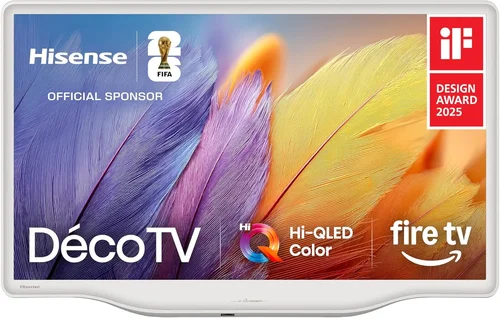
If you’ve ever tried to enjoy a movie night under the stars only to watch your TV’s screen fog up like a bathroom mirror after a hot shower, you already know the harsh reality of outdoor viewing in humid climates. Patio TVs aren’t just about convenience—they’re about survival in environments where heat, moisture, and unpredictable weather can turn a $500 investment into a paperweight in under a year. Whether you’re lounging by the pool in Florida, hosting backyard barbecues in Louisiana, or sipping coffee on a covered deck in Seattle, choosing the right TV for your outdoor space is critical. And when you’re on a budget? The challenge intensifies.
This comprehensive buying guide is designed specifically for homeowners, renters, and outdoor enthusiasts who want reliable, affordable entertainment without sacrificing durability or performance. We’ll walk you through every essential factor—from weather resistance and screen brightness to smart features and long-term value—so you can make an informed decision that stands up to humidity, rain, and even the occasional rogue splash. By the end of this guide, you’ll know exactly what to look for, what to avoid, and how to stretch your dollar without compromising on quality. The market for outdoor TVs has evolved rapidly, with more affordable options than ever before, but not all “cheap” TVs are created equal. Some cut corners on build quality, while others promise weatherproofing but fail under real-world conditions. Our goal is to help you navigate this landscape with confidence.

What to Look for When Buying Buying Guide
1. Weather Resistance & IP Rating
When it comes to patio TVs, especially in humid areas, weather resistance isn’t optional—it’s the foundation of everything. Humidity alone can corrode internal components, warp casings, and degrade screen performance over time. But when you add rain, morning dew, or even high ambient moisture from a nearby pool or lake, the risk multiplies. That’s why the Ingress Protection (IP) rating is your first and most important checkpoint.
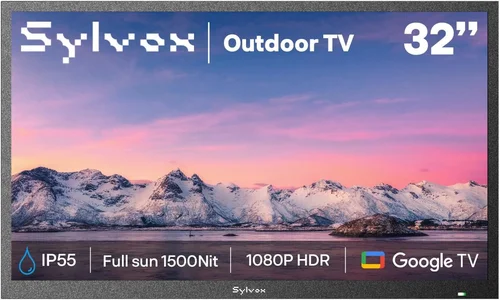
The IP rating consists of two digits: the first indicates protection against solid particles (like dust), and the second measures resistance to liquids. For outdoor use in humid environments, look for a minimum of IP54—this means the TV is protected against splashing water from any direction and limited dust ingress. However, if your patio is partially exposed or you live in a region with frequent rain, aim for IP55 or higher. IP55 offers protection against low-pressure water jets, which is ideal for covered patios with occasional exposure.
But here’s the catch: many budget TVs claim “weather-resistant” or “outdoor-ready” without specifying an IP rating. Avoid these vague claims. Instead, look for models that explicitly state their IP certification. For example, the SunBriteTV Veranda series offers IP55 ratings across its lineup, while more affordable options like the Seura Shade series also meet this standard. Even cheaper models from brands like Sylvane or Outdoor TV Direct often carry IP54 or IP55 ratings, making them viable for covered spaces.
Also consider the materials used in the TV’s construction. Aluminum or powder-coated steel housings resist rust and corrosion far better than plastic, which can become brittle in extreme temperatures. Sealed ports, rubber gaskets around buttons, and anti-condensation coatings on internal circuits are additional features that enhance longevity. In humid climates, condensation can form inside the TV when temperatures drop at night—look for models with internal heaters or moisture-wicking materials to prevent this.
2. Screen Brightness & Anti-Glare Technology
You can have the most rugged TV on the market, but if you can’t see the screen in daylight, it’s practically useless. Brightness is arguably the second-most important factor after weather resistance, especially for patios that get direct or indirect sunlight. Standard indoor TVs typically range from 250 to 400 nits (a unit of luminance), which is fine for a dim living room but completely inadequate outdoors.
For outdoor use, especially in humid areas where haze and moisture can scatter light, you need a minimum of 700 nits. However, for patios with partial shade or morning/evening sun, 1000 nits or higher is ideal. Some premium outdoor TVs go as high as 2500 nits—perfect for full sun exposure. But here’s the trade-off: higher brightness usually means higher cost and greater power consumption. Budget models often cap out around 700–1000 nits, which is still sufficient for most covered patios.
Equally important is anti-glare technology. A matte or anti-reflective coating on the screen reduces mirror-like reflections from the sun or nearby lights. Without it, even a bright screen can become unreadable when sunlight hits it at certain angles. Look for terms like “anti-glare,” “anti-reflective,” or “low-reflection” in the product specs. Some brands, like SunBriteTV, use specialized optical filters that not only reduce glare but also enhance color accuracy in bright conditions.
Another consideration is viewing angle. Outdoor seating often means people are spread out—some directly in front, others at sharp angles. A TV with wide viewing angles (178 degrees or more) ensures consistent color and contrast no matter where you’re sitting. IPS (In-Plane Switching) panels generally offer better viewing angles than VA (Vertical Alignment) panels, though they may have slightly lower contrast ratios.
Finally, consider ambient light sensors. These automatically adjust screen brightness based on surrounding light levels, saving energy during the day and reducing eye strain at night. While not essential, this feature adds convenience and can extend the TV’s lifespan by preventing unnecessary strain on the backlight.
3. Build Quality & Durability
A cheap TV might save you money upfront, but if it cracks, warps, or fails after one humid summer, you’ve wasted your investment. Build quality separates short-term fixes from long-term solutions. Start by examining the chassis material. As mentioned earlier, metal housings (especially aluminum) are far superior to plastic in humid environments. Plastic can absorb moisture, leading to warping, discoloration, or even mold growth inside the casing.
Look for reinforced corners, sealed seams, and tamper-resistant screws. These details may seem minor, but they prevent moisture from seeping into vulnerable areas like the power supply or circuit boards. Also check the mounting system. A sturdy VESA-compatible mount (typically 200×200 or 400×400) ensures the TV stays secure, even in windy conditions. Some outdoor TVs come with proprietary mounting kits designed to withstand vibration and movement.
Internal components matter too. Capacitors, resistors, and circuit boards in budget TVs are often not rated for high humidity or temperature fluctuations. Over time, this can lead to corrosion, short circuits, or premature failure. Brands that specialize in outdoor electronics—like Seura, SunBriteTV, or Peerless-AV—use industrial-grade components designed to operate in extreme conditions. Even their more affordable models incorporate these elements.
Temperature tolerance is another key factor. Humid areas often experience wide temperature swings—hot days and cool, damp nights. A good outdoor TV should operate reliably between -22°F and 122°F (-30°C to 50°C). Check the manufacturer’s operating temperature range before buying. If it’s not listed, that’s a red flag.
Finally, consider the warranty. A longer warranty often reflects confidence in build quality. While budget models may offer only 1-year coverage, reputable outdoor TV brands typically provide 2–3 years, sometimes with optional extended plans. This not only protects your investment but also gives you peace of mind.
4. Smart Features & Connectivity
Just because you’re buying a budget TV doesn’t mean you have to sacrifice modern conveniences. Smart features like built-in Wi-Fi, streaming apps (Netflix, YouTube, Disney+), and voice control can transform your patio into a full-fledged entertainment hub. However, not all smart TVs are created equal—especially when it comes to outdoor use.
First, ensure the TV runs a reliable operating system. Android TV, Roku TV, and webOS are the most common and user-friendly platforms. Avoid obscure or outdated systems that may lack app support or regular updates. Also, check for regular firmware updates—these are crucial for security and performance, especially in humid environments where overheating can cause software glitches.
Connectivity is equally important. Look for multiple HDMI ports (at least two), USB inputs, and audio outputs. If you plan to connect a soundbar, gaming console, or streaming device, you’ll need flexibility. Some budget outdoor TVs skimp on ports to cut costs, so verify the specs carefully. Also, consider wireless options like Bluetooth for headphones or speakers—this reduces cable clutter and potential moisture entry points.
One often-overlooked feature is remote control durability. Standard remotes aren’t built for outdoor use—they can degrade in sunlight or fail when exposed to moisture. Look for models with weather-resistant remotes or consider purchasing a universal remote with a protective case. Alternatively, use your smartphone as a remote via the TV’s app.
Finally, think about future-proofing. While 4K resolution is standard even on budget models, ensure the TV supports HDR (High Dynamic Range) for better color and contrast. HDMI 2.0 or higher is recommended for 4K@60Hz content. If you plan to use the TV for gaming, look for low input lag (under 20ms) and support for variable refresh rate (VRR).
5. Size & Viewing Distance
Choosing the right screen size isn’t just about preference—it’s about optimizing your viewing experience based on distance and ambient conditions. For patios, the ideal size depends on how far your seating area is from the TV and how much of the screen you want to fill your field of vision.
A general rule of thumb: for every 1 foot (30 cm) of viewing distance, you should have about 1 inch (2.5 cm) of screen size. So, if your seating is 8 feet away, a 55-inch TV is ideal. For 10 feet, go with 65 inches. However, outdoor environments often have more ambient light and potential glare, so slightly larger screens can help maintain clarity.
But don’t go overboard. A 75-inch TV might look impressive, but if your patio is small or partially shaded, it could be overwhelming. Also, larger screens consume more power and may require stronger mounting hardware. Budget models often max out at 65 inches, which is usually sufficient for most patios.
Consider the TV’s bezel (the frame around the screen). Thinner bezels provide a more immersive experience and take up less wall space. However, outdoor TVs often have thicker bezels for added durability and weather sealing. This is a trade-off—durability over aesthetics.
If space is limited, consider a portable or semi-portable option. Some budget outdoor TVs come with built-in stands or lightweight designs that allow you to move them between the patio and garage. Just ensure they’re still weather-resistant when used outdoors.
6. Brand Reputation & Customer Support
When you’re spending money on a specialized product like an outdoor TV, brand reputation matters. Established brands with a history of outdoor electronics are more likely to deliver reliable, well-supported products. SunBriteTV, for example, has been a leader in outdoor displays for over a decade, while Seura specializes in weather-resistant TVs and mirrors.
But you don’t need to break the bank to get quality. Brands like Sylvane, Outdoor TV Direct, and Peerless-AV offer budget-friendly options with solid track records. Check customer reviews on trusted sites like Amazon, Best Buy, or Home Depot. Look for patterns—consistent complaints about moisture damage or poor brightness are red flags.
Customer support is another critical factor. If something goes wrong, you want a company that responds quickly and offers real solutions. Check if the brand provides phone, email, and live chat support. Also, verify whether they have service centers in your area or offer mail-in repairs.
Warranty terms are part of this equation. A 1-year warranty is standard, but 2–3 years is better, especially for outdoor use. Some brands even offer on-site service for an additional fee. Read the fine print—some warranties exclude damage from “environmental factors,” which could void coverage if your TV fails due to humidity.
Finally, consider third-party certifications. Look for Energy Star ratings (for efficiency), FCC compliance (for safety), and UL listing (for electrical safety). These aren’t guarantees of performance, but they indicate the product has been tested to meet basic standards.
7. Warranty & Return Policy
A strong warranty and flexible return policy can save you from buyer’s remorse. Outdoor TVs are a significant investment, and even the best models can have defects or fail to meet expectations. Most reputable brands offer at least a 1-year limited warranty covering manufacturing defects. However, this often excludes damage from improper installation, power surges, or environmental exposure—so read the terms carefully.
Some brands, like SunBriteTV, offer extended warranties (up to 3 years) for an additional cost. This can be worth it if you live in a high-risk area. Also, check if the warranty is transferable—this adds value if you ever sell the TV.
Return policies vary by retailer. Amazon typically offers 30-day returns, while Best Buy and Home Depot may have shorter windows. If you’re buying directly from the manufacturer, confirm their return process—some require you to pay return shipping, which can be costly for large TVs.
Before purchasing, ask: Can I return the TV if it doesn’t perform well in my specific environment? Some retailers offer trial periods or satisfaction guarantees, especially for outdoor products. This is rare but valuable.
8. User Reviews & Real-World Performance
Specs and marketing claims can only tell you so much. Real user reviews provide insights into how a TV performs in actual humid conditions. Look for reviews from buyers in similar climates—Florida, Texas, Southeast Asia, etc. Pay attention to comments about:
- Screen visibility in sunlight
- Durability after 6–12 months of use
- Ease of installation
- Reliability of smart features
- Customer service experiences
Be wary of overly positive reviews that lack detail—they may be fake. Instead, focus on balanced reviews that mention both pros and cons. Also, check video reviews on YouTube, where you can see the TV in action outdoors.
Finally, consider joining online forums or Facebook groups dedicated to outdoor living. Members often share honest feedback and recommendations based on long-term use.
Different Types of Buying Guide

Common Buying Mistakes to Avoid
❌ Mistake: Buying a Standard Indoor TV for Outdoor Use
Why it’s bad: Indoor TVs lack weatherproofing, have low brightness, and use materials that degrade in humidity. They’re not designed for temperature swings or moisture exposure.
What to do instead: Invest in a TV specifically rated for outdoor or covered patio use, even if it costs more upfront. The long-term savings on replacements outweigh the initial expense.
❌ Mistake: Ignoring the IP Rating
Why it’s bad: Without a proper IP rating, you have no guarantee the TV can handle moisture. Vague terms like “weather-resistant” mean nothing.
What to do instead: Always check for a certified IP rating (IP54 or higher) and verify it with the manufacturer or retailer.
❌ Mistake: Overlooking Screen Brightness
Why it’s bad: A dim screen becomes unwatchable in daylight, ruining your outdoor experience.
What to do instead: Choose a TV with at least 700 nits, preferably 1000+ for sunny patios. Test brightness in person if possible.
❌ Mistake: Skimping on Mounting Hardware
Why it’s bad: Weak mounts can fail in wind or vibration, damaging the TV or causing injury.
What to do instead: Use a heavy-duty, weather-resistant mount rated for your TV’s size and weight. Consider professional installation.
❌ Mistake: Not Planning for Power and Cables
Why it’s bad: Exposed cables can corrode or become tripping hazards. Improper power sources can damage the TV.
What to do instead: Use outdoor-rated extension cords, cable conduits, and GFCI outlets. Keep connections elevated and covered.
❌ Mistake: Forgetting About Audio
Why it’s bad: Built-in TV speakers are often weak and muffled outdoors.
What to do instead: Pair your TV with outdoor speakers or a weather-resistant soundbar for better audio quality.
❌ Mistake: Buying Without Reading Reviews
Why it’s bad: Marketing claims don’t always reflect real-world performance.
What to do instead: Read detailed user reviews from buyers in similar climates and check video demonstrations.
Budget Guidelines: How Much Should You Spend?
- Entry-Level ($300 – $600): These are typically indoor TVs in outdoor enclosures or basic covered patio models. Expect limited brightness (500–700 nits), minimal weatherproofing, and shorter lifespans. Best for temporary or low-exposure use.
- Mid-Range ($600 – $1,200): The sweet spot for most buyers. These TVs offer IP54 or IP55 ratings, 700–1000 nits brightness, and decent smart features. Ideal for covered patios in humid areas.
- Premium ($1,200 – $2,500): For enthusiasts who want top-tier brightness (1500+ nits), superior build quality, and advanced features like HDR, wide viewing angles, and robust warranties.
- Luxury ($2,500+): All-weather models designed for full exposure. Built with military-grade components, extreme temperature tolerance, and professional installation support.
Expert Tips for Getting the Best Deal
- Buy during off-seasons: Prices drop in late fall and winter when outdoor demand is low.
- Check retailer promotions: Best Buy, Home Depot, and Amazon often run sales around Memorial Day, July 4th, and Black Friday.
- Consider refurbished models: Certified refurbished outdoor TVs from reputable brands can save 20–30% with full warranties.
- Bundle with accessories: Some retailers offer discounts when you buy a TV with a mount, soundbar, or cables.
- Negotiate with local dealers: Independent electronics stores may offer price matching or installation deals.
- Use credit card rewards: Many cards offer cashback or points for electronics purchases.
- Read the return policy: Ensure you can return the TV if it doesn’t meet your needs.
- Test before finalizing: If possible, visit a store to see the TV in bright lighting conditions.

Frequently Asked Questions
Q: Can I use a regular TV on my covered patio?
A: Technically yes, but it’s not recommended. Without proper weatherproofing, humidity and temperature swings can damage the TV within months. Use an outdoor-rated model or a protective enclosure.
Q: How do I protect my TV from rain?
A: Always install it under a covered area with at least 3–4 feet of overhang. Use a weatherproof cover when not in use, and ensure all cables are sealed.
Q: Do outdoor TVs use more electricity?
A: Yes, due to higher brightness and internal cooling. Look for Energy Star-rated models to reduce consumption.
Q: Can I mount an outdoor TV on a brick wall?
A: Yes, but use masonry anchors and a heavy-duty mount. Consider hiring a professional for safety.
Q: What’s the difference between IP54 and IP55?
A: IP54 protects against splashing water; IP55 protects against low-pressure water jets. IP55 is better for areas with occasional rain.
Q: How long do outdoor TVs last?
A: With proper care, 5–7 years is typical. Higher-end models can last 8–10 years.
Q: Can I use my smartphone as a remote?
A: Yes, most smart outdoor TVs support companion apps for iOS and Android.
Q: Are outdoor TVs worth the cost?
A: If you use your patio frequently, yes. The durability and performance justify the investment.
Q: Do I need a special antenna for outdoor TV?
A: Not necessarily. Most outdoor TVs support standard over-the-air antennas, but a amplified outdoor antenna improves reception.
Q: Can I leave my outdoor TV on all the time?
A: It’s not recommended. Turn it off when not in use to extend lifespan and save energy.
Our Final Recommendations
- Best for Budget-Conscious Buyers: Sylvane 55″ Covered Patio TV – IP55-rated, 800 nits, smart features, under $700.
- Best Overall Value: SunBriteTV Veranda 55″ – Excellent brightness, durable build, 3-year warranty, around $1,200.
- Best Premium Option: Seura Shade 65″ – 1500 nits, anti-glare, sleek design, $1,800.
- Best for Beginners: Outdoor TV Direct 50″ Basic Model – Simple setup, reliable performance, $550.
- Best for Advanced Users: Peerless-AV Xtreme 75″ – All-weather, 2500 nits, professional-grade, $3,500.
Conclusion: Making the Right Choice
Choosing the right TV for your humid-area patio doesn’t have to be overwhelming. By focusing on weather resistance, brightness, build quality, and real-world performance, you can find a model that delivers great value without breaking the bank. Remember: the cheapest option isn’t always the best long-term investment. Prioritize durability and functionality, and don’t hesitate to spend a little more for peace of mind.
Take your time, read reviews, compare specs, and consider your specific environment. Whether you’re watching the sunset with a glass of wine or hosting a movie night under the stars, the right TV will enhance your outdoor experience for years to come. Happy viewing!

