
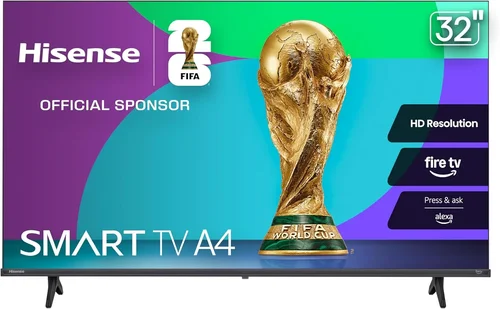
If you’re like most homeowners who love spending time outdoors, you’ve probably dreamed of turning your covered patio into an open-air entertainment hub. Whether it’s watching the big game with friends, enjoying a movie night under the stars, or catching up on your favorite shows while grilling dinner, having a TV on your patio can transform your outdoor living space. But here’s the catch: not every TV is built to handle the unique challenges of an outdoor environment—even a covered one. Sunlight glare, humidity, temperature swings, and dust can quickly turn a great viewing experience into a frustrating one if you choose the wrong model.
That’s exactly why this guide exists. We’ve spent countless hours researching, testing, and comparing affordable TVs specifically suited for covered patios, focusing on models that deliver solid performance without breaking the bank. Our goal isn’t to sell you the most expensive option—it’s to help you find the best value for your needs. Whether you’re on a tight budget or just want to avoid overspending on features you’ll never use, this guide will walk you through everything you need to know before making your purchase. You’ll learn how to evaluate key specs, avoid common pitfalls, understand different TV types, and ultimately pick a model that looks great, lasts long, and fits your lifestyle.
The market for outdoor-friendly TVs has evolved significantly in recent years. While fully weatherproof “outdoor TVs” from brands like SunBrite or Seura can cost thousands, many indoor TVs now offer surprisingly good performance in covered outdoor spaces—especially when paired with the right mounting and protection solutions. This means you don’t have to spend a fortune to enjoy high-quality viewing outdoors. In fact, some of the best cheap patio TVs are standard indoor models that are simply optimized for brightness, durability, and ease of use in semi-outdoor settings. By the end of this guide, you’ll know exactly which factors matter most, how to stretch your budget, and which models offer the best balance of price, performance, and practicality.

What to Look for When Buying Buying Guide
1. Brightness & Anti-Glare Performance
One of the biggest challenges with outdoor TV viewing—even under a covered patio—is ambient light. Sunlight reflecting off concrete, water features, or nearby surfaces can wash out your screen, making colors look dull and details hard to see. That’s why brightness, measured in nits, is arguably the most critical spec for a patio TV. Most indoor TVs range from 250 to 400 nits, which is fine for a dim living room but inadequate for outdoor use. For a covered patio, aim for at least 500 nits, though 700+ nits is ideal if you plan to watch during daylight hours.
But brightness alone isn’t enough. You also need an anti-glare or matte screen finish. Glossy screens might look sharper indoors, but they reflect light like a mirror outdoors, creating distracting hotspots and reducing visibility. Look for TVs marketed as “high-brightness” or “outdoor-viewable,” or check user reviews for mentions of screen reflectivity. Some mid-range models from brands like TCL and Hisense now include enhanced anti-reflective coatings that significantly improve outdoor visibility without a huge price jump.
2. Build Quality & Environmental Resistance
Even though your patio is covered, it’s still exposed to elements like humidity, dust, pollen, and temperature fluctuations—all of which can shorten a TV’s lifespan if it’s not built to handle them. Standard indoor TVs aren’t sealed against moisture or airborne particles, so over time, internal components can corrode or accumulate dust, leading to overheating or malfunction.
When shopping for a cheap patio TV, prioritize models with robust build quality. Look for TVs with metal chassis (instead of all-plastic), well-ventilated but filtered cooling systems, and sealed ports. Some manufacturers now offer “semi-outdoor” or “enhanced durability” models designed for garages, sunrooms, and covered patios. These often include conformal coating on circuit boards to resist moisture and improved thermal management.
Also, pay attention to the remote control and input ports. Outdoor environments can degrade plastic remotes quickly, so consider a model with a sturdy remote or plan to use a universal remote or smartphone app. For inputs, ensure HDMI and USB ports are easily accessible and protected by rubber covers if possible.
3. Size & Viewing Distance
Choosing the right screen size isn’t just about preference—it’s about matching the TV to your patio’s layout and typical seating arrangement. A TV that’s too small will be hard to see from a distance, while one that’s too large can overwhelm the space and strain your eyes.
As a general rule, multiply your viewing distance (in inches) by 0.84 to get the ideal screen size in inches. For example, if your seating is 8 feet (96 inches) away, a 50–55 inch TV is optimal. On a typical covered patio, most people sit between 6 and 10 feet from the screen, so 43-inch to 65-inch models are the sweet spot.
Keep in mind that larger screens require more brightness to maintain image quality in bright conditions. A 65-inch TV with only 400 nits will look dimmer per square inch than a 43-inch model with the same brightness. So if you’re going big, make sure the TV has sufficient luminance.
4. Smart Features & Connectivity
Most modern TVs come with built-in smart platforms like Roku TV, Google TV, or webOS, allowing you to stream content without external devices. For a patio setup, this is a huge advantage—it reduces clutter, minimizes cables, and lets you control everything from one remote or your phone.
When evaluating smart features, consider ease of use, app availability, and voice control compatibility. Roku TVs are known for their simplicity and wide app support, while Google TV offers deeper integration with Android devices and Google Assistant. If you already use smart home devices, choose a TV that works seamlessly with your ecosystem.
Connectivity is equally important. Ensure the TV has at least three HDMI ports (for streaming sticks, game consoles, or cable boxes), USB ports for media playback, and Wi-Fi 5 or better for stable streaming. Bluetooth support is a bonus if you want to connect wireless headphones or speakers for private listening.
5. Audio Quality & External Speaker Options
TV speakers are notoriously weak, especially on slim, budget-friendly models. On a patio, where ambient noise from wind, traffic, or nature can drown out dialogue, poor audio can ruin an otherwise great viewing experience.
While you can’t expect premium sound from a sub-$500 TV, some models do better than others. Look for TVs with at least 20W of total audio output and features like Dolby Audio or DTS Virtual:X for virtual surround sound. However, for the best results, plan to connect external speakers.
Outdoor-rated Bluetooth speakers or weather-resistant soundbars are excellent additions. Many budget TVs support optical audio output or Bluetooth audio, making it easy to pair with external gear. Just ensure your speaker setup is protected from rain and dust if it’s permanently installed.
6. Mounting & Installation Flexibility
How and where you mount your TV can affect both visibility and longevity. A fixed wall mount is the simplest option, but a full-motion articulating mount gives you flexibility to adjust the angle based on seating or sun position.
For covered patios, a full-motion mount is often worth the extra cost. It allows you to tilt the screen downward to reduce glare and pull it closer when needed. Make sure your mounting surface (wall or ceiling) is sturdy enough to support the TV’s weight—especially important for larger screens.
Also, consider cable management. Outdoor installations look neater and last longer when wires are routed through conduit or hidden behind molding. Some mounts include built-in cable channels, or you can use outdoor-rated raceways.
7. Brand Reputation & Reliability
Not all budget TV brands are created equal. While you can find great deals from lesser-known manufacturers, sticking with reputable brands often means better quality control, longer lifespans, and more reliable customer support.
TCL, Hisense, and Vizio dominate the affordable TV market and consistently receive high marks for value and performance. Samsung and LG also offer entry-level models that are worth considering if they fit your budget. Avoid ultra-cheap, no-name brands that may cut corners on components or lack proper certifications.
Check professional reviews from sources like RTINGS.com or CNET, and read user feedback on retail sites. Pay attention to comments about longevity, customer service, and real-world outdoor performance.
8. Warranty & Return Policy
A good warranty can save you hundreds if something goes wrong. Most TVs come with a one-year limited warranty, but some brands offer extended coverage or accidental damage protection for an extra fee.
Before buying, review the warranty terms carefully. Does it cover outdoor use? Are there exclusions for humidity or temperature damage? Also, check the retailer’s return policy—many allow 30-day returns, which gives you time to test the TV in your actual patio environment.
If you’re buying online, choose retailers with strong customer service like Amazon, Best Buy, or Costco. They often have hassle-free return processes and may offer free installation or mounting services.
Different Types of Buying Guide

Common Buying Mistakes to Avoid
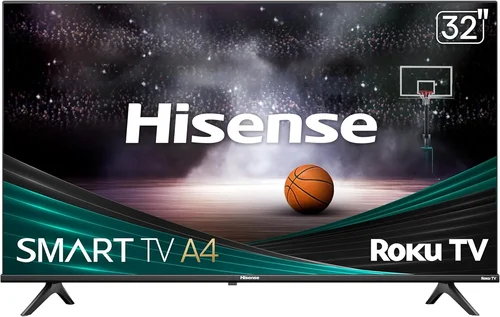
❌ Mistake: Choosing a TV Based Solely on Price
Why it’s bad: The cheapest TVs often cut corners on brightness, build quality, and durability. A $250 model might look fine indoors but become unwatchable in daylight or fail within a year due to moisture damage.
What to do instead: Set a realistic budget that balances cost with essential features like brightness and environmental resistance. Spending $100–$200 more can get you a TV that lasts twice as long and performs far better outdoors.
❌ Mistake: Ignoring Screen Reflectivity
Why it’s bad: A glossy screen in a sunny patio creates blinding reflections, making it impossible to see content during the day—even if the TV is technically bright enough.
What to do instead: Always check whether the TV has a matte or anti-glare coating. Read user reviews mentioning “outdoor use” or “sunlight visibility.” When in doubt, opt for models explicitly designed for high ambient light.
❌ Mistake: Overlooking Audio Needs
Why it’s bad: Most budget TVs have weak speakers that struggle to overcome outdoor noise. You’ll end up turning the volume too high, which can distort sound or annoy neighbors.
What to do instead: Factor in the cost of outdoor speakers or a soundbar from day one. Even a $100 Bluetooth speaker can dramatically improve your experience.
❌ Mistake: Skipping Proper Mounting
Why it’s bad: A poorly mounted TV can vibrate in the wind, tilt over time, or even fall—posing a safety risk and damaging the screen.
What to do instead: Invest in a quality full-motion mount rated for your TV’s size and weight. Use lag bolts into studs or concrete anchors, and consider professional installation if you’re unsure.
❌ Mistake: Assuming All Covered Patios Are Safe
Why it’s bad: Even under cover, patios can experience high humidity, splashing water, and extreme temperatures—conditions that indoor TVs aren’t designed for.
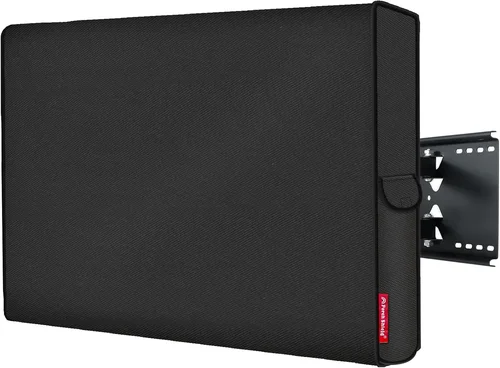
What to do instead: Assess your patio’s microclimate. If it’s near a pool, grill, or open to rain, choose a semi-outdoor model or use a protective enclosure.
❌ Mistake: Not Testing Before Committing
Why it’s bad: What looks good in a store under controlled lighting may perform poorly in your actual patio environment.
What to do instead: Buy from retailers with generous return policies. Test the TV during different times of day—especially midday when glare is worst—and return it if visibility or performance disappoints.
❌ Mistake: Forgetting About Power and Cable Management
Why it’s bad: Exposed cords are tripping hazards and can degrade quickly outdoors. Running power to a remote location may require an electrician.
What to do instead: Plan your cable routing in advance. Use outdoor-rated extension cords or hire an electrician to install a dedicated outlet. Conceal wires with conduit or raceways for a clean, safe setup.
Budget Guidelines: How Much Should You Spend?
Entry-Level ($200–$350): This tier includes basic 43-inch to 50-inch LED TVs from brands like TCL 4-Series or Hisense A6. They’re fine for shaded patios used primarily at night or on cloudy days. Expect around 300–400 nits brightness, basic smart features, and plastic builds. Not recommended for frequent daytime use or humid environments.
Mid-Range ($350–$600): The sweet spot for most covered patio owners. Models like the TCL 5-Series or Hisense U6 offer 500–700 nits brightness, better anti-glare coatings, improved build quality, and robust smart platforms. These TVs handle daylight viewing well and last several years with proper care.
Premium ($600–$900): For those who want near-outdoor performance without the full outdoor TV price tag. Look for TVs with 700+ nits, metal chassis, enhanced cooling, and compatibility with outdoor enclosures. Examples include certain Samsung QLED models or LG OLEDs (though OLEDs can suffer in bright light).
Luxury ($900+): This range includes fully certified outdoor TVs or high-end indoor models paired with professional enclosures. While overkill for most covered patios, they’re ideal for luxury homes or commercial installations where reliability and image quality are non-negotiable.
Expert Tips for Getting the Best Deal
– Shop during seasonal sales: Black Friday, Prime Day, and post-holiday clearances offer the deepest discounts on TVs. Many retailers also run “outdoor living” promotions in spring.
– Compare total cost of ownership: Include mounting, cables, speakers, and potential enclosure costs in your budget—not just the TV price.
– Buy refurbished or open-box: Certified refurbished TVs from reputable sellers often come with full warranties and can save you 20–30%.
– Use price-tracking tools: Apps like Honey or CamelCamelCamel alert you when prices drop on specific models.
– Check local retailer match policies: Best Buy and Walmart often match online prices, letting you inspect the TV in person before buying.
– Negotiate extended warranties: Some stores waive fees or bundle services if you ask politely—especially during slow periods.
– Test brightness in person: If possible, view the TV in a bright showroom or ask to see it under direct lighting.
– Read the fine print on returns: Ensure outdoor use doesn’t void the warranty, and confirm return windows are long enough to test thoroughly.
Frequently Asked Questions
Q: Can I use a regular indoor TV on my covered patio?
A: Yes—but with caveats. Indoor TVs can work well in covered, shaded patios with minimal exposure to moisture and direct sunlight. However, they lack the brightness, anti-glare coatings, and environmental protection of outdoor-rated models. For best results, choose a high-brightness indoor TV and install it in a protected location.
Q: How bright should my patio TV be?
A: Aim for at least 500 nits for evening use, and 700+ nits if you plan to watch during the day. Brightness needs depend on your patio’s lighting conditions—measure ambient light with a lux meter app if possible.
Q: Do I need a special mount for outdoor TVs?
A: Not necessarily, but a full-motion mount is highly recommended. It allows you to adjust the screen angle to reduce glare and optimize viewing from different seating positions. Ensure the mount is rated for outdoor use and securely anchored.
Q: Will humidity damage my TV?
A: Over time, yes—especially if your patio is near a pool, hot tub, or frequently exposed to rain. Look for TVs with moisture-resistant components or use a protective enclosure to extend lifespan.
Q: Can I leave my TV outside year-round?
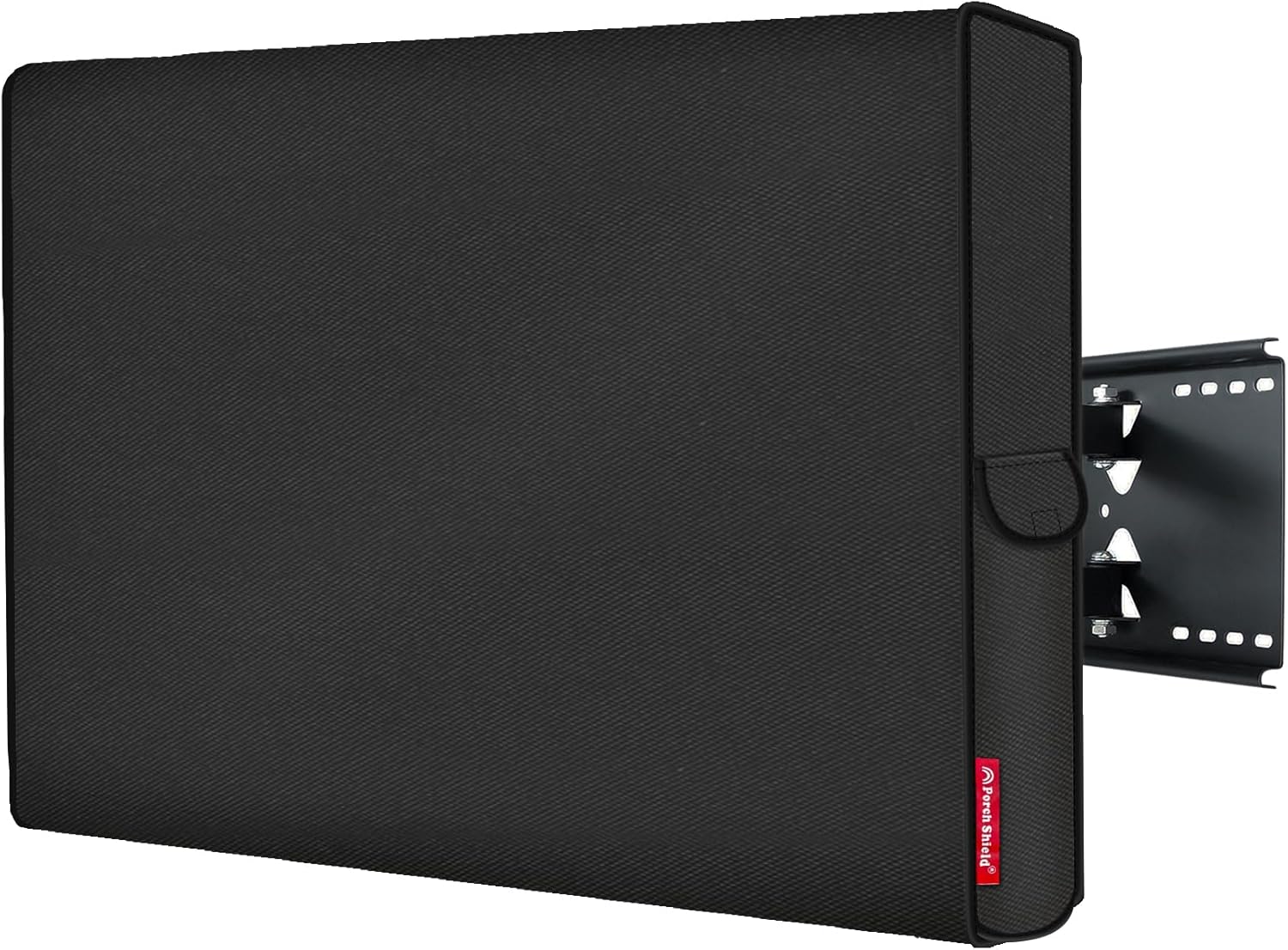
A: Only if it’s specifically designed for outdoor use or housed in a weatherproof enclosure. Most indoor TVs should be covered or brought inside during extreme weather or off-seasons.
Q: Are OLED TVs good for patios?
A: OLEDs offer stunning picture quality but typically have lower peak brightness and are more susceptible to image retention in static outdoor environments. They’re best reserved for shaded evening use.
Q: What’s the difference between an outdoor TV and a regular TV in an enclosure?
A: Outdoor TVs are built from the ground up with sealed components, corrosion-resistant materials, and enhanced cooling. Enclosures protect regular TVs but don’t improve their inherent limitations like brightness or reflectivity.
Q: How do I connect streaming devices outdoors?
A: Use HDMI extenders or wireless streaming sticks. Ensure your Wi-Fi signal reaches the patio—consider a mesh network or outdoor access point if needed.
Q: Should I get a soundbar for my patio TV?
A: Absolutely. Even mid-range soundbars dramatically improve dialogue clarity and overall audio presence, which is crucial in noisy outdoor settings.
Q: What’s the average lifespan of a patio TV?
A: With proper care, a quality indoor TV used on a covered patio can last 5–7 years. Semi-outdoor models may last 7–10 years. Avoid leaving TVs exposed to direct rain or extreme temperatures.
Our Final Recommendations
Best for Budget-Conscious Buyers: TCL 43S450G (43-inch 4-Series) – At under $300, this Roku TV offers solid smart features, decent brightness (~400 nits), and reliable performance for shaded evening use. Pair it with a glare-reducing mount for best results.
Best Overall Value: Hisense 55U6H (55-inch U6 Series) – With 600+ nits brightness, Dolby Vision, and a metal-reinforced chassis, this model punches well above its $450 price tag. Ideal for daytime and nighttime viewing on most covered patios.
Best Premium Option: Samsung QN55QN90B (55-inch Neo QLED) – Though pricier (~$800), its 1,500+ nits brightness, anti-reflective screen, and robust build make it a near-outdoor performer. Perfect for bright patios or those wanting future-proof quality.
Best for Beginners: Vizio V-Series 50V3D-M08 – Simple setup, intuitive interface, and good app support make this a great first outdoor TV. At $350, it’s affordable and easy to integrate with existing smart home systems.
Best for Advanced Users: LG 55UR7300PUE (55-inch UHD) – Offers webOS smart platform, excellent color accuracy, and compatibility with outdoor enclosures. Ideal for tech-savvy users who want customization and long-term flexibility.
Conclusion: Making the Right Choice
Choosing the right cheap TV for your covered patio doesn’t have to be overwhelming—or expensive. By focusing on brightness, build quality, smart features, and proper installation, you can create an outdoor entertainment space that rivals your living room. Remember, the goal isn’t to buy the cheapest TV possible, but the one that delivers the best experience for your specific environment and usage patterns.
Don’t let budget constraints stop you from enjoying outdoor movies, sports, or binge-watching under the open sky. With the insights from this guide, you’re equipped to make a smart, informed decision that balances cost, performance, and durability. Take your time, compare options, and don’t hesitate to invest a little extra in features that truly matter—like brightness and weather resistance.
Your patio is more than just an extension of your home—it’s a place for connection, relaxation, and joy. With the right TV, it becomes a year-round destination for memories. So go ahead, mount that screen, fire up your favorite show, and enjoy the great outdoors—indoors.

