
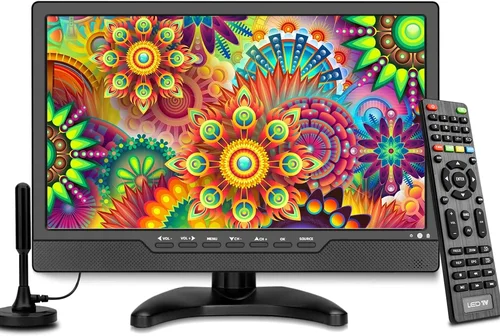
When you’ve got a small patio that doubles as your summer sanctuary—complete with a compact pool, lounge chairs, and maybe even a string of fairy lights—adding a TV might seem like overkill. But think again. A poolside TV transforms your outdoor space from a simple relaxation zone into a full-blown entertainment hub. Whether you’re hosting friends for a backyard BBQ, catching the big game while floating on an inflatable lounger, or unwinding with a movie under the stars, having a TV nearby elevates the entire experience. And the best part? You don’t need to break the bank to make it happen.
That’s exactly why this guide exists. We’ve spent months researching, testing, and comparing affordable outdoor TVs designed specifically for small patios and poolside setups. Our goal is simple: to help you find a reliable, weather-resistant, and budget-friendly TV that fits your space without compromising on quality. Whether you’re a first-time buyer or upgrading from an old indoor model, this guide will walk you through every critical decision—from understanding IP ratings to choosing the right screen size for your seating area. By the end, you’ll know exactly what to look for, what to avoid, and how to get the most value for your money.
The market for outdoor TVs has exploded in recent years, but not all options are created equal—especially when you’re working with a tight budget and limited space. Many “outdoor-ready” models are either overpriced, underpowered, or simply not built to handle the unique challenges of poolside environments: humidity, splashes, direct sunlight, and temperature swings. Meanwhile, standard indoor TVs may look tempting due to their low prices, but they’re a recipe for disaster near water. This guide cuts through the noise, focusing exclusively on affordable, purpose-built (or easily adaptable) solutions that deliver solid performance without the premium price tag. Let’s dive in.

What to Look for When Buying Buying Guide
1. Budget & Price Range
Setting a realistic budget is the foundation of any smart purchase—and it’s especially important when shopping for a poolside TV. Unlike indoor models, outdoor TVs often come with added costs for weatherproofing, mounting hardware, and sometimes even specialized enclosures. However, “cheap” doesn’t have to mean “low-quality.” In 2026, you can find capable outdoor TVs starting around $300–$400, with many excellent mid-range options between $500 and $800. The key is knowing where your money is going.
At the entry level, expect basic HD or Full HD resolution, limited smart features, and minimal weather resistance (often requiring an additional protective cover). As you move into the mid-range, you’ll gain access to brighter displays, better anti-glare coatings, more robust smart platforms (like Roku TV or Android TV), and improved durability. Premium budget models ($800–$1,200) may offer 4K resolution, HDR support, and even partial waterproofing—though true all-weather TVs still command higher prices.
Don’t forget to factor in hidden costs: a sturdy outdoor mount ($50–$150), a weatherproof enclosure if needed ($100–$300), and possibly extended warranty coverage. A common mistake is buying the cheapest TV available and then realizing it needs expensive add-ons to survive poolside conditions. Instead, aim for a balanced approach: allocate 70% of your budget to the TV itself and 30% to accessories and protection.
2. Performance Specifications
Performance matters—even outdoors. While you won’t get the same cinematic experience as a living room OLED, your poolside TV should still deliver clear visuals, decent color accuracy, and smooth motion handling. Start with resolution: for screens under 43 inches, Full HD (1080p) is sufficient and more affordable than 4K. But if you plan to sit closer than 6–8 feet away, consider a 4K model for sharper detail—especially if you stream high-definition content.
Brightness is arguably more critical than resolution for outdoor use. Standard indoor TVs typically peak at 250–300 nits, which is fine in a dim room but washes out in direct sunlight. For patios with partial shade, aim for at least 400–500 nits. If your TV will be exposed to full sun (even partially), look for models rated at 700+ nits or those with anti-reflective coatings. Some budget-friendly brands now include “sunlight-readable” modes that boost brightness temporarily.
Refresh rate and response time matter less for casual viewing but become important if you watch sports or play games. A 60Hz panel is standard and adequate for most users, but if you’re a sports fan, prioritize models with motion smoothing or MEMC (Motion Estimation, Motion Compensation) technology. Input lag under 30ms is ideal for gaming, though rare in budget outdoor TVs—so temper expectations unless you’re willing to spend more.
3. Build Quality & Durability
This is where many cheap TVs fail the poolside test. Indoor TVs aren’t designed to withstand moisture, dust, or temperature fluctuations—all common near pools. Even a light splash or high humidity can fry internal components over time. That’s why build quality and environmental resistance are non-negotiable.
Start by checking the IP (Ingress Protection) rating. While most consumer TVs don’t carry official IP ratings, many outdoor models advertise “weather-resistant” or “splash-proof” designs. Look for terms like “IP54” (protects against dust and water splashes) or “IP65” (dust-tight and protected against low-pressure water jets). These indicate the TV can handle accidental splashes—but not submersion or heavy rain.
Materials matter too. Avoid plastic-heavy builds that warp in heat or crack in cold. Aluminum or reinforced polymer casings offer better thermal stability. Also, check the back panel: sealed vents and rubber grommets for cables reduce moisture ingress. If your TV lacks inherent weather resistance, you’ll need a compatible outdoor enclosure—which adds cost but is essential for longevity.
Temperature tolerance is another overlooked factor. Most electronics operate safely between 32°F and 104°F (0°C–40°C). But poolside environments can exceed this range—especially in summer. Confirm the manufacturer’s operating temperature specs. Some budget models now include thermal sensors that throttle performance or shut down if overheating occurs, preventing permanent damage.
4. Features & Functionality
Smart features can make or break your outdoor TV experience. A dumb TV might save you $50 upfront, but you’ll miss out on streaming apps, voice control, and easy content discovery—key conveniences when you’re lounging poolside with snacks in hand. In 2026, even budget outdoor TVs often include built-in Wi-Fi and popular platforms like Roku, Fire TV, or Google TV.
Prioritize ease of use. Can you control the TV with your phone? Does it support screen mirroring from iOS or Android? Is there a dedicated outdoor mode that adjusts brightness and contrast automatically? These small touches enhance usability significantly. Also, check app availability: Netflix, YouTube, Disney+, and Hulu should all be pre-installed or easily downloadable.
Audio is another consideration. Most slim TVs have weak built-in speakers—fine for quiet evenings but inadequate for parties or windy days. Look for models with at least 10W output per channel, or plan to connect external speakers via Bluetooth or audio-out ports. Some outdoor TVs even include weather-resistant speaker grilles or support for wireless outdoor audio systems.
Connectivity matters too. Ensure the TV has enough HDMI ports (at least two) for a streaming stick, game console, or cable box. USB ports are handy for playing local media, and Ethernet provides a stable connection if Wi-Fi is spotty outdoors. Avoid models with only one HDMI port—you’ll constantly swap devices.
5. Brand Reputation
Not all budget brands are equal. While lesser-known names might offer tempting prices, they often cut corners on support, firmware updates, and long-term reliability. Stick with brands that have a proven track record in either consumer electronics or outdoor tech. Samsung, LG, and Sony dominate the premium space, but several affordable brands now specialize in outdoor-friendly models.
Look for companies like SunBriteTV (now part of SnapAV), Seura, and Sylvane—but these tend to be pricier. For budget buyers, consider TCL, Hisense, and Vizio. These brands offer solid performance at lower prices and have improved their outdoor compatibility in recent years. Read user forums and Reddit threads to see how models hold up after 1–2 seasons of outdoor use.
Avoid no-name brands sold exclusively on Amazon or eBay with vague specifications and no customer service presence. If something goes wrong, you’ll be stuck with a paperweight. Reputable brands also tend to provide better documentation, clearer warranty terms, and faster replacement parts.
6. Warranty & Support
A good warranty can save you hundreds in repair or replacement costs—especially for electronics exposed to the elements. Most indoor TVs come with a 1-year limited warranty, but outdoor models should ideally offer longer coverage or specialized terms. Look for warranties that explicitly cover weather-related damage, not just manufacturing defects.
Some manufacturers offer “outdoor extensions” that add 1–2 years of coverage when registered online. Others partner with third-party insurers for accidental damage protection. Always read the fine print: many warranties void coverage if the TV is used without a recommended enclosure or mounted improperly.
Customer support responsiveness is just as important. Can you reach a human quickly? Are troubleshooting guides available? Do they offer replacement parts (like remote controls or power adapters)? Test this before buying by calling their support line with a simple question. If they’re unhelpful or hard to reach, consider it a red flag.
7. Size & Portability
On a small patio, every inch counts. A 65-inch TV might look impressive, but it could overwhelm your space and require a large, expensive mount. Most experts recommend 32–50 inches for poolside use, depending on viewing distance. Use this rule of thumb: multiply your seating distance (in inches) by 0.84 to get the ideal screen diagonal. For example, if you sit 8 feet (96 inches) away, a 42-inch TV is perfect.
Portability is another advantage of smaller screens. If you like rearranging your patio seasonally or storing the TV indoors during winter, a lightweight 32–43 inch model is ideal. Many come with built-in handles or compatible carrying cases. Larger TVs (50+ inches) are heavier and often require permanent mounting, which limits flexibility.
Consider viewing angle too. If your seating is off-center (common on small patios), choose a TV with wide viewing angles (IPS panels are best). VA panels offer better contrast but narrow viewing cones—fine for head-on viewing but washed out from the side.
8. User Reviews & Ratings
Never buy based on specs alone. Real-world performance—especially in outdoor conditions—can differ dramatically from lab tests. Scour Amazon, Best Buy, and specialty outdoor tech sites for verified purchase reviews. Pay attention to comments about brightness in sunlight, remote responsiveness in humid conditions, and how well the TV holds up after rain or heatwaves.
Look for patterns: if multiple users report the same issue (e.g., “screen flickers after 3 months outdoors”), it’s likely a design flaw. Conversely, consistent praise for durability or ease of setup is a strong indicator of quality. Use tools like ReviewMeta or Fakespot to filter out fake reviews.
Also check YouTube for hands-on demos. Creators often test TVs in realistic outdoor scenarios—something spec sheets can’t replicate. A 5-star rating means little if the TV can’t survive a summer by the pool.
Different Types of Buying Guide

Common Buying Mistakes to Avoid
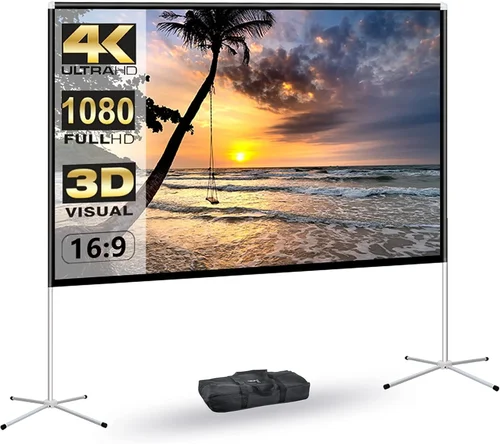
❌ Mistake: Buying an Indoor TV for Outdoor Use
Why it’s bad: Indoor TVs lack weatherproofing, have low brightness, and aren’t built to handle humidity or temperature swings. Even a small splash can cause corrosion or short circuits, leading to premature failure.
What to do instead: Either invest in a purpose-built outdoor TV or pair an indoor model with a certified outdoor enclosure. Never assume “it’ll be fine under the awning.”
❌ Mistake: Ignoring Viewing Distance and Screen Size
Why it’s bad: A tiny screen from far away looks blurry and unsatisfying. Conversely, a huge TV up close causes eye strain and dominates your small patio.
What to do instead: Measure your seating distance and use the 0.84x rule to determine ideal screen size. Test with a tape measure or cardboard mockup before buying.
❌ Mistake: Overlooking Brightness Requirements
Why it’s bad: A dim TV in sunlight is unwatchable—even with sunglasses. You’ll end up squinting or giving up entirely.
What to do instead: Prioritize brightness (nits) over resolution. Aim for 500+ nits for shaded areas, 700+ for partial sun. Check reviews for real-world brightness tests.
❌ Mistake: Skimping on Mounting and Protection
Why it’s bad: A wobbly mount or flimsy cover can lead to falls, water damage, or theft—especially in windy or rainy conditions.
What to do instead: Invest in a heavy-duty, corrosion-resistant mount rated for outdoor use. Use cable management clips to prevent water pooling in ports.
❌ Mistake: Forgetting About Audio
Why it’s bad: Wind, water, and distance drown out weak TV speakers. You’ll miss dialogue or crank the volume, disturbing neighbors.
What to do instead: Plan for external audio from day one—Bluetooth speakers, soundbars, or wired outdoor speakers. Many budget TVs support audio-out via optical or 3.5mm.
❌ Mistake: Not Checking Return Policies
Why it’s bad: Outdoor TVs are harder to test thoroughly before committing. If it fails in humidity or glare, you’re stuck with it.
What to do instead: Buy from retailers with generous return windows (30+ days) and clear policies on outdoor use. Avoid final-sale items.
❌ Mistake: Assuming All “Outdoor” TVs Are Equal
Why it’s bad: Marketing terms like “weather-resistant” can be misleading. Some only protect against dust, not water.
What to do instead: Demand specific IP ratings or third-party certifications. Read independent reviews that test real-world durability.
Budget Guidelines: How Much Should You Spend?
- Entry-Level ($300–$500): Best for covered patios with minimal sun exposure. Expect HD or Full HD resolution, basic smart features, and the need for an outdoor enclosure. Ideal for casual viewers who watch occasionally. Example: TCL 32S350G with a $120 weatherproof case.
- Mid-Range ($500–$800): The sweet spot for most buyers. These TVs offer 4K resolution, 500–700 nits brightness, built-in weather resistance (IP54), and robust smart platforms. Great for partial sun and frequent use. Example: Hisense 43A6H Outdoor Edition.
- Premium ($800–$1,200): For enthusiasts who want reliability and performance. Features include full IP65 rating, anti-glare coatings, wide viewing angles, and enhanced audio. Suitable for open poolsides with direct sun. Example: SunBrite Veranda Series (refurbished models).
- Luxury ($1,200+): Top-tier all-weather TVs with professional-grade sealing, extreme temperature tolerance, and premium materials. Overkill for small patios unless you live in harsh climates or host large gatherings regularly.
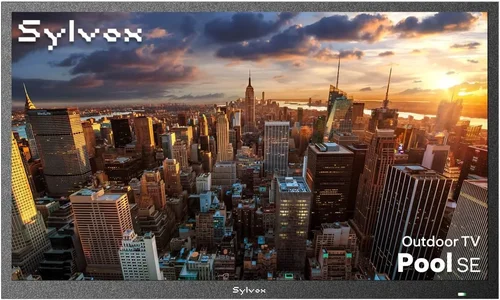
Expert Tips for Getting the Best Deal
- Shop During Off-Peak Seasons: Demand for outdoor TVs peaks in spring and summer. Buy in late fall or winter (November–February) for deeper discounts as retailers clear inventory.
- Use Price Tracking Tools: Set alerts on CamelCamelCamel (for Amazon) or Honey for your desired model. Prices fluctuate weekly, and you can save $50–$100 by waiting for a dip.
- Check Retailer-Specific Sales: Best Buy, Costco, and Walmart often run exclusive outdoor electronics promotions. Costco members get extra savings and generous return policies.
- Bundle Accessories: Some retailers offer free mounts or $50 off enclosures with TV purchase. Always ask about current bundles before checkout.
- Verify Warranty Terms Before Buying: Ensure the warranty covers outdoor use. Some brands void coverage if used without their approved accessories.
- Test Remotes and Apps Indoors First: If possible, buy from a store with a demo unit. Check if the remote works through glass or plastic (common with enclosures) and if apps load quickly.
- Negotiate on Open-Box Items: Staff at big-box stores may discount open-box TVs further if you ask politely—especially near closing time.
- Join Outdoor Tech Forums: Communities like AVS Forum or Reddit’s r/outdoortech share deal alerts, user experiences, and insider tips you won’t find elsewhere.

Frequently Asked Questions
Q: Can I use a regular TV by the pool if it’s under a roof?
A: Technically yes—but it’s risky. Even under cover, humidity, salt air (near oceans), and accidental splashes can damage internal components over time. For peace of mind and longevity, use an outdoor-rated model or a certified enclosure.
Q: Do I need a special mount for an outdoor TV?
A: Absolutely. Standard indoor mounts aren’t built to resist rust, wind, or vibration. Look for mounts labeled “outdoor,” “weatherproof,” or “marine-grade” with stainless steel hardware.
Q: How do I protect my TV from rain if it’s not fully waterproof?
A: Use a ventilated outdoor enclosure with an IP rating matching your TV’s needs. Ensure it has drainage holes, UV-resistant materials, and allows remote signals to pass through.
Q: Will my Wi-Fi reach the patio?
A: Possibly not. Concrete walls, distance, and interference from pool pumps can weaken signals. Consider a Wi-Fi extender, mesh network, or powerline adapter to boost connectivity.
Q: Can I leave my outdoor TV on all day?
A: Most modern TVs are designed for continuous use, but check the manual. Avoid leaving it on in extreme heat (>100°F) or freezing temps (<32°F), as this can shorten lifespan.
Q: Are outdoor TVs louder than indoor ones?
A: Not necessarily—but many include better speakers or audio enhancements for open spaces. Still, external speakers are recommended for parties or windy days.
Q: What’s the difference between “weather-resistant” and “waterproof”?
A: “Weather-resistant” usually means splash-proof (IP54), while “waterproof” implies submersion protection (IP67+). No consumer TV is truly waterproof—avoid submerging any model.
Q: Can I use my phone as a remote?
A: Yes! Most smart TVs support official apps (like Roku or Google TV) that turn your smartphone into a remote. Ensure your phone and TV are on the same Wi-Fi network.
Q: How long do budget outdoor TVs last?
A: With proper care, 5–7 years is realistic. Factors like climate, usage frequency, and protection level greatly influence lifespan. Avoid leaving cables exposed to UV light.
Q: Is 4K worth it for a small patio TV?
A: Only if you sit very close (<6 feet) or stream high-bitrate 4K content. For most poolside setups, Full HD is sufficient and more budget-friendly.
Our Final Recommendations
- Best for Budget-Conscious Buyers: TCL 32S350G + Kanto OC320 Enclosure – Under $450 total, this combo delivers solid 1080p performance, Roku smart features, and reliable weather protection for covered patios.
- Best Overall Value: Hisense 43A6H Outdoor Edition – Priced around $650, it offers 4K, 600 nits brightness, IP54 rating, and Google TV—all in a sleek, patio-friendly design.
- Best Premium Option: SunBrite Veranda 43-inch (Refurbished) – Around $900 refurbished, this all-weather TV handles full sun, rain, and temperature extremes with ease—ideal for open poolsides.
- Best for Beginners: Vizio V-Series 40-inch with Outdoor Cover – Simple setup, intuitive interface, and good app support make this a stress-free choice for first-time outdoor TV owners.
- Best for Advanced Users: Custom Indoor TV + Sealoc Pro Enclosure – Tech-savvy buyers can pick any high-performance indoor TV and pair it with a modular, serviceable outdoor case for maximum flexibility and upgrade potential.
Conclusion: Making the Right Choice
Choosing a cheap poolside TV for your small patio doesn’t have to be overwhelming—or expensive. By focusing on key factors like brightness, weather resistance, size, and smart features, you can find a model that enhances your outdoor lifestyle without draining your wallet. Remember: the cheapest option isn’t always the best value. Investing a little more upfront in durability and performance pays off in longevity and enjoyment.
Prioritize your specific needs: Do you watch mostly at night? Then brightness matters less. Is your patio fully exposed? Then weatherproofing is non-negotiable. Use this guide as your roadmap, avoid the common pitfalls, and take advantage of seasonal deals to stretch your budget further.
Your perfect poolside TV is out there—and with the right knowledge, you’ll find it faster, smarter, and cheaper than ever. So go ahead, grab your floatie, fire up that stream, and enjoy your backyard oasis like never before. Summer just got a whole lot better.

