
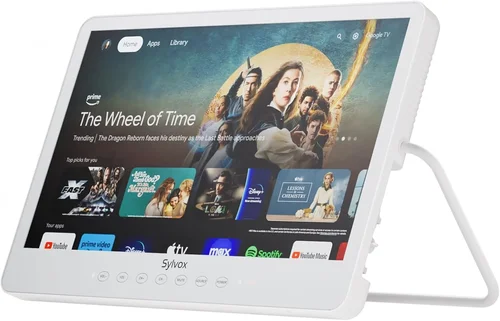
If you live in a hot climate and love spending time by the pool, you know how essential it is to have entertainment that can keep up with your lifestyle. Whether you’re hosting a backyard barbecue, lounging with a cold drink, or simply unwinding after a long day under the sun, having a reliable TV nearby can elevate your outdoor experience. But here’s the catch: most indoor TVs aren’t built to handle the heat, humidity, dust, and glare that come with outdoor environments. That’s where a cheap poolside TV comes in — not just any TV, but one specifically designed or adaptable for outdoor use in warm, sunny conditions.
This guide is here to help you navigate the often-confusing world of outdoor televisions without breaking the bank. We’ll break down everything you need to know — from what makes a TV suitable for poolside use to how to find the best deals on models that won’t overheat or fade in the sun. Whether you’re on a tight budget or just looking for smart value, this comprehensive buying guide will arm you with the knowledge to make a confident, informed decision. By the end, you’ll know exactly what to look for, what to avoid, and how to get the most bang for your buck — all while keeping your outdoor entertainment setup cool, functional, and stylish.
The market for outdoor TVs has grown significantly in recent years, driven by rising demand for outdoor living spaces. However, true weatherproof, full-outdoor TVs from premium brands like SunBriteTV or Seura can cost thousands of dollars — far beyond what most budget-conscious buyers are willing to spend. That’s why many people turn to “cheap” or budget-friendly alternatives. But “cheap” doesn’t have to mean “low quality.” With the right approach, you can find affordable TVs that perform well in hot climates when paired with the right accessories or installed correctly. This guide will show you how to do just that, balancing cost, performance, and durability so you can enjoy your favorite shows poolside without worrying about your TV frying in the sun.

What to Look for When Buying Buying Guide
1. Budget & Price Range
When shopping for a cheap poolside TV, your budget is the starting point — and arguably the most important factor. Outdoor-ready TVs can range from under $300 for basic models to over $3,000 for premium, fully weatherproof units. However, you don’t need to spend a fortune to get a functional outdoor setup. For most buyers in hot climates, a budget between $400 and $800 offers the best balance of affordability and performance.
At the lower end of the spectrum, you’ll find indoor TVs that can be used outdoors with proper protection — such as a weatherproof enclosure or a shaded mounting location. These models are often 32-inch to 50-inch LED or QLED TVs from reputable brands like TCL, Hisense, or Vizio. While they aren’t inherently outdoor-rated, they can perform well in covered patios or under pergolas when shielded from direct rain and extreme heat.
Mid-range options ($600–$1,200) may include semi-outdoor models or indoor TVs bundled with protective enclosures. These setups offer better heat resistance and glare reduction, making them ideal for uncovered pool decks or open-air cabanas. Some manufacturers even offer “outdoor-ready” versions of their standard models, which include enhanced cooling systems and anti-reflective screens.
It’s important to remember that “cheap” doesn’t mean “cheapest.” A $250 TV might seem like a steal, but if it overheats after 30 minutes in the sun or suffers from poor visibility due to glare, it’s not a good investment. Instead, aim for value — a TV that offers solid performance, decent durability, and smart features at a reasonable price. Look for sales during Black Friday, Prime Day, or end-of-summer clearance events to stretch your budget further.
2. Performance Specifications
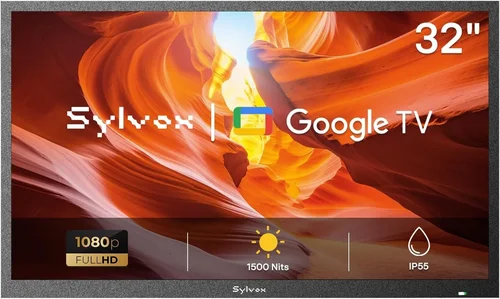
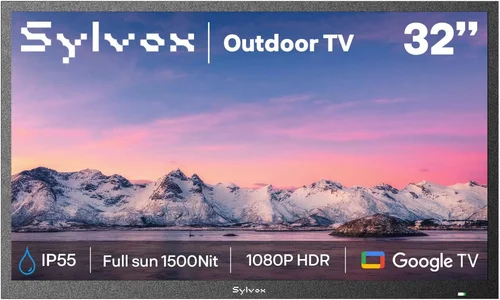
Performance specs are critical when choosing a poolside TV, especially in hot climates where screen visibility and thermal management are key. Start with screen brightness — measured in nits. Most indoor TVs range from 250 to 400 nits, which is fine for dimly lit rooms but inadequate for bright outdoor settings. For poolside use, aim for a minimum of 700 nits, with 1,000+ nits being ideal for direct sunlight.
Look for TVs with high dynamic range (HDR) support, such as HDR10 or Dolby Vision. HDR enhances contrast and color accuracy, making images pop even in bright conditions. Pair this with an anti-reflective or matte screen coating to reduce glare from the sun. Glossy screens may look sharp indoors, but they become nearly unusable outdoors due to reflections.
Resolution is another key factor. While 1080p (Full HD) is acceptable for smaller screens (32–43 inches), we recommend 4K UHD for anything larger. 4K provides sharper detail, which is especially noticeable when viewing from a distance — common in outdoor seating areas. Most modern budget TVs now offer 4K resolution, so it’s easy to find affordable options without sacrificing picture quality.
Refresh rate matters too, especially if you plan to watch sports or action movies. A 60Hz refresh rate is standard, but 120Hz models offer smoother motion and are better for fast-paced content. While not essential for casual viewing, it’s a nice upgrade if you can find it within your budget.
Audio performance is often overlooked, but outdoor environments drown out sound. Built-in TV speakers are usually weak, so consider a model with decent audio output (10W or higher) or plan to connect external speakers or a soundbar. Some budget TVs even support Bluetooth audio, allowing you to stream music to wireless outdoor speakers.
3. Build Quality & Duridity
Build quality directly impacts how well your TV will hold up in a hot, humid, and potentially dusty outdoor environment. Even if you’re using an indoor TV outdoors, its construction must withstand temperature fluctuations, moisture, and UV exposure. Look for TVs with robust chassis materials — metal frames are preferable to plastic, as they dissipate heat better and resist warping.
Thermal management is crucial. TVs generate heat during operation, and in hot climates, ambient temperatures can soar above 100°F (38°C). Without proper ventilation, internal components can overheat, leading to shutdowns or permanent damage. Choose models with efficient cooling systems — such as dual fans or passive heat sinks — and avoid placing the TV in enclosed spaces without airflow.
Humidity resistance is another concern. Coastal areas or regions with high humidity can cause condensation inside the TV, leading to corrosion or electrical failure. While no indoor TV is fully waterproof, some models have better sealing around ports and vents. If you’re in a humid climate, consider using a weatherproof enclosure with ventilation and a dehumidifier pack.
Dust and debris can also clog vents and damage internal components. Look for TVs with sealed back panels or dust-resistant designs. If you’re mounting the TV in an open area, a protective cover or enclosure is a must. Even a simple sunshade can extend the life of your TV by reducing direct exposure.
Finally, consider the power supply. Outdoor outlets are often exposed to the elements, increasing the risk of power surges. Use a high-quality surge protector rated for outdoor use, and consider a UPS (uninterruptible power supply) if your area experiences frequent outages.
4. Features & Functionality
Modern budget TVs come packed with smart features that enhance the outdoor viewing experience. Look for models with built-in streaming platforms like Roku TV, Android TV, or webOS. These allow you to access Netflix, YouTube, Disney+, and other services without needing an external device — a major convenience when you’re relaxing by the pool.
Voice control is another useful feature. TVs with Google Assistant or Amazon Alexa integration let you change channels, adjust volume, or search for content using voice commands — perfect when your hands are full with a drink or sunscreen. Some models even support hands-free voice activation, so you don’t need to press a button.
Connectivity options matter too. Ensure the TV has multiple HDMI ports (at least 3), USB ports, and an Ethernet jack for wired internet. Wi-Fi 5 or Wi-Fi 6 support ensures stable streaming, even at a distance from your router. If you plan to connect a soundbar, gaming console, or streaming stick, having enough ports is essential.
Screen mirroring and casting capabilities — such as Apple AirPlay 2 or Google Chromecast built-in — let you stream content directly from your phone or tablet. This is great for sharing vacation photos or playing music during a pool party.
Some budget TVs also offer ambient light sensors that automatically adjust brightness based on surrounding light. This helps maintain visibility in changing conditions — from bright midday sun to evening twilight — without manual adjustments.
Lastly, consider ease of use. A simple, intuitive interface makes it easier to navigate menus and switch between apps. Look for models with responsive remotes and minimal lag when switching inputs.
5. Brand Reputation
Brand reputation plays a significant role in reliability and long-term satisfaction. While you can find cheap TVs from lesser-known brands, sticking with established manufacturers reduces the risk of poor build quality, software bugs, or lack of support. Brands like TCL, Hisense, Vizio, Samsung, and LG consistently deliver solid performance at competitive prices.
TCL, for example, is known for offering excellent value with its Roku TV lineup. Their 4-Series and 5-Series models are popular among budget buyers and perform well in outdoor setups when properly protected. Hisense offers similar value with its U6 and U7 series, often including quantum dot technology for richer colors.
Samsung and LG, while slightly more expensive, provide better build quality and customer service. Their mid-range models often include advanced features like motion smoothing, better audio, and superior HDR performance. Even their budget lines are well-engineered and reliable.
Avoid no-name brands or ultra-cheap imports sold on third-party marketplaces. These may lack proper certifications, use inferior components, or have no warranty support. Reading user reviews and checking ratings on sites like Consumer Reports or RTINGS.com can help you identify trustworthy brands.
Also, consider regional availability. Some brands dominate certain markets — for instance, TCL is widely available in North America, while Xiaomi is more common in Asia. Choose a brand with local service centers and spare parts availability in case repairs are needed.
6. Warranty & Support
A good warranty can save you hundreds in repair or replacement costs, especially if your TV is exposed to harsh outdoor conditions. Most budget TVs come with a standard 1-year limited warranty, but some brands offer extended coverage or accidental damage protection for an additional fee.
Check what the warranty covers. Does it include heat damage? Power surges? Screen burn-in? Many warranties exclude “environmental damage,” which could be a problem if your TV fails due to overheating. If you’re using an indoor TV outdoors, the warranty may be voided if the manufacturer determines it was used outside recommended conditions.
Look for brands with strong customer support. Can you reach a live agent easily? Is there a local service center? Online forums and Reddit communities often share experiences with specific brands — use them to gauge reliability.
Consider purchasing an extended warranty or protection plan from retailers like Best Buy or Amazon. These plans often cover accidental drops, liquid damage, and power surges — all risks in an outdoor setting. While they add to the upfront cost, they provide peace of mind.
If you’re buying used or refurbished, verify the warranty status. Some manufacturers honor warranties on certified refurbished units, while others do not. Always ask for proof of purchase and warranty details.
7. Size & Portability
Size matters — not just for picture quality, but for practicality. A 32-inch TV might be perfect for a small patio or hot tub area, while a 55-inch or larger model is better for a spacious pool deck with multiple seating zones. Consider viewing distance: for every 1.5 to 2.5 feet of distance, you’ll want about 1 inch of screen size. So, if you’re sitting 10 feet away, a 40–50 inch TV is ideal.
Portability is another factor. If you plan to move the TV between indoor and outdoor spaces — say, from the living room to the poolside during summer — look for lightweight models with handles or easy-to-remove stands. Some TVs come with optional wall mounts or rolling carts designed for outdoor use.
Wall mounting is common for poolside setups, as it saves space and reduces tripping hazards. Ensure the TV is VESA-compatible (most are) and choose a sturdy outdoor-rated mount that can handle wind and weight. Tilt or full-motion mounts allow you to adjust the angle for better viewing, especially if the TV is mounted high on a wall.
If you’re using a TV cart or stand, make sure it’s stable and has locking wheels. Outdoor surfaces can be uneven, and a wobbly stand increases the risk of tipping — especially if kids or pets are around.
For renters or those with limited space, consider a compact outdoor TV enclosure that can be easily installed and removed. These enclosures often include built-in mounts and cable management, making setup a breeze.
8. User Reviews & Ratings
Never underestimate the power of user reviews. While manufacturer specs and marketing materials highlight the positives, real-world feedback reveals how a TV performs under actual conditions — especially in hot, sunny environments. Sites like Amazon, Best Buy, and Walmart feature thousands of customer reviews, many of which mention outdoor use.
Look for reviews that specifically mention heat resistance, screen visibility in sunlight, and durability. Phrases like “works great on my patio” or “no issues after a summer by the pool” are strong indicators of suitability. Conversely, watch out for complaints about overheating, poor brightness, or quick degradation.
Check the rating distribution. A 4.5-star average with 1,000+ reviews is more reliable than a 5-star rating with only 10 reviews. Also, read the most recent reviews — TV technology evolves quickly, and older models may have different performance characteristics.
YouTube reviews and tech blogs can provide visual demonstrations of outdoor performance. Channels like RTINGS.com, HDTVTest, and The Verge often test TVs in real-world scenarios, including outdoor use.
Finally, consider niche forums like AVS Forum or Reddit’s r/outdoorTV, where enthusiasts share detailed setups, mods, and troubleshooting tips. These communities are goldmines for practical advice and can help you avoid common pitfalls.
Different Types of Buying Guide

Common Buying Mistakes to Avoid
❌ Mistake: Buying a Standard Indoor TV Without Protection
Why it’s bad: Indoor TVs are not designed for outdoor conditions. Exposure to heat, humidity, and UV rays can cause overheating, screen damage, and electrical failure. Even a few hours in direct sunlight can degrade performance.
What to do instead: Always use a weatherproof enclosure or install the TV in a shaded, ventilated area. Consider a semi-outdoor model with enhanced cooling if you can’t provide full protection.
❌ Mistake: Ignoring Screen Brightness and Glare
Why it’s bad: A dim screen with a glossy finish will be nearly invisible in sunlight, making your TV useless when you need it most.
What to do instead: Choose a TV with at least 700 nits brightness and an anti-reflective screen. Test visibility in bright conditions before finalizing your purchase.
❌ Mistake: Overlooking Ventilation and Heat Management
Why it’s bad: Poor airflow causes internal components to overheat, leading to shutdowns or permanent damage — especially in hot climates.
What to do instead: Ensure the TV has adequate space around it for airflow. Use enclosures with built-in fans or vents, and avoid placing the TV in enclosed cabinets.
❌ Mistake: Skimping on Surge Protection
Why it’s bad: Outdoor power sources are prone to surges from lightning or grid fluctuations, which can fry your TV’s electronics.
What to do instead: Invest in a high-quality outdoor surge protector with a high joule rating (1,000+). Consider a UPS for added protection.
❌ Mistake: Choosing the Wrong Size for the Space
Why it’s bad: A TV that’s too small will be hard to see from a distance, while one that’s too large can overwhelm the space and increase cost unnecessarily.
What to do instead: Measure your viewing distance and use the 1.5–2.5x rule to determine ideal screen size. Test with a tape measure or cardboard mockup.
❌ Mistake: Not Checking Warranty Terms
Why it’s bad: Using an indoor TV outdoors may void the warranty, leaving you with no recourse if it fails.
What to do instead: Read the warranty carefully. If outdoor use isn’t covered, consider a model designed for semi-outdoor use or purchase an extended protection plan.
❌ Mistake: Buying Based on Price Alone
Why it’s bad: The cheapest TV may lack essential features like brightness, smart functionality, or durability — leading to frustration and early replacement.
What to do instead: Focus on value, not just cost. Look for models with good reviews, solid specs, and reliable brands — even if they cost a bit more.
Budget Guidelines: How Much Should You Spend?
Entry-Level ($250–$400): At this price, you’ll find basic 32-inch to 43-inch indoor TVs, often 1080p or entry-level 4K models. These are suitable for small, covered patios with minimal sun exposure. Expect limited brightness (under 500 nits), basic smart features, and plastic builds. Best for occasional use or as a secondary screen.
Mid-Range ($400–$800): This is the sweet spot for most buyers. You’ll find 4K UHD TVs from reputable brands with 700+ nits brightness, HDR support, and robust smart platforms. Many models work well in semi-outdoor setups with proper enclosures. Look for TCL 5-Series, Hisense U6, or Vizio V-Series.
Premium ($800–$1,500): Here, you can find semi-outdoor models with enhanced cooling, better build quality, and advanced features like 120Hz refresh rates or Dolby Vision. Some include anti-glare screens and improved audio. Ideal for uncovered decks or frequent use.
Luxury ($1,500+): Full outdoor TVs from brands like SunBriteTV or Seura fall into this category. These are fully weatherproof, UV-resistant, and designed for permanent outdoor installation. They offer the best performance and durability but come at a high cost — best for enthusiasts or commercial use.
Expert Tips for Getting the Best Deal
- Shop During Seasonal Sales: The best time to buy is during Black Friday, Prime Day, or end-of-summer clearance events. Retailers often discount outdoor and patio electronics as the season winds down.
- Buy Online with Free Returns: Online retailers like Amazon, Best Buy, and Costco offer easy returns — crucial if the TV doesn’t perform well outdoors. Test it in your setup before the return window closes.
- Look for Refurbished or Open-Box Deals: Certified refurbished TVs from manufacturers or retailers often come with warranties and sell for 20–30% less than new models.
- Bundle with Accessories: Some retailers offer discounts when you buy a TV with a mount, enclosure, or soundbar. These bundles can save you money and simplify setup.
- Use Price Tracking Tools: Apps like Honey, CamelCamelCamel, or Keepa alert you when prices drop on specific models.
- Check Local Classifieds: Facebook Marketplace or Craigslist may have barely-used outdoor TVs at steep discounts — just verify condition and warranty.
- Negotiate with Retailers: In-store staff may offer price matching or throw in free installation if you ask politely.
- Consider a Projector: For large gatherings, a budget outdoor projector with a portable screen can deliver a cinematic experience for less than a high-end TV.

Frequently Asked Questions
Q: Can I use a regular TV by the pool?
A: Yes, but only with proper protection. Use a weatherproof enclosure, install it in a shaded area, and ensure good ventilation. Avoid direct sun and rain.
Q: What’s the minimum brightness for outdoor use?
A: At least 700 nits. For direct sunlight, aim for 1,000+ nits. Check the TV’s spec sheet or reviews for real-world brightness performance.
Q: Do I need a special mount for outdoor TVs?
A: Yes. Use an outdoor-rated mount that’s rust-resistant and can handle wind loads. Tilt or full-motion mounts offer better viewing angles.
Q: How do I protect my TV from heat?
A: Ensure proper airflow, use a ventilated enclosure, and avoid placing the TV in enclosed spaces. Consider a model with enhanced cooling.
Q: Can I leave my outdoor TV on all day?
A: It’s not recommended. Continuous operation in high heat can shorten the TV’s lifespan. Use a timer or smart plug to limit usage.
Q: Are outdoor TVs worth the cost?
A: Only if you use them frequently. For occasional use, a protected indoor TV is more cost-effective. For daily use, a semi-outdoor model is worth the investment.
Q: What’s the difference between weatherproof and waterproof?
A: Weatherproof means resistant to rain, dust, and temperature changes. Waterproof implies full submersion protection — most outdoor TVs are weatherproof, not waterproof.
Q: Can I connect a soundbar to an outdoor TV?
A: Yes, via HDMI ARC, optical audio, or Bluetooth. Ensure the soundbar is also suitable for outdoor use or place it in a protected area.
Q: How long do outdoor TVs last?
A: With proper care, 5–7 years is typical. Indoor TVs used outdoors may last 3–5 years, depending on conditions.
Q: Is a projector better than a TV for outdoor use?
A: Projectors offer larger screens and lower cost per inch, but require darkness and a flat surface. TVs are better for daytime use and durability.
Our Final Recommendations
Best for Budget-Conscious Buyers: TCL 43S450G 43-inch 4K UHD Roku TV — At under $300, this TV offers 4K resolution, 500+ nits brightness, and a user-friendly Roku interface. Pair it with a weatherproof enclosure for poolside use.
Best Overall Value: Hisense 50U6HF 50-inch ULED 4K Smart TV — With quantum dot color, 800 nits brightness, and Dolby Vision, this model delivers premium performance at a mid-range price. Ideal for uncovered decks with partial shade.
Best Premium Option: SunBriteTV Veranda Series 55-inch 4K Outdoor TV — Fully weatherproof, 1,500 nits brightness, and built-in heater/cooler. Perfect for permanent outdoor installation in any climate.
Best for Beginners: Vizio V-Series 50V3D 50-inch 4K Smart TV — Easy setup, solid performance, and good app support. Great for first-time outdoor TV users.
Best for Advanced Users: Samsung The Terrace 65-inch Outdoor QLED TV — High brightness, anti-reflective screen, and smart features optimized for outdoor use. Best for tech-savvy buyers who want top-tier performance.
Conclusion: Making the Right Choice
Choosing the right cheap poolside TV for a hot climate doesn’t have to be overwhelming. By focusing on key factors like brightness, heat resistance, build quality, and smart features, you can find a model that delivers great performance without exceeding your budget. Avoid common pitfalls like using unprotected indoor TVs or ignoring ventilation, and always prioritize value over the lowest price.
Remember, the best TV for you depends on your specific needs — whether that’s a small screen for a cozy hot tub area or a large display for entertaining guests. Take the time to read reviews, compare specs, and consider accessories like enclosures and mounts. With the right setup, you can enjoy your favorite shows, movies, and sports by the pool — all summer long.
So go ahead, make the investment, and transform your outdoor space into a true entertainment oasis. Your perfect poolside TV is out there — and with this guide, you’re ready to find it.

