
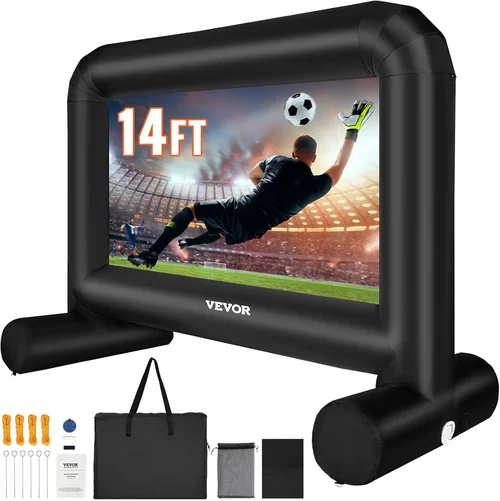
Transforming your backyard into a cinematic oasis doesn’t require a Hollywood-sized budget. With the right setup, you can host unforgettable movie nights by the pool, where friends and family gather under the stars with popcorn in hand and the gentle sound of water in the background. A poolside TV is the centerpiece of this experience—but you don’t need to spend thousands to get a high-quality viewing experience. In fact, in 2026, the market is flooded with affordable, weather-resistant, and feature-packed televisions designed specifically for outdoor use.
This guide is here to help you navigate the often-confusing world of budget-friendly outdoor TVs. Whether you’re a first-time buyer or upgrading from an old indoor TV you’ve been risking near the pool, we’ll walk you through everything you need to know. From understanding key performance specs to avoiding common pitfalls, we’ve done the research so you don’t have to. Our goal is to empower you with expert-level knowledge so you can make a smart, confident purchase—without overspending.
The outdoor TV market has evolved dramatically in recent years. What was once a niche category dominated by ultra-expensive, fully sealed models now includes a wide range of affordable options that balance durability, picture quality, and smart features. Brands like SunBrite, Samsung, LG, and even budget-friendly newcomers like Hisense and TCL now offer models under $1,000 that can withstand humidity, splashes, and temperature swings. This guide will help you understand what truly matters when choosing a cheap poolside TV, how to stretch your dollar, and which models deliver the best bang for your buck in 2026.

What to Look for When Buying Buying Guide
1. Budget & Price Range
When shopping for a poolside TV, your budget is the foundation of every decision. While “cheap” is relative, most buyers in this category are looking for models under $1,200—ideally under $800. The good news? You can find excellent outdoor-capable TVs in this range, especially if you’re flexible on size and features. However, it’s important to understand what you’re getting (and not getting) at different price points.
Entry-level models (under $500) often include basic weather resistance, standard brightness (300–400 nits), and limited smart functionality. Mid-range options ($500–$800) typically offer better brightness (500+ nits), improved water resistance, and full smart platforms like Roku, Android TV, or webOS. Premium budget models ($800–$1,200) may include anti-glare screens, enhanced cooling systems, and even partial outdoor certification.
Don’t assume that the cheapest TV is the best value. A $400 TV that lasts two seasons before fogging up or losing picture quality is a worse investment than a $700 model that performs reliably for five years. Always consider total cost of ownership, including potential repair or replacement costs.
2. Performance Specifications
Performance specs are where many budget buyers go wrong. It’s easy to be dazzled by a 4K resolution label or a high refresh rate, but not all specs matter equally for outdoor use. Here’s what to prioritize:
– Brightness (Nits): This is the most critical spec for outdoor TVs. Indoor TVs typically range from 200–400 nits, but even on a cloudy day, ambient light near a pool can exceed 1,000 nits. For usable daytime viewing, aim for at least 500 nits. For bright, sun-dappled areas, 700+ nits is ideal. Some budget models now offer “outdoor mode” that boosts brightness temporarily.
– Resolution: 4K UHD is standard even in budget models and delivers sharp, detailed images. Avoid 1080p unless you’re viewing from very far away (15+ feet). 4K also future-proofs your setup for streaming services and gaming.
– Refresh Rate: A 60Hz refresh rate is sufficient for movies and most streaming content. If you plan to watch sports or play games, look for 120Hz, but this is rare in budget outdoor TVs. Most poolside viewing is cinematic, so 60Hz is fine.
– Color Accuracy & Contrast: Look for TVs with good color gamut coverage (90% DCI-P3 or higher) and decent contrast ratios. OLED is ideal but expensive; QLED and high-end LED are better budget options. Avoid models with washed-out colors—common in ultra-low-cost panels.
– Viewing Angle: Poolside seating is rarely directly in front of the screen. A wide viewing angle (178 degrees) ensures everyone gets a good picture, even from the side or at an angle.
Don’t get swayed by marketing terms like “HDR10+” or “Dolby Vision” unless the TV has the brightness and contrast to support them. Many budget HDR implementations are underwhelming.
3. Build Quality & Durability
Outdoor TVs face harsh conditions: humidity, salt air (if you’re near the coast), temperature swings, dust, and occasional splashes. Build quality separates a TV that lasts from one that fails in a season.
Look for:
– Weather Resistance Rating: IP (Ingress Protection) ratings indicate how well a device resists dust and water. For poolside use, aim for at least IP54 (protected against splashing water and dust). IP55 or higher is better. Note: Most budget TVs aren’t fully waterproof—they’re splash-resistant. Never submerge or directly expose them to heavy rain.
– Sealed Design: The best outdoor TVs have sealed ports, reinforced casings, and no ventilation holes that allow moisture in. Check for rubber gaskets around inputs and a solid back panel.
– Materials: Aluminum or powder-coated metal housings resist corrosion better than plastic. Avoid all-plastic models if you live in a humid or salty environment.
– Temperature Tolerance: Outdoor TVs should operate between 32°F and 104°F (0°C to 40°C). Some budget models shut down in extreme heat or cold. Check the operating range in the manual.
– Anti-Reflective Coating: A matte or anti-glare screen reduces reflections from sunlight and pool water, improving visibility.
4. Features & Functionality
Modern budget TVs pack impressive smart features, but not all are useful outdoors. Focus on what enhances your movie night experience:
– Smart Platform: Roku TV, Android TV, and webOS are the most user-friendly. They offer easy access to Netflix, Disney+, YouTube, and more. Avoid proprietary systems with limited app support.
– Voice Control: Built-in Alexa or Google Assistant lets you change volume, search content, or pause the movie without fumbling for a remote—especially handy when you’re in the pool.
– Bluetooth & Audio Output: Built-in speakers on outdoor TVs are often weak. Use Bluetooth to connect wireless speakers or a soundbar. Optical or HDMI ARC outputs allow for wired audio systems.
– App Streaming: Ensure the TV supports major streaming apps. Some budget models lag in updates or drop support after a year.
– Gaming & Low Latency: If you plan to connect a console, look for “Game Mode” or low input lag (<30ms). Most movies don’t require this, but it’s a nice bonus. - Screen Mirroring: Cast from your phone or tablet using Miracast, AirPlay 2, or Google Cast. Great for sharing vacation videos or photos.
Avoid TVs with overly complex menus or slow processors. A sluggish interface ruins the experience, especially when you’re trying to start a movie quickly.
5. Brand Reputation
Brand matters—especially for outdoor electronics. Some companies specialize in outdoor AV gear and have a track record of reliability. Others repurpose indoor TVs with minor weatherproofing, which can lead to early failure.
Top Brands for Budget Outdoor TVs (2026):
– SunBriteTV: The gold standard for outdoor TVs. Their Veranda series offers excellent brightness and durability, with models starting around $700. Not the cheapest, but highly reliable.
– Samsung: The Samsung The Terrace is a premium option, but their Crystal UHD series (with outdoor enclosures) offers good value under $800.
– LG: LG’s OLED and NanoCell TVs are bright and color-accurate. Pair with a weatherproof case for poolside use.
– Hisense: Known for value, Hisense offers 4K UHD TVs with good brightness and Roku built-in. Their U6 series is a solid budget pick.
– TCL: TCL’s 4-Series and 5-Series include Roku TV and decent outdoor performance. Great for under $500.
– Vizio: Offers strong picture quality and smart features at low prices. The V-Series is a good entry-level option.
Avoid unknown brands with no customer support or warranty. A $300 TV from a no-name manufacturer may save money upfront but cost more in repairs or replacements.
6. Warranty & Support
Outdoor electronics are more prone to failure, so warranty and support are critical. Most indoor TVs come with a 1-year warranty, but outdoor models should have at least 2–3 years.
Look for:
– Extended Warranty Options: Some brands offer 3- or 5-year plans for outdoor use.
– Outdoor-Specific Coverage: Ensure the warranty covers humidity, temperature, and water damage. Many indoor TVs void the warranty if used outdoors.
– Customer Support: Check reviews for responsiveness. Can you easily reach a technician? Is there a local service center?
– Return Policy: Buy from retailers with at least a 30-day return window. Test the TV outdoors before committing.
7. Size & Portability
Size affects both viewing experience and installation. For poolside movie nights, consider:
– Viewing Distance: A 55-inch TV is ideal for 8–12 feet. 65-inch works for 10–15 feet. Go larger only if you have a big seating area.
– Mounting Options: Wall mounts, ceiling mounts, and freestanding stands are available. Ensure your mounting surface (wall, pergola, post) can support the weight.
– Portability: If you want to move the TV between the pool and patio, consider a lightweight model with a carrying handle or a mobile stand. Most outdoor TVs are heavy (30–50 lbs), so portability is limited.
– Screen Ratio: Standard 16:9 is fine for movies. Avoid ultra-wide or curved screens—they’re not designed for outdoor use.
Don’t go too big too fast. A 75-inch TV may seem impressive, but it’s overkill for a small backyard and harder to protect from the elements.
8. User Reviews & Ratings
Never buy a TV based on specs alone. Real-world user reviews reveal flaws that spec sheets hide. Look for:
– Long-Term Reliability: Check reviews from users who’ve owned the TV for 6+ months. Do they report fogging, dead pixels, or connectivity issues?
– Outdoor Performance: Search for keywords like “poolside,” “patio,” or “outdoor use” in reviews. Indoor performance doesn’t always translate.
– Customer Service Experiences: How did the brand handle a warranty claim? Were replacements fast?
– Retailer Ratings: Buy from reputable sellers like Amazon, Best Buy, or Costco. Avoid third-party sellers with low ratings.
Use sites like Wirecutter, RTINGS.com, and Amazon verified purchase reviews to compare models. A 4.5-star average with 1,000+ reviews is more trustworthy than a 5-star rating with only 10 reviews.
Different Types of Buying Guide

Common Buying Mistakes to Avoid
❌ Mistake: Buying an Indoor TV for Outdoor Use
Why it’s bad: Indoor TVs are not designed for humidity, temperature swings, or moisture. Even a small splash can cause internal corrosion, fogging, or electrical failure. Most indoor TVs void the warranty if used outdoors.
What to do instead: Use a TV specifically rated for outdoor or semi-outdoor use. If you must use an indoor model, invest in a high-quality weatherproof enclosure (like the Peerless-AV Outdoor Enclosure) and ensure it’s properly ventilated and sealed.
❌ Mistake: Ignoring Brightness (Nits)
Why it’s bad: A TV with 300 nits will look dim and washed out in daylight, even under shade. You’ll end up watching a grayish silhouette instead of a vibrant movie.
What to do instead: Prioritize brightness. Aim for at least 500 nits for shaded areas, 700+ for partial sun. Check reviews for real-world brightness tests—not just manufacturer claims.
❌ Mistake: Overlooking Viewing Angles
Why it’s bad: Poolside seating is rarely in a straight line. A narrow viewing angle means people on the sides see a dark, distorted image.
What to do instead: Choose a TV with IPS or VA panel technology that offers 178-degree viewing angles. Avoid TN panels, which have poor off-axis performance.
❌ Mistake: Skimping on Mounting Hardware
Why it’s bad: A cheap mount can wobble in the wind, fail under weight, or rust quickly. A falling TV is dangerous and costly.
What to do instead: Invest in a heavy-duty, weather-resistant mount rated for your TV’s size and weight. Stainless steel or powder-coated aluminum is best. Consider a tilt or swivel mount for better viewing angles.
❌ Mistake: Forgetting About Audio
Why it’s bad: Built-in TV speakers are quiet and tinny, especially outdoors with wind and water noise. You’ll struggle to hear dialogue.
What to do instead: Plan for external audio. Use Bluetooth speakers, a weatherproof soundbar, or wired outdoor speakers. Place them near seating areas for even sound distribution.
❌ Mistake: Not Testing Before Committing
Why it’s bad: A TV might look great in a store but perform poorly in your specific backyard conditions (e.g., glare from water, distance from seating).
What to do instead: Buy from a retailer with a good return policy. Test the TV at different times of day. If possible, borrow or rent one first.
❌ Mistake: Ignoring Power and Connectivity
Why it’s bad: Running long cables across the yard is unsafe and unsightly. Poor signal strength can cause buffering or disconnections.
What to do instead: Use wireless streaming (Wi-Fi 5 or 6) and ensure your router covers the area. For wired connections, use weatherproof conduits and outdoor-rated HDMI cables.
Budget Guidelines: How Much Should You Spend?
– Entry-Level ($300–$500): What to expect: Basic 4K resolution, 300–400 nits brightness, limited smart features, and minimal weather resistance. Best for covered patios or temporary use. Examples: TCL 4-Series, Vizio V-Series (with enclosure).
– Mid-Range ($500–$800): Sweet spot for most buyers. You’ll get 500–700 nits brightness, IP54 or IP55 rating, full smart platforms (Roku, Android TV), and better build quality. Ideal for regular movie nights. Examples: Hisense U6, SunBrite Veranda 55-inch.
– Premium ($800–$1,200): For enthusiasts and frequent users. These models offer 700+ nits, anti-glare screens, enhanced cooling, and robust weatherproofing. Great for bright areas and year-round use. Examples: Samsung Crystal UHD with outdoor kit, LG NanoCell with enclosure.
– Luxury ($1,200+): Top-tier features like 1,000+ nits brightness, full outdoor certification, OLED or QLED panels, and advanced smart systems. Built for full sun exposure and professional setups. Examples: SunBrite Pro, Samsung The Terrace.
Expert Tips for Getting the Best Deal
– Buy During Off-Season: Prices drop in late fall and winter (October–February) when outdoor demand is low. Retailers clear inventory for new models.
– Watch for Holiday Sales: Black Friday, Cyber Monday, and Prime Day offer deep discounts on TVs. Sign up for deal alerts from Amazon, Best Buy, and Slickdeals.
– Consider Refurbished Models: Certified refurbished outdoor TVs from reputable sellers often come with full warranties and cost 20–30% less.
– Bundle with Accessories: Some retailers offer discounts when you buy a TV, mount, and cables together. Look for “outdoor entertainment bundles.”
– Check Manufacturer Rebates: Brands like Samsung and LG occasionally offer mail-in rebates or instant savings on outdoor models.
– Use Price Tracking Tools: Tools like Honey, CamelCamelCamel, or Keepa show price history and alert you when a TV drops.
– Negotiate at Big-Box Stores: Best Buy and Costco sometimes price-match or offer additional discounts if you ask.
– Read the Fine Print: Ensure the warranty covers outdoor use. Some “outdoor” models are only rated for covered areas.

Frequently Asked Questions
Q: Can I use a regular TV by the pool?
A: Technically yes, but it’s not recommended. Indoor TVs lack weather resistance and can fail quickly due to humidity or splashes. If you must, use a high-quality weatherproof enclosure and keep it under cover.
Q: How bright should my poolside TV be?
A: Aim for at least 500 nits for shaded areas and 700+ nits for partial sun. Brightness is measured in nits—check the spec sheet or reviews.
Q: Do I need a special mount for outdoor TVs?
A: Yes. Use a heavy-duty, weather-resistant mount rated for your TV’s size and weight. Stainless steel or powder-coated aluminum is best.
Q: Can I leave my outdoor TV outside all year?
A: Only if it’s rated for full outdoor use and your climate stays within the operating range (usually 32°F to 104°F). In extreme cold or heat, store it indoors.
Q: What’s the difference between IP54 and IP55?
A: IP54 protects against splashing water and dust. IP55 adds protection against low-pressure water jets. Both are suitable for poolside use under cover.
Q: How do I connect audio to my outdoor TV?
A: Use Bluetooth for wireless speakers, or connect a soundbar via HDMI ARC or optical cable. For larger setups, use wired outdoor speakers with an amplifier.
Q: Can I stream 4K content outdoors?
A: Yes, if your TV supports 4K and your internet connection is fast enough (25 Mbps or higher). Use a strong Wi-Fi signal or a mesh network extender.
Q: Are outdoor TVs worth the extra cost?
A: If you use your backyard regularly, yes. They’re built to last, perform better in light, and save you from replacing failed indoor TVs.
Q: What size TV is best for a pool area?
A: For 8–12 feet viewing distance, 55-inch is ideal. For 10–15 feet, go 65-inch. Measure your space and seating before buying.
Q: How do I clean my outdoor TV screen?
A: Use a microfiber cloth and screen-safe cleaner. Avoid ammonia-based products. Gently wipe—don’t press hard.
Our Final Recommendations
– Best for Budget-Conscious Buyers: TCL 55S04 55-inch 4K Roku TV ($399) + Peerless-AV Outdoor Enclosure ($199). Total under $600. Great picture, easy setup, and reliable streaming.
– Best Overall Value: Hisense 55U6H 55-inch ULED 4K TV ($549). Offers 600 nits brightness, Roku built-in, and excellent color accuracy. Add a weatherproof mount for full outdoor use.
– Best Premium Option: SunBriteTV Veranda 55-inch ($1,099). Fully outdoor-rated, 700+ nits, anti-glare screen, and 3-year warranty. Built to last.
– Best for Beginners: Vizio V55-H1 55-inch 4K TV ($428) with a basic outdoor enclosure. Simple interface, good performance, and low cost.
– Best for Advanced Users: Samsung QN65Q60BA 65-inch QLED ($1,199) with outdoor mounting kit. Stunning color, 800 nits brightness, and smart features.
Conclusion: Making the Right Choice
Choosing the right cheap poolside TV doesn’t have to be overwhelming. By focusing on brightness, weather resistance, smart features, and real-world reviews, you can find a model that delivers a fantastic outdoor movie experience without breaking the bank. Remember: the cheapest option isn’t always the best value. Invest in durability, performance, and ease of use.
Prioritize your needs—whether it’s budget, size, or audio quality—and don’t be afraid to spend a little more for a TV that will last. With the right setup, your backyard can become the neighborhood’s favorite cinema under the stars.
Now it’s your turn. Grab your popcorn, invite your friends, and press play. Your perfect poolside movie night starts with the right TV—and you’re now equipped to choose it wisely.

