
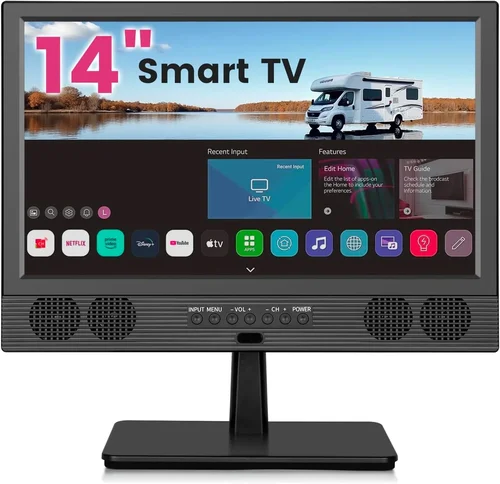
If you’re like most homeowners with a small outdoor space, you’ve probably dreamed of enjoying your favorite shows, sports games, or movies under the open sky—without worrying about glare, weather damage, or sky-high prices. A cheap patio TV might sound like a compromise, but in 2026, it doesn’t have to be. Thanks to rapid advancements in display technology, weather-resistant materials, and smart integration, today’s budget-friendly outdoor TVs deliver impressive performance without breaking the bank.
This guide is designed for real people with real patios—whether you’ve got a cozy balcony, a compact backyard setup, or a covered porch. We’ll walk you through everything you need to know to make a smart, informed decision. You’ll learn how to balance cost with quality, identify hidden gems in the budget segment, avoid common pitfalls, and ultimately choose a TV that enhances your outdoor living experience for years to come. No fluff, no hype—just practical, expert-backed advice tailored to small-space outdoor entertainment.
The market for outdoor TVs has evolved dramatically over the past few years. Once dominated by bulky, expensive models built for commercial use or large patios, it now includes a growing number of affordable, consumer-focused options. Brands like Samsung, LG, TCL, and even newcomers like Hisense and Vizio have introduced outdoor-ready or semi-outdoor models that perform surprisingly well in shaded or covered areas. Meanwhile, companies like SunBriteTV and Seura continue to offer premium all-weather solutions—but at a much higher price point. Our focus here is squarely on value: finding the best cheap patio TVs that deliver reliable performance, decent durability, and essential smart features, all while fitting comfortably within a typical household budget.
What to Look for When Buying Buying Guide
1. Budget & Price Range
When shopping for a cheap patio TV, your budget is the foundation of every decision. In 2026, you can find capable outdoor-capable TVs starting as low as $300 for a 32-inch model, with most quality options falling between $400 and $800. It’s tempting to go for the absolute cheapest option, but remember: outdoor viewing comes with unique challenges—glare, temperature swings, humidity—that demand more robust engineering than indoor TVs.
Set a realistic budget that includes not just the TV itself, but also any necessary accessories: weatherproof enclosures (if required), mounting hardware, extension cords rated for outdoor use, and possibly a soundbar if audio quality is important. A good rule of thumb is to allocate 10–15% of your total TV budget to these extras. For example, if you’re spending $600 on the TV, plan for another $60–$90 in supporting gear.
Also consider long-term value. A slightly more expensive TV with better brightness, smarter software, or a longer warranty may save you money over time by reducing the need for early replacement or repairs.
2. Performance Specifications
Not all TVs are created equal—especially when it comes to outdoor visibility. The two most critical specs for patio use are brightness (measured in nits) and contrast ratio. For shaded or covered patios, aim for at least 400 nits of brightness; if your space gets direct sunlight even part of the day, look for 700 nits or higher. Many budget indoor TVs advertise “outdoor mode” or “high brightness,” but verify actual nit ratings—marketing claims can be misleading.
Resolution matters too. While 1080p (Full HD) is still acceptable for smaller screens (32–43 inches), 4K UHD is now standard even in budget models and provides noticeably sharper detail, especially when streaming high-quality content. HDR support (HDR10, HLG, or Dolby Vision) enhances color and contrast, making skies bluer and shadows deeper—perfect for outdoor movie nights.
Refresh rate is less critical for casual viewing but worth noting if you watch sports or play games. A 60Hz panel is fine for most, but 120Hz models (even in budget tiers) offer smoother motion and are increasingly common in 2026.
3. Build Quality & Durability
Even on a covered patio, your TV will face temperature fluctuations, dust, and occasional moisture. Indoor TVs aren’t designed for this—their internal components can corrode or overheat. Look for models labeled “semi-outdoor,” “weather-resistant,” or “suitable for covered outdoor use.” These often feature sealed ports, corrosion-resistant circuitry, and better thermal management.
Check the operating temperature range. Most budget outdoor-friendly TVs function between 32°F and 104°F (0°C to 40°C). If you live in an area with extreme winters or scorching summers, ensure the TV can handle it. Also inspect the chassis: metal frames or reinforced plastic offer better longevity than flimsy all-plastic builds.
Don’t forget about the remote! Some budget models include basic remotes that aren’t weatherproof. Consider investing in a universal weather-resistant remote or using a smartphone app for control.
4. Features & Functionality
In 2026, smart functionality isn’t a luxury—it’s expected. Even cheap patio TVs should run a modern OS like Google TV, webOS, or Roku TV. These platforms offer seamless access to Netflix, YouTube, Disney+, and live TV apps, plus voice control via Google Assistant or Alexa. Avoid older or proprietary systems that limit app availability or receive infrequent updates.
Connectivity is key. Ensure your TV has at least three HDMI ports (one ARC/eARC for soundbars), USB ports for media playback, and Wi-Fi 5 or Wi-Fi 6 for stable streaming. Bluetooth is a nice bonus for wireless headphones or speakers.
Gaming features are increasingly common in budget models. Look for Auto Low Latency Mode (ALLM) and Variable Refresh Rate (VRR) if you plan to connect a console. While not essential for casual viewers, these can future-proof your setup.
5. Brand Reputation
Stick with established brands known for reliability and customer service. TCL, Hisense, and Vizio dominate the budget segment with strong track records in 2026. Samsung and LG offer slightly pricier but more polished options. Avoid no-name brands from unknown manufacturers—they may save you $50 upfront but often lack firmware updates, spare parts, or responsive support.
Research brand-specific outdoor initiatives. For example, TCL’s “Outdoor Mode” on select 4-Series and 5-Series models boosts brightness and optimizes color for daylight viewing. Hisense includes anti-glare coatings on its U6 and U7 series. These small touches make a big difference in real-world use.
Check third-party reviews from trusted sources like RTINGS.com, CNET, or Wirecutter. User forums (Reddit’s r/HTBuyingGuides, AVS Forum) also provide honest feedback from people who’ve tested these TVs in real outdoor conditions.
6. Warranty & Support
A good warranty can be the difference between a bargain and a headache. Most budget TVs come with a standard 1-year limited warranty, but some brands extend coverage for outdoor use. For example, certain TCL models include a 2-year warranty when used in covered outdoor spaces—verify this in the fine print.
Look for brands with accessible customer service. Can you reach a human quickly? Are replacement parts (like power cords or remotes) readily available? Avoid companies that only offer email support with slow response times.
Consider extended warranties cautiously. Retailers often push them at checkout, but they’re rarely worth it for sub-$800 TVs. Instead, use a credit card that offers purchase protection or extended warranty coverage.
7. Size & Portability
For small patios, screen size should match your viewing distance and space constraints. A 32-inch TV is ideal for balconies or tight corners (viewing distance: 4–6 feet). A 43-inch model works well for slightly larger patios (6–8 feet). Avoid going bigger than 50 inches unless you have ample space—oversized screens can overwhelm small areas and increase glare.
Portability matters if you plan to move the TV seasonally or store it indoors during winter. Lightweight models (under 20 lbs for 43-inch) with VESA-compatible mounts are easier to handle. Some brands sell optional outdoor carts or stands with wheels—useful for repositioning based on sun angle.
Wall mounting is usually the best option for stability and space savings. Ensure your patio wall or ceiling can support the weight and that you have access to power and signal sources. Use outdoor-rated mounting hardware rated for at least 2x the TV’s weight.
8. User Reviews & Ratings
Never rely solely on manufacturer specs. Real-world user reviews reveal quirks, failures, and hidden strengths. Pay attention to comments about brightness in daylight, remote responsiveness, app stability, and durability after months of outdoor use.
Look for patterns, not outliers. If multiple users report the same issue—say, Wi-Fi dropping in humid conditions—it’s likely a real flaw. Conversely, consistent praise for ease of setup or picture quality in shade is a strong endorsement.
Use Amazon, Best Buy, and Walmart review filters to sort by “verified purchase” and “most recent.” Older reviews may not reflect current firmware updates or revised models.
Different Types of Buying Guide

Common Buying Mistakes to Avoid
❌ Mistake: Buying a Standard Indoor TV for Full Outdoor Use
Why it’s bad: Indoor TVs lack weatherproofing, corrosion-resistant components, and adequate brightness for daylight viewing. Even on a covered patio, humidity and temperature swings can shorten their lifespan dramatically—often failing within 1–2 years.
What to do instead: Choose a model specifically rated for covered outdoor use or pair an indoor TV with a certified weatherproof enclosure (like those from Peerless-AV or MantelMount). Verify the enclosure is IP54 or higher rated.
❌ Mistake: Ignoring Brightness (Nits) Ratings
Why it’s bad: A dim TV turns your patio into a guessing game during daytime. Many budget models claim “outdoor visibility” but deliver only 300–350 nits—insufficient for anything beyond twilight viewing.
What to do instead: Prioritize TVs with at least 400 nits for shade, 700+ for partial sun. Check independent reviews for real-world brightness tests, not just manufacturer specs.
❌ Mistake: Overlooking Smart Platform Limitations
Why it’s bad: Some ultra-cheap TVs run outdated or locked-down operating systems with limited app support, slow updates, and poor voice control. You’ll miss out on new features and security patches.
What to do instead: Stick with Google TV, Roku TV, or webOS platforms. Test the interface in-store or watch demo videos online to ensure smooth navigation.
❌ Mistake: Skimping on Mounting Hardware
Why it’s bad: Using indoor mounts outdoors invites rust, instability, and potential collapse. Cheap plastic mounts can’t handle wind or vibration.
What to do instead: Invest in a heavy-duty, powder-coated steel mount rated for outdoor use. Ensure it’s compatible with your TV’s VESA pattern and includes tilt/swivel if needed.
❌ Mistake: Forgetting About Audio
Why it’s bad: Most budget TVs have weak built-in speakers that struggle outdoors due to open space and ambient noise (traffic, birds, etc.). You’ll end up straining to hear dialogue.
What to do instead: Budget for a compact outdoor soundbar or wireless speakers. Many 2026 models support Bluetooth audio output or HDMI ARC for easy connection.
❌ Mistake: Not Checking Return Policies
Why it’s bad: Outdoor performance can vary based on your specific environment. A TV that looks great in a showroom may disappoint on your sun-dappled patio.
What to do instead: Buy from retailers with generous return windows (30+ days) and free return shipping. Test the TV during different times of day before finalizing your decision.
❌ Mistake: Assuming All “Outdoor” TVs Are Equal
Why it’s bad: Terms like “outdoor-ready” or “weather-resistant” aren’t regulated. Some brands apply them loosely to indoor models with minor tweaks.
What to do instead: Look for specific certifications (e.g., IP rating, UL Outdoor Listing) and detailed spec sheets. When in doubt, contact customer support for clarification.
Budget Guidelines: How Much Should You Spend?
Entry-Level ($300–$450): This tier includes basic 32-inch to 43-inch models ideal for fully shaded patios or occasional use. Expect 1080p or entry-level 4K resolution, 400–500 nits brightness, and basic smart features (Roku or Google TV). Brands like TCL 4-Series and Hisense A6 are strong contenders here. You’ll likely need a separate sound solution and weatherproof mount. Best for renters or those testing the waters of outdoor entertainment.
Mid-Range ($450–$700): The sweet spot for most small-patio owners. These TVs offer 4K HDR, 500–700 nits brightness, robust smart platforms, and better build quality. Models like the TCL 5-Series (S555) or Hisense U6 include anti-glare coatings, improved thermal management, and often come with 2-year warranties for outdoor use. Audio is still modest, but HDMI ARC makes adding a soundbar easy. Perfect for regular evening viewing and weekend gatherings.
Premium ($700–$1,200): For enthusiasts who want near-all-weather performance without the full outdoor TV price tag. These include higher-end semi-outdoor models with 700+ nits, local dimming, Dolby Vision, and premium materials. Samsung’s The Terrace Lite and LG’s OLED Flex (outdoor mode) fall here. They handle partial sun well and offer longer lifespans. Ideal for three-season patios in moderate climates.
Luxury ($1,200+): Reserved for true all-weather, four-season use. Brands like SunBriteTV Veranda and Seura offer fully sealed, heated/cooled cabinets, 1,000–2,000 nits brightness, and commercial-grade durability. Overkill for most small patios—but if you live in Alaska or Arizona and use your space year-round, it’s worth considering. Not recommended for budget-conscious buyers.
Expert Tips for Getting the Best Deal
- Shop during seasonal sales: The best deals on outdoor-capable TVs happen in late winter (February–March) as retailers clear inventory for spring, and again in early fall (September) ahead of holiday shopping. Black Friday offers mixed value—some models are discounted, but selection is limited.
- Compare online vs. in-store: Online retailers (Amazon, Best Buy, Walmart) often have lower prices and better return policies, but in-store shopping lets you test brightness and interface responsiveness under controlled lighting. Use both: research online, then visit a store to compare finalists side-by-side.
- Look for open-box or refurbished units: Certified refurbished TVs from manufacturer outlets (e.g., TCL Renew, Samsung Outlet) can save 20–30% and come with full warranties. Open-box deals at Best Buy or Costco offer similar savings with minimal risk.
- Bundle accessories: Some retailers offer discounts when you buy a TV + mount + soundbar together. Even if the bundle seems slightly overpriced, the convenience and potential savings on individual items can make it worthwhile.
- Check for local rebates: Utility companies in sunny states (California, Arizona, Texas) sometimes offer rebates for energy-efficient outdoor electronics. It’s rare, but worth a quick search.
- Read the fine print on “outdoor use”: Some warranties void coverage if used outdoors—even in covered areas. Confirm the policy before buying. If unclear, ask for written confirmation from customer service.
- Test in your actual conditions: If possible, set up the TV on your patio for a day. Watch content at noon, dusk, and night. Note glare, color accuracy, and audio clarity. Most retailers allow returns within 15–30 days—use this window wisely.
- Consider future-proofing: Spend a little extra now for features you’ll appreciate later: HDMI 2.1 for gaming, Wi-Fi 6 for faster streaming, or a brighter panel if you plan to remove shading in the future.

Frequently Asked Questions
Q: Can I use a regular indoor TV on my covered patio?
A: Technically yes, but it’s not recommended for long-term use. Indoor TVs lack weatherproofing and aren’t built to handle humidity, temperature swings, or dust. If you do use one, invest in a certified weatherproof enclosure (IP54 or higher) and ensure the patio is fully covered with minimal direct exposure to elements. Expect a shorter lifespan—typically 1–3 years depending on climate.
Q: What’s the minimum brightness I need for a shaded patio?
A: For patios under solid roofs or deep eaves with no direct sunlight, 400 nits is sufficient. If your space gets dappled light or morning/evening sun, aim for 500–600 nits. Always check real-world reviews—some TVs lose significant brightness when viewed off-axis, which is common outdoors.
Q: Do I need a special mount for outdoor TVs?
A: Yes. Standard indoor mounts aren’t rated for outdoor conditions. Use a mount specifically labeled for outdoor use, made of rust-resistant materials (powder-coated steel or aluminum), and rated for at least twice your TV’s weight. Tilt and swivel features help adjust for sun glare.
Q: How do I protect my TV from rain if it’s only semi-outdoor rated?
A: Semi-outdoor TVs are designed for covered areas but shouldn’t be exposed to direct rain. Ensure your patio has an overhang of at least 12–18 inches, and avoid placing the TV near open sides or gutters. For extra protection, use a weatherproof cover when not in use (though this reduces convenience).
Q: Will my Wi-Fi reach the patio?
A: Possibly not. Concrete walls, distance, and interference can weaken signals. Test your current connection with a smartphone or laptop at the TV location. If weak, consider a Wi-Fi extender, mesh network node, or powerline adapter. Some 2026 TVs include stronger antennas or Wi-Fi 6 for better range.
Q: Can I leave my patio TV outside year-round?
A: Only if it’s a true all-weather model (like SunBriteTV) or you live in a mild climate and use a high-quality enclosure. Most semi-outdoor TVs are rated for three-season use. In areas with freezing temps or heavy snow, store the TV indoors during winter or use a heated outdoor cabinet.
Q: Are OLED TVs good for patios?
A: OLEDs offer stunning contrast and colors but struggle with brightness—most max out at 800 nits, and sustained high brightness can cause burn-in. They’re best for shaded patios used primarily at night. For daytime viewing, QLED or high-brightness LED models are better choices.
Q: What’s the difference between “outdoor TV” and “weather-resistant TV”?
A: “Outdoor TV” typically refers to fully sealed, all-weather models built for direct exposure. “Weather-resistant” usually means suitable for covered areas only, with some protection against moisture and dust but not immersion or heavy rain. Always check the IP rating and manufacturer guidelines.
Q: How long do budget patio TVs last?
A: With proper care, a quality semi-outdoor TV should last 5–7 years. Factors like climate, usage frequency, and build quality play big roles. Avoid leaving the TV on 24/7, and power it down during storms or extended absences.
Q: Can I connect a streaming device instead of using the built-in smart system?
A: Absolutely. Devices like Roku Streaming Stick+, Amazon Fire Stick 4K, or Apple TV 4K can enhance older or limited smart TVs. Just ensure your TV has an available HDMI port and sufficient brightness—the external device won’t improve picture quality, only content access.
Our Final Recommendations
Best for Budget-Conscious Buyers: TCL 43S555 (43-inch, 4K, Roku TV) – At around $450, this model delivers 500 nits brightness, solid Roku interface, and decent build quality. It includes an “Outdoor Mode” that boosts contrast and reduces glare. Pair it with a weatherproof mount and you’ve got a reliable setup for under $550 total.
Best Overall Value: Hisense 50U6H (50-inch, 4K ULED, Google TV) – Priced near $600, this TV offers 600+ nits, Dolby Vision, and excellent color accuracy. Its anti-reflective coating performs well in dappled light, and the Google TV platform is intuitive and update-friendly. A great balance of size, performance, and price.
Best Premium Option: Samsung The Terrace Lite 55” (QN55LT777) – Around $1,100, this is one of the few premium semi-outdoor models with 1,000 nits brightness, IP55 rating, and Samsung’s reliable Tizen OS. Ideal if you want near-all-weather performance without the full outdoor TV price.
Best for Beginners: Vizio V-Series 40” (V405-H13) – At $350, it’s simple, bright (450 nits), and runs SmartCast (Vizio’s user-friendly platform). Great for first-time outdoor TV owners who want plug-and-play ease.
Best for Advanced Users: LG 48” OLED Flex (48LX3QPUA) – While not fully outdoor-rated, its “Outdoor Mode” and 800-nit peak brightness make it viable for shaded patios. Perfect for cinephiles who prioritize picture quality and don’t mind careful placement.
Conclusion: Making the Right Choice
Choosing the right cheap patio TV isn’t about finding the lowest price—it’s about finding the best value for your specific space, climate, and viewing habits. By focusing on brightness, build quality, smart features, and real-world durability, you can enjoy years of outdoor entertainment without overspending or compromising on performance.
Remember: your patio is an extension of your home. The right TV should enhance that experience, not become a source of frustration. Prioritize your must-haves (brightness? size? smart features?), avoid the common pitfalls we’ve outlined, and take advantage of seasonal deals and expert tips to stretch your budget further.
Whether you’re sipping coffee on a sunny morning, hosting friends for a game night, or unwinding with a movie under the stars, a well-chosen patio TV transforms your small outdoor space into a true living area. So go ahead—make the investment, set it up right, and enjoy the show. Your perfect outdoor viewing experience is closer than you think.

