
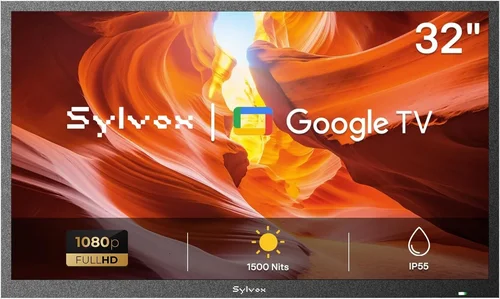
Outdoor entertaining has evolved dramatically over the past decade. What used to be limited to string lights, a grill, and maybe a portable speaker has now transformed into full-scale backyard entertainment zones—complete with outdoor kitchens, fire pits, and yes, even televisions. As summer parties become more elaborate and homeowners invest in their outdoor living spaces, the demand for reliable, weather-resistant patio TVs has surged. Whether you’re hosting a game-day watch party, screening a movie under the stars, or simply keeping up with your favorite show while lounging by the pool, having a dedicated outdoor TV can elevate your experience significantly.
But here’s the catch: not all TVs are built for the great outdoors. Standard indoor TVs may seem like a budget-friendly option, but they’re not designed to withstand humidity, temperature swings, dust, or direct sunlight. That’s why choosing the right patio TV—especially one that balances performance with affordability—is crucial. This guide is designed to help you navigate the often-confusing world of outdoor televisions, focusing specifically on finding high-quality, cost-effective options that won’t break the bank. You’ll learn how to evaluate key features, avoid common pitfalls, understand different product categories, and ultimately make a smart purchase that enhances your summer gatherings for years to come.
The market for outdoor TVs has expanded rapidly, with brands ranging from established electronics giants to niche outdoor tech specialists. While premium models can easily cost thousands of dollars, there are now compelling “cheap” options—defined here as those under $1,500—that deliver solid performance without sacrificing durability. These budget-friendly patio TVs often come with weatherproof enclosures, anti-glare screens, and smart functionality, making them ideal for casual entertainers who want reliability without overspending. In this comprehensive buying guide, we’ll break down everything you need to know to choose the best affordable outdoor TV for your space, style, and summer party needs.

What to Look for When Buying Buying Guide
1. Budget & Price Range
Setting a realistic budget is the first and most important step in your outdoor TV search. While “cheap” is relative, for the purposes of this guide, we’re focusing on patio TVs priced between $500 and $1,500—a range that offers excellent value for most homeowners. At this price point, you can expect fully weatherized units with decent brightness, basic smart features, and reliable build quality. Going below $500 often means compromising on critical outdoor-specific features like IP-rated protection or proper thermal management.
It’s also wise to factor in additional costs such as mounting hardware, cables rated for outdoor use, and possibly a weatherproof enclosure if you’re retrofitting an indoor TV (though we strongly recommend against this). Some retailers bundle these accessories, so look for package deals. Remember: investing slightly more upfront in a well-built outdoor TV can save you money long-term by avoiding premature replacements due to weather damage.
2. Performance Specifications
When evaluating performance, prioritize brightness (measured in nits), resolution, and refresh rate—especially for outdoor use. Standard indoor TVs typically range from 300 to 500 nits, which is insufficient for daylight viewing. For patios exposed to partial or full sun, aim for at least 700 nits, with 1,000+ nits being ideal. Many affordable outdoor TVs now feature high-brightness LED panels or anti-reflective coatings to combat glare.
Resolution-wise, 4K UHD is the sweet spot in 2026, offering crisp detail without the premium price of 8K. Most budget outdoor models support 4K, and paired with HDR10 or Dolby Vision, they deliver vibrant colors even in challenging lighting. Refresh rate matters less for casual viewing but consider 60Hz as a minimum; 120Hz is better if you plan to stream sports or fast-action content. Also check input lag if gaming outdoors—look for under 20ms for responsive gameplay.
3. Build Quality & Durability
Outdoor TVs must endure elements that indoor models never face: rain, snow, dust, extreme heat, and UV exposure. Look for an IP (Ingress Protection) rating—specifically IP55 or higher. IP55 means the TV is protected against low-pressure water jets and limited dust ingress, which is sufficient for most covered patios. For open-air installations or coastal areas, consider IP65 for full dust tightness and protection against water jets.
The chassis should be made of corrosion-resistant materials like powder-coated aluminum or stainless steel. Avoid plastic-heavy builds, as they degrade faster under UV light. Internal components must also be thermally managed—outdoor TVs often include fans or passive cooling systems to prevent overheating in summer months. Check whether the unit is rated for operating temperatures between -22°F and 122°F (-30°C to 50°C), which covers most global climates.
4. Features & Functionality
Modern budget outdoor TVs pack impressive smart features. Look for built-in Wi-Fi, Bluetooth, and support for popular streaming platforms like Netflix, YouTube, and Disney+. Android TV, Roku TV, or webOS interfaces are common in this price range and offer smooth navigation. Voice control via Google Assistant or Alexa is increasingly standard and adds convenience when your hands are full with party prep.
Connectivity is another key area. Ensure the TV has multiple HDMI ports (at least two), USB inputs, and an Ethernet port for wired internet if Wi-Fi is spotty outdoors. Some models include weatherproof cable glands or rear access panels to protect connections from moisture. Optional add-ons like outdoor soundbars or wireless speakers can enhance audio, as built-in TV speakers are often weak in open spaces.
5. Brand Reputation
Not all brands are created equal when it comes to outdoor durability. Stick with manufacturers known for reliable outdoor electronics. Names like SunBriteTV (now part of SkyVue), Seura, and Peerless have long histories in the space, but newer entrants like Sylvane, Outdoor TV Direct, and even mainstream brands like Samsung (with their Terrace series) offer competitive budget options.
Research customer service responsiveness and parts availability. A brand with a strong U.S.-based support team and readily available replacement components will save headaches down the line. Avoid obscure no-name brands sold exclusively through third-party marketplaces—they often lack proper certifications and warranties.
6. Warranty & Support
A robust warranty is a strong indicator of a manufacturer’s confidence in their product. For outdoor TVs, look for at least a 2-year limited warranty covering both parts and labor. Some premium budget models offer 3 years, and a few include on-site service. Avoid brands that only provide 1-year coverage or exclude weather-related damage—this is a red flag.
Read the fine print: does the warranty require professional installation? Are there exclusions for coastal environments or extreme temperatures? Also verify return policies—most reputable sellers allow 30-day returns if the unit fails to meet expectations. Keep all documentation and register your product promptly to activate coverage.
7. Size & Portability
Size directly impacts viewing experience and installation complexity. For most patios, 55-inch to 65-inch screens strike the best balance between visibility and space efficiency. Smaller 43-inch models work well for intimate decks or covered porches, while 75-inch units suit large backyards but may stretch your budget.
Portability matters if you plan to move the TV seasonally or between locations (e.g., from patio to garage). Some budget outdoor TVs come with optional rolling stands or lightweight frames, but most are intended for permanent mounting. Wall mounts should be VESA-compatible and rated for outdoor use—look for corrosion-resistant bolts and seals.
8. User Reviews & Ratings
Never rely solely on manufacturer specs. Real-world user feedback reveals hidden strengths and weaknesses. Focus on reviews from buyers who’ve used the TV in similar conditions—ask yourself: “Did they install it in full sun? How’s the brightness at noon? Any issues after winter?”
Platforms like Amazon, Best Buy, and specialty outdoor retailers often include verified purchase reviews with photos. Pay attention to recurring complaints—e.g., “speaker distorts at high volume” or “Wi-Fi drops in rain”—as these signal design flaws. Conversely, consistent praise for ease of setup or customer service can boost confidence in a purchase.
Different Types of Buying Guide

Common Buying Mistakes to Avoid
❌ Mistake: Buying an Indoor TV for Outdoor Use
Why it’s bad: Indoor TVs lack weatherproofing, corrosion-resistant materials, and proper thermal regulation. Exposure to moisture, dust, or temperature extremes can cause immediate failure or drastically shorten lifespan. Many indoor models also suffer from severe glare in daylight, making them unwatchable outdoors.
What to do instead: Invest in a purpose-built outdoor TV or use a certified outdoor enclosure if absolutely necessary. The extra cost is justified by longevity and safety—indoor TVs can overheat and pose fire risks when used outside.
❌ Mistake: Ignoring Sunlight Conditions
Why it’s bad: A TV that looks great in shade may be invisible in direct sun. Many buyers underestimate how much brightness is needed for daytime viewing, leading to disappointment during summer parties.
What to do instead: Assess your patio’s sun exposure. If it gets direct afternoon sun, choose a model with at least 1,000 nits brightness and an anti-reflective screen. For shaded areas, 700 nits may suffice.
❌ Mistake: Overlooking Audio Quality
Why it’s bad: Outdoor environments drown out built-in TV speakers. Without proper audio, dialogue becomes inaudible during gatherings, ruining the viewing experience.
What to do instead: Budget for an outdoor soundbar or wireless speakers. Many affordable options like the Bose TV Speaker or Sonos Move integrate seamlessly and are weather-resistant.
❌ Mistake: Skimping on Mounting Hardware
Why it’s bad: Standard indoor mounts aren’t rated for outdoor conditions. Rust, vibration, and wind can loosen fittings, risking damage or injury.
What to do instead: Use marine-grade stainless steel mounts with silicone seals. Ensure the mount is VESA-compatible and rated for your TV’s weight plus a safety margin.
❌ Mistake: Neglecting Cable Management
Why it’s bad: Exposed cables invite water ingress, pests, and tripping hazards. Poorly routed wires can also interfere with signal quality.
What to do instead: Use conduit or waterproof cable raceways. Choose flat, outdoor-rated HDMI and power cables, and seal all connection points with silicone tape.
❌ Mistake: Assuming All “Outdoor” TVs Are Equal
Why it’s bad: Some brands label TVs as “outdoor-ready” but only include basic weather resistance. These may fail in harsh conditions or lack key features like thermal fans.
What to do instead: Verify IP ratings, operating temperature ranges, and internal cooling systems. Read third-party reviews and avoid marketing fluff.
❌ Mistake: Not Planning for Power and Connectivity
Why it’s bad: Running extension cords across patios creates tripping hazards and voltage drops. Weak Wi-Fi signals lead to buffering during streams.
What to do instead: Install a dedicated outdoor GFCI outlet near the TV. Use a weatherproof Wi-Fi extender or mesh network to ensure strong signal coverage.
Budget Guidelines: How Much Should You Spend?
Entry-Level ($500–$700): This tier includes basic covered patio models or indoor TVs paired with entry-level enclosures. Expect 43–50 inch screens, 700–800 nits brightness, and limited smart features. Ideal for shaded decks or seasonal use. Brands like Sylvane and Outdoor TV Direct offer reliable options here.
Mid-Range ($700–$1,100): The sweet spot for most buyers. These TVs feature 55–65 inch 4K displays, 900–1,200 nits brightness, IP55 ratings, and full smart platforms. Models like the SkyVue Pro 55 or Samsung Terrace Lite deliver excellent value with robust build quality and 2–3 year warranties.
Premium ($1,100–$1,500): For enthusiasts who want top-tier performance without luxury pricing. Expect 65–75 inch screens, 1,500+ nits brightness, advanced HDR, and enhanced thermal systems. Units like the Peerless Paramount 65 offer near-commercial durability and superior color accuracy.
Luxury ($1,500+): Reserved for full-sun installations or professional setups. These include commercial-grade displays with 2,000+ nits, 24/7 operation capability, and extended warranties. While beyond our “cheap” scope, they’re worth noting for comparison.
Expert Tips for Getting the Best Deal
- Buy in Spring: Demand peaks in summer, so manufacturers and retailers discount older inventory in March through May. You can save 15–25% by shopping early.
- Check Refurbished Options: Certified refurbished outdoor TVs from reputable sellers often come with full warranties and cost 20–30% less than new units.
- Bundle Accessories: Look for packages that include mounts, cables, and soundbars. These can save $100+ compared to buying separately.
- Compare Total Cost of Ownership: Factor in warranty length, energy efficiency, and expected lifespan. A $900 TV with a 3-year warranty may be cheaper long-term than a $600 model needing replacement in 2 years.
- Test Before Committing: If possible, visit a showroom to evaluate brightness and color accuracy in person. Online images don’t capture real-world glare performance.
- Negotiate with Local Installers: Some outdoor AV specialists offer discounted TV pricing when bundled with installation services.
- Use Price Tracking Tools: Browser extensions like Honey or CamelCamelCamel alert you when prices drop on specific models.
- Verify Return Windows: Ensure you have at least 30 days to return the TV if it doesn’t meet expectations—critical for testing in your actual environment.

Frequently Asked Questions
Q: Can I use a regular TV outdoors if it’s under a roof?
A: Technically yes, but it’s not recommended. Even covered patios experience humidity, temperature swings, and dust. Over time, these factors degrade internal components. A purpose-built outdoor TV or proper enclosure is a safer, longer-lasting investment.
Q: Do outdoor TVs need special outlets?
A: They use standard 120V power, but you should install a GFCI (Ground Fault Circuit Interrupter) outlet outdoors for safety. This protects against electrical shocks in wet conditions.
Q: How do I clean my outdoor TV screen?
A: Use a microfiber cloth and distilled water only. Avoid ammonia-based cleaners or paper towels, which can scratch anti-reflective coatings. Wipe gently when the TV is off and cool.
Q: Will an outdoor TV work in winter?
A: Most budget models are rated for temperatures as low as -22°F (-30°C), so they’ll function in cold climates. However, avoid turning them on immediately after extreme cold—let them acclimate for 1–2 hours.
Q: Can I mount an outdoor TV on a brick wall?
A: Yes, but use masonry anchors and stainless steel lag bolts. Ensure the wall can support the TV’s weight (typically 30–60 lbs). Consider consulting a professional for heavy units.
Q: Do outdoor TVs consume more power?
A: Slightly, due to higher brightness and cooling systems. However, modern LED models are still energy-efficient. Look for ENERGY STAR certification to minimize electricity costs.
Q: What’s the difference between IP55 and IP65?
A: IP55 protects against low-pressure water jets and limited dust. IP65 offers full dust tightness and protection against water jets from any direction—better for open or coastal areas.
Q: Can I stream 4K content reliably outdoors?
A: Yes, if your Wi-Fi signal is strong. Use a mesh network or outdoor Wi-Fi extender to ensure consistent bandwidth. Wired Ethernet is even more reliable.
Q: Are outdoor TVs loud?
A: The TVs themselves aren’t louder, but their cooling fans can produce a faint hum. Choose models with quiet fan designs or passive cooling if noise is a concern.
Q: How long do budget outdoor TVs last?
A: With proper care, most last 5–7 years. Higher-end models may reach 10 years. Regular maintenance (cleaning vents, checking seals) extends lifespan.
Our Final Recommendations
Best for Budget-Conscious Buyers: Sylvane Outdoor 55″ 4K UHD ($649) – Offers IP55 rating, 800 nits brightness, and Roku TV built-in. Perfect for shaded patios and first-time buyers.
Best Overall Value: SkyVue Pro 55 ($999) – Combines 1,000 nits brightness, Android TV, and a 3-year warranty. Excellent for partial sun and frequent entertainers.
Best Premium Option (Under $1,500): Peerless Paramount 65 ($1,399) – Features 1,500 nits, Dolby Vision, and commercial-grade durability. Ideal for full-sun decks and serious hosts.
Best for Beginners: Outdoor TV Direct 50″ Covered Patio Model ($579) – Simple setup, reliable performance, and great customer support. No-frills but highly dependable.
Best for Advanced Users: Samsung The Terrace Lite 65 ($1,199) – Packs smart features, voice control, and seamless integration with Samsung ecosystems. Great for tech-savvy homeowners.
Conclusion: Making the Right Choice
Choosing the right cheap patio TV for your summer parties doesn’t have to be overwhelming—or expensive. By focusing on key factors like brightness, weather resistance, smart functionality, and real-world durability, you can find a model that delivers exceptional value without compromising on performance. Remember, the goal isn’t just to save money upfront, but to invest in a TV that enhances your outdoor lifestyle for years to come.
Prioritize your specific needs: Do you host large gatherings in full sun? Or enjoy quiet evenings on a covered porch? Your answer will guide your choice more than any spec sheet. And don’t forget the often-overlooked elements like audio, mounting, and connectivity—they’re just as important as the screen itself.
With the insights from this guide, you’re now equipped to shop confidently, avoid costly mistakes, and select a patio TV that turns your backyard into the ultimate summer destination. So go ahead—fire up the grill, invite your friends, and press play. Your perfect outdoor entertainment setup is within reach.

