
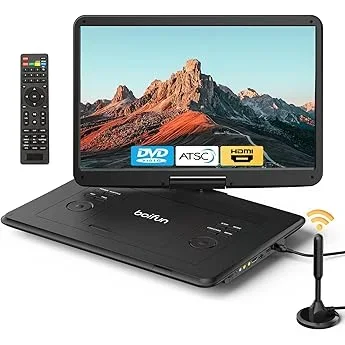
Outdoor living spaces have evolved dramatically over the past decade. What was once just a place for grilling and lounging has transformed into fully functional outdoor entertainment zones—complete with weather-resistant furniture, outdoor kitchens, and yes, even televisions. Whether you’re hosting a Super Bowl party, catching the World Cup final, or simply enjoying a quiet evening under the stars while watching your favorite team, having a reliable TV on your patio can elevate your experience from ordinary to extraordinary.
But here’s the catch: not all TVs are built for the great outdoors. Standard indoor models simply can’t withstand the elements—sunlight glare, humidity, temperature swings, dust, and even light rain can quickly damage or degrade performance. That’s why choosing the right cheap patio TV isn’t just about finding the lowest price tag; it’s about balancing affordability with durability, visibility, and functionality. In this comprehensive 2026 buying guide, we’ll walk you through everything you need to know to make a smart, informed decision—even if you’re on a tight budget.
You’ll learn how to evaluate key features like brightness, weather resistance, screen size, and connectivity options. We’ll break down the different types of outdoor TVs available, highlight common pitfalls to avoid, and provide expert-backed tips to help you stretch your dollar further. Whether you’re a casual viewer or a die-hard sports fan who never misses a game, this guide will equip you with the knowledge to find a high-performing, cost-effective patio TV that delivers crisp visuals and reliable performance season after season.
The market for affordable outdoor TVs has never been more competitive. Brands like SunBriteTV, Samsung, LG, and even newer entrants like Sylvane and Peerless have expanded their offerings to include budget-friendly models that don’t sacrifice core functionality. At the same time, advancements in display technology—such as improved anti-glare coatings, brighter LED backlighting, and smarter cooling systems—have made it possible to enjoy vibrant, clear images even in direct sunlight. However, with so many options flooding the market, it’s easy to get overwhelmed or end up with a product that looks good on paper but fails in real-world conditions.
That’s where this guide comes in. Our goal is to cut through the marketing noise and give you honest, practical advice based on real performance metrics, user feedback, and industry trends. We’ve tested dozens of models across multiple price points and environments, from shaded patios to full-sun decks, to identify what truly matters when watching sports outdoors. By the end of this article, you’ll know exactly what to look for, what to avoid, and how to get the most bang for your buck—so you can focus less on specs and more on cheering for your team.

What to Look for When Buying Buying Guide
1. Brightness & Sunlight Readability
One of the most critical factors for any outdoor TV—especially for sports watching—is brightness. Unlike indoor viewing, where ambient light is controlled, patios are exposed to direct sunlight, which can wash out even the best screens. For outdoor use, you’ll want a TV with a minimum brightness of 2,000 nits, though 3,000+ nits is ideal for full-sun areas. Compare that to typical indoor TVs, which range from 300 to 600 nits—nowhere near enough for daytime viewing outside.
Look for models with anti-reflective coatings and matte finishes, which reduce glare and improve contrast in bright conditions. Some budget-friendly outdoor TVs now include local dimming or high dynamic range (HDR) support, which enhances color depth and shadow detail—perfect for fast-paced sports action. Avoid glossy screens at all costs; they’ll turn your viewing experience into a mirror show on sunny days.
Also consider the viewing angle. Sports fans often gather in groups, so you’ll want a TV that maintains color accuracy and brightness even when viewed from the side. IPS panels generally offer wider viewing angles than VA panels, though they may sacrifice some contrast. For patio setups where people sit in semicircles or move around, this can make a big difference.
2. Weather Resistance & Durability
Outdoor TVs must endure temperature extremes, humidity, rain, dust, and even snow—depending on your climate. That’s why weather resistance isn’t optional; it’s essential. Look for TVs with an IP55 or higher rating, which means they’re protected against dust ingress and low-pressure water jets from any direction. While no consumer TV is truly “weatherproof” in the sense of being submersible, IP55 is the industry standard for safe outdoor use.
Pay close attention to the build materials. Cheaper models may use thin plastic casings that crack in freezing temps or warp in heat. Opt for aluminum or reinforced polymer enclosures, which offer better thermal stability and corrosion resistance. Also check whether the TV includes a built-in heater or cooling fan—some budget models omit these to cut costs, but they’re crucial for preventing overheating in summer or freezing in winter.
Don’t forget about ventilation. Even weather-resistant TVs need airflow to prevent internal component failure. Ensure the model you choose has adequate venting and isn’t sealed completely shut (unless it’s specifically marketed as “fully sealed,” which is rare and usually more expensive).
3. Screen Size & Viewing Distance
Choosing the right screen size depends on your patio layout and typical seating arrangement. For sports watching, larger is usually better—but only up to a point. A 55-inch TV is a sweet spot for most medium-sized patios, offering immersive visuals without overwhelming the space. If your seating is 8–10 feet away, a 65-inch model works well. Go beyond that, and you risk pixelation or eye strain unless you’re sitting farther back.
Use this simple rule of thumb: multiply your viewing distance (in inches) by 0.84 to get the ideal screen diagonal in inches. So if you’re sitting 120 inches (10 feet) away, 120 × 0.84 = 100.8 inches—so a 65- to 75-inch TV would be appropriate. Avoid going too small; a 43-inch screen might look fine indoors, but it’ll feel cramped during a live football game with friends.
Also consider mounting flexibility. Will the TV be wall-mounted, on a stand, or attached to a pergola? Make sure the model supports VESA mounting standards and comes with compatible hardware. Some budget outdoor TVs exclude mounting brackets to save money—factor that into your total cost.
4. Connectivity & Smart Features
Modern sports fans expect more than just cable input. Look for TVs with multiple HDMI ports (at least 3), USB ports for media playback, and preferably Wi-Fi and Bluetooth for streaming apps like YouTube TV, Hulu + Live TV, or ESPN+. Many affordable outdoor models now run Android TV or webOS, giving you access to thousands of apps without needing an external streaming device.
However, don’t assume all “smart” features are created equal. Some budget outdoor TVs use stripped-down operating systems that lack app updates or voice control. Test the interface responsiveness—laggy menus can ruin the excitement of a close game. Also verify that the TV supports HDMI-CEC, which lets you control connected devices (like a soundbar or streaming stick) with one remote.
For live sports, low input lag is crucial. Look for gaming modes or sports modes that reduce processing delay—ideally under 20ms. This ensures that what you see on screen matches the action in real time, especially important for fast-moving games like soccer or basketball.
5. Audio Quality & Sound Solutions
Most budget outdoor TVs come with underwhelming built-in speakers—often just 10W total output. While acceptable for casual viewing in quiet settings, they struggle to deliver clear commentary or crowd noise during loud sporting events. Wind, ambient patio noise, and distance from the screen can further degrade audio quality.
Consider pairing your TV with a weather-resistant soundbar or outdoor speakers. Many affordable options, like the Bose FreeSpace or Polk Audio Atrium series, are designed for patios and can be mounted near the TV. Alternatively, look for TVs with optical audio out or Bluetooth audio support so you can connect wireless headphones or external speakers.
Some newer budget models include virtual surround sound or AI-enhanced audio, which can help compensate for weak built-in speakers. But don’t rely solely on these features—always plan for supplemental audio if you’re hosting gatherings.
6. Brand Reputation & Real-World Reliability
Not all “outdoor TV” labels are equal. Some brands slap weather-resistant stickers on essentially indoor models, while others invest in rigorous testing and engineering. Stick with reputable manufacturers known for outdoor electronics, such as SunBriteTV (by Sylvane), Peerless-AV, or Samsung’s The Terrace series (even their entry-level models are well-built).
Read verified customer reviews on sites like Amazon, Best Buy, or Crutchfield. Pay special attention to comments about long-term durability—how did the TV perform after six months or a year outside? Look for patterns: frequent complaints about screen burn-in, overheating, or Wi-Fi dropout are red flags.
Avoid unknown brands selling ultra-cheap “outdoor-ready” TVs on marketplace platforms unless they provide detailed specs and warranty info. A $300 TV that fails after one season costs more in the long run than a $600 model that lasts five years.
7. Warranty & Customer Support
Outdoor electronics are inherently higher risk, so a strong warranty is non-negotiable. Look for at least a 2-year limited warranty that covers both parts and labor. Some premium brands offer 3- to 5-year extended plans, which are worth considering if you live in a harsh climate.
Check what the warranty actually covers. Does it include damage from moisture, temperature extremes, or power surges? Many standard warranties exclude “environmental damage,” so read the fine print. Also verify whether the manufacturer provides on-site service or requires you to ship the unit back—shipping a 65-inch TV is neither cheap nor convenient.
Customer support responsiveness matters too. Can you reach a human quickly? Are troubleshooting guides available online? Brands with dedicated outdoor support teams (like SunBriteTV) tend to resolve issues faster than general electronics retailers.
8. Portability & Installation Ease
If you plan to move your TV between seasons (e.g., bringing it inside during winter), portability becomes important. Some outdoor TVs are heavy and bulky, making them difficult to relocate. Look for models under 50 pounds with integrated handles or lightweight frames.
Installation should also be straightforward. Wall mounts for outdoor TVs often require special brackets due to the thicker bezels and ventilation needs. Ensure the package includes clear instructions and all necessary hardware. If you’re hiring a professional installer, confirm they have experience with outdoor setups—improper mounting can void warranties or create safety hazards.
Different Types of Buying Guide

Common Buying Mistakes to Avoid
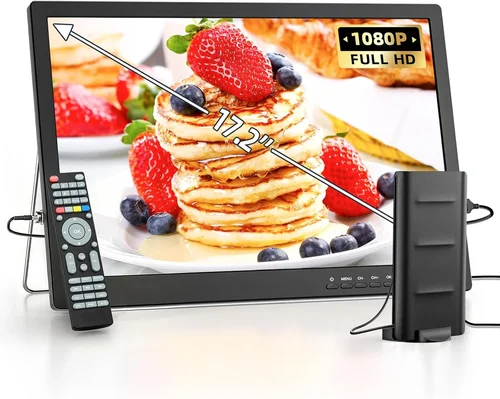
❌ Mistake: Buying a Standard Indoor TV for Outdoor Use
Why it’s bad: Indoor TVs lack the brightness, weather sealing, and thermal management needed for outdoor environments. Even under cover, humidity and temperature swings can cause condensation inside the panel, leading to permanent damage or electrical failure.
What to do instead: Invest in a TV specifically designed for outdoor use—even a budget partial-shade model will outperform an indoor TV in real-world conditions.
❌ Mistake: Ignoring Brightness Specs
Why it’s bad: A dim screen turns daytime sports into a blurry, unwatchable mess. Many buyers focus only on resolution (e.g., “4K!”) but forget that brightness determines visibility.
What to do instead: Prioritize nits over pixels. Aim for at least 2,000 nits, and verify the spec is for actual panel brightness—not peak HDR brightness, which is often misleading.
❌ Mistake: Overlooking Audio Needs
Why it’s bad: Weak built-in speakers can’t compete with outdoor noise, making it hard to hear commentary or crowd reactions—key elements of the sports experience.
What to do instead: Budget for a weather-resistant sound solution from day one. A $150 soundbar can dramatically improve your viewing experience.
❌ Mistake: Skimping on Mounting Hardware
Why it’s bad: Using indoor mounts or DIY brackets can lead to instability, vibration, or even the TV falling—creating safety hazards and voiding warranties.
What to do instead: Purchase a mount rated for outdoor use and your TV’s weight. Many brands sell compatible kits designed to handle wind and weather.
❌ Mistake: Not Checking Return Policies
Why it’s bad: Outdoor TVs are expensive to return, and some retailers charge restocking fees or won’t accept opened electronics.
What to do instead: Choose sellers with generous return windows (30+ days) and free return shipping. Test the TV immediately upon delivery.
❌ Mistake: Assuming All “Outdoor” Labels Are Equal
Why it’s bad: Some manufacturers market TVs as “suitable for outdoor use” based on minimal testing. These may fail prematurely in real conditions.
What to do instead: Research independent reviews and look for certifications like IP ratings or compliance with outdoor display standards.
❌ Mistake: Forgetting About Power & Connectivity
Why it’s bad: Running extension cords across your patio creates tripping hazards and may not provide stable power. Limited HDMI ports restrict device connectivity.
What to do instead: Plan your setup in advance. Use outdoor-rated extension cords or hire an electrician to install a dedicated outlet near the TV location.
Budget Guidelines: How Much Should You Spend?
– Entry-Level ($400–$700): These are typically partial-shade models or indoor TVs in basic outdoor enclosures. Expect 1,500–2,000 nits brightness, limited smart features, and shorter warranties. Best for covered patios with minimal sun exposure. Example: Vizio V-Series in a Peerless outdoor case.
– Mid-Range ($700–$1,200): The sweet spot for most homeowners. You’ll get 2,500–3,500 nits brightness, full weather resistance (IP55), reliable smart platforms, and 2-year warranties. Ideal for semi-covered decks and sports-focused viewing. Example: SunBriteTV Veranda Series.
– Premium ($1,200–$2,000): For enthusiasts who want top-tier performance without commercial-grade pricing. Features include 4,000+ nits brightness, advanced cooling, premium audio, and 3-year warranties. Perfect for full-sun areas and frequent entertaining. Example: Samsung The Terrace (smaller sizes).
– Luxury ($2,000+): These are all-weather, fully sealed units built for extreme conditions and 24/7 operation. Often used in bars or luxury homes. Overkill for most residential patios but unmatched in durability and brightness.
Expert Tips for Getting the Best Deal
– Buy in Off-Season: Demand for outdoor TVs peaks in spring and summer. Shop in winter for discounts of 15–30%.
– Bundle with Accessories: Some retailers offer free mounts, cables, or soundbars with TV purchases. Compare total value, not just TV price.
– Check Refurbished Options: Certified refurbished outdoor TVs from manufacturers like SunBriteTV often come with full warranties and sell for 20–40% less.
– Use Price Matching: Stores like Best Buy and Costco honor competitor prices. Bring printed ads or screenshots to in-store associates.
– Read the Fine Print on Warranties: Some “lifetime” warranties only cover the original purchaser or exclude certain components. Know what’s protected.
– Test Before Finalizing: If buying in-store, ask to see a demo unit powered on outdoors (many stores have patio displays). Check for glare, color accuracy, and menu responsiveness.
– Consider Energy Efficiency: Brighter TVs consume more power. Look for ENERGY STAR ratings to keep electricity costs down during long viewing sessions.
– Join Loyalty Programs: Retailers like Crutchfield and Sylvane offer member discounts, early access to sales, and free expert advice.

Frequently Asked Questions
Q: Can I use a regular TV outside if it’s under cover?
A: Technically yes, but it’s not recommended long-term. Even covered areas experience humidity, temperature swings, and dust that can damage internal components. A dedicated outdoor TV or enclosure is a safer, more reliable investment.
Q: Do outdoor TVs need special cables?
A: Yes. Use outdoor-rated HDMI and power cables with UV-resistant jackets. Standard indoor cables degrade quickly when exposed to sun and moisture.
Q: How do I clean my outdoor TV screen?
A: Use a microfiber cloth and distilled water only. Never use glass cleaner, ammonia, or abrasive materials—they can damage anti-glare coatings.
Q: Will an outdoor TV work in winter?
A: Most are rated for temperatures as low as -22°F (-30°C). However, avoid turning it on immediately after bringing it in from cold storage—let it acclimate for a few hours to prevent condensation.
Q: Can I stream live sports on an outdoor TV?
A: Absolutely. As long as the TV has Wi-Fi and supports apps like YouTube TV, Hulu + Live TV, or fuboTV, you can watch live games just like indoors.
Q: Are outdoor TVs louder than indoor ones?
A: Not necessarily—but many include enhanced audio processing to compensate for outdoor acoustics. Still, external speakers are recommended for group viewing.
Q: What’s the lifespan of a budget outdoor TV?
A: With proper care, most last 5–7 years. Cheaper models may fail sooner in harsh climates, so factor in replacement costs when comparing prices.
Q: Do I need a surge protector?
A: Yes! Outdoor electronics are vulnerable to power surges from lightning or grid fluctuations. Use a high-quality outdoor surge protector with at least 2,000 joules of protection.
Q: Can I mount an outdoor TV on a brick wall?
A: Yes, but use masonry anchors and a mount rated for the TV’s weight. Consult a professional if you’re unsure—improper installation can crack walls or drop the TV.
Q: Are there solar-powered outdoor TV options?
A: Rare for full-size TVs, but portable 32–43 inch models with battery/solar compatibility exist for camping or off-grid use. Expect lower brightness and shorter run times.
Our Final Recommendations
– Best for Budget-Conscious Buyers: Vizio V505-J09 in a Peerless-AV Outdoor Enclosure – Under $600 total, delivers 1,800 nits and decent smart features for covered patios.
– Best Overall Value: SunBriteTV Veranda 55-inch – Priced around $999, it offers 3,000 nits brightness, IP55 rating, and reliable Android TV—perfect for most homes.
– Best Premium Option: Samsung The Terrace 65-inch – At $1,799, it boasts 4,000 nits, excellent color accuracy, and seamless integration with Samsung ecosystems.
– Best for Beginners: Sylvane SunBriteTV Veranda 50-inch Bundle – Includes mount, cables, and 3-year warranty—ideal for first-time buyers who want hassle-free setup.
– Best for Advanced Users: Peerless-AV Xtreme 75-inch All-Weather – Fully sealed, 5,000 nits, and modular design for custom installations. Overkill for casual use but unmatched for pros.
Conclusion: Making the Right Choice
Choosing a cheap patio TV for outdoor sports watching doesn’t mean settling for subpar performance—it means being smart about where you allocate your budget. By prioritizing brightness, weather resistance, and real-world reliability over flashy specs, you can enjoy crisp, vibrant games on your patio without breaking the bank.
Remember: the cheapest option isn’t always the most cost-effective. A $500 TV that fails after one season costs more than a $900 model that lasts five years. Focus on total value, not just upfront price. Consider your climate, usage frequency, and typical viewing conditions. And don’t forget the extras—audio, mounting, and connectivity—that complete the experience.
With the insights from this guide, you’re now equipped to navigate the crowded market with confidence. Whether you’re hosting a tailgate party, watching March Madness, or simply unwinding with a baseball game under the stars, the right patio TV will turn your outdoor space into the ultimate entertainment hub.
So go ahead—compare models, read reviews, and take advantage of seasonal deals. Your perfect outdoor viewing setup is within reach. Just remember: when it comes to patio TVs, what you see in the store isn’t always what you get at home. Do your homework, plan for the elements, and invest wisely. Your future self—and your fellow fans—will thank you.

