
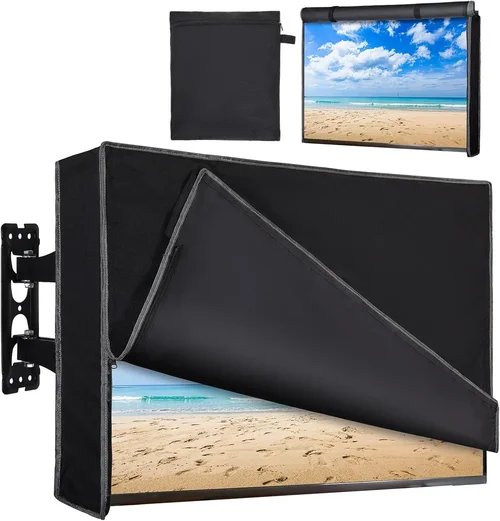
Outdoor living spaces have evolved dramatically over the past decade. What was once just a place for grilling and casual seating has transformed into fully functional outdoor rooms—complete with weather-resistant furniture, ambient lighting, sound systems, and yes, even televisions. For many homeowners, a covered patio is the perfect spot to unwind after a long day, host friends for game night, or catch up on your favorite shows while enjoying the fresh air. But bringing entertainment outdoors isn’t as simple as dragging your living room TV outside and hoping for the best. That’s where a dedicated patio TV comes in.
Choosing the right TV for your covered patio—especially when you’re on a budget—requires careful consideration. Unlike indoor TVs, patio models must withstand humidity, temperature fluctuations, dust, and occasional splashes—even under a roof. At the same time, you still want solid picture quality, smart features, and reliable performance without breaking the bank. The good news? The market has expanded significantly in recent years, offering more affordable options than ever before. However, with so many choices flooding the market, it’s easy to get overwhelmed or make a costly mistake.
This comprehensive buying guide is designed to cut through the noise and help you make a smart, informed decision. Whether you’re looking for a compact 32-inch model for a small balcony or a larger 55-inch screen for a spacious covered deck, we’ll walk you through every critical factor—from weather resistance and brightness to smart capabilities and warranty coverage. You’ll learn how to balance cost with performance, avoid common pitfalls, and find the best value for your specific needs. By the end of this guide, you’ll know exactly what to look for, where to shop, and how to get the most bang for your buck when buying a cheap patio TV in 2026.
What to Look for When Buying Buying Guide
1. Weather Resistance & IP Rating
One of the most critical factors when selecting a patio TV is its ability to handle outdoor conditions—even under a covered structure. While your TV won’t be exposed to direct rain or snow, it will still face humidity, temperature swings, dust, and occasional moisture from sprinklers or nearby pools. That’s why checking the IP (Ingress Protection) rating is essential. The IP rating tells you how well the TV resists solids (like dust) and liquids (like water).
For covered patios, look for a minimum IP54 rating—this means the TV is protected against limited dust ingress and splashing water from any direction. If your patio is partially open or near a pool, consider stepping up to IP55 or IP65 for added peace of mind. Avoid TVs with no IP rating or vague “weather-resistant” claims without certification. These may save money upfront but could fail prematurely due to corrosion or internal damage.
Also, pay attention to internal components. Some budget patio TVs use standard indoor panels housed in protective casings, which can trap heat and reduce lifespan. Higher-quality models often feature sealed cooling systems, anti-corrosion coatings, and UV-resistant materials to extend durability. Always verify that both the screen and internal electronics are designed for outdoor use—not just the outer shell.
2. Brightness & Anti-Glare Performance
Even under a covered patio, ambient light can be a major challenge. Sunlight reflecting off concrete, water, or nearby surfaces can wash out your screen, making it hard to see details—especially during daytime viewing. This is why brightness matters far more for outdoor TVs than indoor ones.
Look for a minimum brightness of 500 nits (cd/m²), but ideally aim for 700 nits or higher. Some premium outdoor TVs boast over 1,000 nits, which ensures excellent visibility even in bright conditions. However, since we’re focusing on budget-friendly options, you may need to compromise slightly—just don’t go below 450 nits unless your patio is deeply shaded.
Equally important is anti-glare technology. Many cheap patio TVs skimp on matte finishes or optical coatings, leaving you squinting at reflections. Seek models with anti-reflective screens or those specifically marketed as “sunlight-readable.” Some brands use special polarizing filters or nano-textured glass to minimize glare without sacrificing color accuracy. A quick test: if possible, view the TV in person under similar lighting conditions to your patio.
3. Build Quality & Durability
Cheap doesn’t have to mean flimsy—but it often does. When shopping for an affordable patio TV, scrutinize the build quality carefully. Start with the chassis: is it made of sturdy metal or thin plastic? Metal enclosures offer better heat dissipation and resist warping in humid environments. Plastic housings may crack or yellow over time when exposed to UV rays.
Check the mounting system too. Many budget patio TVs come with basic VESA-compatible brackets, but ensure they’re rated for outdoor use and include corrosion-resistant hardware (stainless steel screws, for example). Poor mounting can lead to instability or water seepage into the wall.
Internal durability is just as vital. Look for TVs with sealed ventilation systems that prevent moisture buildup. Condensation inside the panel can cause permanent damage. Also, verify that connectors (HDMI, USB, power) are protected by rubber grommets or covers. Even minor exposure to humidity can corrode ports over time, leading to signal loss or charging issues.
Finally, consider the brand’s track record. Some lesser-known manufacturers cut corners on component sourcing to hit low price points. Stick with brands that specialize in outdoor electronics or have proven reliability in harsh environments—even if they’re not household names.
4. Smart Features & Connectivity
In 2026, having a smart TV isn’t a luxury—it’s expected. Most budget patio TVs now come with built-in Wi-Fi, streaming apps (like Netflix, YouTube, and Disney+), and voice control via Alexa or Google Assistant. These features let you ditch external streaming devices and simplify setup.
However, not all smart platforms are created equal. Android TV and webOS offer robust app ecosystems and regular updates, while proprietary systems (like某些 lesser-known Tizen variants) may lack support or slow performance. Test the interface responsiveness if possible—laggy menus ruin the outdoor viewing experience.
Connectivity is another key area. Ensure the TV has at least two HDMI ports (preferably HDMI 2.0 or higher for 4K content), USB ports for media playback, and an Ethernet port for stable wired internet. Bluetooth support is a nice bonus for wireless headphones or speakers—ideal for late-night viewing without disturbing others.
One often-overlooked feature is screen mirroring. If you plan to cast from your phone or tablet, confirm the TV supports Miracast, AirPlay 2, or Google Cast. This eliminates the need for extra dongles and keeps your setup clean.
5. Size & Viewing Distance
Choosing the right screen size isn’t just about preference—it’s about physics. Too small, and you’ll strain to see details; too large, and you’ll overwhelm your space or sit uncomfortably close. For covered patios, typical viewing distances range from 6 to 12 feet.
As a rule of thumb: multiply your viewing distance (in inches) by 0.84 to get the ideal screen diagonal in inches. So, if you’ll be sitting 8 feet (96 inches) away, aim for around 80 inches—but since we’re focusing on budget options, realistically, 43–55 inches is more practical and affordable.
Smaller screens (32–43 inches) work well for intimate settings like balconies or cozy nooks, while 50–55 inches suit larger patios meant for group gatherings. Avoid going below 32 inches unless space is extremely limited—you’ll sacrifice immersion and detail.
Also, consider bezel size. Thick bezels can make a TV feel dated and reduce the perceived screen real estate. Modern budget models often feature slim bezels, giving you more picture for your money.
6. Audio Quality & Speaker Output
Many budget patio TVs come with underwhelming built-in speakers—often just 10W total output. While this might suffice for quiet background viewing, it falls short for movies, sports, or parties. Wind, ambient noise, and distance can further degrade audio clarity.
Look for TVs with at least 20W of total speaker power, preferably with dedicated tweeters or bass enhancement. Some models include virtual surround sound or Dolby Audio support, which improves spatial awareness even with basic drivers.
That said, most outdoor enthusiasts pair their TV with external speakers or a soundbar. If that’s your plan, ensure the TV has optical audio output, HDMI ARC, or Bluetooth for seamless integration. Avoid relying solely on the TV’s speakers unless you’re okay with tinny, low-volume sound.
Pro tip: Test audio at the store or read user reviews mentioning sound quality. Words like “muffled,” “weak,” or “distorted” are red flags.
7. Energy Efficiency & Heat Management
Outdoor TVs run longer hours than indoor ones—often from morning coffee to evening wind-down. This means energy consumption adds up. Look for ENERGY STAR-certified models, which use up to 30% less power than standard units. Over a year, this can save you $20–$50 on electricity, offsetting part of the initial cost.
Heat management is equally important. Electronics generate heat, and in enclosed outdoor spaces, poor ventilation can cause overheating—leading to shutdowns or component failure. Check if the TV has passive cooling (no fans) or active cooling (quiet fans). Passive systems are silent but may throttle performance in hot climates. Active systems are slightly noisier but more reliable in summer months.
Also, avoid placing the TV in direct sunlight or near heat sources like grills or fire pits. Even with high brightness, excessive heat accelerates wear.
8. Warranty & Customer Support
A cheap TV isn’t a bargain if it breaks in six months with no recourse. Always check the warranty terms before buying. Standard indoor TVs typically offer 1-year coverage, but outdoor models should come with at least 2–3 years—especially since they’re exposed to harsher conditions.
Read the fine print: does the warranty cover weather-related damage? What about accidental drops or power surges? Some brands void warranties if the TV is mounted incorrectly or used in uncovered areas—even if it’s IP-rated.
Customer support matters too. Can you reach a human quickly? Are replacement parts available? Brands like SunBrite, Seura, and Sylvane (which sells multiple outdoor brands) are known for responsive service. Avoid obscure sellers with no return policy or contact information.
If buying online, choose retailers with generous return windows (30+ days) and free return shipping. This gives you time to test the TV in your actual patio environment.
Different Types of Buying Guide

Common Buying Mistakes to Avoid
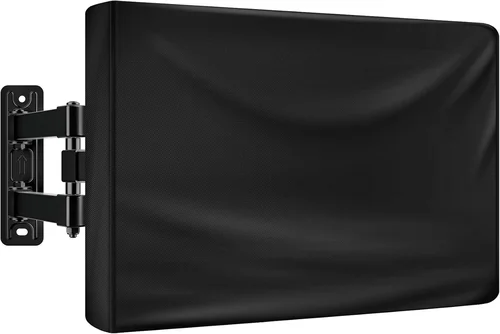
❌ Mistake: Buying a Standard Indoor TV for Outdoor Use
Why it’s bad: Indoor TVs lack weather protection, have lower brightness, and aren’t built to handle temperature swings. Placing one outside—even under cover—risks moisture damage, screen burn-in, and premature failure. Many warranties are voided if used outdoors.
What to do instead: Invest in a TV specifically designed for covered outdoor use. The slight price increase is justified by longevity and performance.
❌ Mistake: Ignoring the IP Rating
Why it’s bad: Without a proper IP rating, you have no guarantee the TV can handle humidity or dust. A “weather-resistant” label without certification is marketing fluff.
What to do instead: Always verify the IP code (e.g., IP54). Cross-check with manufacturer specs and third-party reviews.
❌ Mistake: Overlooking Brightness Requirements
Why it’s bad: A dim screen looks washed out in daylight, forcing you to watch only at night. You’ll miss out on daytime sports, news, or casual viewing.
What to do instead: Prioritize TVs with at least 500 nits. If your patio gets direct morning or afternoon sun, aim higher.
❌ Mistake: Skimping on Mounting Hardware
Why it’s bad: Cheap mounts rust, loosen, or fail under wind load. A falling TV can cause injury or property damage.
What to do instead: Use stainless steel, powder-coated outdoor mounts rated for your TV’s weight. Consider tilt or full-motion arms for optimal viewing angles.
❌ Mistake: Neglecting Audio Needs
Why it’s bad: Weak built-in speakers make dialogue hard to hear over outdoor noise. You’ll either crank the volume (disturbing neighbors) or miss key moments.
What to do instead: Plan for external audio from day one. Budget for a soundbar or wireless speakers alongside your TV purchase.
❌ Mistake: Not Testing Return Policies
Why it’s bad: You might discover glare issues, connectivity problems, or poor sound only after installation. If returns are restrictive, you’re stuck with a dud.
What to do instead: Buy from retailers with 30-day+ return windows and free return shipping. Test the TV thoroughly during this period.
❌ Mistake: Assuming All “Outdoor” TVs Are Equal
Why it’s bad: Some brands market indoor TVs as “outdoor-ready” with minimal modifications. These often fail within a year.
What to do instead: Research brands known for genuine outdoor products. Read user forums and professional reviews focusing on long-term reliability.
Budget Guidelines: How Much Should You Spend?
- Entry-Level ($300–$500): Expect basic smart features, 32–43 inch screens, IP54 rating, and 500–600 nits brightness. Ideal for small covered patios or secondary viewing. Brands like Vizio, TCL, and Hisense offer decent models in this range—but verify outdoor suitability.
- Mid-Range ($500–$800): This is the sweet spot for most buyers. You’ll get 43–55 inch screens, better brightness (600–800 nits), improved audio, and more reliable build quality. Look for models from SunBrite (Veranda series), Seura (Shadow series), or reputable OEMs with outdoor certifications.
- Premium ($800–$1,200): For enthusiasts who want near-indoor performance outdoors. Features include 800+ nits, IP55 rating, advanced cooling, and premium smart platforms. These TVs last 5–7 years with minimal issues.
- Luxury ($1,200+): Top-tier all-weather models with IP65/IP66 ratings, 1,000+ nits, commercial-grade components, and 3–5 year warranties. Best for luxury homes, resorts, or extreme climates—but overkill for most covered patios.
Expert Tips for Getting the Best Deal
- Shop During Off-Seasons: Prices drop in late fall and winter (November–February) when demand for outdoor gear declines. Retailers clear inventory for spring launches.
- Compare Online vs. In-Store: Online retailers (Amazon, Best Buy, Crutchfield) often have better prices and reviews. But in-store lets you check brightness and build quality firsthand.
- Sign Up for Alerts: Use price-tracking tools like Honey, CamelCamelCamel, or Google Shopping to monitor discounts on specific models.
- Check Refurbished Options: Certified refurbished patio TVs from reputable sellers can save 20–30% with full warranties.
- Bundle with Accessories: Some retailers offer discounts when you buy a TV + mount + soundbar together.
- Read Long-Term Reviews: Focus on reviews older than 6 months to assess durability, not just initial performance.
- Negotiate with Local Dealers: Small electronics shops may match online prices or throw in free installation.
- Verify Installation Requirements: Ensure your patio wall can support the TV’s weight and that power/internet access is available.

Frequently Asked Questions
Q: Can I use a regular TV under my covered patio?
A: Technically yes, but it’s not recommended. Indoor TVs lack weather protection, have lower brightness, and aren’t built for temperature fluctuations. Even minor humidity can damage internal components over time. If you must, use a high-quality outdoor enclosure—but a dedicated patio TV is safer and more reliable.
Q: What’s the difference between IP54 and IP65?
A: IP54 protects against limited dust and splashing water from any direction. IP65 offers complete dust protection and resistance to low-pressure water jets. For covered patios, IP54 is usually sufficient unless you’re near a pool or in a rainy climate.
Q: Do I need a special mount for a patio TV?
A: Yes. Use an outdoor-rated mount made of corrosion-resistant materials (stainless steel or powder-coated aluminum). Standard indoor mounts may rust or fail in humid conditions.
Q: How long do budget patio TVs last?
A: With proper care, a quality budget model (IP54+, 500+ nits) can last 4–6 years. Cheaper units without proper sealing may fail in 2–3 years due to moisture or heat damage.
Q: Can I leave my patio TV on all day?
A: Most modern LED TVs are energy-efficient and can run 8–12 hours daily. However, avoid 24/7 operation unless it’s a commercial-grade model. Give the TV breaks to cool down.
Q: Will my Wi-Fi reach the patio?
A: Possibly not. Consider a Wi-Fi extender, mesh network, or Ethernet cable run. A wired connection ensures stable streaming, especially for 4K content.
Q: Are there solar-powered patio TVs?
A: Yes, but they’re niche and often portable (under 40 inches). Ideal for off-grid cabins or RVs, but not practical for permanent installations due to battery limitations.
Q: Can I watch TV in direct sunlight?
A: Only if it’s a full outdoor TV with 1,000+ nits and anti-glare coating. For covered patios, 500–800 nits is sufficient since you’re shielded from direct rays.
Q: What happens if my patio TV gets rained on?
A: If it’s IP54 or higher and properly mounted under cover, occasional splashes won’t harm it. But never expose it to heavy rain or submersion. Always check local weather patterns.
Q: Do patio TVs come with remotes?
A: Yes, but consider a universal remote or smartphone app for easier control, especially if you’re using external audio devices.
Our Final Recommendations
- Best for Budget-Conscious Buyers: TCL 4-Series 43S450G – At under $400, this 43-inch model offers 500 nits brightness, Roku TV, and decent build quality. Pair it with an IP54-rated outdoor enclosure for covered patio use.
- Best Overall Value: SunBrite Veranda Series 50-inch – Priced around $750, it delivers 700 nits, IP54 rating, Android TV, and robust construction. A proven performer for covered outdoor spaces.
- Best Premium Option: Seura Shadow 55-inch – With 800 nits, IP55 rating, and sleek design, this $1,100 TV blends performance and aesthetics for upscale patios.
- Best for Beginners: Hisense A6 Series 40H6500 – Simple setup, Google TV, and 550 nits make this a user-friendly entry point under $450.
- Best for Advanced Users: Sylvane Outdoor 55-inch Pro – Customizable cooling, 900 nits, and modular design let tech-savvy users tweak performance for their environment.
Conclusion: Making the Right Choice
Choosing a cheap patio TV doesn’t mean settling for subpar quality—it means being smart about where you spend your money. By prioritizing weather resistance, brightness, and build quality, you can enjoy years of reliable outdoor entertainment without overspending. Remember, the goal isn’t to buy the cheapest TV on the market, but the one that offers the best long-term value for your specific patio setup.
Take the time to assess your space, lighting conditions, and usage habits. Read real user reviews, compare warranties, and don’t skip on essential accessories like mounts and audio. And if you’re unsure, start with a mid-range model—it’s the sweet spot where affordability meets performance.
Your covered patio deserves more than a compromised viewing experience. With the insights from this guide, you’re now equipped to make a confident, informed decision. So go ahead—transform your outdoor oasis into the ultimate entertainment hub. Grab your favorite drink, fire up that new TV, and enjoy the show—rain or shine.

