
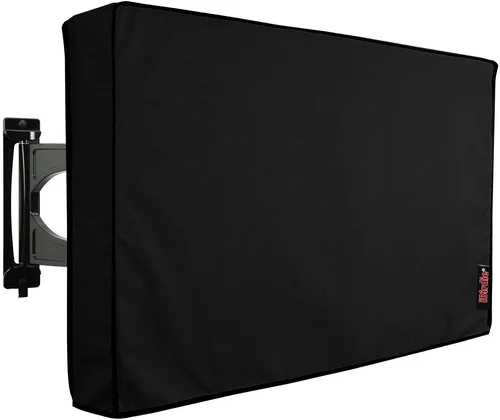
Outdoor living spaces have evolved dramatically over the past decade. What once was a simple backyard with a grill and a few lawn chairs has transformed into a full-fledged entertainment zone—complete with outdoor kitchens, fire pits, sound systems, and yes, even televisions. Whether you’re hosting a summer barbecue, watching the big game under the stars, or enjoying a quiet movie night on your deck, having a reliable TV outdoors can elevate your experience significantly. But here’s the catch: not all TVs are built to withstand the elements. Standard indoor models can quickly fail when exposed to humidity, temperature swings, direct sunlight, or even light rain. That’s why choosing the right patio TV—especially one that fits your budget—is crucial.
This guide is designed for homeowners, renters, and outdoor enthusiasts who want to bring high-quality entertainment to their decks without breaking the bank. We’ll walk you through everything you need to know to make a smart, informed decision. From understanding what makes a TV truly “outdoor-ready” to comparing different types and price ranges, this comprehensive resource will help you avoid costly mistakes and find the best value for your needs. Whether you’re working with a tight budget or looking for the sweet spot between affordability and performance, we’ve got you covered.
The market for outdoor TVs has expanded rapidly in recent years, driven by advances in display technology, weatherproofing, and consumer demand for year-round outdoor living. While premium outdoor models from brands like SunBrite and Samsung can cost thousands of dollars, there are now more affordable options than ever—many of which deliver surprisingly good performance. However, “cheap” doesn’t always mean “low quality.” With the right knowledge, you can find a durable, feature-rich patio TV that delivers excellent picture quality, resists the elements, and lasts for years. This guide will help you navigate the options, understand key specifications, and choose a model that fits both your deck and your budget.

What to Look for When Buying Buying Guide
1. Budget & Price Range
Setting a realistic budget is the first and most important step in your search for a cheap patio TV. Prices for outdoor-ready televisions can vary widely—from under $300 for basic indoor models used with protective enclosures to over $3,000 for fully weatherproof, commercial-grade displays. For most deck entertainment setups, the sweet spot lies between $500 and $1,200. This range typically offers a balance of durability, performance, and essential features without the premium price tag of high-end outdoor TVs.
When determining your budget, consider not just the upfront cost of the TV but also any additional expenses. These may include a weatherproof enclosure (if using an indoor TV), mounting hardware, cables rated for outdoor use, and possibly a soundbar or external speakers. Some buyers also invest in a protective cover or retractable awning to extend the TV’s lifespan. A good rule of thumb is to allocate 10–15% of your total TV budget to these accessories.
It’s also worth noting that “cheap” doesn’t have to mean “compromised.” Many mid-tier models from reputable brands now offer features like 4K resolution, HDR support, and smart TV platforms at prices that were unheard of just a few years ago. The key is to prioritize what matters most to you—picture quality, durability, smart features, or ease of installation—and allocate your budget accordingly.
2. Performance Specifications
When it comes to performance, not all TVs are created equal—especially when used outdoors. Brightness is one of the most critical specs for patio viewing. Indoor TVs typically range from 250 to 400 nits, which is fine for a dimly lit living room but inadequate for a sunlit deck. For outdoor use, you’ll want a display with at least 700 nits of brightness, and ideally 1,000 nits or more if your deck gets direct sunlight. This ensures the image remains visible even during daytime viewing.
Resolution is another key factor. While 1080p (Full HD) is still acceptable for smaller screens (under 43 inches), 4K UHD is now the standard for most new TVs and offers significantly sharper detail. If you plan to sit close to the screen or watch high-quality streaming content, 4K is worth the investment. HDR (High Dynamic Range) support further enhances contrast and color accuracy, making movies and sports look more vibrant and lifelike.
Refresh rate matters too, especially for fast-paced content like sports or action movies. A 60Hz panel is standard, but models with 120Hz or higher offer smoother motion and reduced blur. While this may not be a dealbreaker for casual viewing, it can make a noticeable difference during live events. Additionally, consider input lag if you plan to use the TV for gaming. Look for models with a “Game Mode” or low input lag (under 20ms) for responsive gameplay.
Smart TV functionality is increasingly important. Most modern TVs come with built-in platforms like Roku, Google TV, or webOS, allowing you to stream content directly without external devices. This is especially useful outdoors, where running cables can be challenging. Ensure the TV supports your preferred streaming services (Netflix, YouTube, Disney+, etc.) and has regular software updates for security and feature improvements.
3. Build Quality & Durability
Durability is non-negotiable when it comes to outdoor electronics. A TV used on a deck will be exposed to temperature fluctuations, humidity, dust, and potentially rain or snow. Even if you plan to use it only during fair weather, accidental splashes or morning dew can damage an indoor model. That’s why build quality should be a top consideration—even for budget-friendly options.
Look for TVs with robust construction, including reinforced frames, sealed ports, and corrosion-resistant components. Some manufacturers use marine-grade aluminum or powder-coated steel to resist rust and fading. While fully outdoor-rated TVs are ideal, many budget-conscious buyers opt for indoor models housed in weatherproof enclosures. These enclosures, often made of polycarbonate or aluminum, protect the TV from moisture and UV damage while allowing ventilation to prevent overheating.
Pay attention to the IP (Ingress Protection) rating if available. While most consumer TVs don’t come with official IP ratings, outdoor enclosures often do. An IP54 rating means the enclosure is protected against dust and splashing water, which is sufficient for most deck setups. For areas with heavy rain or coastal environments, consider IP65 or higher.
Another aspect of durability is the screen itself. Anti-reflective coatings help reduce glare from sunlight, making the image easier to see during the day. Some outdoor TVs also feature tempered glass or protective layers to resist scratches and impacts. While these features may add to the cost, they can significantly extend the TV’s lifespan and improve usability.
4. Features & Functionality
Modern patio TVs come with a range of features that enhance convenience and usability. Smart TV platforms are almost standard now, but the quality and responsiveness of the interface can vary. Look for models with intuitive menus, voice control (via Alexa or Google Assistant), and easy app navigation. A responsive remote or mobile app control can also make a big difference, especially when you’re lounging on a deck chair.
Connectivity is another important factor. Ensure the TV has enough HDMI ports (at least three) for devices like streaming sticks, game consoles, or soundbars. USB ports are useful for playing media files or charging devices. Some models also include optical audio outputs or Bluetooth for wireless audio streaming. If you plan to use external speakers or a sound system, check compatibility and audio output options.
Built-in Wi-Fi is essential for streaming, but consider the strength and reliability of the connection. Dual-band Wi-Fi (2.4GHz and 5GHz) offers better performance and less interference, especially in areas with many wireless networks. Some TVs also support Ethernet for a wired connection, which can be more stable for 4K streaming.
Additional features like screen mirroring (Miracast or AirPlay), parental controls, and customizable picture modes can enhance the viewing experience. While not essential, these extras can add value, especially if you’re using the TV for family entertainment or multi-purpose use.
5. Brand Reputation
Brand reputation matters when investing in electronics, especially for outdoor use where reliability is critical. Established brands like Samsung, LG, Sony, and TCL have proven track records for quality, customer support, and innovation. These companies often invest more in research and development, resulting in better performance, longer lifespans, and more consistent software updates.
That said, lesser-known or budget brands can still offer excellent value. Brands like Hisense, Vizio, and Insignia have gained popularity for delivering high specs at lower prices. While they may not have the same level of brand recognition, many of their models are well-reviewed and perform comparably to more expensive alternatives. The key is to research specific models rather than judging solely by brand name.
Customer support and service networks are also important. A reputable brand typically offers better warranty coverage, easier access to replacement parts, and more responsive customer service. This can be crucial if your TV develops an issue after installation. Check online reviews and forums to see how brands handle repairs and returns.
Another consideration is ecosystem compatibility. If you already own smart home devices from a particular brand (e.g., Google Nest or Amazon Echo), choosing a TV that integrates seamlessly can simplify setup and control. For example, Google TV works well with Google Assistant, while Samsung TVs integrate with SmartThings.
6. Warranty & Support
A solid warranty can provide peace of mind, especially when investing in outdoor electronics. Most TVs come with a standard one-year limited warranty, but some brands offer extended coverage or optional protection plans. For patio use, where environmental factors increase the risk of damage, a longer warranty (two to three years) is highly desirable.
Pay attention to what the warranty covers. Some plans include accidental damage, power surges, or weather-related issues, while others are limited to manufacturing defects. Read the fine print to understand exclusions and claim procedures. Extended warranties from third-party providers (like SquareTrade) can also be worth considering, especially for higher-end models.
Customer support quality varies widely. Look for brands that offer multiple support channels—phone, email, live chat, and online resources. A comprehensive support website with FAQs, troubleshooting guides, and firmware updates can save you time and frustration. User forums and community support can also be valuable resources for troubleshooting and tips.
Finally, consider the availability of service centers in your area. If your TV needs repair, having a local technician can speed up the process and reduce downtime. Some brands offer on-site service, while others require you to ship the unit. Factor this into your decision, especially if you rely on your TV for regular entertainment.
7. Size & Portability
Choosing the right screen size depends on your viewing distance and deck layout. A general rule is to sit at a distance of 1.5 to 2.5 times the screen’s diagonal measurement. For example, a 55-inch TV is ideal for seating 7 to 12 feet away. On a typical deck, this often means a screen between 43 and 65 inches, depending on space and seating arrangement.
Larger screens provide a more immersive experience, especially for group viewing, but they also require more power and may be harder to protect from the elements. Smaller screens (32 to 43 inches) are more portable and easier to mount under a covered area or in a weatherproof enclosure. They’re also more budget-friendly and consume less energy.
Portability can be a factor if you plan to move the TV between indoor and outdoor use or store it during harsh weather. Some models come with built-in handles or lightweight designs for easy transport. Wall mounts with quick-release mechanisms can also simplify seasonal storage. If portability is important, look for TVs under 30 pounds and consider a rolling stand or cart.
Mounting options should also be considered. Most patio TVs are wall-mounted using standard VESA patterns, but ensure your deck structure can support the weight and that the mount is rated for outdoor use. Some mounts offer tilt or swivel features for optimal viewing angles, which can be helpful on a deck with varying seating positions.
8. User Reviews & Ratings
User reviews and ratings are invaluable resources when evaluating any product, especially for outdoor electronics where real-world performance matters. Look for reviews from buyers who have used the TV in similar conditions—on a deck, in a screened porch, or in a humid climate. These insights can reveal issues that specs sheets don’t mention, such as overheating, remote control range, or app stability.
Pay attention to both positive and negative feedback. A high overall rating (4.5 stars or above) is a good sign, but read the detailed comments to understand common praises and complaints. Look for patterns—if multiple users mention the same issue (e.g., poor Wi-Fi connectivity or flimsy remote), it’s likely a genuine concern.
Verified purchase reviews are more reliable than anonymous or incentivized ones. Platforms like Amazon, Best Buy, and Walmart often label verified purchases, making it easier to trust the feedback. Video reviews on YouTube can also provide visual demonstrations of picture quality, setup, and outdoor performance.
Don’t rely solely on professional reviews, which may not reflect long-term use or real-world conditions. While expert opinions are helpful, user experiences often provide a more complete picture. Use review aggregators like Trustpilot or Consumer Reports to compare multiple sources and get a balanced perspective.
Different Types of Buying Guide

Common Buying Mistakes to Avoid
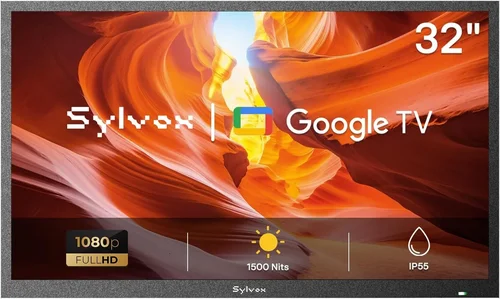
❌ Mistake: Using a Standard Indoor TV Without Protection
Why it’s bad: Indoor TVs are not designed to handle moisture, temperature changes, or UV exposure. Even brief exposure to rain or high humidity can cause internal corrosion, screen damage, or electrical failure. The cost of replacing a ruined TV far outweighs the savings from buying a cheaper model.
What to do instead: Either invest in a fully outdoor-rated TV or use a high-quality weatherproof enclosure. Ensure the enclosure is properly ventilated and rated for your climate. Never assume a covered deck provides enough protection—morning dew and wind-driven rain can still reach the TV.
❌ Mistake: Ignoring Brightness Requirements
Why it’s bad: A dim screen will be washed out and difficult to see in daylight, especially on a sunny deck. This leads to frustration and a poor viewing experience, defeating the purpose of having an outdoor TV.
What to do instead: Choose a TV with at least 700 nits of brightness, and aim for 1,000+ nits if your deck gets direct sun. Look for models with anti-glare coatings and high contrast ratios to improve visibility.
❌ Mistake: Overlooking Power and Connectivity Needs
Why it’s bad: Running power and HDMI cables across a deck can be unsightly and hazardous. Poor cable management can lead to tripping, water damage, or signal loss. Without proper planning, you may end up with a messy setup or limited functionality.
What to do instead: Plan your cable routing in advance. Use outdoor-rated, UV-resistant cables and conduit to protect them. Consider wireless options like streaming sticks or Bluetooth audio to reduce clutter. Ensure your power source is GFCI-protected for safety.
❌ Mistake: Choosing the Wrong Size
Why it’s bad: A screen that’s too small will be hard to see from a distance, while one that’s too large can overwhelm your deck and be difficult to mount. Both scenarios lead to a suboptimal viewing experience.
What to do instead: Measure your seating distance and use the 1.5–2.5x rule to determine the ideal screen size. Consider the viewing angle and ensure the TV is mounted at eye level when seated. Test with a temporary setup if possible.
❌ Mistake: Skipping the Warranty or Protection Plan
Why it’s bad: Outdoor electronics are more prone to damage from environmental factors. Without a warranty, a single storm or power surge could leave you with a costly repair or replacement.
What to do instead: Always check the warranty terms and consider an extended plan. Look for coverage that includes weather damage, power issues, and accidental drops. Keep your receipt and register the product promptly.
❌ Mistake: Buying Based Solely on Price
Why it’s bad: The cheapest option may lack essential features like brightness, durability, or smart functionality. You could end up with a TV that doesn’t meet your needs or fails prematurely.
What to do instead: Balance price with performance and durability. Focus on value—what you get for your money—rather than the lowest sticker price. Read reviews and compare specs across models.
❌ Mistake: Not Testing Before Final Installation
Why it’s bad: Mounting a TV permanently before testing can lead to disappointment if the picture quality, sound, or connectivity doesn’t meet expectations. Removing and reinstalling a mounted TV is time-consuming and may damage your deck.
What to do instead: Test the TV indoors first to ensure it works properly. If possible, set it up temporarily on the deck to check visibility, sound, and signal strength. Make adjustments before final mounting.
Budget Guidelines: How Much Should You Spend?
- Entry-Level ($300–$600): This tier includes basic indoor TVs used with weatherproof enclosures or older outdoor models. Expect 1080p resolution, limited smart features, and lower brightness. Best for covered decks with minimal sun exposure and occasional use. Ideal for budget-conscious buyers who prioritize affordability over performance.
- Mid-Range ($600–$1,200): The sweet spot for most deck entertainment setups. These TVs often offer 4K resolution, HDR support, 700–1,000 nits brightness, and full smart TV platforms. Many are semi-outdoor rated or compatible with enclosures. Great balance of price, performance, and durability.
- Premium ($1,200–$2,500): For enthusiasts who want top-tier picture quality and robust build. These models are often fully outdoor-rated, with high brightness (1,500+ nits), anti-glare screens, and advanced cooling systems. Ideal for exposed decks, coastal areas, or year-round use.
- Luxury ($2,500+): Commercial-grade displays with extreme durability, 24/7 operation capability, and professional installation support. Best for large outdoor spaces, public venues, or those who demand the absolute best. Overkill for most residential decks but unmatched in performance and longevity.
Expert Tips for Getting the Best Deal
- Buy During Off-Season: Prices on outdoor electronics drop significantly in late summer and fall. Retailers often clear inventory before winter, offering discounts of 20–40%.
- Compare Retailers: Check prices across Amazon, Best Buy, Costco, and specialty outdoor retailers. Some stores offer price matching or exclusive bundles.
- Look for Open-Box or Refurbished Models: Certified refurbished TVs from reputable sellers often come with warranties and can save you hundreds. Ensure they’re tested and include all accessories.
- Bundle with Accessories: Some retailers offer discounts when you buy a TV with a mount, enclosure, or soundbar. This can be cheaper than purchasing items separately.
- Check Return Policies: Ensure the store allows returns, especially for large items. A 30-day return window gives you time to test the TV outdoors.
- Use Cashback and Rewards: Sign up for cashback sites like Rakuten or use credit card rewards to reduce the effective price.
- Negotiate with Local Installers: If hiring a professional, ask for package deals that include TV, mounting, and cable management.
- Monitor Price Drops: Use tools like Honey or CamelCamelCamel to track price history and get alerts when your desired model goes on sale.

Frequently Asked Questions
Q: Can I use a regular TV on my deck?
A: Technically yes, but it’s not recommended unless you use a high-quality weatherproof enclosure. Even then, the TV may overheat or fail prematurely due to environmental stress. For reliable performance, choose a model designed for outdoor use or invest in proper protection.
Q: How do I protect my outdoor TV from rain?
A: Use a weatherproof enclosure with an IP54 or higher rating, ensure all ports are sealed, and mount the TV under an overhang or awning. Avoid direct exposure to rain and use GFCI outlets for safety.
Q: What size TV is best for a deck?
A: For most decks, a 43- to 55-inch screen is ideal. Measure your viewing distance and use the 1.5–2.5x rule to determine the best size. Consider seating layout and mounting height for optimal viewing.
Q: Do outdoor TVs need special mounts?
A: Yes. Use mounts rated for outdoor use, with rust-resistant materials and secure anchoring. Tilt or swivel mounts can improve viewing angles, especially on decks with varied seating.
Q: Can I leave my outdoor TV on all the time?
A: Only if it’s a commercial-grade model designed for 24/7 operation. Most consumer outdoor TVs should be turned off when not in use to extend lifespan and save energy.
Q: How do I improve sound quality outdoors?
A: Built-in TV speakers are often weak outdoors. Use a weatherproof soundbar, outdoor speakers, or Bluetooth headphones for better audio. Ensure audio equipment is also protected from the elements.
Q: Are outdoor TVs energy efficient?
A: Modern LED TVs are relatively efficient, but brightness and size affect power use. Look for ENERGY STAR-rated models and use power-saving modes when possible.
Q: Can I use my outdoor TV in winter?
A: Only if it’s rated for cold temperatures and protected from snow and ice. Most outdoor TVs can handle cold, but extreme conditions may require seasonal storage.
Q: How long do outdoor TVs last?
A: With proper care, a quality outdoor TV can last 5–10 years. Factors like climate, usage, and maintenance play a big role. Regular cleaning and protection from extreme weather help extend lifespan.
Q: What’s the difference between outdoor and indoor TVs?
A: Outdoor TVs are built with weather-resistant materials, higher brightness, better cooling, and sealed components. Indoor TVs lack these features and are not suitable for prolonged outdoor exposure.
Our Final Recommendations
- Best for Budget-Conscious Buyers: TCL 55S555 55-inch 4K QLED TV with a weatherproof enclosure. Offers excellent picture quality, smart features, and affordability under $600.
- Best Overall Value: Hisense 50U6HF 50-inch ULED 4K TV. Combines high brightness (800 nits), Dolby Vision, and Google TV at a mid-range price around $700.
- Best Premium Option: SunBrite Veranda Series 55-inch 4K Outdoor TV. Fully weatherproof, 1,000+ nits brightness, and built for year-round use. Priced around $2,000.
- Best for Beginners: Insignia F30 43-inch 4K Smart TV with a basic outdoor enclosure. Simple setup, reliable performance, and under $400 total.
- Best for Advanced Users: Samsung The Terrace 65-inch Outdoor QLED. Features anti-reflective screen, 2,000 nits brightness, and seamless smart integration. Ideal for tech-savvy users with larger decks.
Conclusion: Making the Right Choice
Choosing the right patio TV for your deck doesn’t have to be overwhelming—or expensive. By understanding your needs, prioritizing key features like brightness and durability, and avoiding common pitfalls, you can find a model that delivers great performance without exceeding your budget. Whether you’re hosting summer parties or enjoying quiet evenings under the stars, the right TV can transform your outdoor space into a true entertainment hub.
Remember, the cheapest option isn’t always the best value. Focus on long-term reliability, ease of use, and how well the TV fits your lifestyle. Take advantage of seasonal sales, read real user reviews, and don’t hesitate to invest in protection like enclosures or extended warranties. With the insights from this guide, you’re well-equipped to make a smart, confident decision.
Now it’s time to bring the screen outside. Your deck deserves the same level of comfort and entertainment as your living room—and with the right TV, you can enjoy it all year round. Start shopping, compare your options, and get ready to elevate your outdoor experience.

