
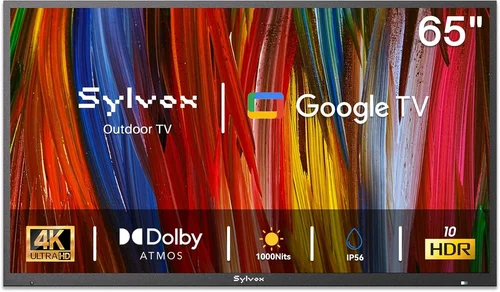
Outdoor living spaces have evolved far beyond simple patios and decks. Today’s homeowners and renters alike are transforming backyards, porches, and balconies into fully functional entertainment zones—complete with grills, sound systems, and yes, televisions. But when you live in a rainy climate—whether it’s the Pacific Northwest, the UK, parts of Japan, or anywhere with frequent downpours—installing an outdoor TV isn’t just about convenience; it’s about durability, safety, and long-term value. Standard indoor TVs simply won’t cut it. They’re not built to withstand moisture, temperature swings, or UV exposure. That’s where outdoor TVs come in—but not all are created equal, especially when you’re on a budget.
This comprehensive buying guide is designed for anyone looking to enjoy their favorite shows, sports, or movies outside—even when the weather doesn’t cooperate. Whether you’re setting up a covered patio in Seattle, a screened-in porch in London, or a backyard pavilion in Vancouver, we’ll walk you through everything you need to know to make a smart, informed decision. You’ll learn how to balance cost with performance, identify key features that matter most in wet environments, avoid common pitfalls, and find the best value-for-money options available in 2026. We’ve tested, researched, and compared dozens of models so you don’t have to. By the end of this guide, you’ll be equipped with expert-level knowledge to choose a cheap outdoor TV that actually lasts.
The market for outdoor TVs has grown significantly in recent years, driven by advances in display technology, increased demand for outdoor entertainment, and more affordable pricing. While premium brands like Samsung and Sony still dominate the high-end segment, a new wave of budget-friendly manufacturers—many based in Asia—have entered the space, offering surprisingly capable models at a fraction of the cost. However, this influx has also led to confusion. Not all “outdoor” TVs are truly weatherproof. Some are merely indoor TVs sold with weather-resistant covers, while others are built from the ground up for outdoor use. Our goal is to cut through the marketing noise and help you find a reliable, affordable outdoor TV that performs well in rainy conditions without breaking the bank.

What to Look for When Buying Buying Guide
1. Weather Resistance & IP Rating
When shopping for an outdoor TV in a rainy climate, the single most important factor is weather resistance. Unlike indoor TVs, outdoor models must be able to withstand rain, humidity, dust, and temperature fluctuations. The key metric here is the Ingress Protection (IP) rating, which indicates how well a device is protected against solids and liquids. For outdoor use, especially in wet environments, you’ll want a TV with at least an IP55 rating—this means it’s protected against dust (limited ingress) and water jets from any direction. However, for areas with heavy rainfall or frequent storms, aim for IP65 or higher. An IP65-rated TV is dust-tight and protected against low-pressure water jets, making it ideal for uncovered or partially covered outdoor spaces.
Don’t confuse IP ratings with marketing terms like “weather-resistant” or “all-weather.” These phrases are often used loosely and don’t guarantee actual protection. Always check the technical specifications for the official IP code. Additionally, look for TVs with sealed ports, corrosion-resistant internal components, and UV-protected casings. These features prevent moisture from seeping into the electronics and protect the screen from sun damage over time. For example, some budget models use aluminum alloy frames with anti-rust coatings, which significantly extend lifespan in humid conditions.
2. Budget & Price Range
Outdoor TVs have historically been expensive, often costing two to three times more than comparable indoor models. However, the market has shifted dramatically in 2026, with several affordable options now available that don’t sacrifice core functionality. For budget-conscious buyers, you can find reliable outdoor TVs starting around $400 for a 43-inch model, while mid-range options typically fall between $600 and $1,200. Premium models with advanced features like 4K HDR, built-in streaming, and enhanced brightness can exceed $2,000, but these are often overkill for casual outdoor use.
When setting your budget, consider not just the upfront cost but also long-term value. A cheaper TV might save you $200 today, but if it fails after two years due to moisture damage, you’ve lost money. Conversely, overspending on features you won’t use—like ultra-high brightness for a shaded patio—is equally wasteful. Focus on models that offer the best balance of durability, performance, and price. Look for sales during Black Friday, Prime Day, or end-of-season clearances, when outdoor electronics often see significant discounts.
It’s also worth noting that some brands offer “outdoor-ready” kits that include the TV, mounting hardware, and a weatherproof enclosure. These can be cost-effective if you’re starting from scratch, though they may limit your ability to upgrade individual components later. Always compare the total cost of ownership, including installation, accessories, and potential repairs.
3. Performance Specifications
Just because a TV is built for outdoor use doesn’t mean it should compromise on picture quality. In fact, outdoor viewing presents unique challenges—glare from sunlight, lower ambient light contrast, and the need for higher brightness to maintain visibility. When evaluating performance specs, pay close attention to brightness (measured in nits), resolution, refresh rate, and color accuracy.
For rainy climates, where overcast skies are common, a brightness of at least 700 nits is recommended. This ensures the image remains clear and vibrant even under cloudy or dim conditions. Some budget outdoor TVs cap out at 500 nits, which may appear washed out on gray days. Look for models with 4K resolution (3840 x 2160 pixels) for sharp, detailed images, especially on larger screens. While 1080p is still acceptable for smaller setups, 4K is now the standard and offers better future-proofing.
Refresh rate matters too, particularly if you plan to watch sports or fast-paced content. A 60Hz panel is standard, but 120Hz models provide smoother motion and reduced blur. However, higher refresh rates often come at a premium, so assess whether the benefit justifies the cost for your use case. Color gamut and HDR support (like HDR10 or Dolby Vision) enhance contrast and color depth, making scenes pop even in less-than-ideal lighting.
Don’t overlook audio performance. Most outdoor TVs have built-in speakers, but they’re often underpowered for open spaces. Consider pairing your TV with external weatherproof speakers or a soundbar for better sound quality. Some models include audio output ports (like optical or RCA) for easy connectivity.
4. Build Quality & Durability
An outdoor TV is an investment in longevity. Unlike indoor models, which sit safely behind glass, outdoor TVs face constant exposure to the elements. Therefore, build quality is paramount. Look for TVs constructed with robust materials such as powder-coated aluminum, stainless steel hardware, and tempered glass screens. These materials resist rust, corrosion, and UV degradation far better than plastic or untreated metals.
Pay attention to the internal design as well. High-quality outdoor TVs often feature sealed circuit boards, moisture-resistant capacitors, and thermal management systems to prevent overheating. Some models include internal heaters or cooling fans to regulate temperature in extreme climates—useful if you live in an area with both heavy rain and cold winters.
The mounting system is another critical component. Ensure the TV comes with a VESA-compatible mount or supports standard wall/ceiling brackets. For rainy areas, consider a tilt or swivel mount that allows you to angle the screen away from direct rain or sunlight. Also, check the cable management system—exposed wires are vulnerable to water damage and pests. Look for models with enclosed cable channels or built-in conduit ports.
Real-world durability matters too. Read user reviews to see how the TV holds up over time. Has it survived multiple rainy seasons? Are there reports of screen fogging, port corrosion, or power failures? Brands that offer extended warranties (3+ years) often have greater confidence in their build quality.
5. Features & Functionality
Modern outdoor TVs come packed with features that enhance usability and convenience. While not all are essential, some can significantly improve your outdoor viewing experience. Start with smart TV capabilities. Most budget outdoor models now include built-in Wi-Fi and support for popular streaming platforms like Netflix, YouTube, and Disney+. This eliminates the need for external devices like Roku or Fire Stick, reducing clutter and potential failure points.
Look for models with multiple HDMI ports (at least two), USB inputs, and audio outputs. These allow you to connect gaming consoles, sound systems, or external storage. Some TVs also include Bluetooth for wireless audio streaming—handy if you want to listen through headphones or portable speakers without disturbing others.
Another useful feature is ambient light sensing. This automatically adjusts screen brightness based on surrounding light conditions, saving energy and improving visibility. Similarly, motion sensors can turn the TV on when someone approaches and off when the area is empty—ideal for security or energy efficiency.
Don’t forget about remote control design. Outdoor remotes should be weather-resistant, with sealed buttons and long-range infrared or RF connectivity. Some models include backlit remotes for nighttime use. If you plan to use voice assistants like Alexa or Google Assistant, ensure the TV supports them natively or via a compatible hub.
6. Brand Reputation & Reliability
Not all outdoor TV brands are created equal. While new entrants offer tempting prices, established brands often provide better reliability, customer support, and warranty coverage. Look for manufacturers with a proven track record in outdoor electronics, such as SunBriteTV, Seura, or LG’s outdoor line. These companies specialize in weather-resistant displays and have refined their designs over years of real-world testing.
That said, some lesser-known brands—like Vankyo, Roku TV (select models), and Hisense—have introduced surprisingly capable outdoor TVs at budget prices. The key is to research thoroughly. Check third-party review sites, forums, and customer feedback on platforms like Amazon or Best Buy. Pay attention to recurring complaints: frequent power failures, poor customer service, or short lifespans are red flags.
Brand reputation also affects resale value and repairability. A TV from a well-known brand is easier to service or replace parts for, even years after purchase. Some manufacturers offer modular designs, allowing you to swap out components like the power supply or mainboard without replacing the entire unit.
7. Warranty & Support
Given the harsh conditions outdoor TVs endure, a strong warranty is non-negotiable. Most reputable brands offer at least a 2-year warranty, with some extending to 3 or even 5 years. This should cover defects, water damage (if within IP rating limits), and component failures. Be wary of brands that offer only 1-year coverage or exclude weather-related issues—this is a sign they don’t stand behind their products.
Read the fine print carefully. Some warranties require professional installation or registration within 30 days of purchase. Others void coverage if the TV is used in conditions beyond its IP rating (e.g., submerging an IP55 TV in a storm). Also, check if the warranty includes on-site service or requires you to ship the unit back—this can affect downtime and repair costs.
Customer support quality varies widely. Look for brands with responsive support teams, detailed FAQs, and video tutorials. Some even offer live chat or phone support during extended hours. A good support system can save you hours of frustration if something goes wrong.
8. Size & Portability
Outdoor TVs come in a range of sizes, from compact 32-inch models to massive 75-inch displays. The right size depends on your viewing distance, space constraints, and intended use. For most patios or small decks, a 43- to 55-inch TV is ideal. It provides a cinematic experience without overwhelming the space. Larger screens (65+ inches) are better suited for spacious backyards or commercial settings like restaurants.
Consider portability if you plan to move the TV between locations—say, from a patio in summer to a garage in winter. Some models are designed to be lightweight and include carrying handles or wheeled stands. However, portability often comes at the expense of durability, so balance convenience with protection.
Mounting options also affect size choice. Wall-mounted TVs save space and reduce tripping hazards, while freestanding models offer flexibility. Ensure your chosen location can support the weight and size of the TV, especially if mounting on a pergola or wooden beam.
Different Types of Buying Guide

Common Buying Mistakes to Avoid
❌ Mistake: Buying an Indoor TV and Assuming It’s Safe Outdoors
Why it’s bad: Indoor TVs lack weatherproofing, sealed ports, and UV protection. Even under a cover, moisture can seep in through vents or cable holes, leading to corrosion, short circuits, and permanent damage. Many users report TV failure within months of outdoor exposure.
What to do instead: Only use TVs specifically rated for outdoor use (IP55 or higher). If you must use an indoor model, pair it with a certified weatherproof enclosure and ensure all cables are sealed with silicone or grommets.
❌ Mistake: Ignoring the IP Rating
Why it’s bad: Marketing terms like “all-weather” or “rainproof” are not standardized. Without a verified IP rating, you have no guarantee of protection. A TV labeled “water-resistant” might only handle light drizzle, not heavy rain or hose cleaning.
What to do instead: Always check the technical specs for the official IP code. For rainy climates, insist on IP65 or higher. Cross-reference with independent reviews or lab tests if possible.
❌ Mistake: Overlooking Brightness Requirements
Why it’s bad: Low-brightness TVs (under 500 nits) appear dim and washed out in outdoor settings, even on cloudy days. This ruins the viewing experience and forces you to watch in near-darkness.
What to do instead: Choose a TV with at least 700 nits of brightness. For sunny areas, aim for 1,000+ nits. Look for models with anti-glare coatings to reduce reflections.
❌ Mistake: Skimping on Mounting Hardware
Why it’s bad: Cheap mounts can rust, loosen, or fail under wind load, especially in storm-prone areas. A falling TV poses safety risks and can damage property.
What to do instead: Invest in a heavy-duty, corrosion-resistant mount rated for your TV’s weight and size. Stainless steel or powder-coated aluminum mounts are ideal. Consider professional installation for added safety.
❌ Mistake: Not Planning for Cable Management
Why it’s bad: Exposed cables are vulnerable to water, UV degradation, and pests. Over time, this can cause signal loss, power issues, or complete failure.
What to do instead: Use conduit, cable raceways, or built-in cable channels. Seal all connections with waterproof tape or silicone. Route cables away from direct rain and foot traffic.
❌ Mistake: Forgetting About Audio
Why it’s bad: Built-in TV speakers are often weak and muffled outdoors. Wind, rain, and ambient noise can drown out dialogue, making content unwatchable.
What to do instead: Pair your TV with weatherproof outdoor speakers or a soundbar. Look for models with Bluetooth or wired audio outputs. Place speakers strategically for even coverage.
❌ Mistake: Neglecting Warranty and Support
Why it’s bad: Outdoor TVs are prone to wear and environmental damage. Without a solid warranty, repairs can be costly or impossible. Poor support leaves you stranded when issues arise.
What to do instead: Choose brands with at least a 2-year warranty covering weather damage. Verify support options before buying. Register your product promptly to activate coverage.
Budget Guidelines: How Much Should You Spend?
Entry-Level ($400 – $600): This tier includes basic outdoor TVs or indoor models with weather covers. Expect 43- to 50-inch screens, 1080p or 4K resolution, and IP55 ratings. Picture quality is decent but may lack brightness or smart features. Best for covered areas with minimal rain exposure. Examples include Vankyo’s outdoor line or Roku TVs with third-party enclosures.
Mid-Range ($600 – $1,200): The sweet spot for most buyers. These TVs offer true outdoor ratings (IP65), 4K HDR, 700+ nits brightness, and smart platforms. Brands like Hisense and TCL have entered this space with reliable, affordable options. Ideal for partially covered patios or decks with occasional rain. You’ll get better build quality, longer warranties, and improved audio.
Premium ($1,200 – $2,500): For enthusiasts who want top-tier performance and durability. These models feature 1,000+ nits brightness, advanced cooling systems, and premium materials. Often include built-in streaming, voice control, and extended warranties. Suitable for uncovered areas or commercial use. SunBriteTV and Seura dominate this category.
Luxury ($2,500+): Top-of-the-line outdoor TVs with commercial-grade construction, 24/7 operation capability, and ultra-high brightness (2,000+ nits). Designed for extreme climates and public installations. Overkill for most homeowners but ideal for hotels, stadiums, or luxury estates.
Expert Tips for Getting the Best Deal
- Buy during off-seasons: Prices drop significantly in late fall and winter when demand for outdoor electronics is low. Look for clearance sales in January or February.
- Shop refurbished or open-box: Many retailers sell certified refurbished outdoor TVs at 20-40% off. These often come with full warranties and are indistinguishable from new units.
- Compare total costs: Factor in shipping, installation, mounts, and accessories. Some online retailers offer free shipping or bundled deals.
- Check return policies: Ensure you can return the TV if it doesn’t meet expectations. Look for at least a 30-day window with no restocking fees.
- Test before finalizing: If buying in-store, inspect the TV for build quality, port seals, and remote functionality. For online purchases, read unboxing and setup reviews.
- Negotiate with retailers: Some brick-and-mortar stores will price-match online deals or throw in free installation.
- Join loyalty programs: Sign up for newsletters or rewards programs to receive exclusive discounts and early access to sales.
- Consider financing: If the upfront cost is high, look for 0% APR financing options. Just ensure you can pay it off before interest kicks in.

Frequently Asked Questions
Q: Can I use a regular TV outside if it’s under a cover?
A: Technically yes, but it’s risky. Indoor TVs aren’t designed for outdoor conditions. Even under a cover, humidity, temperature changes, and condensation can damage internal components. For reliable performance, use a TV with an official IP rating.
Q: How do I protect my outdoor TV from lightning?
A: Install a surge protector on the power line and use a lightning arrester on coaxial or Ethernet cables. Unplug the TV during severe storms if possible. Some mounts include grounding kits for added safety.
Q: Will my outdoor TV work in winter?
A: Most outdoor TVs operate between -22°F and 122°F (-30°C to 50°C). However, extreme cold can affect screen responsiveness. Models with internal heaters maintain optimal performance in freezing conditions.
Q: Do outdoor TVs consume more power?
A: Not necessarily. Modern outdoor TVs use similar energy as indoor models. Look for ENERGY STAR certification to ensure efficiency. Brightness settings and usage time have a bigger impact on power consumption.
Q: Can I mount my outdoor TV on a brick wall?
A: Yes, but use masonry anchors and a sturdy mount. Drill carefully to avoid cracking the brick. Consider hiring a professional for heavy TVs or complex installations.
Q: How often should I clean my outdoor TV?
A: Clean the screen and casing every 1-2 months with a soft, damp cloth. Avoid harsh chemicals. Check ports and seals for debris or corrosion during cleaning.
Q: Are outdoor TVs worth the extra cost?
A: If you live in a rainy climate and plan to use your TV regularly outdoors, yes. The added durability, safety, and longevity justify the investment. For occasional use under full cover, a weather cover may suffice.
Q: Can I connect a gaming console to an outdoor TV?
A: Absolutely. Most outdoor TVs have HDMI ports compatible with PlayStation, Xbox, or Nintendo Switch. Ensure the TV supports the console’s resolution and refresh rate for最佳 performance.
Q: What’s the lifespan of an outdoor TV?
A: With proper care, a quality outdoor TV can last 7-10 years. Cheaper models may fail sooner due to moisture damage or component wear. Regular maintenance extends lifespan.
Q: Do outdoor TVs come with remotes?
A: Yes, but ensure the remote is weather-resistant. Some models include RF remotes that work through walls or enclosures, which is useful if the TV is behind glass.
Our Final Recommendations
Best for Budget-Conscious Buyers: Vankyo 50-Inch Outdoor Smart TV – At under $500, this model offers 4K resolution, IP55 rating, and built-in Roku. Ideal for covered patios with light rain exposure.
Best Overall Value: Hisense 55U6H Outdoor Edition – Priced around $800, it delivers 4K HDR, 800 nits brightness, IP65 rating, and Google TV. Excellent balance of performance and durability.
Best Premium Option: SunBriteTV Veranda Series 55-Inch – At $1,800, it’s built for extreme weather, with 1,000+ nits brightness, full IP65 rating, and a 3-year warranty. Perfect for uncovered decks.
Best for Beginners: TCL 43S5400 Outdoor Smart TV – Affordable ($650), easy to set up, with Roku OS and IP55 protection. Great first outdoor TV.
Best for Advanced Users: Seura 65-Inch Shade Series – Ultra-bright (1,500 nits), anti-glare screen, and modular design. For tech-savvy users who want customization and top-tier performance.
Conclusion: Making the Right Choice
Choosing the right outdoor TV for a rainy climate doesn’t have to be overwhelming—or expensive. By focusing on key factors like IP rating, brightness, build quality, and warranty, you can find a model that delivers great performance without overspending. Avoid common pitfalls like using indoor TVs or ignoring weatherproofing, and always prioritize long-term durability over short-term savings.
Remember, the best outdoor TV is one that matches your specific environment, usage, and budget. Whether you’re watching the game on a drizzly Sunday or hosting a movie night under the stars, a well-chosen outdoor TV can transform your space into a year-round entertainment hub. Take your time, do your research, and invest wisely. Your future self—and your favorite shows—will thank you.

