
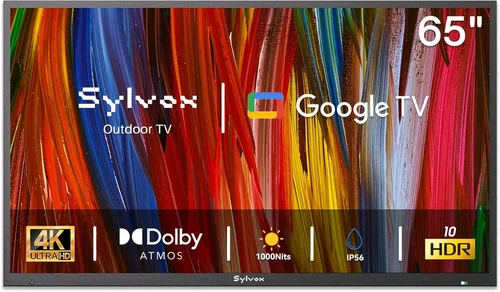
Outdoor living spaces have evolved far beyond simple patios and backyards. Today’s rental properties—whether vacation homes, Airbnb units, or long-term rentals—are expected to offer premium amenities that enhance guest experience and justify higher nightly rates. One increasingly popular upgrade is an outdoor TV. But here’s the catch: most renters aren’t looking to invest thousands in permanent installations, and landlords want cost-effective, low-maintenance solutions that won’t break the bank or complicate property management.
That’s where cheap outdoor TVs come into play. These aren’t just regular indoor TVs shoved under a patio cover—they’re purpose-built (or cleverly adapted) for outdoor use, offering weather resistance, brightness suitable for daylight viewing, and often portability for easy setup and takedown. Whether you’re a property manager aiming to boost your listing’s appeal or a homeowner renting out a guesthouse, choosing the right budget-friendly outdoor TV can make a surprising difference in guest satisfaction and return bookings.
In this comprehensive guide, we’ll walk you through everything you need to know about buying a cheap outdoor TV for rental homes in 2026. You’ll learn how to balance affordability with performance, understand what truly matters in an outdoor display, avoid common pitfalls, and find the best value options on the market. We’ll cover key specs, compare different types of outdoor-ready displays, break down budget tiers, and share expert tips to help you make a smart, informed decision—without overspending or compromising on quality.
The outdoor TV market has matured significantly over the past few years. While premium brands like SunBrite and Seura still dominate the high-end segment with fully sealed, all-weather models costing $2,000+, more affordable alternatives have emerged. These include weatherized enclosures for standard TVs, semi-outdoor displays with partial protection, and even ruggedized smart TVs designed for covered patios and porches. For rental properties—where durability, ease of use, and cost control are paramount—these budget-conscious options often provide the best return on investment.
—

What to Look for When Buying Buying Guide
1. Budget & Price Range
When shopping for a cheap outdoor TV for a rental property, your budget will be one of the most influential factors—but it shouldn’t be the only one. The good news is that you no longer need to spend thousands to get a functional outdoor viewing experience. In 2026, quality budget outdoor TVs start as low as $300 for basic setups and go up to around $1,200 for more robust, feature-rich models.
For rental homes, aim to stay under $800 unless you’re targeting luxury-tier listings. At this price point, you can find TVs with adequate brightness, basic weather resistance, and smart functionality. Remember: your goal isn’t to replicate a home theater—it’s to provide a reliable, enjoyable viewing option that enhances the guest experience without becoming a liability.
Consider total cost of ownership, not just the upfront price. This includes mounting hardware, protective covers, potential repairs, and energy consumption. A slightly more expensive TV with better efficiency and durability may save you money in the long run by reducing maintenance calls and replacements.
2. Performance Specifications
Not all TVs are created equal—especially when it comes to outdoor use. Brightness is arguably the most critical spec for outdoor viewing. Indoor TVs typically range from 200 to 400 nits, which is fine for dim rooms but nearly invisible in direct sunlight. For patios, decks, or pool areas, you’ll want a minimum of 700 nits, with 1,000+ nits being ideal for bright daylight conditions.
Resolution matters too. While 4K is standard even in budget models, ensure the TV supports HDR (High Dynamic Range) for better contrast and color accuracy in variable lighting. Refresh rate (60Hz vs. 120Hz) is less critical for casual viewing but can improve motion clarity during sports or action movies.
Connectivity is another often-overlooked spec. Make sure the TV has enough HDMI ports (at least two), USB inputs, and preferably built-in Wi-Fi and Bluetooth. Smart platforms like Roku TV, Android TV, or webOS simplify streaming and reduce the need for external devices—a major plus for guests who just want to “plug and play.”
3. Build Quality & Durability
Rental properties face unique challenges: frequent guest turnover, varying levels of care, and exposure to the elements. Your outdoor TV must withstand dust, moisture, temperature swings, and occasional bumps or spills. Look for TVs with IP-rated enclosures (IP54 or higher) or those specifically marketed as “weather-resistant” or “outdoor-ready.”
Even if you’re using a standard TV in a protective case, check the build materials. Aluminum frames, sealed ports, and tempered glass screens offer better longevity than plastic-heavy designs. Avoid models with exposed ventilation holes—these can let in rain or insects.
Also consider the mounting system. A secure, tamper-resistant mount prevents theft and accidental damage. Wall mounts are common, but ceiling or post mounts may be better for certain layouts. Ensure the TV can be locked or easily removed between guests if needed.
4. Features & Functionality
For rental homes, simplicity and versatility are key. Guests shouldn’t need a manual to operate the TV. Built-in smart platforms eliminate the need for streaming sticks or boxes, reducing clutter and potential points of failure. Voice control via Alexa or Google Assistant adds convenience, especially for older guests or those with mobility issues.
Look for features like automatic brightness adjustment (which adapts to ambient light), sleep timers, and guest mode (which resets settings after each use). Some budget outdoor TVs now include ambient light sensors and anti-glare coatings—small touches that significantly improve usability.
Audio is another consideration. Most outdoor TVs have weak built-in speakers due to space and weather constraints. If sound quality matters, plan to connect external weatherproof speakers or a soundbar. Alternatively, choose a model with optical audio output for easy integration.
5. Brand Reputation
Stick with brands known for reliability and customer support—even in the budget segment. Established names like Samsung, LG, TCL, and Hisense offer outdoor-compatible models or work well with third-party enclosures. Avoid obscure brands with no service network or user reviews.
That said, don’t dismiss newer entrants entirely. Companies like Sylvane, Outdoor TV Direct, and WeatherTech specialize in affordable outdoor solutions and often provide better warranties and support than generic electronics brands.
Check if the brand offers replacement parts, repair services, or local technician networks. For rental properties spread across multiple locations, having accessible support can mean the difference between a quick fix and a week-long outage.
6. Warranty & Support
A solid warranty is non-negotiable for rental applications. Standard consumer warranties (usually 1 year) may not cover outdoor use—always read the fine print. Look for extended warranties (2–3 years) that explicitly include outdoor installation and environmental damage.
Some manufacturers offer “rental-friendly” policies, such as expedited replacements or on-site service. Third-party warranty providers like Asurion or SquareTrade can also supplement coverage, though they may exclude weather-related issues.
Support responsiveness matters too. Can you reach a human quickly? Is there a dedicated line for commercial or rental customers? Test this before buying by calling customer service with a hypothetical issue.
7. Size & Portability
Screen size should match your space and typical usage. For small patios or balconies, a 32″ to 43″ TV is usually sufficient. Larger decks or poolside areas can accommodate 50″ to 65″ models, but remember: bigger isn’t always better outdoors due to glare and viewing distance.
Portability is a hidden advantage for rentals. Lightweight TVs (under 20 lbs) with carrying handles or wheeled carts make it easy to move the unit indoors during storms or between properties. Some models even come with foldable stands or quick-release mounts.
If you manage multiple units, consider standardizing on one model and size. This simplifies training, reduces spare part inventory, and ensures consistent guest experiences.
8. User Reviews & Ratings
Never buy based on specs alone. Real-world feedback from other renters, property managers, or outdoor enthusiasts reveals flaws that spec sheets hide. Look for reviews that mention longevity, ease of setup, guest usability, and performance in sun vs. shade.
Pay attention to recurring complaints: poor remote range, overheating in direct sun, flimsy mounts, or apps that crash frequently. Conversely, praise for “easy guest operation” or “survived a hailstorm” carries significant weight.
Use platforms like Amazon, Best Buy, and specialized forums (e.g., AVS Forum, Reddit’s r/outdoortv) to gather insights. Filter for verified purchases and recent reviews (within the last 6–12 months) to ensure relevance.
—
Different Types of Buying Guide

—
Common Buying Mistakes to Avoid
❌ Mistake: Using a Regular Indoor TV Outdoors
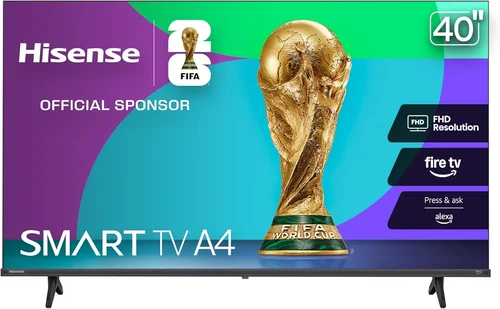
Why it’s bad: Indoor TVs lack weather protection, have low brightness, and aren’t built for temperature extremes. They can overheat, suffer moisture damage, or become unwatchable in daylight—leading to frequent replacements and guest complaints.
What to do instead: Either invest in a proper outdoor TV or use a high-quality weatherized enclosure designed for your specific model. Never assume a covered patio provides enough protection.
❌ Mistake: Ignoring Sunlight and Glare
Why it’s bad: Even with high brightness, glare from windows, water, or reflective surfaces can ruin the viewing experience. Guests may struggle to see the screen, especially during afternoon sun.
What to do instead: Assess the installation location carefully. Use anti-glare screens, position the TV perpendicular to the sun’s path, or install adjustable shades. Choose a model with a matte finish rather than glossy.
❌ Mistake: Overlooking Audio Needs
Why it’s bad: Outdoor environments are noisy—wind, traffic, pool pumps—and most outdoor TVs have weak speakers. Guests may turn up the volume too high, causing distortion or neighbor complaints.
What to do instead: Pair your TV with weatherproof outdoor speakers or a Bluetooth soundbar. Include simple audio instructions in your guest welcome guide.
❌ Mistake: Choosing the Wrong Size
Why it’s bad: A TV that’s too small feels underwhelming; one that’s too large overwhelms the space and increases cost without proportional benefit.
What to do instead: Measure your typical viewing distance. As a rule of thumb, multiply the distance (in inches) by 0.84 to get the ideal screen diagonal. For example, 8 feet (96 inches) = ~80″ screen—but for rentals, 50″–55″ is usually plenty.
❌ Mistake: Skimping on Mounting Hardware
Why it’s bad: Cheap mounts can loosen over time, especially in windy areas. A fallen TV risks injury, property damage, and liability.
What to do instead: Use marine-grade or commercial outdoor mounts rated for at least 1.5x the TV’s weight. Anchor securely into studs or concrete—not just drywall or siding.
❌ Mistake: Not Planning for Connectivity
Why it’s bad: Guests expect to stream Netflix, YouTube, or connect their phones. Limited ports or outdated smart systems frustrate users and lead to support calls.
What to do instead: Choose a 2024–2026 model with modern smart OS, multiple HDMI ports, and USB-C or wireless screen mirroring. Test all inputs before handing over to guests.
❌ Mistake: Forgetting About Power and Cables
Why it’s bad: Exposed cords are tripping hazards and vulnerable to weather. Running extension cords across decks looks messy and violates safety codes.
What to do instead: Use in-wall rated cables or conduit for permanent installs. For portable setups, use GFCI-protected outdoor outlets and cable management clips.
—
Budget Guidelines: How Much Should You Spend?
Entry-Level ($300–$500):
At this tier, expect basic functionality with compromises. You’ll typically get a 32″–43″ standard TV paired with a generic weatherproof enclosure. Brightness may hover around 500–600 nits—adequate for shaded areas but not full sun. Smart features are present but may lag or lack app updates. Ideal for low-traffic rentals or backup units.
Mid-Range ($500–$800):
This is the sweet spot for most rental properties. You’ll find purpose-built semi-outdoor TVs or premium enclosures with better seals, 700–1,000+ nits brightness, and reliable smart platforms. Build quality improves significantly, with metal frames and better warranties. Perfect for covered patios, screened porches, and moderate sun exposure.
Premium ($800–$1,200):
Here, you gain true outdoor durability, advanced brightness control, and enhanced audio options. Models often include anti-reflective coatings, wider operating temperature ranges (-22°F to 122°F), and commercial-grade components. Great for high-end vacation rentals or properties in extreme climates.
Luxury ($1,200+):
Reserved for luxury resorts or ultra-premium Airbnbs, these are fully sealed, 24/7-rated displays with professional installation support. While overkill for most rentals, they offer peace of mind in harsh environments and justify premium pricing.
—
Expert Tips for Getting the Best Deal
– Buy during off-seasons: Prices drop significantly in late fall and winter (November–February) when outdoor entertainment demand is lowest. Retailers clear inventory for new models.
– Check refurbished or open-box deals: Certified refurbished outdoor TVs from reputable sellers (e.g., Best Buy Outlet, Amazon Renewed) often come with full warranties and save 20–40%.
– Bundle with other upgrades: Some suppliers offer discounts when you buy TVs, mounts, and speakers together—especially for multi-unit purchases.
– Negotiate with local installers: If you manage several properties, ask for volume pricing on both hardware and labor.
– Use price-tracking tools: Set alerts on CamelCamelCamel (for Amazon) or Honey to catch flash sales.
– Prioritize return policies: Choose retailers with 30–60 day return windows in case the TV doesn’t perform as expected outdoors.
– Test in real conditions: If possible, set up a demo unit for a weekend. Observe performance at different times of day and in various weather.
– Document everything: Keep receipts, warranty info, and installation photos. This simplifies insurance claims and maintenance tracking.
—

Frequently Asked Questions
Q: Can I use a regular TV outside if it’s under a roof?
A: Technically yes—but it’s risky. Even under cover, humidity, temperature swings, and indirect moisture can damage internal components over time. For rentals, the potential for guest misuse or unexpected weather makes dedicated outdoor solutions far safer and more reliable.
Q: Do outdoor TVs need special power outlets?
A: Not necessarily, but they should be connected to a GFCI (ground-fault circuit interrupter) outlet for safety, especially near water sources like pools or kitchens. Standard outdoor-rated outlets are sufficient.
Q: How do I prevent theft of an outdoor TV?
A: Use locking mounts, install security cameras, and consider removable models. Some enclosures include built-in locks. For high-risk areas, remove the TV when the property is unoccupied.
Q: Will an outdoor TV work in winter or cold climates?
A: Most budget outdoor TVs operate down to 23°F (-5°C). For colder regions, look for models rated for -22°F (-30°C) or use insulated enclosures. Never leave cables coiled tightly in freezing temps—they can crack.
Q: Can guests damage the TV by using it incorrectly?
A: Yes, but you can mitigate risk with clear instructions, tamper-resistant remotes, and guest mode settings that reset after each stay. Avoid complex setups—simplicity reduces errors.
Q: Are outdoor TVs energy efficient?
A: Modern LED models are quite efficient, typically using 50–150 watts depending on size and brightness. Look for ENERGY STAR certification to minimize electricity costs, especially for always-on displays.
Q: What’s the lifespan of a cheap outdoor TV?
A: With proper care, expect 5–7 years. Enclosed systems last longer than exposed units. Regular cleaning and seasonal storage (if portable) extend longevity.
Q: Do I need internet for the TV to work?
A: Only for streaming. Most smart outdoor TVs can also play content via USB drives or HDMI inputs (e.g., gaming consoles, laptops). Provide offline options for guests with limited data.
Q: Can I mount an outdoor TV on a brick or stucco wall?
A: Yes, but use appropriate anchors (e.g., Tapcon screws for concrete, expansion bolts for brick). Avoid adhesive mounts—they fail under heat and weight.
Q: Is professional installation worth it?
A: For permanent mounts or hardwired setups, absolutely. Professionals ensure structural integrity, code compliance, and optimal positioning. For portable units, DIY is usually fine.
—
Our Final Recommendations
– Best for Budget-Conscious Buyers: TCL 4-Series 43″ Smart TV + Sylvane Outdoor Enclosure ($450 total)
A reliable combo offering 4K HDR, Roku OS, and IP54 protection—perfect for shaded patios.
– Best Overall Value: Hisense 50A6H Outdoor Edition ($699)
Purpose-built with 1,000 nits brightness, Android TV, and a 2-year outdoor warranty. Handles partial sun with ease.
– Best Premium Option: LG 55UR7800 55″ with WeatherTech Pro Case ($1,150)
Combines LG’s excellent webOS with a military-grade enclosure. Ideal for luxury rentals in variable climates.
– Best for Beginners: RCA 32″ Portable Outdoor TV ($549)
All-in-one design with built-in handle, wheels, and 700 nits brightness. No assembly required—just plug in and play.
– Best for Advanced Users: Epson Home Cinema 2350 Projector + Elite Screens Outdoor Screen ($950)
For those who prioritize screen size over convenience. Delivers 120″ images for movie nights under the stars.
—
Conclusion: Making the Right Choice
Choosing a cheap outdoor TV for your rental home doesn’t have to be overwhelming—or expensive. By focusing on your specific needs—budget, location, guest expectations, and maintenance capacity—you can find a solution that enhances your property’s appeal without draining your resources.
Remember: the goal isn’t perfection—it’s reliability, usability, and value. A well-chosen outdoor TV becomes more than just an amenity; it’s a silent ambassador for your brand, encouraging longer stays, better reviews, and repeat bookings.
Prioritize brightness and weather resistance over flashy specs. Invest in quality mounting and audio. Read real user reviews. And always plan for the unexpected—because in rental management, it’s not a matter of if something will go wrong, but when.
With the insights from this guide, you’re equipped to make a confident, informed decision. Whether you’re outfitting a cozy cabin or a sprawling beach house, the right outdoor TV can turn any outdoor space into a memorable experience—one sunny afternoon at a time.
Now go find that perfect screen, install it with care, and watch your rental thrive.

