
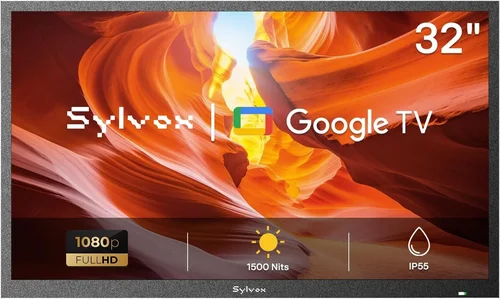
Outdoor living spaces have evolved dramatically over the past decade. What was once just a backyard with a grill and a few lawn chairs has transformed into a full-fledged entertainment zone—complete with outdoor kitchens, fire pits, sound systems, and yes, televisions. Whether you’re lounging poolside on a hot summer day or hosting friends for a backyard movie night, having a reliable outdoor TV can elevate your experience significantly. But here’s the catch: not all TVs are built to withstand the elements. Standard indoor TVs might look great in your living room, but expose them to humidity, rain, UV rays, or extreme temperatures, and they’ll fail fast—often within months.
That’s where outdoor TVs come in. Designed specifically for open-air environments, these units are engineered to handle moisture, dust, temperature swings, and direct sunlight. However, the term “cheap” doesn’t have to mean “low quality.” In fact, with smart shopping and a clear understanding of what matters most, you can find an affordable outdoor TV that delivers excellent performance without breaking the bank. This guide is designed to help you navigate the crowded market, avoid costly mistakes, and make a confident purchase decision—whether you’re on a tight budget or simply want the best value for your money.
By the end of this comprehensive buying guide, you’ll know exactly what to look for in an outdoor TV, how to compare different models and types, and where to find the best deals in 2026. We’ll break down key technical specs, explain why certain features matter more than others in outdoor settings, and share expert tips to help you stretch your dollar further. You’ll also learn about common pitfalls—like buying an indoor TV and slapping a weatherproof cover on it—and how to avoid them. Whether you’re installing your TV under a covered patio, mounting it near the pool, or setting it up in a fully exposed area, this guide will equip you with the knowledge to choose wisely.
The outdoor TV market has matured considerably in recent years. While premium brands like Samsung, LG, and Sony dominate the high-end segment with fully sealed, all-weather models costing $2,000 or more, a new wave of budget-friendly options has emerged. Companies like SunBriteTV (now part of Peerless-AV), Seura, and even mainstream retailers like TCL and Hisense now offer outdoor-ready displays at surprisingly accessible price points. Some are partial outdoor TVs—designed for semi-covered areas like patios or gazebos—while others are fully weatherproof and can be mounted in direct sunlight. The key is knowing which category fits your needs and how to evaluate value beyond just the sticker price. With rising demand and increased competition, 2026 is shaping up to be one of the best years yet to invest in an outdoor entertainment setup—without overspending.

What to Look for When Buying Buying Guide
1. Budget & Price Range
When shopping for a cheap outdoor TV, your budget is the foundation of your entire decision-making process. It’s easy to get swept up in flashy features or brand names, but starting with a realistic spending limit helps you focus on what truly matters: value. Outdoor TVs typically range from around $500 for basic semi-outdoor models to over $3,000 for premium, fully weatherized units. However, “cheap” doesn’t mean you have to settle for subpar performance. Many mid-tier options under $1,200 offer excellent brightness, decent weather resistance, and smart functionality.
Set a firm budget before you begin browsing. Ask yourself: Will this TV be used occasionally under a covered patio, or will it face full sun and rain? If it’s the former, you can safely aim for the lower end of the spectrum. But if you’re installing it poolside with no overhead protection, you’ll need to invest in better weatherproofing—even if it pushes your budget slightly higher. Remember, a $600 TV that fails after one season due to moisture damage ends up costing more than a $900 model that lasts five years. Think long-term.
Also, factor in installation costs. Wall mounts, cables, and professional setup can add $100–$300 to your total expense. Some retailers bundle mounting hardware or offer free shipping, so compare total package prices—not just the TV itself. And don’t forget about accessories like outdoor-rated HDMI cables or surge protectors, which are essential for longevity.
2. Performance Specifications
Performance specs are where many buyers go wrong—especially when trying to save money. It’s tempting to grab the cheapest 4K TV labeled “outdoor,” but if the brightness, contrast, or refresh rate isn’t up to par, you’ll regret it once you’re squinting at a washed-out screen under midday sun. For outdoor use, brightness is king. Look for a minimum of 700 nits (cd/m²), but ideally 1,000 nits or higher. Standard indoor TVs usually hit 300–500 nits—fine for dim rooms, but hopeless in daylight.
Resolution should be 4K UHD (3840 x 2160) for any screen 50 inches or larger. While 1080p might seem sufficient for smaller screens, 4K provides sharper detail, better upscaling, and future-proofing as content continues to shift toward ultra-high definition. HDR support (HDR10, Dolby Vision, or HLG) is also valuable, as it enhances color depth and contrast—critical when fighting glare.
Refresh rate matters too. A 60Hz panel is acceptable for casual viewing, but if you plan to watch sports or action movies, aim for 120Hz. This reduces motion blur and makes fast-paced scenes look smoother. Input lag is another consideration for gamers; look for models under 20ms if you’ll be connecting a console.
Lastly, check the viewing angle. Outdoor spaces often mean people are seated at wide angles relative to the screen. TVs with IPS panels offer better off-axis viewing than VA panels, though they may sacrifice some contrast. Balance is key.
3. Build Quality & Durability
This is non-negotiable for outdoor use. An outdoor TV must be built to resist water, dust, extreme temperatures, and UV degradation. The first thing to check is the IP (Ingress Protection) rating. For fully exposed areas, you need at least IP55 (protected against low-pressure water jets and limited dust ingress). IP65 or higher is ideal for poolside or rainy climates. Avoid TVs without an official IP rating—they’re likely indoor models with cosmetic “outdoor” branding.
Materials matter too. Look for powder-coated aluminum chassis, stainless steel screws, and sealed ports. Plastic housings may crack under temperature swings or fade in direct sunlight. The screen itself should have anti-reflective coating to combat glare—a must-have for daytime viewing.
Temperature tolerance is another critical factor. Most outdoor TVs operate between -22°F and 122°F (-30°C to 50°C). If you live in a region with harsh winters or scorching summers, verify the operating range matches your climate. Some budget models claim outdoor use but only function reliably between 40°F and 90°F—useless in many parts of the U.S.
Also consider ventilation. Unlike indoor TVs, outdoor models often lack internal fans. Instead, they rely on passive cooling through heat-dissipating materials. Ensure there’s adequate airflow around the unit when mounting, and avoid enclosing it in tight cabinets unless specifically designed for that purpose.
4. Features & Functionality
Modern outdoor TVs come packed with smart features, but not all are created equal—especially at lower price points. Start with the operating system. Android TV, Roku TV, and webOS are the most user-friendly and regularly updated. Avoid proprietary systems that lag behind in app support or security patches.
Voice control via Google Assistant or Alexa is convenient, especially when your hands are wet from the pool. Built-in Wi-Fi (dual-band 2.4GHz/5GHz) ensures stable streaming, but also check for Ethernet ports if you’re wiring through walls.
Connectivity is crucial. Look for multiple HDMI 2.1 ports (for 4K/120Hz), USB inputs, and audio outputs. If you’re using external speakers or a soundbar, ensure the TV supports optical or ARC (Audio Return Channel). Some budget models omit these, forcing you to rely on built-in speakers—which are often weak and muffled outdoors.
One often-overlooked feature is the remote control. Standard IR remotes struggle in bright sunlight. Opt for models with RF (radio frequency) remotes or Bluetooth connectivity, which work reliably even when the sensor is shaded or dirty. Bonus points if the remote is waterproof or comes with a protective case.
Lastly, consider modularity. Some outdoor TVs allow you to swap out components (like the display panel or smart module), extending their lifespan. This is rare in budget models but worth noting if you plan to keep the TV for many years.
5. Brand Reputation
Brand matters—not because of logos, but because established manufacturers invest in R&D, testing, and customer support. SunBriteTV (now Peerless-AV) pioneered the outdoor TV category and remains a gold standard for durability. Seura specializes in weatherproof TVs with sleek designs. On the more affordable side, TCL and Hisense have introduced outdoor-ready models that balance cost and capability.
Be cautious with unknown brands or those sold exclusively through third-party Amazon sellers. While some offer great deals, they may cut corners on materials, firmware updates, or warranty service. Check if the company has a physical headquarters, responsive customer service, and a track record of honoring warranties.
Read professional reviews from trusted sources like CNET, RTINGS.com, or Wirecutter. These outlets test TVs rigorously, including real-world outdoor conditions. User reviews on retailer sites can be helpful, but watch for red flags: repeated complaints about screen fogging, port corrosion, or premature failure are warning signs.
Also, consider ecosystem compatibility. If you already use Google Home, Apple TV, or Amazon devices, choosing a TV that integrates seamlessly saves time and frustration. A brand with strong ecosystem support often provides better long-term usability.
6. Warranty & Support
A cheap outdoor TV isn’t truly cheap if it breaks after a year with no recourse. Always check the warranty terms before buying. Most reputable outdoor TVs come with at least a 2-year limited warranty, covering defects and weather-related failures. Some premium brands offer 3–5 years. Avoid anything less than 1 year—especially for outdoor use.
Read the fine print. Does the warranty cover accidental damage? What about corrosion from salt air (critical for coastal homes)? Is on-site service included, or do you have to ship the unit back? Some companies charge restocking fees or deduct for “wear and tear,” which can be vague.
Customer support responsiveness is just as important. Can you reach a human quickly? Are technicians trained in outdoor installations? Look for brands with dedicated outdoor support lines. Online forums and Reddit communities often share real-user experiences with warranty claims—use them to gauge reliability.
Extended warranties are rarely worth it for electronics under $1,500, but if you’re investing in a high-end model, they can provide peace of mind. Just compare the cost against potential repair expenses.
7. Size & Portability
Size affects both viewing experience and installation logistics. For pool areas, a 55-inch to 65-inch screen is ideal—large enough to be seen from multiple seating zones, but not so big that it overwhelms the space. Measure your viewing distance: a good rule of thumb is 1.5 to 2.5 times the screen diagonal. So for a 60-inch TV, sit 7.5 to 12.5 feet away.
Portability is less critical for fixed installations but matters if you plan to move the TV seasonally (e.g., from patio to garage in winter). Some outdoor TVs are heavy (40–60 lbs), so consider weight when choosing a mount. Full-motion articulating arms offer flexibility but require sturdy reinforcement.
If space is tight, look for slim-profile models or those with VESA-compatible backs for flush wall mounting. Avoid TVs with bulky stands unless you’re placing them on a stable outdoor console.
For renters or temporary setups, consider portable outdoor projector alternatives—but note they lack the brightness and reliability of dedicated outdoor TVs.
8. User Reviews & Ratings
Never buy an outdoor TV based solely on specs or marketing claims. Real-world user feedback reveals hidden flaws: poor Wi-Fi range behind stucco walls, remotes that stop working in humidity, or apps that crash during storms. Aggregate ratings (4.0+ stars on Amazon, Best Buy, etc.) are a starting point, but dive into detailed reviews.
Look for patterns. If five users mention the same issue—say, the HDMI ports loosening over time—it’s likely a design flaw. Pay attention to reviewers who describe their installation environment: “mounted under pergola in Florida” or “poolside in Arizona” gives context. A TV that works in Seattle might fail in Phoenix due to heat.
Also, check review dates. A model praised in 2022 might have been downgraded in 2024 due to cost-cutting. Manufacturers often change components without updating the product name. Cross-reference recent forum posts or YouTube unboxings for the latest info.
Finally, be skeptical of overly positive reviews with generic language—they may be incentivized. Genuine reviews include photos, specific pros/cons, and usage timelines (“still working after 18 months”).
Different Types of Buying Guide

Common Buying Mistakes to Avoid
❌ Mistake: Buying an Indoor TV and Assuming It’s Fine Outdoors
Why it’s bad: Indoor TVs are not sealed against moisture, dust, or temperature extremes. Even a light drizzle can cause internal corrosion, and humidity from a pool can fog the screen or damage circuitry within weeks. Plus, their brightness is too low for daylight viewing.
What to do instead: Only purchase TVs explicitly rated for outdoor use. If you must use an indoor model, pair it with a certified weatherproof enclosure (like those from Peerless-AV or Outdoor TV Enclosures) and ensure proper ventilation.
❌ Mistake: Ignoring Brightness Requirements
Why it’s bad: A dim screen turns your pool party into a squinting contest. Most indoor TVs max out at 400 nits—nowhere near enough to compete with sunlight reflecting off water.
What to do instead: Aim for at least 700 nits for covered areas and 1,000+ nits for full sun. Check spec sheets carefully; some brands inflate brightness numbers with misleading metrics.
❌ Mistake: Overlooking Installation Costs
Why it’s bad: A $600 TV can easily become a $1,000 project once you add a heavy-duty mount, conduit for cables, and professional installation—especially if you need to run power through concrete or stucco.
What to do instead: Get a full quote before purchasing. Some retailers offer bundled installation packages. DIY if you’re handy, but never compromise on structural safety—outdoor TVs are heavy and can cause injury if they fall.
❌ Mistake: Choosing Based Solely on Price
Why it’s bad: The cheapest option often lacks essential features like proper IP rating, anti-glare coating, or reliable smart OS. You end up replacing it sooner, costing more long-term.
What to do instead: Prioritize value over price. A $900 TV that lasts 5 years is better than a $500 one that fails in 18 months. Use our budget tiers below to find your sweet spot.
❌ Mistake: Skipping the Warranty Check
Why it’s bad: Outdoor conditions accelerate wear. Without a solid warranty, a single storm or heatwave could leave you with a dead screen and no recourse.
What to do instead: Always verify warranty length and coverage. Prefer brands that cover weather damage explicitly. Register your product immediately after purchase.
❌ Mistake: Not Testing Viewing Angles
Why it’s bad: Poolside seating is rarely directly in front of the screen. A TV with narrow viewing angles will look washed out or inverted from the sides.
What to do instead: Choose models with IPS panels or wide-viewing technology. If possible, view the TV in person or check RTINGS.com for viewing angle test results.
❌ Mistake: Forgetting About Audio
Why it’s bad: Built-in TV speakers are muffled by wind, water noise, and distance. You’ll strain to hear dialogue during a movie night.
What to do instead: Plan for outdoor speakers or a soundbar from day one. Look for TVs with optical audio out or ARC support. Wireless options like Sonos or Bose Outdoor Speakers integrate seamlessly.
Budget Guidelines: How Much Should You Spend?
Entry-Level ($500 – $800): This tier is ideal for covered patios or screened-in areas with minimal exposure. Expect 4K resolution, 700–900 nits brightness, basic smart features (Roku or Android TV), and IP54 rating. Brands like TCL and Hisense offer solid options here. Don’t expect premium build quality or extended warranties, but for occasional use under cover, they’re a smart buy.
Mid-Range ($800 – $1,500): The sweet spot for most homeowners. These TVs typically feature 1,000+ nits brightness, IP55 or IP65 ratings, robust metal chassis, and reliable smart platforms. Models from SunBriteTV’s Veranda series or Seura’s Slim series fall here. You’ll get better color accuracy, wider viewing angles, and 2–3 year warranties. Perfect for semi-exposed areas like pergolas or pool cabanas.
Premium ($1,500 – $2,500): For fully exposed installations or high-end aesthetics. Expect full weatherproofing (IP66), extreme temperature tolerance (-22°F to 122°F), anti-reflective glass, and advanced HDR. These often include RF remotes, modular designs, and 3–5 year warranties. Ideal for luxury homes, resorts, or serious entertainers.
Luxury ($2,500+): Top-tier models with transparent displays, mirror finishes, or custom integration. Think Seura’s Frame TV or Samsung’s The Terrace. These blend technology with interior design, offering seamless off-state aesthetics. Only necessary if visual impact is as important as function.
Expert Tips for Getting the Best Deal
1. Time Your Purchase Strategically: Outdoor TV sales peak in late spring and early summer, but the best deals often come in September–October as retailers make room for holiday electronics. Sign up for price alerts on CamelCamelCamel (for Amazon) or Honey.
2. Buy Direct from Manufacturer When Possible: Brands like Seura and SunBriteTV often offer exclusive bundles, extended warranties, or free shipping direct. You’ll also get accurate spec info and better support.
3. Consider Refurbished or Open-Box Units: Certified refurbished outdoor TVs from authorized dealers come with full warranties and can save 20–30%. Best Buy and Amazon Renewed are reliable sources.
4. Bundle with Installation: Some retailers (like Crutchfield or Magnolia Design Center) offer discounted or free professional installation with TV purchase. This ensures proper mounting and cable management.
5. Check Return Policies: Outdoor TVs are hard to return once mounted. Ensure you have at least 30 days to test functionality and brightness in your actual environment.
6. Negotiate with Local AV Installers: Many local companies carry outdoor TVs and may offer package deals (TV + mount + setup) cheaper than online retailers when you factor in labor.
7. Use Credit Card Perks: Some cards offer extended warranties or price protection. Paying with the right card can effectively add 1–2 years of coverage.
8. Join Owner Forums: Communities like AVS Forum or Reddit’s r/outdoortv share exclusive promo codes, flash sales, and real-user deal alerts.

Frequently Asked Questions
Q: Can I use a regular TV outdoors if I cover it?
A: Technically yes, but it’s risky and not recommended for permanent setups. Even with a cover, condensation can build up inside, and indoor TVs lack the brightness and thermal management needed for outdoor conditions. For temporary or seasonal use, a quality weatherproof enclosure (like the Peerless-AV Outdoor TV Cover) can work—but invest in a true outdoor TV for year-round reliability.
Q: Do outdoor TVs need special mounts?
A: Yes. Standard indoor mounts aren’t rated for the weight and environmental stress of outdoor TVs. Use heavy-duty, corrosion-resistant mounts with stainless steel hardware. Full-motion mounts should be specifically labeled for outdoor use.
Q: Will an outdoor TV work in direct sunlight?
A: Only if it’s a fully weatherproof model with 1,000+ nits brightness and anti-glare coating. Partial outdoor TVs will wash out completely in direct sun.
Q: How do I protect cables from weather?
A: Use outdoor-rated HDMI and power cables, and run them through conduit or waterproof cable channels. Seal all connections with silicone or specialized grommets.
Q: Can I leave my outdoor TV on all the time?
A: Most modern outdoor TVs are designed for continuous operation, but it’s wise to turn them off during storms or extreme weather to prevent power surges.
Q: Are outdoor TVs energy efficient?
A: Generally yes—especially LED models. Look for ENERGY STAR certification. Brightness modes can be adjusted for nighttime viewing to save power.
Q: What’s the lifespan of an outdoor TV?
A: With proper installation and maintenance, 5–7 years is typical. Premium models can last 8–10 years. Avoid placing them where sprinklers spray directly on the screen.
Q: Do I need a separate sound system?
A: Highly recommended. Built-in speakers can’t compete with ambient noise near pools or gardens. Wireless outdoor speakers provide rich, immersive audio without messy wiring.
Q: Can I stream Netflix or Disney+ on an outdoor TV?
A: Absolutely—if it has a smart platform. Most outdoor TVs support major streaming apps. Just ensure strong Wi-Fi coverage or use a mesh network extender.
Q: Is it safe to install near a pool?
A: Yes, as long as the TV is mounted at least 6 feet horizontally from the pool edge (per NEC guidelines) and uses GFCI-protected outlets. Fully weatherproof models are essential.
Our Final Recommendations
Best for Budget-Conscious Buyers: TCL 55″ 5-Series Partial Outdoor TV – At around $650, it offers 800 nits brightness, Roku TV, and IP54 rating. Perfect for covered patios. Lacks full weatherproofing but delivers surprising value.
Best Overall Value: SunBriteTV Veranda 55″ Series 3 – Priced at $1,199, it hits the sweet spot with 1,000 nits, IP55 rating, Android TV, and a 3-year warranty. Ideal for semi-exposed areas and built to last.
Best Premium Option: Seura 65″ The Frame Outdoor TV – At $2,799, it’s a showstopper. Doubles as art when off, features IP65 rating, 1,200 nits, and seamless integration with smart home systems. For those who want form and function.
Best for Beginners: Hisense 50″ U6H Outdoor-Ready TV – Simple setup, Google TV, 750 nits, and under $600. Great first outdoor TV for casual users under cover.
Best for Advanced Users: Peerless-AV Xtreme 65″ All-Weather TV – Fully sealed, modular design, IP66 rating, and customizable bezels. For tech-savvy homeowners who want maximum control and longevity.
Conclusion: Making the Right Choice
Choosing the right outdoor TV for your pool area doesn’t have to be overwhelming—or expensive. By focusing on key factors like brightness, weather resistance, build quality, and real-world performance, you can find a model that fits both your budget and your lifestyle. Remember, “cheap” should mean “smart value,” not “cutting corners.” A well-chosen outdoor TV will enhance your outdoor living space for years, turning lazy afternoons and lively gatherings into memorable experiences.
Don’t rush the decision. Use this guide to compare options, read recent reviews, and assess your specific environment. Whether you’re watching the sunset with a cocktail in hand or hosting a movie night under the stars, the right TV makes all the difference. Prioritize your needs, invest wisely, and enjoy the freedom of entertainment without walls.
Ready to upgrade your backyard? Start by measuring your space, setting a realistic budget, and exploring the recommendations above. Your perfect outdoor TV is out there—and with the knowledge from this guide, you’re equipped to find it.

