
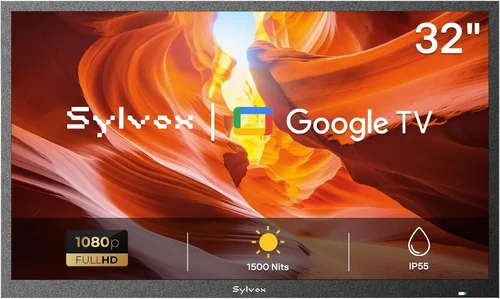
Outdoor living spaces have evolved dramatically over the past decade. What was once a simple backyard with a grill and some lawn chairs has transformed into fully equipped outdoor entertainment zones—complete with kitchens, fire pits, sound systems, and yes, even televisions. Among these upgrades, installing a TV under a pergola has become one of the most popular ways to enjoy movies, sports, or your favorite shows while soaking up fresh air and natural light. But here’s the catch: not all TVs are built to withstand the elements. Standard indoor TVs may look great for a few months, but exposure to humidity, temperature swings, dust, and UV rays can quickly lead to foggy screens, overheating, or complete failure.
That’s where outdoor TVs come in—specifically, models designed or adapted for use in semi-covered areas like pergolas. These units are engineered to handle the challenges of outdoor environments without sacrificing picture quality or smart functionality. However, the market is flooded with options ranging from budget-friendly “weather-resistant” indoor TVs to fully sealed, commercial-grade outdoor displays costing thousands of dollars. Navigating this landscape can be overwhelming, especially if you’re trying to balance performance, durability, and affordability. This guide cuts through the noise to help you make an informed decision that fits your space, needs, and budget.
In this comprehensive buying guide, you’ll learn exactly what to look for when shopping for a cheap outdoor TV for your pergola. We’ll break down the key factors that matter most—from weather resistance and brightness to smart features and installation requirements. You’ll also discover the different types of outdoor TVs available, common pitfalls to avoid, and expert tips for getting the best value. Whether you’re a first-time buyer or upgrading from an older model, this guide will equip you with the knowledge to choose a TV that delivers reliable performance season after season. By the end, you’ll know not only which features are essential but also how to stretch your dollar without compromising on quality.

What to Look for When Buying Buying Guide
1. Weather Resistance & IP Rating
When it comes to outdoor TVs, weather resistance isn’t just a nice-to-have—it’s non-negotiable. Unlike indoor models, outdoor TVs must endure moisture, dust, extreme temperatures, and even direct sunlight (depending on placement). The first thing to check is the TV’s Ingress Protection (IP) rating, which indicates how well the device is sealed against solids and liquids. For pergola installations—where the TV is partially sheltered but still exposed to rain, humidity, and airborne debris—an IP55 or higher rating is ideal. IP55 means the TV is protected against low-pressure water jets from any direction and limited dust ingress. Some premium models offer IP65 or IP66, providing even greater protection against heavy rain and dust storms.
However, don’t assume all “outdoor” TVs meet these standards. Many budget models marketed as “weather-resistant” are actually just indoor TVs sold with a vague claim of outdoor suitability. Always verify the IP rating in the product specifications. Additionally, look for features like sealed ports, corrosion-resistant screws, and ventilation systems that prevent condensation buildup. A TV that overheats or shorts out after a summer storm isn’t just inconvenient—it’s a safety hazard.
2. Screen Brightness & Anti-Glare Technology
One of the biggest challenges with outdoor viewing is glare. Even under a pergola, ambient light—especially during daytime—can wash out the image on a standard TV screen. That’s why brightness matters more outdoors than indoors. For comfortable viewing in daylight conditions, aim for a TV with a peak brightness of at least 700 nits, though 1000 nits or higher is preferable. Many dedicated outdoor TVs now feature high-brightness LED or OLED panels specifically tuned for outdoor use.
Equally important is anti-reflective coating. Look for screens with matte finishes or specialized optical filters that reduce glare without sacrificing color accuracy. Some manufacturers use “daylight-readable” technology, which combines high brightness with advanced polarizing layers to maintain contrast even in direct sunlight. If you plan to watch during golden hour or early evening, consider a TV with local dimming or HDR support to enhance dynamic range. Remember: a dim screen might save power, but it won’t deliver a satisfying viewing experience when the sun is shining.
3. Build Quality & Durational Design
Outdoor TVs face harsher conditions than their indoor counterparts, so build quality is paramount. Start by examining the materials used in the chassis and bezel. Aluminum or powder-coated steel enclosures resist rust and corrosion far better than plastic, especially in humid or coastal climates. Avoid TVs with exposed vents or unsealed speaker grilles—these can allow moisture and insects to enter the internal components.
Thermal management is another critical aspect. Outdoor TVs generate heat just like indoor models, but they can’t rely on room airflow for cooling. Look for units with passive cooling systems (like heat sinks) or active fans designed to operate quietly and efficiently in varying temperatures. Some models include internal temperature sensors that automatically adjust brightness or shut down if overheating is detected. Also, check whether the TV is designed for year-round use or only seasonal installation. A true outdoor TV should function reliably from -22°F to 122°F (-30°C to 50°C), covering everything from winter chill to summer heatwaves.
4. Smart Features & Connectivity
Just because a TV lives outside doesn’t mean it should lack modern conveniences. Most buyers today expect smart functionality—streaming apps, voice control, screen mirroring, and seamless integration with home ecosystems like Google Assistant or Amazon Alexa. Fortunately, many affordable outdoor TVs now include built-in Wi-Fi, Bluetooth, and popular platforms like Roku TV, Android TV, or webOS. This eliminates the need for external streaming devices cluttering your pergola setup.
Connectivity options are equally important. Ensure the TV has enough HDMI ports (at least two, preferably three) for devices like gaming consoles, soundbars, or cable boxes. USB ports are useful for playing media files or updating firmware. Some models even include weatherproof cable glands or rear-access panels to keep connections dry and tidy. If you’re mounting the TV permanently, look for a model with side-facing or bottom-facing ports to simplify cable routing. And don’t forget audio: while built-in speakers are convenient, they’re often underpowered for outdoor spaces. Consider pairing your TV with weather-resistant outdoor speakers or a soundbar for richer sound.
5. Size & Viewing Distance
Choosing the right screen size isn’t just about aesthetics—it directly impacts your viewing experience. For pergola setups, common sizes range from 43 inches to 65 inches, though larger models are available. To determine the ideal size, measure the distance between your seating area and the TV location. A general rule of thumb is to multiply the viewing distance (in feet) by 0.84 to get the recommended screen diagonal in inches. For example, if you’ll be sitting 8 feet away, a 67-inch TV would be ideal—but a 55-inch model may suffice if space or budget is limited.
Keep in mind that outdoor environments often have more ambient light and less acoustic containment, so a slightly larger screen can improve immersion. However, avoid going too big for your space—an oversized TV can overwhelm a small pergola and create neck strain if mounted too high. Also, consider the TV’s depth and weight, especially if you’re using a wall mount or articulating arm. Heavier units may require reinforced mounting hardware or professional installation.
6. Brand Reputation & Reliability
Not all brands are created equal when it comes to outdoor electronics. While mainstream manufacturers like Samsung, LG, and Sony dominate the indoor market, fewer have established strong reputations in the outdoor space. Brands like SunBriteTV, Seura, and Peerless have built their identities around weatherproof displays and often lead in durability and innovation. However, their products tend to be premium-priced.
For budget-conscious buyers, look for reputable electronics brands that offer certified outdoor models—even if they’re not exclusively outdoor-focused. Companies like TCL, Hisense, and Vizio have begun offering “outdoor-ready” versions of their popular smart TVs, often at a fraction of the cost of specialty brands. Read professional reviews and user feedback to gauge long-term reliability. Pay special attention to reports about screen fogging, port corrosion, or premature failure after a few seasons. A brand with responsive customer service and a solid track record is worth paying a little extra for.
7. Warranty & Support
Outdoor TVs are an investment, and a good warranty can provide peace of mind. Standard indoor TVs typically come with one-year limited warranties, but outdoor models should offer longer coverage—ideally two to three years—with explicit protection against weather-related damage. Some manufacturers even provide on-site service or expedited replacement programs for outdoor units.
Before purchasing, read the fine print. Does the warranty cover humidity damage? What about power surges from lightning storms? Is accidental damage included? Also, check whether the warranty is voided if the TV is installed incorrectly or used in unsupported climates. Reliable brands will have clear, accessible support channels—phone, email, live chat—and may offer installation guides or certified installer networks. Avoid sellers who only offer “as-is” warranties or no support at all.
8. Price vs. Value
It’s tempting to go for the cheapest option, but outdoor TVs require a balance between upfront cost and long-term value. A $500 TV that fails after two summers ends up costing more than a $900 model that lasts five years. When evaluating price, consider total cost of ownership: includes the TV, mounting hardware, cables, potential repairs, and replacement frequency.
Look for models that offer the best combination of essential features within your budget. For example, a mid-range TV with IP55 rating, 800-nit brightness, and Roku OS might deliver better value than a cheaper model with no weatherproofing or smart features. Also, factor in energy efficiency—some outdoor TVs consume more power due to high brightness, which can add up on your electricity bill over time. Finally, consider resale value: well-known brands with strong reputations tend to hold their value better if you decide to upgrade later.
Different Types of Buying Guide

Common Buying Mistakes to Avoid
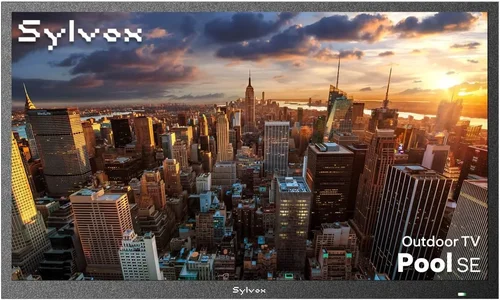
❌ Mistake: Buying a Standard Indoor TV for Outdoor Use
Why it’s bad: Indoor TVs aren’t designed to handle moisture, temperature extremes, or dust. Even under a pergola, condensation can form inside the screen, leading to fogging, dead pixels, or electrical shorts. Over time, the internal components degrade faster, resulting in premature failure.
What to do instead: Always choose a TV specifically rated for outdoor or semi-outdoor use. If budget is tight, consider a reputable indoor TV paired with a certified outdoor enclosure—but never use an indoor TV alone.
❌ Mistake: Ignoring the IP Rating
Why it’s bad: Without a proper IP rating, you have no objective measure of how well the TV resists water and dust. Marketing terms like “weather-resistant” or “all-season” are often misleading and don’t guarantee real-world protection.
What to do instead: Insist on an IP55 or higher rating for pergola installations. Verify the rating in the technical specifications, not just the product description.
❌ Mistake: Overlooking Brightness Requirements
Why it’s bad: A dim screen (under 500 nits) will be nearly unwatchable in daylight, even under shade. You’ll strain your eyes and miss details in bright scenes, ruining the outdoor viewing experience.
What to do instead: Choose a TV with at least 700 nits of brightness, preferably 1000+ nits if you plan to watch during the day. Look for anti-glare coatings and HDR support for better contrast.
❌ Mistake: Skimping on Mounting Hardware
Why it’s bad: Standard wall mounts aren’t built for outdoor conditions. Rust, vibration, and wind can loosen fittings, causing the TV to fall—posing a serious safety risk.
What to do instead: Invest in a weatherproof, corrosion-resistant mount rated for your TV’s size and weight. Consider tilt or full-motion mounts for optimal viewing angles, and have it installed by a professional if needed.
❌ Mistake: Neglecting Audio Needs
Why it’s bad: Built-in TV speakers are usually too quiet and lack bass for outdoor environments. Wind, ambient noise, and distance from seating can make dialogue inaudible.
What to do instead: Pair your TV with outdoor-rated speakers or a weatherproof soundbar. Wireless options like Bluetooth speakers offer flexibility without running cables.
❌ Mistake: Not Planning for Power and Cables
Why it’s bad: Exposed cables are vulnerable to weather, pests, and tripping hazards. Improper wiring can also cause electrical issues or void warranties.
What to do instead: Use weatherproof conduit or cable raceways to protect wires. Ensure your power source is GFCI-protected and consider a surge protector designed for outdoor use.
❌ Mistake: Assuming All “Smart” TVs Are Equal
Why it’s bad: Some budget smart TVs use outdated operating systems or lack app support, making them frustrating to use. Others may not receive software updates, leaving them vulnerable to security issues.
What to do instead: Choose a TV with a current smart platform (e.g., Roku TV, Android TV) and check for regular firmware updates. Test the interface in-store if possible.
Budget Guidelines: How Much Should You Spend?
- Entry-Level ($350 – $600): At this price point, you’ll find basic “outdoor-ready” smart TVs from brands like TCL or Hisense. These often repurpose indoor models with minor weatherproofing tweaks. Expect limited brightness (500–700 nits), basic IP ratings (if any), and modest build quality. Best for covered pergolas in mild climates with infrequent use. Look for 43″ to 50″ sizes with Roku or Android TV.
- Mid-Range ($600 – $1,200): This is the sweet spot for most pergola owners. You’ll get dedicated semi-outdoor TVs with IP55 ratings, 700–1000 nits brightness, better thermal management, and reliable smart platforms. Brands like SunBriteTV’s Veranda series or Seura’s Shadow Series offer excellent value here. Ideal for regular use in partially sheltered spaces.
- Premium ($1,200 – $2,500): For those who want top-tier performance and longevity, premium outdoor TVs deliver fully sealed designs, 1000+ nits brightness, advanced anti-glare tech, and robust construction. These models often include extended warranties and professional installation support. Perfect for high-end homes or commercial use.
- Luxury ($2,500+): At this tier, you’re investing in commercial-grade displays with 24/7 operation capability, extreme temperature tolerance, and custom integration options. These are overkill for most residential pergolas but ideal for luxury resorts or permanent outdoor theaters.
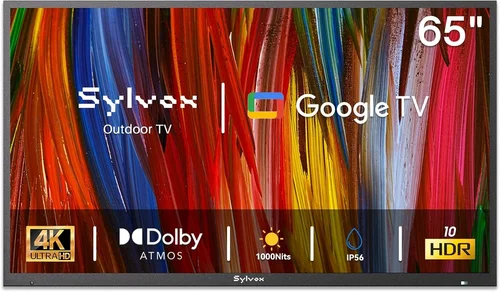
Expert Tips for Getting the Best Deal
- Shop During Off-Season: Outdoor TV sales peak in spring and summer. Buy in late fall or winter (October–February) when demand drops and retailers offer clearance discounts.
- Compare Online and In-Store: Online retailers like Amazon, Best Buy, and specialty outdoor electronics sites often have better prices and reviews. However, visiting a store lets you test brightness and interface responsiveness.
- Look for Bundles: Some sellers offer TV + mount + cable kits at a discount. These can save you $50–$150 compared to buying separately.
- Check Manufacturer Rebates: Brands like SunBriteTV occasionally run rebate programs, especially during holidays or new product launches.
- Read Return Policies Carefully: Outdoor TVs are often large and expensive to return. Ensure the seller offers at least a 30-day return window and covers return shipping for defective units.
- Test Before Finalizing Installation: Once mounted, it’s hard to return a TV. Set it up temporarily indoors first to verify picture quality, sound, and smart features.
- Consider Refurbished Models: Certified refurbished outdoor TVs from reputable sellers can offer 20–40% savings with full warranties.
- Join Outdoor Living Forums: Communities like Reddit’s r/outdoorliving or Houzz forums often share exclusive deals and real-user experiences.

Frequently Asked Questions
Q: Can I use a regular TV under a pergola?
A: Technically yes, but it’s not recommended. Without proper weatherproofing, moisture and temperature changes can damage the TV within months. If you must, use a certified outdoor enclosure and avoid direct rain exposure.
Q: Do outdoor TVs need special power outlets?
A: Not necessarily, but they should be connected to a GFCI (ground fault circuit interrupter) outlet for safety. This protects against electrical shocks in wet conditions.
Q: How do I clean an outdoor TV screen?
A: Use a microfiber cloth and a mild cleaner designed for electronics. Never spray liquid directly on the screen—apply it to the cloth first. Avoid ammonia-based cleaners.
Q: Will an outdoor TV work in winter?
A: Yes, if it’s rated for low temperatures. Most outdoor TVs function down to -22°F (-30°C). However, LCD screens may respond slower in extreme cold.
Q: Can I mount an outdoor TV on a pergola beam?
A: Only if the beam is structurally sound and can support the TV’s weight. Use a reinforced mount and consult a contractor if unsure.
Q: Do outdoor TVs consume more electricity?
A: Slightly, due to higher brightness settings. However, modern LED models are still energy-efficient. Look for ENERGY STAR certification if power usage is a concern.
Q: What’s the difference between IP55 and IP65?
A: IP55 protects against low-pressure water jets and dust. IP65 offers the same water protection but is fully dust-tight. For pergolas, IP55 is usually sufficient.
Q: Can I stream 4K content outdoors?
A: Absolutely! Many outdoor TVs support 4K HDR streaming. Just ensure your Wi-Fi signal reaches the pergola—consider a mesh network extender if needed.
Q: How long do outdoor TVs last?
A: With proper care, a quality outdoor TV can last 5–8 years or more. Cheaper models may fail in 2–3 years due to component degradation.
Q: Are outdoor TVs worth the extra cost?
A: If you plan to use your pergola regularly for entertainment, yes. The durability, brightness, and reliability justify the investment over time.
Our Final Recommendations
- Best for Budget-Conscious Buyers: TCL 55″ Class 5-Series Outdoor Smart TV – Offers Roku OS, 700-nit brightness, and decent build quality under $600. Great for covered pergolas in temperate zones.
- Best Overall Value: SunBriteTV Veranda Series 55″ – Fully weatherproof, 1000-nit brightness, IP55 rating, and excellent color accuracy. Priced around $1,100, it’s the gold standard for semi-outdoor use.
- Best Premium Option: Seura Shadow 65″ – Ultra-bright (1500 nits), anti-glare coating, and sleek design. Ideal for luxury outdoor spaces. Expect to pay $2,200+.
- Best for Beginners: Hisense 50″ U6H Outdoor Edition – Affordable, easy-to-use Google TV interface, and solid performance for casual viewers.
- Best for Advanced Users: Peerless-AV Xtreme 65″ – Commercial-grade durability, customizable mounting, and 24/7 operation capability. Perfect for tech-savvy homeowners wanting a permanent solution.
Conclusion: Making the Right Choice
Choosing the right outdoor TV for your pergola doesn’t have to be overwhelming—or expensive. By focusing on key factors like weather resistance, brightness, build quality, and smart features, you can find a model that delivers reliable performance without breaking the bank. Remember, the cheapest option isn’t always the best value. Investing in a TV designed for outdoor use ensures longevity, safety, and a truly enjoyable viewing experience, whether you’re watching the big game, a movie night under the stars, or your favorite streaming series.
Prioritize your specific needs: How often will you use it? What’s your climate like? Do you need daytime visibility? Use this guide as your roadmap, and don’t rush the decision. Take advantage of seasonal sales, read real user reviews, and consider the total cost of ownership—not just the sticker price. With the right TV, your pergola can transform into the ultimate outdoor entertainment hub, blending comfort, technology, and nature seamlessly.
Now that you’re equipped with expert knowledge, it’s time to make your purchase with confidence. Your perfect outdoor TV is out there—go find it, mount it, and start enjoying every moment under your pergola.

