
Outdoor living spaces have evolved dramatically over the past decade. What was once just a place for grilling and casual seating has transformed into fully functional extensions of our homes—complete with outdoor kitchens, fire pits, and yes, entertainment systems. Among the most popular additions to covered patios is an outdoor TV. Whether you’re watching the big game, streaming a movie under the stars, or catching up on your favorite show while lounging by the pool, having a reliable television designed for outdoor use can elevate your experience significantly.
But here’s the catch: not all TVs are built to withstand the elements—even under a covered patio. Sunlight glare, humidity, temperature swings, and dust can wreak havoc on standard indoor models. That’s why choosing the right outdoor TV isn’t just about picture quality or smart features; it’s about durability, visibility, and long-term performance in a semi-outdoor environment. With so many options flooding the market—from budget-friendly models to high-end commercial-grade displays—it’s easy to feel overwhelmed. This guide cuts through the noise to help you make a smart, informed decision that fits both your needs and your wallet.
In this comprehensive buying guide, you’ll learn everything you need to know about selecting a cheap outdoor TV for your covered patio. We’ll break down the key factors to consider—from brightness and weather resistance to connectivity and brand reliability—and compare different types of outdoor TVs to help you understand which category suits your setup best. You’ll also discover common pitfalls to avoid, realistic budget expectations, expert shopping tips, and answers to frequently asked questions. By the end, you’ll be equipped with the knowledge to choose a TV that delivers great performance without breaking the bank—perfect for enjoying your outdoor oasis year-round.

What to Look for When Buying Buying Guide
1. Brightness & Display Performance
One of the most critical factors when choosing an outdoor TV is brightness—measured in nits. Unlike indoor TVs, which typically operate in dimly lit environments, outdoor screens must compete with ambient light, even under a covered patio. Direct sunlight reflecting off surfaces or bright daytime skies can wash out images on standard displays. For this reason, outdoor TVs need significantly higher brightness levels than their indoor counterparts.
Look for models with at least 700 nits of brightness, but ideally 1,000 nits or more for optimal visibility during daylight hours. Some premium outdoor TVs boast up to 2,500 nits, making them readable even in partial sun. Additionally, consider anti-glare or anti-reflective coatings on the screen surface. These coatings reduce reflections from windows, water features, or nearby lighting, ensuring a clearer image regardless of viewing angle.
Color accuracy and contrast ratio also matter. High dynamic range (HDR) support—such as HDR10 or Dolby Vision—can enhance detail in both bright and dark areas of the image. However, keep in mind that HDR performance is only beneficial if the TV’s peak brightness is sufficient. A 4K resolution is now standard even in budget outdoor models, so aim for UHD clarity unless you’re placing the TV very far from seating areas.
2. Weather Resistance & Build Quality
Even under a covered patio, your TV will be exposed to humidity, temperature fluctuations, dust, and occasional splashes—especially if you’re near a pool, grill, or garden. Standard indoor TVs aren’t sealed against these elements and can suffer internal corrosion, screen fogging, or component failure within months.
True outdoor TVs are built with weather-resistant materials and sealed enclosures rated to international protection standards like IP55 or IP65. These ratings indicate resistance to dust and water jets. IP55 means the TV is protected against limited dust ingress and low-pressure water spray from any direction—ideal for covered patios. IP65 offers even better protection, suitable for partially exposed areas.
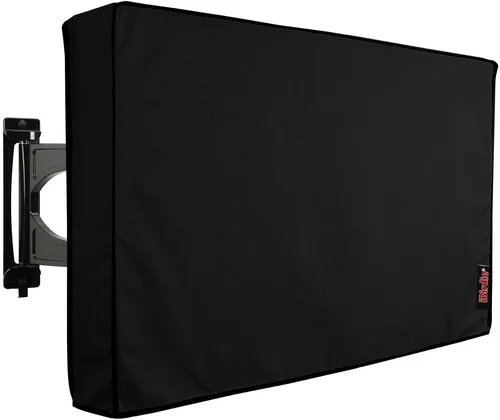
Check the construction details: look for aluminum or powder-coated steel chassis, sealed ports, and ventilation systems designed to prevent condensation. Avoid plastic housings unless explicitly rated for outdoor use—they can warp or crack in extreme temperatures. Also, ensure all mounting hardware is stainless steel or coated to resist rust.
Temperature tolerance is another key factor. Outdoor TVs should operate reliably between -22°F and 122°F (-30°C to 50°C). Cheaper models may claim outdoor use but fail in extreme cold or heat. Always verify the manufacturer’s specified operating range before purchasing.
3. Size & Viewing Distance
Choosing the right screen size depends on how far viewers will be seated from the TV. For covered patios, typical viewing distances range from 6 to 12 feet. As a rule of thumb, multiply your viewing distance (in inches) by 0.84 to get the ideal screen diagonal in inches. For example, at 9 feet (108 inches), a 90-inch screen would be ideal—but that’s often impractical for residential use.
Most homeowners opt for 55-inch to 75-inch models for covered patios. A 55-inch TV works well up to 8 feet, while a 65-inch is comfortable up to 10 feet. If space allows, a 75-inch model provides a cinematic experience even at 12 feet. Avoid going too large—oversized screens can cause eye strain and look disproportionate on smaller decks or porches.
Consider the physical dimensions too. Measure your mounting area carefully, including clearance for ventilation and cable routing. Outdoor TVs are often thicker than indoor models due to protective casings, so ensure there’s enough depth behind the wall or stand.
Portability might also matter if you plan to move the TV seasonally or between zones (e.g., patio to garage). Some budget outdoor TVs come with built-in handles or lightweight frames, though true portability is rare in this category.
4. Smart Features & Connectivity
Modern outdoor TVs come packed with smart capabilities, but not all are created equal. Most budget and mid-range models run on platforms like Android TV, Roku TV, or webOS, giving you access to streaming apps such as Netflix, YouTube, Disney+, and Amazon Prime Video. However, performance can vary—cheaper models may lag or struggle with 4K streaming due to underpowered processors.
Check the processor type and RAM. At minimum, look for a quad-core processor and 2GB of RAM for smooth navigation. Storage matters too: 8GB is acceptable for basic use, but 16GB or more allows for more app installations and offline content.
Connectivity is crucial. Ensure the TV has multiple HDMI ports (at least two, preferably three), USB inputs, and audio outputs. If you plan to connect a soundbar, gaming console, or streaming device, verify compatibility. Some outdoor TVs include weatherproof HDMI ports with rubber gaskets to protect against moisture—a smart feature for long-term reliability.
Wi-Fi performance is another consideration. Dual-band Wi-Fi (2.4GHz and 5GHz) ensures stable streaming, especially if your router is indoors and the signal must travel through walls. Bluetooth support enables wireless audio to headphones or speakers, useful for late-night viewing without disturbing others.
5. Audio Quality & Sound Solutions
Outdoor environments are inherently noisy—wind, birds, traffic, and conversations can drown out TV audio. Most budget outdoor TVs have modest built-in speakers (typically 10–20 watts), which may not suffice for larger patios or group gatherings.
If audio quality is important, consider pairing your TV with an outdoor soundbar or wireless speakers. Many modern outdoor TVs support Bluetooth or optical audio output for easy integration. Alternatively, look for models with enhanced audio features like Dolby Audio or DTS Virtual:X, which simulate surround sound from stereo speakers.
For a truly immersive experience, invest in a dedicated outdoor audio system with weather-resistant speakers mounted around the patio. This setup delivers consistent sound coverage and frees you from relying on the TV’s limited speakers.
Keep in mind that some ultra-thin outdoor TVs sacrifice speaker size for aesthetics. If you’re on a tight budget and can’t add external audio, prioritize models with at least 15W per channel and clear dialogue enhancement settings.
6. Brand Reputation & Reliability
Not all brands that sell “outdoor TVs” are specialists in the field. Some repackage indoor models with minor weatherproofing, while others design products specifically for outdoor use. Stick with reputable manufacturers known for durability and customer support.
Established names like Samsung, LG, and Sony offer high-end outdoor models, but they come at a premium. For budget-conscious buyers, brands like SunBriteTV (now part of SnapAV), Seura, and Sylvane provide reliable, purpose-built outdoor TVs at more accessible prices. Emerging brands like Hisense and TCL have also entered the space with affordable options that balance performance and protection.
Research customer feedback and professional reviews. Look for consistent praise regarding longevity, ease of setup, and responsiveness of customer service. Avoid unknown brands with no warranty or limited service centers—your TV could become a paperweight if it fails after six months.
7. Warranty & Support
Outdoor electronics are inherently riskier investments due to environmental exposure. A strong warranty is your safety net. Most reputable outdoor TV manufacturers offer at least a 2-year limited warranty, with some extending to 3 or even 5 years.
Read the fine print: does the warranty cover damage from moisture, temperature extremes, or power surges? Some exclude “acts of nature” or require professional installation for validity. Also, check if the warranty is honored nationwide or only in certain regions.
Customer support matters too. Can you reach a human quickly? Is there a dedicated outdoor product line with trained technicians? Brands with U.S.-based support centers tend to resolve issues faster than those relying on overseas partners.
8. Installation & Mounting Options
Proper installation is just as important as the TV itself. Outdoor TVs must be securely mounted to withstand wind, vibration, and accidental bumps. Most come with VESA-compatible mounting patterns (e.g., 200×200, 400×400), but you’ll need a weatherproof outdoor mount.
Full-motion mounts allow you to tilt and swivel the screen for optimal viewing angles, especially if your seating arrangement changes. Fixed mounts are cheaper and more discreet but offer less flexibility. Ensure the mount is rated for your TV’s weight and includes corrosion-resistant hardware.
Cable management is another consideration. Use conduit or weatherproof raceways to protect HDMI, power, and Ethernet cables from UV damage and pests. Some TVs include built-in cable channels or rear covers to hide wires.
If you’re not comfortable with DIY installation, hire a certified technician. Improper mounting can void your warranty and pose safety risks.
Different Types of Buying Guide
Common Buying Mistakes to Avoid
❌ Mistake: Buying a Standard Indoor TV for Outdoor Use
Why it’s bad: Indoor TVs lack weatherproofing, have lower brightness, and aren’t designed to handle temperature swings. They may work briefly but will likely fail within a year due to moisture damage or overheating.
What to do instead: Invest in a TV specifically rated for outdoor or semi-outdoor use. Even budget models designed for covered patios offer better longevity and performance.
❌ Mistake: Ignoring Brightness Requirements
Why it’s bad: A dim screen becomes unwatchable in daylight, defeating the purpose of an outdoor TV. You’ll end up squinting or only using it at night.
What to do instead: Prioritize brightness (1,000+ nits) and anti-glare coatings. Test the TV in similar lighting conditions if possible.
❌ Mistake: Overlooking Installation Needs
Why it’s bad: Poor mounting can lead to instability, cable damage, or even the TV falling. DIY errors may also void your warranty.
What to do instead: Use a certified outdoor mount and consider professional installation. Plan cable routes and power sources in advance.
❌ Mistake: Choosing Based Solely on Price
Why it’s bad: The cheapest option often cuts corners on build quality, brightness, or warranty. You may save $200 upfront but spend $800 replacing it in two years.
What to do instead: Balance cost with key features like weather resistance, brightness, and brand reputation. Aim for the best value, not the lowest price.
❌ Mistake: Neglecting Audio Setup
Why it’s bad: Built-in speakers on outdoor TVs are usually weak. Without external audio, dialogue gets lost in ambient noise.
What to do instead: Budget for a soundbar or wireless speakers from day one. Many outdoor TVs support easy Bluetooth pairing.
❌ Mistake: Assuming All “Outdoor” TVs Are Equal
Why it’s bad: Some brands market indoor TVs as “outdoor-ready” with minimal modifications. These often lack proper sealing or thermal management.
What to do instead: Verify IP ratings, operating temperature ranges, and customer reviews. Stick to brands with proven outdoor expertise.
❌ Mistake: Forgetting About Power & Connectivity
Why it’s bad: Running long extension cords or using indoor-rated cables outdoors creates fire hazards and signal loss.
What to do instead: Use outdoor-rated power strips, surge protectors, and HDMI cables. Consider a dedicated circuit if running high-wattage devices.
Budget Guidelines: How Much Should You Spend?
Entry-Level ($400 – $800): This tier includes basic semi-outdoor TVs or indoor models in weatherproof enclosures. Expect 55–65 inch screens, 700–1,000 nits brightness, and limited smart features. Ideal for small covered patios with minimal sun exposure. Brands like TCL and Hisense offer decent options here, but check warranty terms carefully.
Mid-Range ($800 – $1,500): The sweet spot for most homeowners. These TVs offer 1,000–1,500 nits brightness, IP55-rated protection, robust smart platforms, and better audio. Models from Sylvane, Seura, and refurbished SunBriteTV units fall here. You’ll get reliable performance for 5–7 years with proper care.
Premium ($1,500 – $3,000): For enthusiasts who want top-tier picture quality and durability. Expect 4K HDR, 1,500–2,500 nits brightness, commercial-grade cooling, and extended warranties. Samsung’s The Terrace and LG’s OLED outdoor models are in this range—perfect for large patios or partial sun exposure.
Luxury ($3,000+): Reserved for commercial installations or luxury homes. These include 24/7 operation capability, modular designs, and custom mounting solutions. Overkill for most residential covered patios, but ideal for hotels, resorts, or high-end outdoor theaters.
Expert Tips for Getting the Best Deal
1. Shop During Off-Seasons: Outdoor TV sales peak in spring and summer. Buy in late fall or winter (November–February) for discounts of 20–30%. Retailers clear inventory before new models arrive.
2. Consider Refurbished or Open-Box Models: Certified refurbished outdoor TVs from reputable sellers often come with full warranties and significant savings. Check manufacturer websites or authorized dealers like Sylvane.
3. Bundle with Accessories: Some retailers offer package deals including mounts, soundbars, or extended warranties. Compare total cost versus buying separately.
4. Read Return Policies Carefully: Outdoor TVs are bulky and expensive to return. Ensure the seller offers at least a 30-day return window and covers return shipping for defective units.
5. Test Before Finalizing: If buying in-store, ask to see the TV powered on. Check for dead pixels, audio quality, and menu responsiveness. Online buyers should watch unboxing and review videos.
6. Leverage Price Matching: Major retailers like Best Buy and Costco often match online prices. Have the competitor’s link ready at checkout.
7. Join Loyalty Programs: Sign up for newsletters or loyalty accounts to receive exclusive promo codes, early access to sales, and free shipping.
8. Check for Local Rebates: Some utility companies offer rebates for energy-efficient outdoor electronics. A quick search could save you $50–$100.
Frequently Asked Questions
Q: Can I use a regular TV under a covered patio?
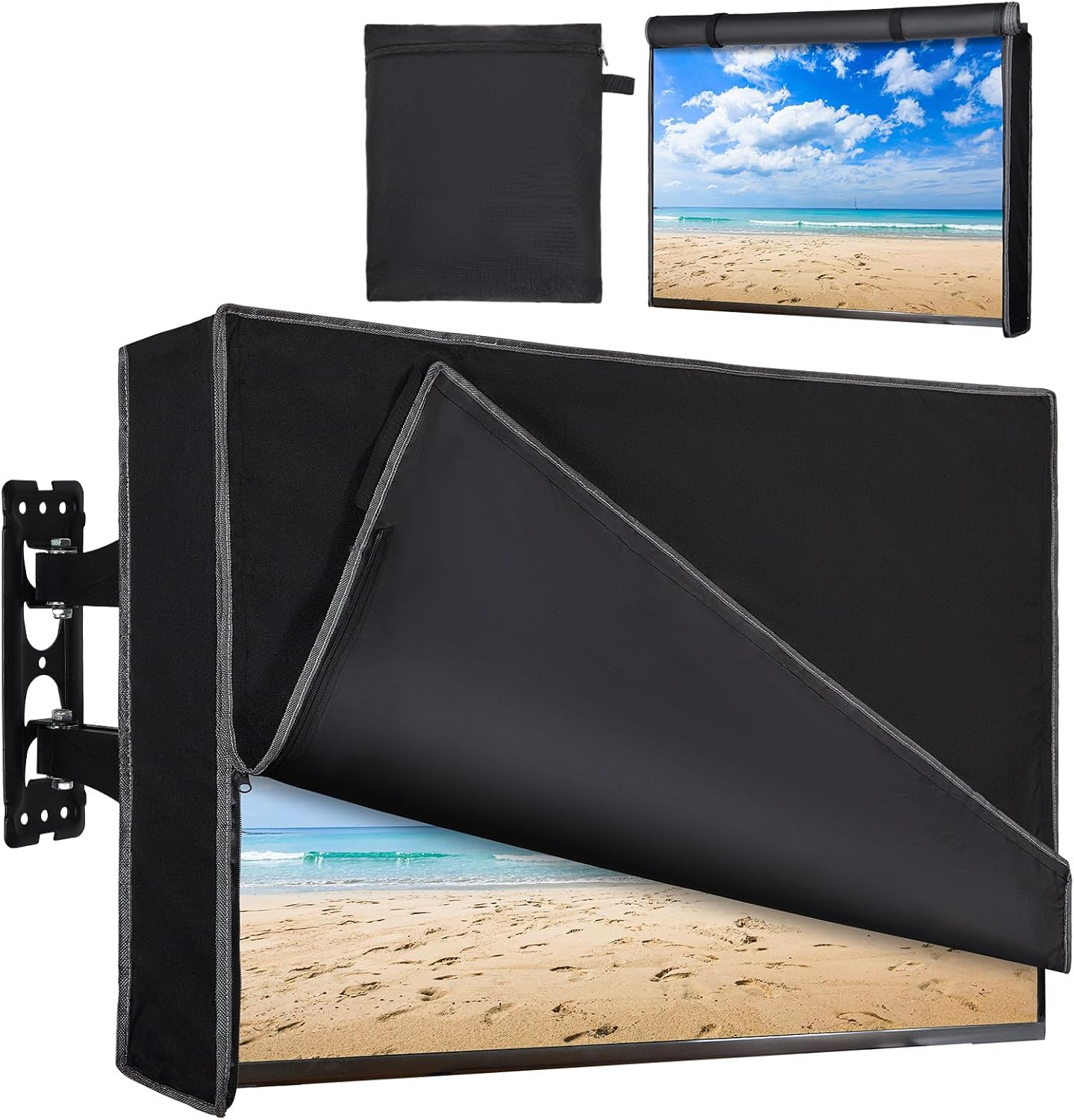
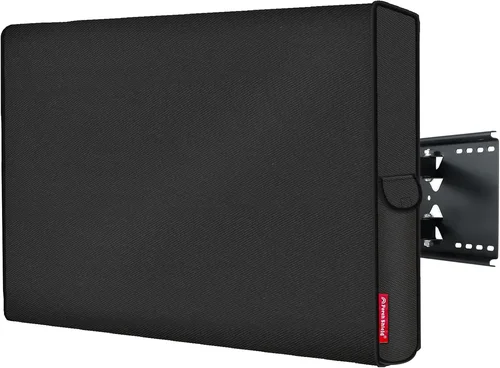
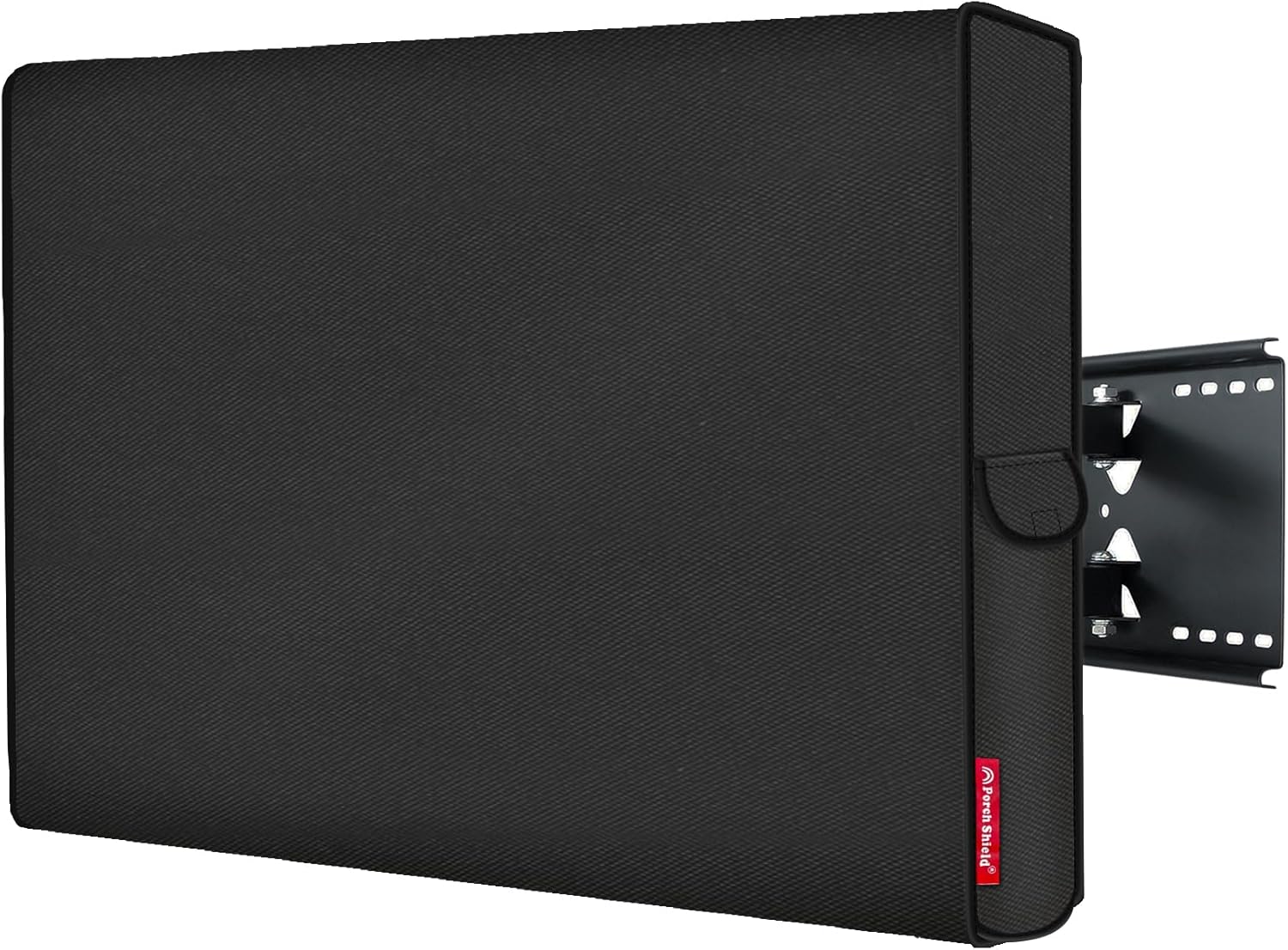
A: Technically yes, but it’s not recommended long-term. Without proper weatherproofing, humidity and temperature changes can damage internal components. If you must, use a high-quality outdoor enclosure and ensure adequate ventilation.
Q: Do outdoor TVs need special power outlets?
A: Not necessarily, but they should be connected to a GFCI (ground fault circuit interrupter) outlet for safety, especially near water sources. A dedicated circuit prevents overloads if you’re running other devices.
Q: How do I clean an outdoor TV screen?
A: Use a microfiber cloth and mild screen cleaner. Avoid ammonia-based products or paper towels, which can scratch the anti-glare coating. Power off the TV before cleaning.
Q: Will an outdoor TV work in the rain?
A: Only if it’s rated IP65 or higher and fully sealed. Most covered patio TVs (IP55) can handle light splashes but shouldn’t be directly rained on.
Q: Can I mount an outdoor TV on a brick or stucco wall?
A: Yes, but use appropriate anchors and seal all drill holes with silicone to prevent moisture intrusion. Consult a professional if unsure.
Q: Do outdoor TVs consume more electricity?
A: Slightly, due to higher brightness and cooling systems. However, modern LED models are still energy-efficient. Look for ENERGY STAR certification.
Q: What’s the lifespan of an outdoor TV?
A: With proper care, 5–10 years is typical. Factors include climate, usage frequency, and build quality. Premium models often last longer.
Q: Can I use streaming devices like Roku or Fire Stick with an outdoor TV?
A: Absolutely. Most outdoor TVs have HDMI ports compatible with popular streaming sticks. Just ensure the port is accessible and protected from moisture.
Q: Are outdoor TVs safe in lightning storms?
A: Unplug the TV during severe storms to avoid power surge damage. Consider a whole-home surge protector for added safety.
Q: Do I need a permit to install an outdoor TV?
A: Usually not for residential use, but check local building codes if mounting on a load-bearing wall or in a historic district.
Our Final Recommendations
Best for Budget-Conscious Buyers: Hisense 65H8F Outdoor Edition – At under $800, this 65-inch model delivers 1,000 nits brightness, IP55 rating, and Android TV. Great for small to mid-sized covered patios with minimal sun exposure.
Best Overall Value: Sylvane Veranda Series 65″ 4K UHD – Priced around $1,200, it offers excellent brightness (1,200 nits), robust build quality, and reliable smart features. A proven performer for most homeowners.
Best Premium Option: Samsung The Terrace 75″ Full Sun – With 2,000 nits brightness, anti-reflective coating, and premium audio, this is ideal for larger patios with partial sun. Expect to pay $2,800+, but it’s built to last.
Best for Beginners: TCL 55″ Class 4-Series Outdoor TV – Simple setup, Roku OS, and solid weather resistance make this a user-friendly entry point. Under $700 and widely available.
Best for Advanced Users: Seura 65″ Shadow Series – Features motorized ambient light sensors, customizable bezels, and whisper-quiet cooling. Perfect for tech-savvy users who want seamless integration.
Conclusion: Making the Right Choice
Choosing the right outdoor TV for your covered patio doesn’t have to be overwhelming—or expensive. By focusing on key factors like brightness, weather resistance, size, and smart functionality, you can find a model that delivers exceptional performance without overspending. Remember, the cheapest option isn’t always the best value, and cutting corners on durability can lead to costly replacements down the line.
Prioritize your specific needs: How much sunlight does your patio get? How many people will typically watch? Do you need wireless audio or advanced streaming? Answering these questions will guide you toward the perfect fit. And don’t forget the importance of proper installation and accessories—they’re just as vital as the TV itself.
Whether you’re hosting game nights, enjoying quiet evenings under the stars, or simply expanding your living space, a well-chosen outdoor TV can transform your covered patio into a true entertainment hub. With the insights from this guide, you’re now equipped to make a confident, informed decision. So go ahead—invest wisely, enjoy fully, and make every moment outdoors unforgettable.

