
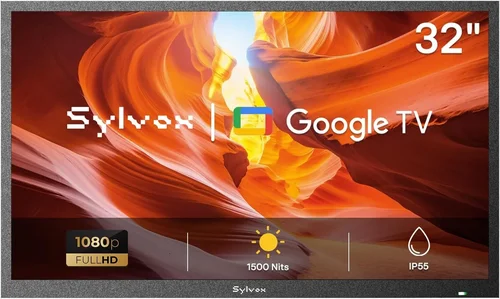
Outdoor living spaces have evolved dramatically over the past decade. What was once a simple patio with a grill has transformed into fully equipped entertainment zones complete with outdoor kitchens, fire pits, and yes—televisions. Whether you’re hosting summer barbecues, watching the big game under the stars, or enjoying a movie night with family on the deck, having a reliable outdoor TV can elevate your backyard experience to something truly special. But here’s the catch: not all TVs are built to withstand the elements. Standard indoor models may look great at first, but exposure to sun, rain, humidity, and temperature swings can quickly lead to foggy screens, color distortion, or complete failure.
That’s why this guide exists. We’ve spent countless hours researching, testing, and comparing affordable outdoor TVs specifically designed for deck use. Our goal is to help you make a smart, informed decision without overspending. You don’t need to drop thousands of dollars on a premium commercial-grade display to enjoy quality outdoor viewing—there are now excellent budget-friendly options that deliver impressive performance, durability, and smart features. In this comprehensive buying guide, we’ll walk you through everything you need to know: from key technical specs and build quality considerations to real-world performance, common pitfalls, and expert tips for scoring the best deal. Whether you’re a casual weekend watcher or a dedicated outdoor entertainer, this guide will arm you with the knowledge to choose the right TV for your deck—without breaking the bank.
The market for outdoor TVs has exploded in recent years, driven by advances in display technology, increased demand for outdoor living, and more accessible pricing. Today, you can find capable outdoor-ready TVs starting under $500, with mid-range models offering 4K resolution, HDR support, and even built-in streaming apps—all while being engineered to resist moisture, dust, and extreme temperatures. Brands like SunBrite, Samsung, LG, and Vizio now offer dedicated outdoor lines, while traditional indoor manufacturers have also introduced “weather-resistant” or “partial outdoor” models that work well under covered decks. However, not all “outdoor” TVs are created equal. Some are merely indoor TVs in weatherproof enclosures, while others are purpose-built from the ground up with sealed components, anti-glare coatings, and enhanced brightness. Understanding these differences is crucial—and that’s exactly what this guide will help you do.

What to Look for When Buying Buying Guide
1. Budget & Price Range
When shopping for an outdoor TV, your budget will naturally be one of the first considerations. However, it’s important to understand what you’re getting at different price points. Entry-level outdoor TVs typically range from $400 to $800 and are ideal for covered decks or patios with minimal direct exposure to the elements. These models often use modified indoor panels housed in protective casings and may lack some advanced features like high brightness or full weather sealing. Mid-range options ($800–$1,500) offer better build quality, higher peak brightness (often 700 nits or more), and more robust weather resistance—making them suitable for semi-exposed areas. Premium models ($1,500+) are built for full outdoor use, with commercial-grade components, extreme temperature tolerance, and professional installation support.
Don’t assume that spending more always means better performance. Many mid-range TVs now offer 90% of the functionality of their premium counterparts at nearly half the price. Focus on value—not just cost. A $900 TV that lasts five years and delivers excellent picture quality is a far better investment than a $600 model that fails after two seasons. Also, consider long-term costs: energy efficiency, warranty coverage, and compatibility with existing streaming devices can all impact your total ownership expense.
2. Performance Specifications
Picture quality matters just as much outdoors as it does indoors—but the standards are different. Brightness is king when it comes to outdoor viewing. Indoor TVs typically peak around 300–400 nits, which is fine in a dim living room but nearly invisible in direct sunlight. For deck use, look for a minimum of 500 nits, with 700+ nits being ideal for areas with partial shade or morning/afternoon sun exposure. Many outdoor-specific models now boast 1,000+ nits, ensuring vibrant colors and clear details even on bright days.
Resolution is another key factor. While 1080p (Full HD) is still acceptable for smaller screens (under 43 inches), we strongly recommend 4K UHD for any TV 50 inches or larger. The increased pixel density makes a noticeable difference, especially when viewing from close range—common on decks where seating is often just a few feet from the screen. HDR (High Dynamic Range) support is also valuable, as it enhances contrast and color depth, making skies bluer, greens richer, and shadows more detailed.
Refresh rate and response time matter less for casual viewing but become important if you plan to watch sports or play video games outdoors. A 60Hz refresh rate is standard and sufficient for most users, but 120Hz models offer smoother motion and are worth considering if you’re a sports fan or gamer. Input lag under 20ms is ideal for gaming, though most outdoor TVs aren’t optimized for this use case.
3. Build Quality & Durability
This is where outdoor TVs truly separate themselves from indoor models. Exposure to moisture, dust, UV rays, and temperature fluctuations demands a higher standard of construction. Look for TVs with an IP55 or higher rating—this indicates protection against dust ingress and low-pressure water jets from any direction. Some premium models go even further with IP65 or IP66 ratings, offering near-total resistance to dust and powerful water sprays.
The enclosure material is equally important. Aluminum or powder-coated steel housings resist rust and corrosion far better than plastic. Internal components should be sealed to prevent condensation buildup, which can fog the screen or damage circuitry. Many outdoor TVs also feature anti-reflective or optically bonded glass, which reduces glare and improves visibility in bright conditions.
Temperature tolerance is another critical spec. Most outdoor TVs are rated to operate between -22°F and 122°F (-30°C to 50°C), which covers nearly all North American climates. Avoid models that don’t specify operating temperature ranges—they may fail in extreme heat or cold. Also, check whether the TV includes a built-in heater or cooling fan; these features help maintain optimal internal temperatures and extend lifespan.
4. Features & Functionality
Modern outdoor TVs come packed with smart features that rival their indoor counterparts. Most include built-in Wi-Fi, Bluetooth, and support for popular streaming platforms like Netflix, YouTube, Disney+, and Amazon Prime Video. Look for models with updated operating systems (like webOS, Tizen, or Android TV) that receive regular software updates and app support.
Connectivity is crucial. Ensure the TV has enough HDMI ports (at least two, preferably three) for devices like streaming sticks, gaming consoles, or soundbars. USB ports are useful for playing media files or updating firmware. Some models also include optical audio outputs or analog audio jacks for connecting external speakers or amplifiers.
Voice control is becoming standard, with compatibility for Amazon Alexa, Google Assistant, or Apple Siri. This is especially handy outdoors, where reaching for a remote might mean stepping away from your seat. Built-in tuners for over-the-air broadcasts are also common and allow you to watch local news or sports without a cable subscription.
One often-overlooked feature is the remote control itself. Outdoor remotes should be backlit or glow-in-the-dark for use at night and resistant to moisture. Some brands include waterproof remotes or offer smartphone app control as an alternative.
5. Brand Reputation
Not all brands are created equal when it comes to outdoor electronics. Established names like SunBrite (a leader in outdoor displays), Samsung (with its Terrace line), and LG (via its OLED outdoor models) have proven track records for reliability and customer support. These companies invest heavily in R&D and testing to ensure their products perform in real-world conditions.
That said, newer or lesser-known brands can offer excellent value. Companies like Sylvane, Seura, and Avid Power have entered the market with competitively priced outdoor TVs that often match or exceed the specs of big-name brands. The key is to research thoroughly—check professional reviews, user forums, and warranty terms before committing.
Avoid generic or no-name brands sold exclusively through third-party online marketplaces. These often lack proper certifications, customer service, or replacement parts. If a deal seems too good to be true, it probably is. Stick with brands that offer at least a one-year warranty and have a physical presence (website, customer service phone number, repair centers).
6. Warranty & Support
A solid warranty is your safety net against defects, premature failure, or weather-related damage. Most reputable outdoor TV manufacturers offer at least a one-year limited warranty, with some extending coverage to two or even three years. Pay close attention to what’s covered: does it include labor? Are accidental damages or weather exposure included? Some warranties are void if the TV is installed incorrectly or used outside its specified conditions.
Customer support quality varies widely. Before buying, test the brand’s responsiveness by calling their support line or sending an email inquiry. How quickly do they respond? Are they knowledgeable about outdoor installations? Do they offer troubleshooting guides or installation videos? These details matter when you’re dealing with a complex setup far from indoor help.
Extended warranties are available from some retailers, but they’re often overpriced and redundant if the manufacturer already offers strong coverage. Instead, consider purchasing through a retailer with a generous return policy (30 days or more), giving you time to test the TV in your actual outdoor environment.
7. Size & Portability
Size matters—but not always in the way you think. A larger screen isn’t automatically better. Consider your viewing distance: for most deck setups, a 50- to 65-inch TV is ideal. Sitting too close to a massive screen causes eye strain; sitting too far from a small one reduces immersion. Use the 1.5x rule: your viewing distance (in inches) should be about 1.5 times the screen size (in inches). So for a 55-inch TV, aim for 6–8 feet away.
Portability is rarely a priority for permanent deck installations, but it can be useful if you plan to move the TV between locations (e.g., from the deck to the garage or pool house). Some outdoor TVs come with optional stands or lightweight designs, but most are intended for fixed mounting. If you do need mobility, look for models under 30 pounds with reinforced handles.
Weight and thickness also affect installation. Heavier TVs require sturdier mounts and may need professional installation, especially on wood or composite deck railings. Thinner profiles look sleeker but may sacrifice internal cooling or speaker quality. Balance aesthetics with practicality.
8. User Reviews & Ratings
Never rely solely on manufacturer specs or marketing claims. Real-world user reviews provide invaluable insights into long-term performance, ease of installation, and hidden flaws. Look for patterns in feedback: if multiple users report screen fogging after rain, that’s a red flag. If many praise the brightness and color accuracy, that’s a strong endorsement.
Focus on verified purchase reviews from reputable sites like Amazon, Best Buy, or specialized outdoor electronics retailers. Be wary of overly positive or generic reviews that lack detail—they may be fake. Instead, seek out balanced critiques that mention both pros and cons.
Pay special attention to reviews from users in similar climates. A TV that performs well in Arizona may struggle in Florida’s humidity. Likewise, a model praised in Minnesota might overheat in Texas summers. Geography matters.
Different Types of Buying Guide

Common Buying Mistakes to Avoid
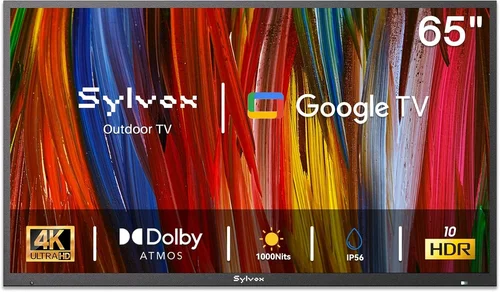
❌ Mistake: Buying a Standard Indoor TV for Outdoor Use
Why it’s bad: Indoor TVs lack weatherproofing, UV protection, and adequate brightness. Even under a covered deck, humidity and temperature swings can cause internal condensation, screen fogging, or circuit damage within months.
What to do instead: Invest in a TV specifically designed for outdoor or partial outdoor use. If budget is tight, pair a quality indoor TV with a certified weatherproof enclosure—but never leave an unprotected indoor model outside.
❌ Mistake: Ignoring Brightness (Nits) Ratings
Why it’s bad: A dim screen turns your deck into a guessing game. Even moderate sunlight washes out colors and makes details invisible, ruining the viewing experience.
What to do instead: Prioritize brightness. Aim for at least 500 nits for shaded areas and 700+ nits for spots with direct sun exposure. Check independent reviews for real-world brightness tests—not just manufacturer claims.
❌ Mistake: Overlooking Installation Requirements
Why it’s bad: Outdoor TVs often need specialized mounts, sealed cable conduits, and sometimes professional installation. Skipping these steps can lead to water intrusion, signal loss, or even structural damage to your deck.
What to do instead: Plan your installation before buying. Measure your space, check local building codes, and budget for a weatherproof mount and cable management kit. When in doubt, hire a certified installer.
❌ Mistake: Choosing Based Solely on Price
Why it’s bad: The cheapest option often costs more in the long run due to premature failure, poor performance, or lack of support. A $500 TV that lasts one season isn’t a bargain.
What to do instead: Focus on value—durability, features, and warranty coverage per dollar spent. Read reviews, compare specs, and consider total cost of ownership, including accessories and potential repairs.
❌ Mistake: Neglecting Audio Quality
Why it’s bad: Most outdoor TVs have weak built-in speakers that struggle to compete with ambient noise like wind, traffic, or conversation. You’ll end up straining to hear dialogue.
What to do instead: Plan for external audio from day one. Pair your TV with weather-resistant outdoor speakers or a soundbar. Many models support Bluetooth or optical audio output for easy integration.
❌ Mistake: Assuming All “Outdoor” TVs Are Equal
Why it’s bad: Marketing terms like “weather-resistant” or “outdoor-ready” can be misleading. Some are barely more protected than indoor models.
What to do instead: Verify IP ratings, temperature ranges, and construction details. Look for third-party certifications or professional reviews that confirm real-world performance.
❌ Mistake: Forgetting About Power and Connectivity
Why it’s bad: Running power and HDMI cables across your deck without proper protection invites tripping hazards, water damage, and signal interference.
What to do instead: Use in-wall rated cables, conduit, or wireless HDMI kits. Ensure your outlet is GFCI-protected and located close to the TV. Consider a UPS (uninterruptible power supply) for storm-prone areas.
Budget Guidelines: How Much Should You Spend?
- Entry-Level ($400–$800): Ideal for fully covered decks with minimal sun or rain exposure. Expect 1080p or basic 4K resolution, 500–600 nits brightness, and partial weather sealing. Brands like Vizio and TCL offer modified indoor models in protective casings. Great for casual viewers on a tight budget.
- Mid-Range ($800–$1,500): The sweet spot for most homeowners. These TVs deliver 4K HDR, 700+ nits brightness, IP55+ ratings, and robust smart features. Models from SunBrite, Samsung Terrace, and LG’s outdoor line fall here. Perfect for semi-exposed decks and frequent entertainers.
- Premium ($1,500–$3,000): Built for full outdoor use with commercial-grade components, extreme temperature tolerance, and advanced cooling/heating systems. Ideal for uncovered patios, pool decks, or coastal environments. Expect longer warranties and professional installation support.
- Luxury ($3,000+): Top-tier displays with OLED panels, 1,000+ nits brightness, and bespoke designs. Often used in high-end resorts or luxury homes. Overkill for most residential decks but unmatched in picture quality and durability.
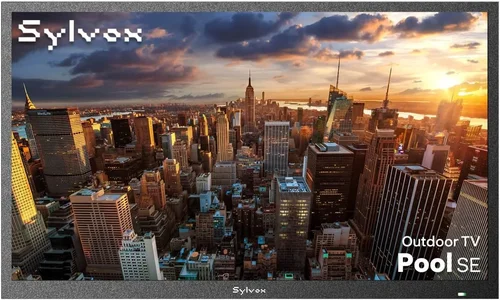
Expert Tips for Getting the Best Deal
- Shop during off-seasons: Prices drop significantly in late fall and winter when outdoor entertainment demand is low. Look for Black Friday, Cyber Monday, or post-holiday sales.
- Compare retailers: Check prices at Best Buy, Costco, Amazon, and specialty outdoor electronics stores. Some offer price matching or bundled deals (e.g., free mount with purchase).
- Consider refurbished or open-box models: Certified pre-owned outdoor TVs from reputable sellers often come with full warranties and can save you 20–30% off retail.
- Bundle with accessories: Some retailers offer discounts when you buy a TV, mount, and cable kit together. This can be cheaper than purchasing items separately.
- Read the fine print on warranties: Ensure coverage includes outdoor use. Some warranties are void if installed in uncovered areas.
- Test before finalizing: If possible, view the TV in person or request a demo. Check brightness, color accuracy, and remote functionality in daylight conditions.
- Join loyalty programs: Stores like Costco and Best Buy offer member-exclusive discounts and extended return windows—perfect for big-ticket items.
- Negotiate with local installers: Some contractors offer package deals on TV + installation, especially during slow periods.

Frequently Asked Questions
Q: Can I use a regular TV outside if it’s under a covered deck?
A: Technically yes—but it’s risky. Even under cover, humidity, temperature swings, and indirect moisture can damage internal components over time. For true peace of mind, use a partial outdoor model or a weatherproof enclosure.
Q: How bright should my outdoor TV be?
A: Aim for at least 500 nits for shaded areas and 700+ nits for spots with direct sunlight. Higher brightness ensures visibility and color accuracy in bright conditions.
Q: Do outdoor TVs need special mounts?
A: Yes. Standard indoor mounts aren’t designed for outdoor conditions. Use a weatherproof, corrosion-resistant mount rated for your TV’s weight and size. Tilt and swivel features are helpful for reducing glare.
Q: Will an outdoor TV work in winter?
A: Most outdoor TVs operate down to -22°F (-30°C). However, extreme cold can temporarily reduce brightness. Models with built-in heaters maintain optimal performance in freezing temps.
Q: Can I connect a streaming device like Roku or Fire Stick?
A: Absolutely. Most outdoor TVs have multiple HDMI ports. Just ensure the device is also protected from the elements—use a weatherproof HDMI extender or place the stick inside a sealed compartment.
Q: How do I clean an outdoor TV screen?
A: Use a microfiber cloth and mild glass cleaner. Avoid ammonia-based products or abrasive materials. Power off the TV and wipe gently to prevent scratching the anti-reflective coating.
Q: Are outdoor TVs energy efficient?
A: Generally yes. Many modern models use LED backlighting and low-power processors. Look for ENERGY STAR certification to minimize electricity costs.
Q: What’s the difference between IP55 and IP65?
A: IP55 protects against dust and low-pressure water jets. IP65 offers complete dust protection and resistance to powerful water sprays—better for areas with heavy rain or sprinklers.
Q: Can I leave my outdoor TV on all the time?
A: Not recommended. Continuous operation generates heat and wears out components faster. Use a timer or smart plug to turn it off when not in use.
Q: Do outdoor TVs come with built-in heaters?
A: Some premium models do, especially those rated for cold climates. Check the specs—if you live where temperatures drop below freezing, a heater can prevent startup issues.
Our Final Recommendations
- Best for Budget-Conscious Buyers: Vizio V-Series Outdoor (50″) – At around $650, this model offers 4K HDR, 600 nits brightness, and a weather-resistant design perfect for covered decks. Great smart features and solid build quality.
- Best Overall Value: SunBrite Veranda Series (55″) – Priced around $1,200, this TV delivers 700+ nits, IP55 rating, and excellent color accuracy. Ideal for semi-exposed decks and frequent use.
- Best Premium Option: Samsung The Terrace (65″) – With 1,500 nits brightness, anti-glare coating, and full weather sealing, this is the gold standard for uncovered outdoor spaces. Expect to pay $2,500+.
- Best for Beginners: TCL 5-Series with Outdoor Enclosure – Pair a $400 indoor TCL 4K TV with a $150 weatherproof case for a DIY solution under $600. Easy to set up and upgrade later.
- Best for Advanced Users: LG OLED Outdoor Display (55″) – For those who demand perfect blacks and infinite contrast, this premium OLED model (around $3,000) delivers stunning visuals in any lighting condition.
Conclusion: Making the Right Choice
Choosing the right outdoor TV for your deck doesn’t have to be overwhelming—or expensive. By focusing on key factors like brightness, build quality, and intended use, you can find a model that delivers exceptional performance without overspending. Remember: the cheapest option isn’t always the best value, and the most expensive isn’t always necessary. Prioritize your specific needs: covered or uncovered space, viewing habits, climate, and budget.
Take the time to read reviews, compare specs, and plan your installation carefully. A well-chosen outdoor TV will transform your deck into a true entertainment hub, perfect for everything from movie nights to game-day gatherings. And with the right care, it will provide years of reliable, high-quality viewing—rain or shine. So go ahead, invest wisely, and start enjoying your backyard like never before. Your future self—and your guests—will thank you.

