
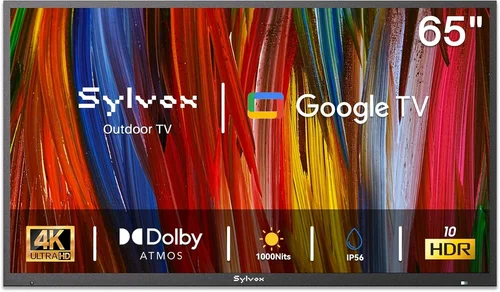
Living near the coast is a dream for many—gentle ocean breezes, panoramic sunsets, and the soothing sound of waves just steps from your door. But that same salty, humid air that makes coastal living so desirable can be a nightmare for electronics. Standard indoor TVs weren’t built to withstand constant exposure to salt spray, high humidity, UV rays, and temperature swings. If you’ve ever tried mounting a regular TV on your patio only to see it flicker out after a few months, you know the frustration all too well.
That’s where outdoor TVs come in. Specifically designed for exterior use, these rugged displays are engineered to resist corrosion, repel moisture, and deliver bright, clear images even under direct sunlight. But not all outdoor TVs are created equal—and when you’re on a budget, finding a reliable model that won’t break the bank while still surviving the coastal elements is no small feat. This guide cuts through the marketing noise to help you make a smart, informed decision. Whether you’re setting up a backyard entertainment zone, a covered porch, or an open-air cabana, we’ll walk you through everything you need to know to choose the right affordable outdoor TV for your seaside home.
In this comprehensive buying guide, you’ll learn how to balance cost with durability, understand key performance specs that matter most in outdoor environments, compare different types of outdoor displays, and avoid common pitfalls that lead to premature failure. We’ll also share expert tips on timing your purchase, maximizing value, and ensuring long-term reliability—even in the harshest coastal conditions. By the end, you’ll have the confidence to invest wisely in an outdoor TV that delivers great picture quality, stands up to the elements, and fits comfortably within your budget.

What to Look for When Buying Buying Guide
1. Budget & Price Range
When shopping for a cheap outdoor TV for coastal homes, it’s tempting to go for the lowest price tag—but doing so can cost you more in the long run. Coastal environments demand specialized construction, and cutting corners on materials often leads to early failure. That said, “cheap” doesn’t have to mean “low quality.” With smart shopping, you can find durable, weather-resistant models under $1,500 that offer excellent value.
Set a realistic budget based on your usage needs. For basic viewing under a covered patio, a lower-cost fully weatherproof model may suffice. But if your TV will be fully exposed—say, mounted on an open deck or beachfront gazebo—you’ll need to prioritize corrosion-resistant components, which may push you into the mid-range tier. Always factor in potential replacement costs; a $600 TV that fails after one season is more expensive than a $1,200 unit that lasts five years.
Look for seasonal sales (especially during Black Friday, Memorial Day, or end-of-summer clearances) and consider refurbished or open-box units from reputable retailers. Many manufacturers offer certified pre-owned models with full warranties at significant discounts.
2. Performance Specifications
Outdoor viewing presents unique challenges: glare from sunlight, lower ambient light contrast, and the need for wider viewing angles. Standard indoor TVs often struggle in these conditions, appearing washed out or dim even at maximum brightness. For coastal homes, look for displays with high peak brightness—ideally 700 nits or higher—and anti-reflective coatings to combat glare.
Resolution matters too. While 4K UHD is now standard even in budget models, ensure the TV supports HDR (High Dynamic Range) for better color depth and contrast in bright environments. Avoid models that only claim “HDR-ready” without true HDR processing—it’s a common marketing trap. Refresh rate is less critical outdoors unless you’re streaming fast-action sports, but a 60Hz panel is usually sufficient for most casual viewing.
Also consider input lag if you plan to use the TV for gaming or interactive apps. While not a primary concern for movie nights, low input lag (<30ms) ensures smoother responsiveness. Finally, check audio output—many outdoor TVs have limited built-in speakers, so you may need to pair them with external soundbars or weatherproof speakers for adequate volume over wind and waves.
3. Build Quality & Duridity
This is arguably the most important factor for coastal installations. Salt air is highly corrosive and can eat through standard electronics in months. A truly outdoor-rated TV must feature a sealed chassis, rust-proof aluminum or powder-coated steel housing, and internal components treated against moisture and oxidation.
Look for IP (Ingress Protection) ratings—specifically IP55 or higher. IP55 means the TV is protected against dust and low-pressure water jets from any direction, making it suitable for most covered and semi-exposed areas. For fully exposed locations, aim for IP65 or IP66, which offer full dust protection and resistance to powerful water jets.
Pay attention to the cooling system. Passive cooling (no fans) is quieter and less prone to failure than active fan-based systems, which can suck in salt-laden air and clog over time. Many premium outdoor models use convection-based heat dissipation, which is ideal for humid, salty environments. Also verify that all ports (HDMI, USB, power) are sealed with rubber gaskets or covered when not in use.
4. Features & Functionality
Modern outdoor TVs come packed with smart features, but not all are essential—and some can even be liabilities in harsh conditions. Smart platforms like Android TV, Roku, or webOS offer convenient streaming, but their processors may overheat or degrade faster outdoors. If you prioritize longevity over cutting-edge apps, consider a “dumb” outdoor display paired with an external streaming device (like a Roku Ultra or Apple TV) housed in a weatherproof enclosure.
Connectivity is key. Ensure the TV has multiple HDMI ports (at least two), USB for media playback, and ideally ARC (Audio Return Channel) for easy soundbar integration. Wi-Fi should support dual-band (2.4GHz and 5GHz) for stable streaming, especially if your outdoor space is far from the router. Some models include built-in Bluetooth for wireless audio—a nice bonus if you use headphones or portable speakers.
Mounting flexibility matters too. Look for VESA-compatible backs (common patterns like 200×200 or 400×400) so you can use standard outdoor mounts. Tilt and swivel options help optimize viewing angle and reduce glare. Avoid models with proprietary mounting systems—they limit upgrade options and can be costly to replace.
5. Brand Reputation
Not all brands are equal when it comes to outdoor durability. Some companies specialize in ruggedized displays, while others simply repackage indoor TVs with a weatherproof label—a practice known as “outdoorizing.” Stick with brands known for genuine outdoor engineering, such as SunBriteTV, Seura, and Samsung’s The Terrace series. These companies test their products in real-world conditions, including salt fog chambers and UV exposure labs.
Emerging brands like Sylvane, Aviditi, and Outdoor TV Direct offer budget-friendly alternatives, but research their track records carefully. Read user reviews from coastal owners—forums like Reddit’s r/homeautomation or AVS Forum often feature detailed long-term reports. Avoid unknown brands with vague specifications or no customer support presence.
Established consumer electronics brands (like LG or Sony) rarely make true outdoor TVs, though they may sell “weather-resistant” models that aren’t built for constant exposure. Always verify whether the product is designed for permanent outdoor installation or merely splash-resistant.
6. Warranty & Support
A strong warranty is your best defense against premature failure—especially in corrosive coastal environments. Most reputable outdoor TV manufacturers offer at least a 2-year warranty, with some extending to 3 or even 5 years. Pay close attention to what’s covered: does it include salt damage? What about power surges from lightning storms? Some warranties void coverage if the TV is installed in fully exposed areas without additional protection.
Customer support responsiveness is equally important. Can you reach a human quickly? Do they offer remote diagnostics or on-site service? Brands like SunBriteTV provide dedicated outdoor support lines, while lesser-known brands may outsource support to generic call centers with no outdoor expertise.
Check return policies too. Ideally, you should have at least 30 days to test the TV in your actual environment. If it fogs up, corrodes, or fails within that window, you want a hassle-free return process. Avoid retailers with restocking fees or short trial periods.
7. Size & Portability
Outdoor TVs typically range from 43 inches to 75 inches, with 55 inches being the sweet spot for most patios and decks. Larger screens are great for group viewing but require more robust mounting and may be harder to shield from wind and rain. Consider your viewing distance: a 55-inch TV is ideal for 7–10 feet, while a 65-inch shines at 10–12 feet.
Portability is rarely a priority for fixed installations, but if you plan to move the TV between seasons (e.g., storing it indoors during winter), weight and handle design matter. Most outdoor TVs are heavier than indoor equivalents due to reinforced frames—expect 30–50 lbs for a 55-inch model. Some include built-in handles or optional rolling carts for easier relocation.
For multi-zone setups (like a poolside bar and lounge area), consider smaller secondary displays (43–50 inches) rather than one massive screen. This approach offers flexibility and redundancy—if one fails, you still have backup entertainment.
8. User Reviews & Ratings
Don’t rely solely on manufacturer claims. Real-world user feedback—especially from coastal homeowners—is invaluable. Look for reviews that mention specific environmental challenges: “survived two hurricanes,” “no rust after 18 months in Florida,” or “screen stayed clear during summer heatwaves.”
Pay attention to patterns. If multiple users report the same issue—like HDMI ports corroding or Wi-Fi dropping in humidity—it’s likely a design flaw. Conversely, consistent praise for build quality or customer service is a strong endorsement.
Use trusted platforms like Amazon (filter for verified purchases), Best Buy, or specialty outdoor electronics retailers. Avoid sponsored or overly promotional reviews. Forums and Facebook groups dedicated to outdoor living often provide unfiltered, long-term insights you won’t find elsewhere.
Different Types of Buying Guide
Common Buying Mistakes to Avoid
❌ Mistake: Buying a Standard Indoor TV and Calling It “Outdoor”
Why it’s bad: Indoor TVs lack sealed enclosures, corrosion-resistant coatings, and proper thermal management. In coastal areas, salt particles will infiltrate the chassis, corrode circuit boards, and cause permanent failure within months—even under cover.
What to do instead: Only purchase TVs explicitly rated for outdoor use with verifiable IP ratings and weatherproof certifications. If a product doesn’t specify its environmental tolerances, assume it’s not suitable.
❌ Mistake: Ignoring the Mounting Environment
Why it’s bad: A TV mounted in direct sunlight will overheat, while one in a shaded but damp area may suffer from condensation. Both scenarios shorten lifespan and degrade performance.
What to do instead: Assess your installation spot honestly. Is it fully exposed? Partially covered? Near sprinklers or ocean spray? Choose a model rated for that specific condition—and consider adding a sunshade or ventilation gap if needed.
❌ Mistake: Overlooking Power Protection
Why it’s bad: Coastal storms bring lightning and power surges that can fry unprotected electronics. Many budget outdoor TVs don’t include surge protection, leaving them vulnerable.
What to do instead: Always use a high-quality outdoor-rated surge protector or UPS (uninterruptible power supply). Better yet, hardwire the TV through a GFCI (Ground Fault Circuit Interrupter) outlet for added safety.
❌ Mistake: Skimping on Audio
Why it’s bad: Wind, waves, and distance drown out weak built-in speakers. You’ll end up straining to hear dialogue or missing key moments during movies.
What to do instead: Pair your TV with weatherproof outdoor speakers or a soundbar designed for exterior use. Look for models with at least 20W output and rust-proof grilles.
❌ Mistake: Not Testing Before Committing
Why it’s bad: Picture quality can look great in a showroom but fail under real-world glare or humidity. Some screens develop fogging or discoloration after a few weeks outdoors.
What to do instead: Take advantage of generous return windows. Install the TV and test it during peak sun hours and after rain. If anything seems off, return it promptly.
❌ Mistake: Forgetting About Future Upgrades
Why it’s bad: Proprietary mounts, non-standard ports, or locked-down software can make it impossible to swap out streaming devices or update firmware later.
What to do instead: Choose TVs with standard VESA mounts, open HDMI/USB ports, and support for external streaming boxes. This ensures flexibility as technology evolves.
Budget Guidelines: How Much Should You Spend?
Entry-Level ($600–$1,000): These are typically “outdoorized” indoor TVs or basic covered-patio models. Expect decent brightness (500–700 nits), limited smart features, and minimal corrosion protection. Best for seasonal use or fully sheltered areas. Brands like Sylvane and Aviditi offer options here, but inspect build quality closely.
Mid-Range ($1,000–$1,800): This is the sweet spot for most coastal homeowners. You’ll find fully weatherproof designs with IP55+ ratings, true HDR, robust smart platforms, and reliable passive cooling. Models like the SunBriteTV Veranda series or Samsung The Terrace (refurbished) deliver excellent value and longevity.
Premium ($1,800–$3,000): For enthusiasts and those in extreme environments (e.g., beachfront properties with constant salt spray). These TVs feature military-grade materials, advanced thermal management, and extended warranties. Ideal for permanent, exposed installations where failure isn’t an option.
Luxury ($3,000+): Reserved for commercial applications or ultra-high-end residential setups. Think 8K resolution, modular designs, integrated lighting, and 24/7 operational capability. Overkill for most private homes but unmatched in durability and performance.
Expert Tips for Getting the Best Deal
- Buy off-season: Prices drop significantly in late fall and winter when demand for outdoor electronics declines. Many retailers clear inventory before spring.
- Check manufacturer refurbished programs: SunBriteTV and Seura often sell certified refurbished units at 20–40% off with full warranties.
- Bundle with installation: Some dealers offer free or discounted mounting when you buy the TV—especially useful if you’re not DIY-inclined.
- Negotiate extended warranties: If the standard warranty is only 2 years, ask if you can upgrade to 3 or 5 years at a discount—particularly valuable in corrosive environments.
- Use price-tracking tools: Set alerts on CamelCamelCamel (for Amazon) or Honey to catch sudden drops.
- Consider local specialty retailers: They may match online prices and offer better post-purchase support than big-box stores.
- Read the fine print on returns: Ensure the policy covers “performance issues” or “environmental damage”—not just defects.
- Test brightness in person if possible: If buying locally, ask to see the TV outdoors in daylight. Glare and washout are hard to judge from specs alone.

Frequently Asked Questions
Q: Can I use a regular TV under a covered patio near the coast?
A: Technically yes—but it’s risky. Even under cover, salt-laden humidity can penetrate vents and corrode internal components over time. For peace of mind and longer lifespan, invest in a true outdoor model.
Q: Do outdoor TVs need special cables?
A: Standard HDMI and power cables work, but for longevity, use outdoor-rated versions with UV-resistant jackets and corrosion-proof connectors. Avoid running cables through wet walls without conduit.
Q: How do I clean my outdoor TV?
A: Use a microfiber cloth and mild soap solution. Never spray liquid directly on the screen—wipe gently. Avoid ammonia-based cleaners, which can damage anti-reflective coatings.
Q: Will an outdoor TV work in winter?
A: Most are rated for temperatures from -22°F to 122°F. However, extreme cold can temporarily reduce brightness. If you live in a freezing coastal area (like the Pacific Northwest), choose a model with wide operating temp ranges.
Q: Can I mount an outdoor TV on a brick or stucco wall?
A: Yes, but use appropriate anchors and seal all drill holes with silicone caulk to prevent moisture intrusion. Consider a tilt mount to avoid drilling into mortar joints.
Q: Do outdoor TVs consume more power?
A: Slightly, due to higher brightness and robust cooling systems. Expect 10–20% more energy use than an equivalent indoor TV. Look for ENERGY STAR ratings to minimize impact.
Q: What if my TV gets hit by salt spray?
A: Rinse the exterior with fresh water periodically (monthly in high-spray zones). Never use high-pressure washers—they can force water into seals.
Q: Are there solar-powered outdoor TV options?
A: Not yet for full-size displays, but you can power a small outdoor TV (43″) with a robust solar+battery system. Ideal for off-grid beach cabanas.
Q: How long do outdoor TVs typically last?
A: With proper care, 5–7 years is realistic in coastal areas. Higher-end models may exceed 10 years. Indoor TVs rarely last more than 2 years in similar conditions.
Q: Can I control my outdoor TV with my phone?
A: Most smart outdoor TVs support mobile apps for remote control. Ensure your home Wi-Fi extends to the installation area, or consider a mesh network extender.
Our Final Recommendations
Best for Budget-Conscious Buyers: Sylvane 55″ Outdoor TV (Model SO55UHD) – At under $900, it offers solid IP55 protection, 700-nit brightness, and basic smart features. Ideal for covered patios with occasional exposure.
Best Overall Value: SunBriteTV Veranda 55″ (VB-5521) – Priced around $1,400, this model delivers true all-weather performance, excellent color accuracy, and a 3-year warranty. A favorite among coastal homeowners for its reliability.
Best Premium Option: Samsung The Terrace 65″ Full Sun – At $2,800, it’s built for direct sun exposure with 2,000-nit brightness, anti-glare coating, and enterprise-grade durability. Perfect for open decks and poolside lounges.
Best for Beginners: Aviditi 50″ Covered Patio TV – Simple setup, intuitive interface, and clear documentation make this a great entry point. Comes with a basic wall mount and 2-year warranty.
Best for Advanced Users: Seura 65″ Shadow Series – Features motorized ambient light sensors, customizable bezel colors, and integration with smart home systems. For those who want tech that blends seamlessly into their outdoor oasis.
Conclusion: Making the Right Choice
Choosing the right outdoor TV for your coastal home isn’t just about finding the cheapest option—it’s about investing in a display that can thrive in one of the harshest environments for electronics. Salt, sun, wind, and moisture demand more than just a splash-resistant label; they require thoughtful engineering, quality materials, and real-world testing. By prioritizing build quality, appropriate IP ratings, and reputable brands, you’ll avoid the frustration of premature failure and enjoy years of reliable outdoor entertainment.
Remember, your outdoor space is an extension of your home—a place for relaxation, connection, and celebration. The right TV enhances that experience without becoming a maintenance headache. Use this guide to assess your needs honestly, compare options critically, and shop strategically. Whether you’re watching sunset movies with family or catching the big game with friends, your coastal retreat deserves a display that’s as resilient as it is vibrant.
Take the time to research, read real user reviews, and consider the total cost of ownership—not just the sticker price. And when in doubt, lean toward slightly higher durability; in the long run, it pays dividends in performance, peace of mind, and pure enjoyment. Your perfect outdoor TV is out there—now go find it.

