
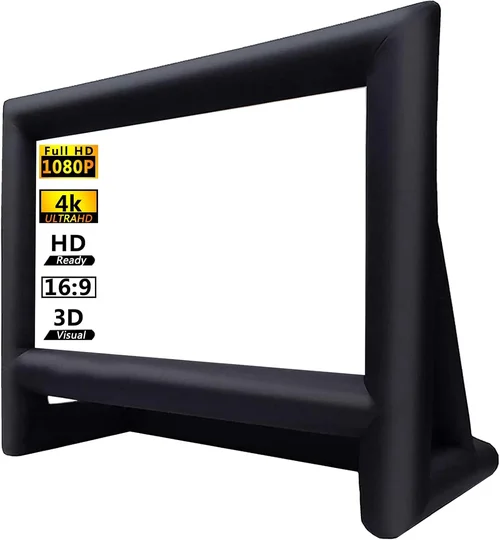
Outdoor movie nights have become one of the most beloved ways to enjoy entertainment under the stars. Whether you’re hosting a backyard film festival for friends, enjoying a quiet date night with your partner, or simply unwinding after a long day, having a reliable outdoor TV can transform your patio, deck, or garden into a personal open-air cinema. But with so many options flooding the market—ranging from ultra-expensive weatherproof models to budget-friendly indoor TVs slapped in a plastic case—it’s easy to feel overwhelmed. That’s where this comprehensive buying guide comes in.
This guide is designed to cut through the noise and help you make a smart, informed decision when choosing a cheap outdoor TV for your backyard movie nights. We’ll walk you through every critical factor, from performance specs and durability to budget considerations and hidden costs. Whether you’re a first-time buyer or looking to upgrade from an older setup, you’ll learn how to balance affordability with functionality, ensuring you get the best value without sacrificing essential features. By the end, you’ll know exactly what to look for, what to avoid, and how to maximize your outdoor viewing experience—no matter your budget.
The market for outdoor TVs has evolved significantly in recent years. Once dominated by high-end, fully weatherproof models costing thousands of dollars, it now includes a growing number of affordable alternatives that bring outdoor entertainment within reach of average consumers. From all-weather enclosures to portable smart TVs with outdoor brightness enhancements, there’s never been a better time to invest in an outdoor viewing solution. However, not all “cheap” outdoor TVs are created equal. Some sacrifice too much in image quality, durability, or usability, while others offer surprising value for the price. Our goal is to help you navigate this landscape with confidence, so you can enjoy crisp visuals, reliable performance, and long-term satisfaction—all without breaking the bank.

What to Look for When Buying Buying Guide
1. Budget & Price Range
Setting a realistic budget is the first and most important step in your outdoor TV journey. While the term “cheap” might suggest rock-bottom pricing, it’s essential to understand that true outdoor TVs—those built or properly protected for outdoor use—come with certain baseline costs. Aiming too low can lead to disappointment, as ultra-budget options often lack the brightness, durability, or smart features needed for enjoyable outdoor viewing.
For most backyard movie enthusiasts, a practical entry point starts around $300–$500. At this range, you can find indoor smart TVs paired with weatherproof enclosures or budget-friendly all-weather models designed specifically for outdoor use. These setups offer a solid balance of affordability and functionality. Mid-range options ($500–$1,000) typically include better brightness (measured in nits), improved weather resistance, and enhanced smart platforms. Premium outdoor TVs ($1,000+) offer full IP-rated weatherproofing, anti-glare screens, and advanced cooling systems—ideal for permanent installations in harsh climates.
When setting your budget, consider not just the TV itself but also additional costs like mounting hardware, enclosures, cables, and potential installation fees. A $400 TV might seem like a steal, but if you need to spend another $200 on a proper outdoor enclosure and mounting bracket, your total investment rises quickly. Factor in long-term value: a slightly more expensive model with better build quality may last years longer than a cheaper alternative that fails after one season.
2. Performance Specifications
Performance specs are where many budget outdoor TVs fall short—and where smart buyers can find hidden gems. The most critical performance metric for outdoor use is brightness, measured in nits. Indoor TVs typically range from 250 to 400 nits, which is fine for a dim living room but inadequate for daylight or even twilight viewing outdoors. For comfortable outdoor movie nights, aim for at least 700 nits, with 1,000+ nits being ideal for sunny patios or decks with partial shade.
Resolution is another key factor. While 1080p (Full HD) is acceptable for smaller screens (under 43 inches), 4K UHD is strongly recommended for larger displays or closer viewing distances. A 4K TV delivers sharper details, better color depth, and a more immersive experience—especially when streaming high-quality content from platforms like Netflix, Disney+, or Apple TV+. Additionally, look for HDR (High Dynamic Range) support, which enhances contrast and color accuracy, making dark scenes in movies more visible and vibrant.
Refresh rate matters too, particularly if you plan to watch sports or action-packed films. A 60Hz refresh rate is standard and sufficient for most movie content, but 120Hz models offer smoother motion and reduced blur during fast scenes. While not essential for casual viewing, it’s a nice-to-have feature if your budget allows.
Audio performance is often overlooked but crucial for outdoor settings. Built-in TV speakers are usually weak and lack bass, especially in open spaces. Consider pairing your TV with external outdoor speakers or a soundbar designed for open-air use. Some budget TVs include audio output options (like optical or Bluetooth), making it easy to connect external audio systems.
3. Build Quality & Durability
Unlike indoor TVs, outdoor models must withstand temperature swings, humidity, rain, dust, and UV exposure. Even “cheap” outdoor TVs should offer some level of weather resistance. The gold standard is an IP (Ingress Protection) rating, which indicates how well a device resists solids and liquids. For outdoor use, look for at least IP54 (protection against dust and water splashes), though IP65 or higher is preferable for full weatherproofing.
Many budget-friendly options use indoor TVs housed in weatherproof enclosures. These can be effective if the enclosure is well-designed with proper ventilation, drainage, and UV-resistant materials. However, poorly made enclosures can trap heat, leading to overheating and premature failure. Check for features like built-in fans, thermal sensors, and corrosion-resistant coatings.
Materials matter too. Aluminum or powder-coated steel enclosures offer better durability than plastic, which can crack or fade over time. The screen itself should be protected by tempered glass or anti-reflective coating to reduce glare and prevent scratches. If you live in an area with extreme weather—high heat, heavy rain, or snow—invest in a model with robust construction and proven track records in similar climates.
Portability is another durability consideration. If you plan to move your TV between locations (e.g., from the patio to the garage), look for lightweight designs with secure mounting options. Some models come with built-in handles or wheels, making them easier to transport without risking damage.
4. Features & Functionality
Modern outdoor TVs come packed with smart features that enhance usability and convenience. The most important is smart TV capability. Platforms like Roku TV, Android TV, or webOS allow you to stream content directly from apps like YouTube, Hulu, or Prime Video without needing an external device. This is especially valuable for outdoor setups where running cables can be cumbersome.
Wi-Fi connectivity is a must. Ensure the TV supports dual-band Wi-Fi (2.4GHz and 5GHz) for stable streaming, even at a distance from your router. Bluetooth is also useful for connecting wireless headphones or speakers, allowing you to enjoy movies without disturbing neighbors.
HDMI and USB ports are essential for connecting gaming consoles, streaming sticks, or external storage. Look for at least two HDMI ports—one for a streaming device and one for a gaming console or Blu-ray player. USB ports let you play media files directly from a flash drive, which is handy for family photo slideshows or home videos.
Voice control is becoming increasingly common, with support for Alexa, Google Assistant, or Siri. This allows you to change channels, adjust volume, or search for content hands-free—perfect for outdoor settings where remotes might get lost or damaged.
Some budget models include built-in apps for weather, news, or ambient modes that display art or nature scenes when the TV is idle. While not essential, these features add value and enhance the outdoor ambiance.
5. Brand Reputation
Brand reputation plays a significant role in long-term satisfaction. Established brands like Samsung, LG, Sony, and TCL have proven track records for reliability, customer support, and software updates. While their outdoor-specific models may be pricier, their indoor TVs—when paired with quality enclosures—often deliver excellent performance at a lower cost.
Specialty outdoor brands like SunBriteTV, Seura, and Peerless offer premium all-weather models but come with premium price tags. However, some lesser-known brands, such as Sylvane, Koda, or Outdoor Theater, focus specifically on affordable outdoor solutions and have built strong reputations among budget-conscious buyers.
When evaluating a brand, check customer reviews on trusted platforms like Amazon, Best Buy, or Consumer Reports. Look for patterns in feedback—consistent complaints about overheating, poor brightness, or short lifespans are red flags. Also, consider the availability of replacement parts and firmware updates. A brand that actively supports its products post-purchase is more likely to stand behind its warranty.
Avoid no-name brands or models with limited online presence. These often lack proper certifications, use inferior components, and disappear when issues arise. Stick to brands with verifiable customer service channels and clear return policies.
6. Warranty & Support
A solid warranty is your safety net against defects, malfunctions, or premature failure. Most reputable brands offer at least a one-year limited warranty, covering parts and labor. However, outdoor-specific models may include extended coverage—sometimes up to three years—due to their rugged design.
Pay attention to what the warranty covers. Does it include damage from weather exposure? What about power surges or lightning strikes? Some manufacturers offer optional surge protection plans or extended service contracts for outdoor use. These can be worthwhile investments, especially if you live in an area prone to electrical storms.
Customer support is just as important as the warranty itself. Test the brand’s responsiveness by checking their website for support hours, live chat availability, and user forums. Brands with dedicated outdoor TV support teams tend to resolve issues faster and more effectively.
Return policies also matter. Look for retailers that offer at least a 30-day return window, preferably with free return shipping. This gives you time to test the TV in your actual outdoor environment and ensure it meets your expectations.
7. Size & Portability
Screen size directly impacts your viewing experience. For backyard movie nights, a 43- to 55-inch TV is ideal for most setups. Smaller screens (32–40 inches) work well for intimate gatherings or smaller patios, while larger models (65+ inches) are better suited for spacious yards or commercial use.
Consider viewing distance. A general rule is to sit at a distance equal to 1.5 to 2.5 times the screen’s diagonal size. For example, a 50-inch TV should be viewed from 6.25 to 10.4 feet away. Sitting too close can make pixels visible; too far, and you lose detail.
Portability is key if you don’t plan to install the TV permanently. Look for lightweight models with sturdy stands or compatible with universal outdoor mounts. Some TVs come with built-in handles or optional wheel kits for easy movement. If you’re using an enclosure, ensure it’s not overly bulky or heavy.
For permanent installations, wall mounts or ceiling brackets are recommended. Ensure your mounting surface can support the weight and that the TV is positioned to minimize glare from sunlight or ambient lighting. Adjustable mounts allow you to tilt the screen for optimal viewing angles.
8. User Reviews & Ratings
User reviews provide real-world insights that specs and marketing materials can’t match. Platforms like Amazon, Best Buy, and Reddit are excellent sources for honest feedback. Look for reviews that mention specific use cases—outdoor movie nights, daytime viewing, weather performance—and pay attention to long-term users (6+ months) who can speak to durability.
Check the overall rating, but don’t rely solely on the average. A 4.2-star rating with 1,000 reviews is more reliable than a 4.8 with only 10. Read both positive and negative reviews to understand common strengths and weaknesses. Look for mentions of brightness, ease of setup, app performance, and weather resistance.
Be cautious of fake reviews. Genuine reviews often include photos, detailed descriptions, and balanced opinions. If a product has dozens of nearly identical five-star reviews posted in a short time, they may be incentivized or fabricated.
Use review trends to guide your decision. If multiple users report the same issue—like poor Wi-Fi range or overheating—it’s likely a real problem. Conversely, consistent praise for brightness or ease of use is a good sign.
Different Types of Buying Guide

Common Buying Mistakes to Avoid
❌ Mistake: Buying a Regular Indoor TV Without Protection
Why it’s bad: Indoor TVs are not designed for outdoor conditions. Exposure to moisture, temperature changes, and UV rays can cause immediate damage, including screen fogging, circuit failure, or warped components. Even brief rain exposure can be catastrophic.
What to do instead: Always use a certified weatherproof enclosure or choose a TV specifically rated for outdoor use. If using an indoor model, ensure the enclosure has proper ventilation, drainage, and UV protection.
❌ Mistake: Ignoring Brightness (Nits) Ratings
Why it’s bad: A dim TV will look washed out in daylight or even under ambient outdoor lighting. Movies will lack detail, and colors will appear dull, ruining the viewing experience.
What to do instead: Aim for at least 700 nits for shaded areas and 1,000+ nits for sunny locations. Check reviews for real-world brightness performance, as manufacturer specs can be misleading.
❌ Mistake: Overlooking Audio Quality
Why it’s bad: Built-in TV speakers are often too quiet and lack bass, making dialogue hard to hear in open spaces. This forces you to rely on external audio, which adds complexity.
What to do instead: Pair your TV with outdoor-rated speakers or a Bluetooth soundbar. Look for TVs with audio output options and consider wireless setups to reduce cable clutter.
❌ Mistake: Choosing the Wrong Screen Size
Why it’s bad: A screen that’s too small won’t engage viewers, while one that’s too large can be overwhelming and difficult to mount. Poor sizing leads to discomfort and wasted investment.
What to do instead: Calculate your optimal screen size based on viewing distance and seating arrangement. Use online screen size calculators and measure your space before buying.
❌ Mistake: Skipping the Warranty Check
Why it’s bad: Outdoor TVs are more prone to failure due to environmental stress. Without a solid warranty, repairs or replacements can be costly or impossible.
What to do instead: Choose brands with at least a one-year warranty and check if outdoor use is covered. Consider extended protection plans for added peace of mind.
❌ Mistake: Buying Based on Price Alone
Why it’s bad: The cheapest option often sacrifices critical features like brightness, durability, or smart functionality. You may end up replacing it within a year.
What to do instead: Focus on value, not just cost. Compare features, reviews, and long-term reliability. A slightly higher upfront cost can save money over time.
❌ Mistake: Neglecting Installation Requirements
Why it’s bad: Improper mounting can lead to instability, glare, or even accidents. DIY installations without proper tools or knowledge can damage the TV or property.
What to do instead: Use certified outdoor mounts and consider professional installation for permanent setups. Ensure your mounting surface is secure and can support the weight.
Budget Guidelines: How Much Should You Spend?
- Entry-Level ($300–$500): Ideal for casual users and temporary setups. Expect indoor smart TVs (like TCL 4-Series or Hisense A6) paired with basic weatherproof enclosures. Brightness may be limited (400–600 nits), and build quality varies. Best for covered patios or occasional use.
- Mid-Range ($500–$1,000): The sweet spot for most buyers. Look for 4K smart TVs with 700+ nits brightness, HDR support, and reliable enclosures. Brands like Sylvane or Koda offer all-weather models in this range. Great for regular movie nights and moderate weather exposure.
- Premium ($1,000–$2,500): For enthusiasts and permanent installations. Features include full IP65 weatherproofing, anti-glare screens, advanced cooling, and premium smart platforms. Models from SunBriteTV or Seura fall here. Ideal for sunny decks or coastal areas.
- Luxury ($2,500+): Top-tier performance with commercial-grade durability, 24/7 operation capability, and ultra-high brightness (2,000+ nits). Designed for businesses, luxury homes, or extreme environments. Overkill for most backyard users but unmatched in reliability.
Expert Tips for Getting the Best Deal
- Buy During Seasonal Sales: Look for discounts during Black Friday, Prime Day, or end-of-summer clearance events. Outdoor TVs often see price drops as demand shifts indoors.
- Shop at Specialty Retailers: Stores like Sylvane, Outdoor Theater, or Abt Electronics specialize in outdoor electronics and often offer bundles, expert advice, and extended warranties.
- Compare Online and In-Store: Online retailers usually have lower prices and wider selection, but in-store visits let you test brightness and build quality firsthand.
- Check for Open-Box or Refurbished Deals: Certified refurbished models from reputable sellers can save 20–30% off retail. Ensure they include full warranties.
- Read the Fine Print on Returns: Make sure the return policy covers outdoor use and doesn’t exclude weather-related issues. Avoid retailers with restocking fees.
- Test Before Committing: If possible, set up the TV in your backyard for a trial period. Check for glare, Wi-Fi strength, and audio clarity in real conditions.
- Invest in Surge Protection: Outdoor electronics are vulnerable to power surges. Use a high-quality outdoor surge protector to safeguard your investment.
- Join Outdoor Enthusiast Forums: Communities like Reddit’s r/outdoortheater or AVS Forum offer user reviews, deal alerts, and setup tips from experienced buyers.

Frequently Asked Questions
Q: Can I use a regular TV outside if it’s under a covered patio?
A: Technically yes, but it’s risky. Even covered areas can experience humidity, temperature swings, and indirect moisture. For safe, long-term use, always pair an indoor TV with a certified weatherproof enclosure or choose an outdoor-rated model.
Q: How bright should my outdoor TV be?
A: Aim for at least 700 nits for shaded areas and 1,000+ nits for sunny spots. Brightness is measured in nits, and higher values mean better visibility in daylight.
Q: Do I need a special mount for an outdoor TV?
A: Yes. Use mounts rated for outdoor use with corrosion-resistant materials. Ensure they support the TV’s weight and allow for tilt or swivel adjustments to reduce glare.
Q: Can I leave my outdoor TV on all the time?
A: Only if it’s a commercial-grade model designed for 24/7 operation. Most consumer outdoor TVs should be turned off when not in use to prolong lifespan.
Q: What’s the difference between IP54 and IP65?
A: IP54 protects against dust and water splashes; IP65 offers complete dust protection and resistance to low-pressure water jets. IP65 is better for exposed areas.
Q: Can I connect a gaming console to an outdoor TV?
A: Yes, as long as the TV has HDMI ports. Ensure the console is also protected from the elements or used in a covered area.
Q: How do I reduce glare on my outdoor TV?
A: Use an anti-glare screen protector, position the TV away from direct sunlight, and consider installing a retractable awning or shade.
Q: Are outdoor TVs energy efficient?
A: Most modern LED outdoor TVs are energy efficient, but brightness and usage time impact consumption. Look for ENERGY STAR ratings when possible.
Q: Can I use a projector instead of a TV?
A: Yes, projectors offer larger screen sizes and are often cheaper. However, they require darkness, a flat surface, and are less durable in weather.
Q: How long do outdoor TVs last?
A: With proper care, 5–7 years is typical. Premium models can last 10+ years. Avoid extreme temperatures and use surge protection to extend lifespan.
Our Final Recommendations
- Best for Budget-Conscious Buyers: TCL 43S450G 43″ 4K Roku TV + Sylvane Outdoor Enclosure – Affordable, smart, and reliable for covered patios.
- Best Overall Value: Koda 50″ All-Weather Outdoor TV – Excellent brightness, IP65 rating, and built-in smart features at a mid-range price.
- Best Premium Option: SunBriteTV Veranda Series 55″ – Fully weatherproof, anti-glare, and designed for permanent outdoor use in any climate.
- Best for Beginners: Hisense 50A6G 50″ 4K Smart TV + Peerless Outdoor Enclosure – Easy setup, great picture, and beginner-friendly smart platform.
- Best for Advanced Users: Seura Outdoor HDTV 65″ – Ultra-bright, sleek design, and customizable mounting for tech-savvy homeowners.
Conclusion: Making the Right Choice
Choosing the right outdoor TV for your backyard movie nights doesn’t have to be overwhelming—or expensive. By focusing on key factors like brightness, durability, smart features, and budget, you can find a model that delivers exceptional value and lasting enjoyment. Remember, the cheapest option isn’t always the best, and the most expensive isn’t always necessary. Prioritize your specific needs: Do you need portability? Permanent installation? Daytime viewing? Once you define your priorities, the decision becomes much clearer.
Take the time to read reviews, compare specs, and consider long-term costs like enclosures and audio upgrades. Don’t rush the process—your outdoor TV is an investment in countless memorable evenings under the stars. Whether you’re watching a classic film with family or hosting a neighborhood block party, the right TV will elevate every moment.
So go ahead—grab some popcorn, invite your friends, and turn your backyard into the ultimate open-air cinema. With the insights from this guide, you’re well-equipped to make a smart, satisfying purchase that brings joy for years to come. Happy viewing!

