
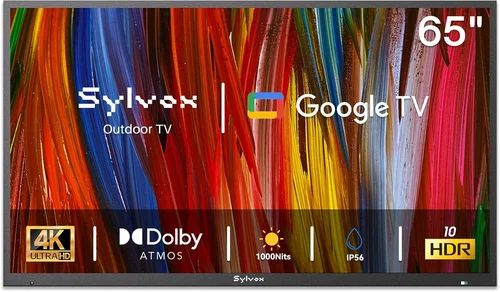
Outdoor living spaces have evolved dramatically over the past decade. What was once a simple backyard retreat—perhaps with a grill, a few chairs, and maybe a string of fairy lights—has transformed into a full-fledged entertainment zone. Gazebos, once used primarily for shade or garden aesthetics, are now central hubs for outdoor movie nights, sports viewing parties, and even remote work sessions under the open sky. As more homeowners invest in creating comfortable, functional outdoor environments, the demand for weather-resistant technology has surged. One of the most sought-after upgrades? A reliable outdoor TV.
But here’s the catch: true outdoor-rated televisions are often expensive, with premium models easily costing thousands of dollars. For many, that price tag is prohibitive—especially when you’re just looking to enjoy a casual game or stream a show while lounging in your gazebo. That’s where “cheap” outdoor TVs come in. These aren’t flimsy indoor TVs shoved into a plastic box (a dangerous and ineffective solution), but rather budget-friendly options designed—or adaptable—for outdoor use. They offer a practical middle ground between affordability and functionality, making outdoor entertainment accessible to a wider audience.
This guide is designed for smart shoppers who want to bring the comfort of indoor viewing to their gazebo without breaking the bank. Whether you’re a weekend warrior hosting backyard barbecues or a retiree who loves morning coffee with the news, this comprehensive buying guide will walk you through everything you need to know. You’ll learn how to evaluate performance specs, understand build quality, avoid common pitfalls, and ultimately choose a TV that delivers great value for your outdoor space. We’ll also break down real-world budget tiers, expert tips for scoring the best deals, and answer frequently asked questions so you can buy with confidence. By the end, you’ll have all the tools to make an informed decision—no marketing fluff, no hidden surprises.
The market for outdoor TVs has expanded significantly in recent years, driven by advances in display technology, increased consumer interest in outdoor living, and the rise of smart home integration. While brands like SunBrite and Samsung offer high-end, fully weatherproof models, there’s a growing segment of affordable alternatives—including weatherproof enclosures, all-weather displays, and even modified indoor TVs with protective casings—that cater to budget-conscious buyers. These solutions vary widely in quality, durability, and performance, so it’s essential to know what to look for. This guide cuts through the noise, focusing specifically on cost-effective options that still deliver reliable outdoor viewing. Whether you’re mounting your TV under a covered gazebo or placing it in a semi-sheltered patio area, we’ll help you find the right balance of price, protection, and picture quality.

What to Look for When Buying Buying Guide
1. Budget & Price Range
When shopping for a cheap outdoor TV for your gazebo, your budget is the foundation of every decision. While “cheap” doesn’t mean “low quality,” it does mean you’ll need to prioritize value over luxury. Most affordable outdoor TV solutions fall between $300 and $1,200, depending on size, features, and whether you’re buying a standalone outdoor model or an indoor TV with a weatherproof enclosure. Setting a clear budget upfront helps narrow your options and prevents overspending on features you don’t need.
For example, a 43-inch indoor smart TV paired with a quality outdoor enclosure might cost around $600–$800 total—significantly less than a dedicated outdoor TV of the same size, which could run $1,500 or more. However, remember that cheaper isn’t always better: extremely low-priced options (under $250) often lack essential protections like UV resistance, proper sealing, or adequate ventilation, which can lead to premature failure. Aim for the sweet spot where price meets durability and performance.
2. Performance Specifications
Picture quality matters—even outdoors. While you may not need cinematic 4K HDR performance for casual viewing, key specs like brightness (measured in nits), resolution, refresh rate, and contrast ratio directly impact your viewing experience in natural light. Most indoor TVs struggle in bright conditions because their screens aren’t bright enough to overcome glare. Look for displays with at least 400–500 nits of brightness; ideally, 700+ nits if your gazebo gets direct sunlight during parts of the day.
Resolution-wise, Full HD (1080p) is acceptable for smaller screens (under 50 inches), but 4K UHD is recommended for larger displays or if you plan to sit closer. Refresh rate (60Hz vs. 120Hz) affects motion smoothness—important for sports or action movies. Also, consider input lag if you’ll be gaming. Smart functionality is another performance factor: built-in Wi-Fi, streaming apps (Netflix, YouTube, etc.), and voice control (via Alexa or Google Assistant) add convenience without requiring extra devices.
3. Build Quality & Durability
This is arguably the most critical factor for any outdoor TV setup. Your TV will face temperature swings, humidity, rain, dust, and possibly snow—even under a gazebo. A flimsy build or poor sealing can lead to condensation, corrosion, or electrical failure. Look for enclosures or TVs rated IP54 or higher (Ingress Protection), which means they’re protected against dust and water splashes. Some premium enclosures offer IP65 or IP66 ratings for full waterproofing.
Materials matter too. Aluminum or powder-coated steel enclosures resist rust and withstand UV exposure better than plastic. Check for features like anti-reflective glass, thermal management (fans or heat sinks), and secure cable routing. If you’re using an indoor TV in an enclosure, ensure the case allows for proper airflow to prevent overheating. Never compromise on durability—replacing a fried TV after one season due to moisture damage is far more expensive than investing in a robust solution upfront.
4. Features & Functionality
Beyond basic viewing, modern outdoor TVs offer a range of features that enhance usability. Smart TV platforms (like Roku TV, Android TV, or webOS) let you stream content directly without a separate box. HDMI ports (at least two) are essential for connecting cable boxes, gaming consoles, or soundbars. USB ports allow media playback or firmware updates. Some models include built-in speakers, though outdoor acoustics often benefit from external audio systems.
Consider ease of installation: wall-mount compatibility, VESA standards, and whether the enclosure includes mounting hardware. Remote control range can be limited outdoors due to interference, so look for models with Bluetooth remotes or smartphone app control. Additional perks like scheduled on/off timers, ambient light sensors (for auto-brightness adjustment), and anti-theft locks add practical value. Choose features that align with your usage—don’t pay for voice control if you’ll never use it.
5. Brand Reputation
Not all brands are created equal, especially in the niche outdoor TV market. Established electronics manufacturers like LG, Sony, and TCL offer reliable indoor TVs that, when paired with reputable enclosures (e.g., from brands like Peerless-AV, Seura, or Outdoor TV Enclosures), deliver solid performance. Avoid unknown brands with no customer support or warranty—these often cut corners on components and safety.
Research user feedback and professional reviews. Brands with a history of producing durable consumer electronics are more likely to stand behind their products. Also, check if the company specializes in outdoor solutions—some companies focus exclusively on weatherproof AV gear and understand the unique challenges of outdoor environments better than general electronics makers.
6. Warranty & Support
A strong warranty is a sign of confidence in product quality—and a lifesaver if something goes wrong. Most reputable outdoor TV enclosures come with 1–3 year warranties, while indoor TVs typically have 1-year manufacturer coverage. Look for warranties that cover both parts and labor, and clarify whether outdoor use voids the TV’s original warranty (some do, unless used with approved enclosures).
Customer support responsiveness is equally important. Can you easily reach a human? Is there a knowledge base or installation guide? Brands with dedicated outdoor support teams tend to resolve issues faster. Avoid sellers who offer “as-is” sales or no return policy—this is a red flag for low-quality products.
7. Size & Portability
Size affects both viewing experience and installation logistics. For a typical gazebo (8×8 to 12×12 feet), a 43-inch to 55-inch TV is usually ideal—large enough to see from seating areas but not so big that it overwhelms the space. Measure your mounting area and viewing distance: a general rule is that viewing distance (in inches) should be about 1.5 to 2.5 times the screen size (in inches).
Portability matters if you plan to move the TV seasonally or between locations. Some enclosures are heavy and permanently mounted, while others are lighter and designed for temporary setup. If you rent or move frequently, consider a freestanding outdoor TV cart or a lightweight all-in-one unit. However, portability often comes at the cost of durability, so balance convenience with long-term needs.
8. User Reviews & Ratings
Never rely solely on manufacturer claims. Real-world user reviews reveal how a product performs under actual conditions—rain, heat, wind, and daily use. Look for patterns in feedback: if multiple users report condensation issues or remote failure, that’s a warning sign. Amazon, Best Buy, and specialty AV forums are great resources.
Pay attention to verified purchase reviews and photos. A 5-star rating from someone who bought it yesterday means less than a 4-star review from a user who’s had it for a year. Also, check return rates and common complaints. High ratings with consistent praise for durability and ease of setup are strong indicators of a trustworthy product.
Different Types of Buying Guide

Common Buying Mistakes to Avoid
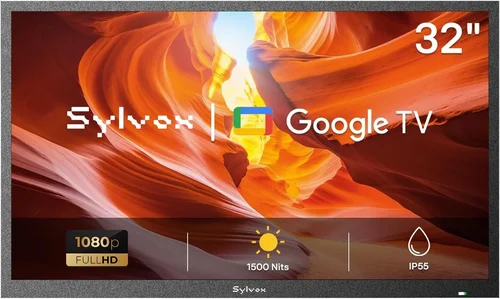
❌ Mistake: Using an Indoor TV Without Protection
Why it’s bad: Indoor TVs are not designed for outdoor conditions. Exposure to moisture, temperature extremes, and UV rays can cause immediate or gradual damage—leading to screen fogging, circuit board corrosion, or complete failure. Even under a gazebo, humidity and rain splash pose serious risks.
What to do instead: Always use a certified weatherproof enclosure or purchase a TV specifically rated for outdoor use. If budget is tight, invest in a quality enclosure rather than risking your TV.
❌ Mistake: Ignoring Brightness Requirements
Why it’s bad: Most indoor TVs have brightness levels around 300 nits, which is insufficient for daylight viewing. In a gazebo with ambient light, the image will appear washed out and hard to see, ruining the viewing experience.
What to do instead: Choose a display with at least 500 nits, preferably 700+ if your gazebo gets direct sun. Look for anti-glare coatings and consider positioning the TV to minimize reflections.
❌ Mistake: Overlooking Ventilation Needs
Why it’s bad: Electronics generate heat, and enclosures can trap it. Without proper airflow, internal temperatures can rise dangerously high, shortening component life or causing shutdowns during hot days.
What to do instead: Select enclosures with built-in fans, heat sinks, or passive ventilation systems. Avoid completely sealed boxes unless they’re specifically designed for thermal management.
❌ Mistake: Buying Based Solely on Price
Why it’s bad: The cheapest option often lacks essential protections, uses inferior materials, or comes from unreliable brands. You may save $100 upfront but spend $500 replacing a failed unit within a year.
What to do instead: Focus on value—not just cost. Compare features, warranties, and user reviews. A slightly higher investment in a durable solution pays off long-term.
❌ Mistake: Neglecting Installation Requirements
Why it’s bad: Improper mounting can lead to instability, water ingress, or damage to your gazebo structure. DIY mistakes are common and can void warranties or create safety hazards.
What to do instead: Follow manufacturer guidelines precisely. Use appropriate wall anchors, seal all penetrations, and consider professional installation if you’re unsure. Ensure the mount is rated for outdoor use and the TV’s weight.
❌ Mistake: Forgetting About Audio
Why it’s bad: Built-in TV speakers are usually weak and muffled outdoors. Wind, distance, and ambient noise make dialogue hard to hear, forcing you to rewind constantly.
What to do instead: Plan for external audio from the start. Add weatherproof speakers, a Bluetooth soundbar, or connect to a outdoor audio system. Many enclosures include audio passthrough ports for easy integration.
❌ Mistake: Not Checking Return Policies
Why it’s bad: Outdoor TVs are complex purchases. If the unit doesn’t fit, underperforms, or arrives damaged, you need a clear path to return or exchange it.
What to do instead: Only buy from retailers with generous return windows (30+ days), free return shipping, and hassle-free processes. Avoid marketplace sellers with restrictive policies.
Budget Guidelines: How Much Should You Spend?
- Entry-Level ($300–$600): This tier includes basic indoor smart TVs (43–50 inches) paired with entry-level weatherproof enclosures. Expect decent picture quality in shaded areas but limited brightness and basic build quality. Ideal for occasional use under a fully covered gazebo. Brands like TCL or Hisense offer good value here.
- Mid-Range ($600–$1,000): The sweet spot for most buyers. You’ll find higher-brightness displays (500–700 nits), better enclosures with active cooling, and improved smart features. Models in this range often include HDMI 2.0, voice control, and robust mounting options. Great for regular use in partially shaded gazebos.
- Premium ($1,000–$1,800): For enthusiasts who want reliability and performance. These include dedicated partial-sun outdoor TVs or high-end enclosures with IP65 ratings, anti-reflective glass, and premium materials. Picture quality rivals indoor sets, and durability ensures years of service.
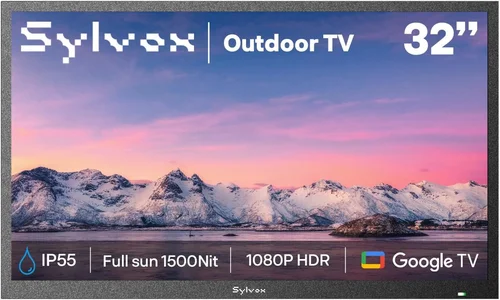
- Luxury ($1,800+): Top-tier solutions for uncovered areas or commercial use. Full-sun outdoor TVs with 1,500+ nits brightness, extreme temperature tolerance, and vandal-resistant designs. Overkill for most home gazebos but unmatched in performance and longevity.
Expert Tips for Getting the Best Deal
- Shop During Off-Seasons: Outdoor TV sales peak in spring and summer. Buy in late fall or winter (October–February) for discounts of 15–30%. Retailers clear inventory to make room for new models.
- Compare Bundle Deals: Some sellers offer TV + enclosure packages at a discount. Check manufacturer websites, Amazon, and specialty AV stores for bundled pricing.
- Use Price Tracking Tools: Set alerts on CamelCamelCamel (for Amazon) or Honey to monitor price drops. Outdoor TVs often fluctuate by $100–$200 throughout the year.
- Consider Refurbished or Open-Box: Certified refurbished units from reputable sellers (like Best Buy or manufacturer outlets) can save 20–40% with full warranties.
- Read the Fine Print on Warranties: Ensure outdoor use is covered. Some indoor TV warranties are voided if used outside, even in enclosures.
- Test Before Finalizing: If buying in-store, ask to see the TV powered on. Check for dead pixels, sound quality, and remote responsiveness.
- Negotiate with Local Installers: Some AV specialists offer discounts if you bundle purchase and installation. They may also have access to wholesale pricing.
- Check for Rebates or Tax Credits: In some regions, energy-efficient outdoor electronics qualify for local rebates. Ask your retailer or check government energy programs.

Frequently Asked Questions
Q: Can I use a regular indoor TV in my gazebo?
A: Technically yes, but only if it’s protected by a certified weatherproof enclosure. Never expose an indoor TV directly to the elements—even under a gazebo. Moisture, humidity, and temperature swings will damage it over time.
Q: What’s the difference between partial-sun and full-sun outdoor TVs?
A: Partial-sun models are designed for covered areas with indirect light and have brightness around 700–1,000 nits. Full-sun TVs handle direct sunlight with 1,500+ nits and advanced anti-glare tech—but cost significantly more.
Q: Do I need a special mount for an outdoor TV?
A: Yes. Use a mount rated for outdoor use with rust-resistant coatings (like powder-coated steel). Ensure it supports the TV’s weight and VESA pattern. Some enclosures include integrated mounts.
Q: How do I prevent condensation inside the enclosure?
A: Choose enclosures with ventilation systems or desiccant packs. Avoid sealing the unit completely. Install in a shaded, well-ventilated area and allow the TV to acclimate before powering on after temperature changes.
Q: Will my Wi-Fi work outdoors?
A: It depends on your router’s range. For gazebos farther from the house, consider a Wi-Fi extender or mesh network. Some outdoor TVs support Ethernet for wired connections—more reliable for streaming.
Q: Can I leave my outdoor TV on all the time?
A: Most consumer outdoor TVs aren’t designed for 24/7 operation. Continuous use can overheat components. Use a timer or smart plug to limit runtime, especially in hot weather.
Q: Are outdoor TVs energy efficient?
A: Modern LED models are quite efficient, using 30–50% less power than older plasma or CCFL displays. Look for ENERGY STAR ratings to minimize electricity costs.
Q: What if my TV gets stolen?
A: Invest in anti-theft locks or security cables. Some enclosures include built-in locking mechanisms. Also, register your TV with the manufacturer and keep the receipt for insurance claims.
Q: Can I use my outdoor TV in winter?
A: Yes, but avoid turning it on immediately after bringing it in from cold temperatures. Let it warm up gradually to prevent condensation. Most outdoor-rated units operate safely from -22°F to 122°F.
Q: Do I need a surge protector?
A: Absolutely. Outdoor electronics are vulnerable to power surges from lightning or grid fluctuations. Use a high-quality outdoor-rated surge protector with joule rating of at least 1,000.
Our Final Recommendations
- Best for Budget-Conscious Buyers: TCL 43S535 43-inch 4K QLED Smart TV + Peerless-AV Outdoor Enclosure – Around $650 total. Excellent color accuracy, Roku OS, and a durable IP54 enclosure. Perfect for shaded gazebos.
- Best Overall Value: Hisense 50A6G 50-inch 4K UHD Smart TV + Outdoor TV Enclosures Pro Series – ~$750. Bright 600-nit display, Android TV, and a well-ventilated, UV-resistant case. Great balance of price and performance.
- Best Premium Option: SunBrite Veranda Series 55-inch Partial-Sun Outdoor TV – ~$1,600. Built-in weatherproofing, 700-nit brightness, and seamless integration. Ideal for serious outdoor entertainers.
- Best for Beginners: Samsung The Terrace 55-inch Outdoor TV (Refurbished) – ~$1,200. User-friendly Tizen OS, excellent brightness, and reliable build. Refurbished models offer big savings with full warranty.
- Best for Advanced Users: Seura 65-inch Full-Sun Outdoor TV – ~$3,200. Ultra-bright (2,000 nits), anti-reflective coating, and commercial-grade durability. For uncovered gazebos or high-end setups.
Conclusion: Making the Right Choice
Choosing the right outdoor TV for your gazebo doesn’t have to be overwhelming—or expensive. By focusing on key factors like brightness, durability, and proper protection, you can find a solution that fits both your budget and your lifestyle. Remember, the goal isn’t to buy the most advanced TV on the market, but the one that delivers reliable performance in your specific environment. Whether you’re streaming sunset movies or catching the big game with friends, your outdoor space should enhance, not complicate, your enjoyment.
Prioritize your needs: if your gazebo is fully covered and used occasionally, a mid-range indoor TV with a quality enclosure may be all you need. But if you entertain often or live in a harsh climate, investing in a dedicated outdoor model pays dividends in longevity and peace of mind. Use the tips, comparisons, and recommendations in this guide to cut through the marketing hype and make a decision based on real value.
Finally, don’t rush. Take time to read reviews, compare prices, and plan your installation. A well-chosen outdoor TV transforms your gazebo from a simple shelter into a vibrant social hub—one that brings family and friends together under the open sky. So go ahead, upgrade your outdoor experience. With the right TV, every evening can feel like a private screening under the stars.

