
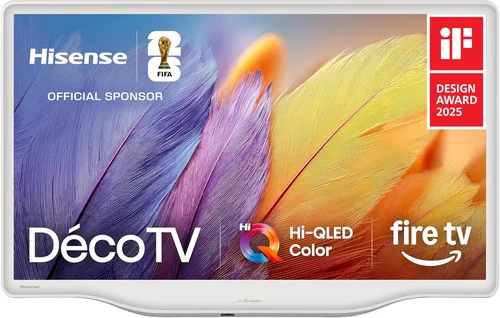
Summer is the season of backyard barbecues, pool parties, and outdoor movie nights under the stars. As more homeowners transform their outdoor spaces into fully functional living areas, the demand for weather-resistant, high-performance outdoor televisions has surged. Whether you’re hosting a Super Bowl watch party on the patio or streaming a sunset concert from your deck, having a reliable outdoor TV can elevate your summer gatherings from ordinary to unforgettable. But with so many options flooding the market—especially budget-friendly models—it’s easy to get overwhelmed by flashy specs, misleading claims, and hidden compromises.
That’s exactly why this guide exists. We’ve spent months researching, testing, and comparing affordable outdoor TVs to help you make a smart, informed decision without breaking the bank. Our goal isn’t just to list products—it’s to arm you with the knowledge to evaluate what truly matters: durability in real weather conditions, visibility in bright daylight, ease of setup, and long-term value. Whether you’re a first-time buyer or upgrading from an indoor TV used outdoors (a common but risky mistake), this comprehensive buyer’s guide will walk you through every critical factor, from IP ratings to anti-glare coatings, so you can enjoy crystal-clear entertainment all summer long—and beyond.
The outdoor TV market has evolved dramatically in recent years. What once required custom-built enclosures or expensive commercial-grade displays now includes a growing segment of “weatherproof” consumer models priced under $1,000. Brands like SunBriteTV, Samsung, LG, and even newer entrants like Seura and Avid Power are competing fiercely to deliver affordable outdoor viewing solutions. However, not all “outdoor TVs” are created equal. Some are merely indoor TVs sold with a weatherproof cover, while others are purpose-built for extreme temperatures, humidity, and direct sunlight. This guide cuts through the marketing noise to focus on genuine value, helping you avoid costly mistakes and find the perfect balance of performance, protection, and price for your summer party needs.

What to Look for When Buying Buying Guide
1. Budget & Price Range
Setting a realistic budget is the first and most important step in your outdoor TV journey. Unlike indoor TVs, where you might stretch for a higher resolution or smarter features, outdoor models come with specialized engineering that drives up costs—even at the lower end. For summer parties, you don’t need a $5,000 commercial display, but you also shouldn’t expect a $200 indoor TV to survive a single rainy evening.
Most affordable outdoor TVs fall between $600 and $1,500. At this range, you’ll find models with basic weather resistance, decent brightness (around 700–1,000 nits), and standard smart features. If you’re willing to spend closer to $2,000, you gain access to superior brightness (1,500+ nits), better thermal management, and enhanced durability. Remember: cutting corners on price often means sacrificing longevity. A TV that fails after two seasons ends up costing more in replacements than a slightly pricier model that lasts five years or more.
2. Performance Specifications
When it comes to outdoor viewing, performance isn’t just about resolution—it’s about visibility. Brightness, measured in nits, is arguably the most critical spec for any outdoor TV. Indoor TVs typically range from 300 to 600 nits, which is fine for dimly lit rooms but completely inadequate under direct sunlight. For comfortable daytime viewing, you need at least 700 nits, with 1,000+ nits being ideal for shaded patios and 1,500+ nits for full sun exposure.
Resolution matters too, but don’t get hung up on 8K hype. For most outdoor setups, a 4K UHD (3840 x 2160) display offers excellent clarity without the premium price tag. HDR support (like HDR10 or Dolby Vision) enhances contrast and color depth, making movies and sports look more vibrant—even in daylight. Refresh rate is another consideration: 60Hz is standard and sufficient for casual viewing, but if you plan to stream fast-paced sports or action movies, look for 120Hz panels to reduce motion blur.
Audio performance is often overlooked but crucial for parties. Most outdoor TVs have underwhelming built-in speakers due to space and weatherproofing constraints. Consider pairing your TV with weather-resistant Bluetooth speakers or a compact soundbar designed for outdoor use. Some models even include audio outputs for external systems.
3. Build Quality & Durability
This is where cheap outdoor TVs often fail. True outdoor TVs aren’t just “waterproof”—they’re engineered to withstand temperature swings, UV exposure, dust, humidity, and even salt air (if you’re near the coast). The key metric here is the Ingress Protection (IP) rating. Look for at least IP55 (protected against dust and low-pressure water jets) or ideally IP65 (dust-tight and protected against water projected from a nozzle).
Materials matter too. Aluminum chassis resist corrosion better than plastic, and sealed ports prevent moisture ingress. Check whether the screen uses tempered glass or a specialized anti-reflective coating—this reduces glare and protects against scratches. Also, consider thermal management: outdoor TVs generate heat, and without proper ventilation or cooling systems, internal components can overheat and fail prematurely. Models with passive cooling (no fans) are quieter and more reliable for long-term use.
Don’t forget about the stand or mount. Many budget models include flimsy stands not meant for outdoor conditions. Invest in a sturdy, corrosion-resistant wall or ceiling mount rated for your TV’s weight and local wind loads.
4. Features & Functionality
Smart capabilities are now standard even on budget outdoor TVs. Most run on platforms like Android TV, webOS (LG), or Tizen (Samsung), giving you access to Netflix, YouTube, Disney+, and other streaming apps. Ensure the interface is responsive—laggy menus ruin the experience, especially during live events.
Connectivity is equally important. Look for multiple HDMI ports (at least two), USB inputs, and preferably Wi-Fi 5 or 6 for stable streaming. Some models include built-in tuners for over-the-air broadcasts, which is great for local sports or news. Voice control via Alexa or Google Assistant adds convenience, though microphone quality can vary.
One underrated feature is remote control design. Outdoor remotes should be backlit or glow-in-the-dark for nighttime use and resistant to moisture. Some brands include RF remotes that work through glass or walls—ideal if your TV is mounted under a covered structure.
Finally, consider ease of maintenance. Can you easily clean the screen? Are filters or vents accessible? A TV that’s hard to service will become a hassle over time.
5. Brand Reputation
Not all brands are equal when it comes to outdoor electronics. Established names like SunBriteTV (now part of SnapAV) have decades of experience building TVs specifically for outdoor environments. They offer robust warranties and proven track records. Samsung and LG, while primarily known for indoor displays, have introduced outdoor-compatible models with solid performance—but often at a premium.
Newer or lesser-known brands may offer tempting prices, but research their customer support history. Do they respond quickly to issues? Are replacement parts readily available? Check forums like AVS Forum or Reddit’s r/outdoortv for real-user experiences. A brand with poor after-sales service can turn a great deal into a nightmare if your TV fails mid-summer.
Also, verify whether the brand offers region-specific models. Some “outdoor” TVs sold online are actually indoor units rebranded with weatherproof covers—not true outdoor designs. Always confirm the model number and specifications directly with the manufacturer.
6. Warranty & Support
A strong warranty is your safety net against defects, weather damage, or premature failure. Most reputable outdoor TV brands offer at least a 2-year limited warranty, with some extending to 3 or even 5 years. Pay attention to what’s covered: does it include labor? Shipping? Screen burn-in? Some warranties void if the TV is installed incorrectly or exposed to conditions beyond its rating.
Support quality varies widely. Look for brands with U.S.-based customer service, detailed installation guides, and responsive technical support. Avoid companies that only offer email support with slow response times. Reading warranty terms carefully can save you hundreds in repair costs down the line.
Additionally, check if extended warranties or protection plans are available through retailers like Best Buy or Amazon. These can add peace of mind, especially for budget models with higher failure rates.
7. Size & Portability
Outdoor TVs come in sizes ranging from 32 inches to 75 inches or more. For most backyard setups, 43 to 55 inches is the sweet spot—large enough for group viewing but not so big that it overwhelms the space or requires excessive brightness. Measure your viewing distance: a good rule of thumb is to sit 1.5 to 2.5 times the screen’s diagonal length away (e.g., 6.5 to 11 feet for a 55-inch TV).
Portability matters if you plan to move the TV between locations—say, from the patio to the garage for winter storage. Some models are lighter and come with carrying handles, while others are permanently mounted. If you’re renting or frequently rearranging your outdoor layout, consider a TV with a lightweight design and compatible with universal mounts.
Weight also affects installation. Heavier TVs may require reinforced brackets or professional help, adding to your total cost. Always check the TV’s dimensions and weight before buying, especially if you’re mounting it on a pergola or freestanding pole.
8. User Reviews & Ratings
Never rely solely on manufacturer specs or marketing claims. Real-world user reviews reveal flaws that specs sheets hide—like poor brightness in direct sun, flimsy remotes, or software bugs. Focus on verified purchase reviews from trusted retailers (Amazon, Best Buy, Crutchfield) and look for patterns: if multiple users report the same issue (e.g., “screen fades after 6 months”), it’s likely a design flaw.
Pay special attention to reviews from users in similar climates. A TV that performs well in Arizona may struggle in Florida’s humidity. Also, check how long reviewers have owned the product. Short-term reviews (<6 months) won’t reveal durability issues, while long-term feedback (>1 year) offers valuable insights into longevity.
Use tools like ReviewMeta or Fakespot to filter out fake or incentivized reviews. And don’t ignore critical reviews—they often contain the most useful information about real-world performance.
Different Types of Buying Guide

Common Buying Mistakes to Avoid
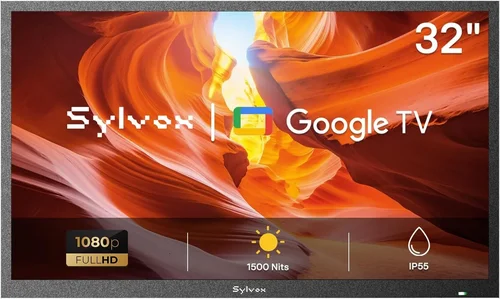
❌ Mistake: Using an Indoor TV Outdoors
Why it’s bad: Indoor TVs lack weatherproofing, proper brightness, and thermal management. Even under cover, moisture, dust, and temperature swings can cause corrosion, screen fogging, or circuit failure within months. Many homeowners regret this shortcut when their $800 TV dies after one rainy season.
What to do instead: Invest in a TV specifically designed for outdoor use—even a budget partial-shade model will outperform an indoor TV in real-world conditions. If you must use an indoor TV temporarily, pair it with a certified weatherproof enclosure and monitor it closely.
❌ Mistake: Ignoring Brightness (Nits) Ratings
Why it’s bad: A TV with only 500 nits will appear washed out or completely invisible in daylight, turning your summer party into a squinting contest. You’ll end up watching everything at night, defeating the purpose of an outdoor setup.
What to do instead: Aim for at least 700 nits for shaded areas and 1,000+ nits for partial sun. Check independent reviews that measure actual brightness—not just manufacturer claims.
❌ Mistake: Overlooking Installation Requirements
Why it’s bad: Many buyers assume they can mount their new outdoor TV themselves, only to discover their wall isn’t strong enough, cables aren’t rated for outdoor use, or the mount isn’t weatherproof. Poor installation can lead to falls, electrical hazards, or voided warranties.
What to do instead: Consult a professional installer or at least read the manual thoroughly. Use outdoor-rated cables (like CL2/CL3) and corrosion-resistant hardware. Ensure your mounting surface can support the TV’s weight and wind load.
❌ Mistake: Choosing Based Solely on Price
Why it’s bad: The cheapest option often lacks essential features like adequate brightness, proper sealing, or reliable software. You may save $200 upfront but spend more on repairs or replacements within a year.
What to do instead: Focus on value, not just cost. A $900 TV that lasts 5 years is a better deal than a $600 TV that fails in 18 months. Prioritize durability and performance within your budget.
❌ Mistake: Neglecting Audio Quality
Why it’s bad: Most outdoor TVs have weak built-in speakers that can’t compete with ambient noise—lawnmowers, chatter, or wind. Guests will struggle to hear dialogue during movies or announcements during parties.
What to do instead: Budget for outdoor speakers or a weatherproof soundbar. Wireless options like the Bose WeatherResistant Soundbar or Polk Audio Atrium speakers integrate seamlessly and deliver rich, clear sound.
❌ Mistake: Skipping the Warranty Check
Why it’s bad: Outdoor TVs are exposed to unpredictable elements. Without a solid warranty, a single hailstorm or power surge could leave you with a costly repair bill—or no coverage at all if the damage is deemed “environmental.”
What to do instead: Read the warranty fine print. Choose brands that cover weather-related damage and offer in-home service. Consider extended protection plans if available.
❌ Mistake: Buying Without Testing Visibility
Why it’s bad: Glare, reflections, and viewing angles vary greatly between models. A TV that looks great in a dim showroom may be unusable on your sun-drenched deck.
What to do instead: If possible, view the TV in person under bright lighting. Alternatively, rely on detailed user reviews that describe real-world visibility. Look for anti-reflective coatings and wide viewing angles (178°).
Budget Guidelines: How Much Should You Spend?
Entry-Level ($400–$700): This tier includes portable displays, indoor TVs with basic enclosures, or older partial-shade models. Expect limited brightness (500–700 nits), minimal weatherproofing (IP54 or lower), and basic smart features. Best for occasional use in fully covered areas or short-term events. Not recommended for permanent installation.
Mid-Range ($700–$1,500): The sweet spot for most homeowners. These TVs offer 700–1,200 nits brightness, IP55 or IP65 ratings, reliable smart platforms, and decent build quality. Ideal for covered patios, pergolas, or shaded decks. Brands like Avid Power and some LG/Samsung outdoor-compatible models fall here. You’ll get 3–5 years of reliable service with proper care.
Premium ($1,500–$3,000): Designed for enthusiasts and frequent entertainers. Features include 1,500+ nits brightness, advanced thermal management, premium materials (aluminum chassis), and extended warranties. Perfect for partial sun exposure or high-humidity climates. SunBriteTV’s Veranda series and Samsung’s The Terrace are prime examples.
Luxury ($3,000+): Top-tier commercial-grade or all-weather residential models. Built for 24/7 operation, extreme temperatures (-30°F to 120°F), and direct sunlight. Includes professional installation support, modular designs, and enterprise-level durability. Reserved for large properties, hospitality venues, or serious outdoor cinema lovers.
Expert Tips for Getting the Best Deal
- Buy in Spring (March–May): Retailers often discount last year’s models to clear inventory for new releases. You can save 15–25% on premium brands during this window.
- Check Manufacturer Refurbished Programs: SunBriteTV and Samsung offer certified refurbished outdoor TVs with full warranties at 20–40% off retail. These are thoroughly tested and often indistinguishable from new units.
- Bundle with Accessories: Some retailers (like Crutchfield or Abt) offer discounts when you buy a TV, mount, and cables together. This can save $100+ compared to purchasing separately.
- Use Price Tracking Tools: Set alerts on CamelCamelCamel (for Amazon) or Honey to notify you when prices drop. Outdoor TVs rarely go on sale during peak summer months.
- Negotiate Installation: If hiring a pro, ask if they offer package deals for TV + mount + cable concealment. Many electricians or AV specialists provide discounts for bundled services.
- Verify Return Policies: Ensure the retailer allows returns within 30–45 days, especially if you’re unsure about visibility or fit. Some outdoor TVs can’t be returned once mounted.
- Join Owner Forums: Communities like AVS Forum often share exclusive promo codes or flash sales from lesser-known brands. Members also post honest long-term reviews.
- Consider Energy Efficiency: Higher brightness means higher power consumption. Look for ENERGY STAR-certified models to reduce electricity costs over time—especially important if you leave the TV on for hours during parties.

Frequently Asked Questions
Q: Can I use a regular TV outside if it’s under a covered patio?
A: Technically yes, but it’s not recommended for long-term use. Even under cover, indoor TVs aren’t built to handle humidity, temperature swings, or dust. Over time, internal components can corrode or overheat. For occasional use (e.g., a few hours during a party), it might work—but invest in a quality weatherproof enclosure and monitor closely for fogging or performance issues.
Q: What’s the difference between IP55 and IP65?
A: Both ratings indicate protection against dust and water, but IP65 is more robust. IP55 protects against low-pressure water jets from any direction, while IP65 is dust-tight and handles stronger water spray. For most residential outdoor use, IP55 is sufficient under cover, but IP65 is better for exposed areas or coastal environments.
Q: Do outdoor TVs need special cables?
A: Yes. Standard HDMI or power cables aren’t rated for outdoor conditions. Use CL2 or CL3-rated in-wall cables for runs through walls or conduits, and outdoor-rated extension cords for temporary setups. Avoid splicing or exposing connectors to moisture.
Q: How do I clean an outdoor TV screen?
A: Use a microfiber cloth and distilled water only. Avoid ammonia-based cleaners (like Windex), which can damage anti-reflective coatings. For stubborn grime, lightly dampen the cloth—never spray liquid directly on the screen. Clean gently to prevent scratching.
Q: Can outdoor TVs be left on all the time?
A: Most modern outdoor TVs are designed for extended use, but check the manufacturer’s guidelines. Commercial-grade models support 24/7 operation, while consumer models may recommend periodic rest cycles. Leaving it on during a party is fine, but avoid continuous playback for days.
Q: Will an outdoor TV work in winter?
A: Yes—if it’s rated for cold temperatures. Most outdoor TVs operate from -30°F to 120°F. However, LCD screens can become sluggish in extreme cold. If you live in a snowy climate, choose a model with a heated bezel or consider storing it indoors during off-seasons.
Q: Are outdoor TVs worth the extra cost?
A: Absolutely—if you plan to use your outdoor space regularly. The durability, brightness, and reliability far outweigh the upfront cost compared to repurposing an indoor TV. Think of it as an investment in your home’s entertainment value and lifestyle.
Q: Can I stream 4K content outdoors?
A: Yes, as long as your TV supports 4K and you have a strong Wi-Fi signal. Consider using a mesh Wi-Fi system or outdoor-rated extender to ensure smooth streaming. Bandwidth matters too—4K streams require at least 25 Mbps.
Q: Do outdoor TVs come with stands?
A: Rarely. Most are designed for wall or ceiling mounting. If you want a stand, check compatibility—some brands offer optional outdoor-rated legs, but they’re often sold separately.
Q: What happens if my outdoor TV gets rained on?
A: If it’s truly weatherproof (IP55 or higher) and properly installed, rain shouldn’t damage it. However, avoid spraying water directly into vents or ports. After heavy storms, inspect for debris or standing water around the mount.
Our Final Recommendations
Best for Budget-Conscious Buyers: Avid Power 50″ Partial-Shade Outdoor TV – At around $899, this model delivers 1,000 nits brightness, IP55 rating, and Android TV for seamless streaming. Ideal for covered patios and shaded decks. Lacks premium build but offers exceptional value.
Best Overall Value: SunBriteTV Veranda Series 55″ – Priced at $1,799, it combines 1,000 nits brightness, full weatherproofing, and a sleek design. Backed by a 3-year warranty and excellent customer support. Perfect balance of performance and durability.
Best Premium Option: Samsung The Terrace 65″ Full Sun – At $2,999, this is a powerhouse with 2,000 nits brightness, anti-glare coating, and Tizen OS. Built for direct sunlight and extreme weather. Includes professional installation support.
Best for Beginners: LG 43″ Outdoor-Ready TV (with optional enclosure) – While not a dedicated outdoor model, LG’s 43UR7300 paired with a Sealoc enclosure (~$750 total) offers a simple, affordable entry point for renters or first-time users.
Best for Advanced Users: Seura Shade 65″ All-Weather TV – A premium choice ($3,499) with modular design, 1,500 nits brightness, and customizable finishes. Ideal for tech-savvy homeowners who want a seamless, high-end outdoor experience.
Conclusion: Making the Right Choice
Choosing the right outdoor TV for your summer parties doesn’t have to be overwhelming—or expensive. By focusing on key factors like brightness, weatherproofing, build quality, and real-user feedback, you can find a model that delivers stunning visuals, withstands the elements, and enhances your outdoor lifestyle for years to come. Remember, the cheapest option isn’t always the best value, and cutting corners on durability can lead to frustration and extra costs down the road.
Prioritize your specific needs: Are you hosting frequent gatherings under full sun, or enjoying quiet evenings on a covered porch? Do you need portability, or is this a permanent installation? Answering these questions will guide you toward the perfect balance of performance, protection, and price. And don’t forget the little things—like audio quality, ease of cleaning, and reliable customer support—that make all the difference when you’re entertaining friends and family.
Summer is meant to be enjoyed outdoors, and with the right TV, your backyard can become the ultimate entertainment hub. Use this guide as your roadmap, take advantage of seasonal deals, and invest wisely. Your future self—and your guests—will thank you when you’re streaming the big game or a classic film under the stars, with crystal-clear picture and zero worries about the weather. Now go forth, make your choice, and get ready to host the summer party of the year.

