
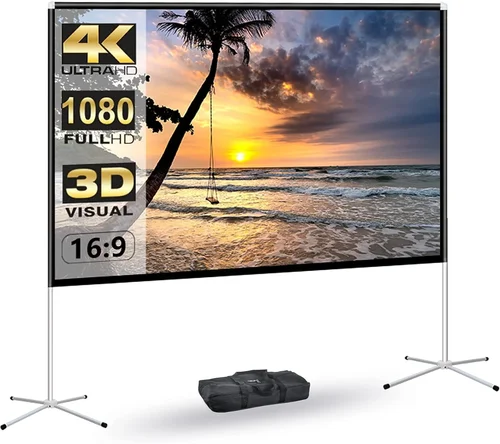
Outdoor living spaces have evolved dramatically over the past decade. What was once just a place for grilling and lounging has transformed into fully functional extensions of our homes—complete with outdoor kitchens, fire pits, and yes, even televisions. For many homeowners, especially those with small patios, adding an outdoor TV isn’t just about entertainment—it’s about maximizing limited space while enhancing comfort and usability. Whether you’re hosting a summer movie night under string lights or catching the big game while sipping coffee on a crisp autumn morning, having a reliable outdoor television can elevate your experience significantly.
But here’s the catch: not all TVs are built to withstand the elements. Standard indoor televisions may look great in your living room, but expose them to humidity, temperature swings, rain, or direct sunlight, and they’ll likely fail within months—or even weeks. That’s why choosing the right outdoor TV is critical. This guide is designed to help you navigate the often-confusing world of outdoor televisions, particularly if you’re working with a tight budget and a compact patio setup. We’ll walk you through everything you need to know—from understanding key performance specs to avoiding common pitfalls—so you can make a smart, informed decision that fits both your space and your wallet.
By the end of this comprehensive buying guide, you’ll have a clear understanding of what makes an outdoor TV truly “outdoor-ready,” how to balance cost with quality, and which models offer the best value for small patios. Whether you’re a first-time buyer or upgrading from an older model, we’ve got you covered. The market for outdoor TVs has grown rapidly in recent years, with more brands entering the space and prices becoming increasingly accessible. However, not all “cheap” options are created equal—some sacrifice durability for affordability, while others cut corners on brightness or weatherproofing. Our goal is to help you avoid those traps and find a television that delivers reliable performance, long-term value, and seamless integration into your outdoor lifestyle.

What to Look for When Buying Buying Guide
1. Budget & Price Range
When shopping for a cheap outdoor television for a small patio, your budget will naturally be one of the first considerations. However, it’s important to understand that “cheap” doesn’t always mean “low quality”—especially in today’s market. Entry-level outdoor TVs now start as low as $300–$400 for smaller sizes (32–43 inches), while mid-range models typically fall between $600 and $1,200. Premium fully weatherproof outdoor TVs can run $1,500 and up, but for a small patio, you likely won’t need the highest-end commercial-grade units.
Set a realistic budget based on how often you’ll use the TV and how critical reliability is to your outdoor setup. If you only plan to watch occasionally during mild weather, a partially weather-resistant model might suffice. But if you live in an area with frequent rain, high humidity, or extreme temperatures, investing a bit more upfront can save you from costly replacements down the line. Always factor in additional costs like mounting hardware, cables, and potential installation fees—these can add $100–$300 to your total spend.
2. Performance Specifications
Performance specs matter just as much outdoors as they do indoors—but with some unique twists. Brightness is arguably the most critical spec for outdoor use. Indoor TVs typically range from 250 to 500 nits, but outdoor environments demand much higher luminance to combat glare from sunlight. Look for a minimum of 700 nits, with 1,000+ nits being ideal for patios that receive direct sun during parts of the day. Resolution should be at least Full HD (1080p), though 4K UHD is becoming standard even in budget-friendly outdoor models and offers sharper detail—especially noticeable on larger screens viewed up close.
Refresh rate (measured in Hz) affects motion smoothness, which is important for sports and action content. A 60Hz panel is acceptable for casual viewing, but 120Hz or higher is preferable if you’re a sports fan or gamer. Input lag—the delay between pressing a button and seeing the result on screen—should be under 20ms for gaming. Also consider smart TV capabilities: built-in Wi-Fi, streaming apps (like Netflix, YouTube, or Amazon Prime), and voice control via Alexa or Google Assistant can greatly enhance usability without needing extra devices.
3. Build Quality & Durability
This is where many budget indoor TVs fall short when used outdoors. True outdoor TVs are engineered with sealed casings, corrosion-resistant materials, and internal components rated for extreme conditions. Look for IP (Ingress Protection) ratings—specifically IP55 or higher—which indicate resistance to dust and water jets. Some manufacturers go further by using marine-grade aluminum frames, anti-reflective glass, and internal heating/cooling systems to prevent condensation or overheating.
Even if you plan to install your TV under a covered patio, ambient moisture, temperature fluctuations, and UV exposure can still degrade standard electronics over time. A well-built outdoor TV will include features like ventless designs (to prevent dust ingress), tempered glass fronts (to reduce glare and protect the panel), and conformal coating on circuit boards (to resist corrosion). Don’t assume that “weather-resistant” means fully protected—always check the manufacturer’s documentation for specifics.
4. Features & Functionality
Beyond basic viewing, modern outdoor TVs come packed with features that enhance convenience and versatility. Smart platforms like Roku TV, Android TV, or webOS allow direct streaming without external boxes. HDMI ports (at least two) are essential for connecting cable boxes, gaming consoles, or soundbars. USB ports enable media playback or firmware updates. Some models include built-in speakers, though audio quality is often limited—consider pairing your TV with weatherproof outdoor speakers for better sound.
Another underrated feature is anti-glare or anti-reflective coating on the screen. This significantly improves visibility in bright conditions. Also look for models with wide viewing angles (178° horizontal/vertical), so everyone on your small patio can see clearly without color distortion. Remote controls should be backlit or glow-in-the-dark for evening use, and some brands offer smartphone app control as a backup.
5. Brand Reputation
Not all brands are equal when it comes to outdoor electronics. Stick with manufacturers known for reliability and customer support. Established names like Samsung, LG, and Sony offer limited outdoor-compatible models, but specialized brands such as SunBriteTV, Seura, and Sylvane have built their reputations specifically around outdoor displays. These companies often provide better warranties, detailed installation guides, and responsive customer service.
Be cautious with unknown or generic brands selling “outdoor TVs” at suspiciously low prices. Many are simply indoor TVs repackaged with minimal weatherproofing—essentially ticking a box for marketing purposes. Check professional reviews, user forums, and third-party testing results before committing. A reputable brand may cost slightly more upfront but will save you headaches (and replacement costs) in the long run.
6. Warranty & Support
Outdoor TVs operate in harsh environments, so a strong warranty is non-negotiable. Most reputable manufacturers offer at least a 2-year limited warranty, with some extending to 3 or even 5 years. Pay attention to what’s covered: does it include damage from moisture, temperature extremes, or power surges? Is accidental damage covered? Can you get in-person service, or is support limited to phone/email?
Also consider extended warranty options or protection plans offered by retailers like Best Buy or Costco. These can be worthwhile if you live in a region prone to storms or power fluctuations. Finally, verify that replacement parts (like remotes or power adapters) are readily available—some niche models use proprietary components that are hard to source.
7. Size & Portability
For small patios, screen size should be proportional to your viewing distance and available wall or stand space. A 32-inch TV is ideal for intimate setups where viewers sit 4–6 feet away, while a 43-inch model works well for slightly larger areas with 6–8 foot viewing distances. Avoid going too big—oversized screens can overwhelm a compact space and create glare issues.
Portability matters if you plan to move the TV seasonally (e.g., bringing it indoors during winter). Some outdoor TVs are designed to be lightweight and easy to dismount, while others are heavy, fixed installations. If mobility is a priority, look for models under 25 lbs with VESA-compatible mounting patterns that work with universal outdoor brackets. Wall mounts specifically designed for outdoor use often include tilt and swivel functions for optimal angle adjustment.
8. User Reviews & Ratings
Never rely solely on manufacturer claims. Real-world user feedback reveals nuances that specs sheets miss—like how a TV performs after six months of sun exposure, whether the remote stops working in humid weather, or if the smart interface slows over time. Focus on reviews from buyers in similar climates and patio setups.
Look for patterns: if multiple users report the same issue (e.g., “screen flickers in direct sunlight” or “Wi-Fi drops during rain”), it’s likely a design flaw. Sites like Amazon, Best Buy, and specialized forums (like AVS Forum or Reddit’s r/outdoortv) are great resources. Aim for models with at least 100 verified reviews and an average rating of 4.0 or higher. Be wary of products with only a handful of glowing reviews—they may be incentivized or fake.
Different Types of Buying Guide
Common Buying Mistakes to Avoid
❌ Mistake: Buying an Indoor TV and Assuming It’s Fine Outdoors
Why it’s bad: Indoor TVs lack the sealing, cooling, and humidity protection needed for outdoor environments. Even under a roof, condensation can form inside the unit during temperature changes, leading to short circuits or screen damage. Many users report failure within 3–6 months.
What to do instead: Invest in a purpose-built outdoor TV or use a certified weatherproof enclosure if you must repurpose an indoor model. Always check the IP rating and manufacturer guidelines.
❌ Mistake: Ignoring Brightness (Nits) Ratings
Why it’s bad: A dim screen becomes unwatchable in daylight. Many budget “outdoor” TVs claim compatibility but only offer 500–600 nits—far below what’s needed for sunny patios.
What to do instead: Prioritize models with at least 700 nits, ideally 1,000+. Test visibility in your actual patio conditions if possible, or read reviews from users in similar lighting.
❌ Mistake: Overlooking Mounting and Installation Requirements
Why it’s bad: Outdoor mounts must be corrosion-resistant, securely anchored, and allow for ventilation. Using indoor brackets or improper hardware can lead to TV damage or safety hazards.
What to do instead: Purchase a mount specifically rated for outdoor use (look for stainless steel construction and weatherproof coatings). Consider professional installation if you’re unsure about structural integrity.
❌ Mistake: Skipping the Warranty Check
Why it’s bad: Outdoor TVs are expensive to repair or replace. A weak warranty leaves you vulnerable to costly failures after the return window closes.
What to do instead: Choose brands with at least a 2-year comprehensive warranty. Read the fine print to ensure environmental damage is covered.
❌ Mistake: Choosing Size Over Viewing Distance
Why it’s bad: A 55-inch TV on a tiny patio can dominate the space, cause glare, and be viewed from too close—resulting in pixelation and eye strain.
What to do instead: Use a screen size calculator: for every 1.5 feet of viewing distance, aim for 10 inches of screen size. On a 6-foot patio, a 32–40 inch TV is ideal.
❌ Mistake: Neglecting Audio Quality
Why it’s bad: Most outdoor TVs have weak built-in speakers that struggle against ambient noise (wind, traffic, etc.). Poor audio ruins the viewing experience.
What to do instead: Budget for weatherproof outdoor speakers or a soundbar. Many models support Bluetooth or optical audio output for easy pairing.
❌ Mistake: Falling for “Too Good to Be True” Deals
Why it’s bad: Extremely low-priced “outdoor TVs” often use refurbished indoor panels with minimal weatherproofing. They may look legit but fail quickly.
What to do instead: Stick to reputable retailers and brands. If a deal seems suspiciously cheap, research the model number and check for red flags in reviews.
Budget Guidelines: How Much Should You Spend?
Setting the right budget ensures you get the best value without overspending or compromising on essentials. Here’s a realistic breakdown based on current market trends and performance expectations:
Entry-Level ($300–$600): This tier includes partially enclosed outdoor TVs or indoor models in basic weatherproof enclosures. Best for covered patios in mild climates. Expect 32–43 inch screens, 700–800 nits brightness, and limited smart features. Brands like Vizio or TCL sometimes offer compatible models at this price, but verify outdoor suitability. Ideal for occasional use and budget-conscious buyers who understand the trade-offs.
Mid-Range ($600–$1,200): The sweet spot for most small patio owners. These TVs are fully weatherproof (IP55+), offer 1,000+ nits brightness, 4K resolution, and robust smart platforms. Models from SunBriteTV’s Veranda series or Sylvane’s outdoor line fall here. You’ll get reliable performance, good warranties, and features like anti-glare screens and wide viewing angles. Perfect for regular use in varied weather.
Premium ($1,200–$2,000): For enthusiasts who want top-tier durability and performance. These include all-season models with internal climate control, ultra-bright displays (1,500+ nits), and commercial-grade build quality. Great for four-season use or high-glare environments. Brands like Seura and premium SunBriteTV units dominate this space.
Luxury ($2,000+): Reserved for luxury homes, hotels, or commercial installations. These are oversized, ultra-bright (2,000+ nits), and designed for 24/7 operation. Overkill for a small residential patio unless you’re building a high-end outdoor entertainment zone.
Expert Tips for Getting the Best Deal
- Shop During Off-Seasons: Outdoor TV sales peak in spring and summer. Buy in late fall or winter (November–February) for discounts of 20–30%. Retailers clear inventory before new models arrive.
- Compare Retailers: Check Amazon, Best Buy, Costco, and specialty outdoor electronics stores. Costco often includes free shipping and extended return windows. Amazon has competitive pricing and user reviews.
- Look for Bundles: Some sellers offer TV + mount + cable kits at a discount. These can save $50–$100 versus buying separately.
- Check for Open-Box or Refurbished Units: Certified refurbished outdoor TVs from reputable sellers come with warranties and can cost 25–40% less. Ensure they’re specifically labeled as “outdoor” refurbished.
- Read Return Policies Carefully: Outdoor TVs are bulky and expensive to return. Choose retailers with at least 30-day return windows and free return shipping.
- Test Before Finalizing: If buying in-store, ask to see the TV powered on. Check for dead pixels, color accuracy, and remote functionality. For online purchases, watch unboxing and review videos.
- Negotiate Installation: Some retailers offer free or discounted installation with purchase. Even if not advertised, it never hurts to ask—especially for higher-priced models.
- Join Loyalty Programs: Stores like Best Buy and Costco offer member-exclusive deals, early access to sales, and bonus rewards on electronics.

Frequently Asked Questions
Q: Can I use a regular indoor TV outdoors if it’s under a roof?
A: Technically yes, but it’s not recommended long-term. Even covered areas experience humidity, temperature swings, and dust. Without proper sealing, moisture can infiltrate and damage internal components. If you must, use a certified outdoor enclosure and monitor closely for signs of failure.
Q: What’s the difference between “weather-resistant” and “weatherproof”?
A: “Weather-resistant” usually means splash-proof or mildly protected—suitable only for fully covered, sheltered areas. “Weatherproof” implies full IP-rated protection (like IP55 or higher), meaning the TV can handle rain, dust, and direct exposure. Always check the IP rating for clarity.
Q: Do outdoor TVs need special power outlets?
A: Not necessarily, but they should be connected via a GFCI (Ground Fault Circuit Interrupter) outlet for safety, especially in damp locations. Avoid extension cords; run dedicated wiring if possible.
Q: How do I clean an outdoor TV screen?
A: Use a microfiber cloth and distilled water only. Never use glass cleaner, ammonia, or abrasive materials—they can damage anti-reflective coatings. Wipe gently in circular motions.
Q: Will an outdoor TV work in winter?
A: Only if it’s rated for all-season use. Standard outdoor TVs may fail below freezing. All-season models include internal heaters to prevent condensation and ensure startup in cold temps.
Q: Can I mount an outdoor TV on a brick or concrete wall?
A: Yes, but you’ll need masonry anchors and a heavy-duty outdoor mount. Consult a professional if you’re unsure about load capacity or drilling into structural surfaces.
Q: Do outdoor TVs come with built-in heaters?
A: Only all-season or premium models include heaters. Basic outdoor TVs rely on passive cooling and are not designed for sub-freezing conditions.
Q: Is 4K necessary for a small patio TV?
A: Not strictly necessary, but highly recommended. Even on a 32-inch screen viewed up close, 4K provides noticeably sharper text and detail—especially for streaming content and gaming.
Q: How long do outdoor TVs typically last?
A: With proper care, a quality outdoor TV can last 7–10 years. Cheaper or improperly installed units may fail in 2–3 years. Regular maintenance (cleaning, checking seals) extends lifespan.
Q: Can I use my outdoor TV during rain?
A: Only if it’s fully weatherproof (IP55 or higher). Partially enclosed models should never be exposed to rain, even briefly.
Our Final Recommendations
Best for Budget-Conscious Buyers: SunBriteTV Veranda Series 43-inch – At around $800, it offers full weatherproofing, 1,000 nits brightness, and 4K resolution. Excellent value for covered patios.
Best Overall Value: Sylvane 50-inch Outdoor Smart TV – Priced near $1,100, it delivers IP55 rating, 1,200 nits, Android TV, and a 3-year warranty. Ideal for mixed weather and frequent use.
Best Premium Option: Seura 55-inch Shadow Series – Around $1,800, this all-season model includes anti-glare glass, internal cooling, and stunning brightness. Perfect for exposed patios in harsh climates.
Best for Beginners: Vizio V-Series 40-inch in Outdoor Enclosure – Total cost ~$600. A simple, effective solution for shaded patios. Easy to install and upgrade later.
Best for Advanced Users: SunBriteTV Pro Series 43-inch – $1,600. Commercial-grade build, 1,500 nits, and modular design. For those who want maximum durability and customization.
Conclusion: Making the Right Choice
Choosing the right outdoor television for your small patio doesn’t have to be overwhelming—or expensive. By focusing on key factors like brightness, weatherproofing, size, and warranty, you can find a model that delivers reliable performance without breaking the bank. Remember, the cheapest option isn’t always the best value. Investing in a purpose-built outdoor TV ensures longevity, safety, and an enjoyable viewing experience year after year.
Prioritize your specific needs: How much sun does your patio get? Will the TV be exposed to rain? How often will you use it? Answering these questions will guide you toward the perfect balance of cost, quality, and functionality. And don’t forget the extras—mounting, audio, and smart features can transform a basic setup into a true outdoor entertainment hub.
Whether you’re watching sunset movies with friends or catching up on your favorite show with a glass of wine, your outdoor TV should enhance—not hinder—your experience. Use this guide as your roadmap, shop smart, and enjoy every moment under the open sky.

