
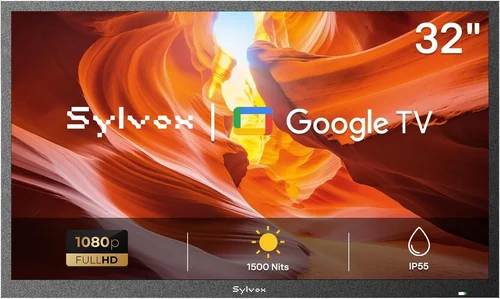
Outdoor living spaces have evolved dramatically over the past decade. What was once a simple backyard with a grill and some lawn chairs has transformed into a full-fledged entertainment zone—complete with outdoor kitchens, fire pits, sound systems, and yes, even televisions. Among the most popular additions to modern pool areas is an outdoor TV. Whether you’re hosting summer barbecues, watching the big game poolside, or simply relaxing with a movie under the stars, having a television designed for outdoor use can elevate your experience significantly.
But here’s the catch: not all TVs are built to withstand the elements. Standard indoor televisions may look great in your living room, but expose them to humidity, rain, UV rays, or extreme temperatures, and you’re looking at a very short lifespan—and possibly a fire hazard. That’s why choosing the right outdoor TV for your pool area isn’t just about picture quality or screen size; it’s about durability, safety, and long-term value. This guide exists to help you navigate the often-confusing world of outdoor televisions, especially if you’re working with a budget. We’ll walk you through everything you need to know to make a smart, informed decision—without overspending.
In this comprehensive buying guide, you’ll learn how to identify the key features that matter most for outdoor use, understand the different types of outdoor TVs available, avoid common purchasing pitfalls, and find the best deals without compromising on quality. We’ll also break down budget tiers, share expert tips for maximizing value, and answer frequently asked questions based on real-world usage. Whether you’re a first-time buyer or upgrading from an older model, this guide will equip you with the knowledge to choose a TV that delivers excellent performance, stands up to the elements, and fits comfortably within your budget.

What to Look for When Buying Buying Guide
1. Weather Resistance & IP Rating
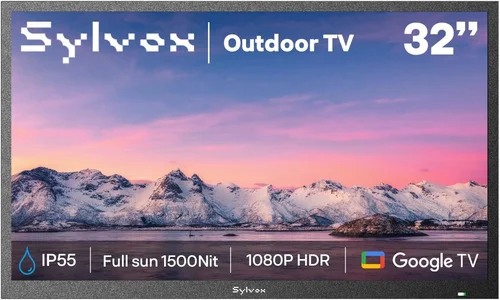
When it comes to outdoor electronics, weather resistance isn’t optional—it’s essential. Unlike indoor TVs, outdoor models must endure rain, snow, dust, humidity, and temperature swings. The first thing to check is the TV’s Ingress Protection (IP) rating. This two-digit code tells you how well the device is protected against solids (like dust) and liquids (like water). For example, an IP55 rating means the TV is protected from limited dust ingress and low-pressure water jets from any direction—perfect for most poolside installations.
Look for a minimum IP54 rating, but IP55 or higher is ideal for areas exposed to direct rain or splashing. Some premium models even offer IP65 or IP66 ratings, which provide near-total protection against dust and powerful water jets. Keep in mind that the IP rating applies to the entire unit, including ports, vents, and the screen itself. A TV with a high IP rating will have sealed components, corrosion-resistant materials, and no exposed cooling fans that could let moisture in.
Also consider the operating temperature range. Most outdoor TVs are designed to function between -22°F and 122°F (-30°C to 50°C), which covers nearly all climates. If you live in an area with extreme cold or heat, verify that the model you’re considering can handle those conditions. Some manufacturers offer heated or cooled enclosures for added protection, but these are typically found on higher-end models.
2. Screen Brightness & Anti-Glare Technology
One of the biggest challenges with outdoor viewing is glare. Sunlight reflecting off the screen can make it nearly impossible to see the picture, even on a cloudy day. That’s why outdoor TVs must have significantly higher brightness levels than indoor models. While a typical indoor TV might have a brightness of 300–500 nits, outdoor TVs should deliver at least 700 nits, with many premium models exceeding 1,000 nits.
Brightness alone isn’t enough—anti-glare technology is equally important. Look for TVs with matte or anti-reflective screens that diffuse sunlight rather than reflecting it directly into your eyes. Some manufacturers use specialized optical filters or nano-coatings to reduce glare without sacrificing color accuracy or contrast. For example, SunBriteTV and Samsung’s outdoor models feature proprietary anti-glare layers that maintain visibility even in direct sunlight.
Additionally, consider the screen’s viewing angle. Outdoor seating is often spread out, so a wide viewing angle ensures everyone gets a clear picture. IPS (In-Plane Switching) panels typically offer better off-axis viewing than VA (Vertical Alignment) panels, though they may have slightly lower contrast ratios. If your pool area has seating on multiple sides of the TV, an IPS panel might be worth the trade-off.
3. Build Quality & Durability
Outdoor TVs are built to last—but not all are created equal. The materials used in construction play a huge role in longevity. Look for TVs with powder-coated aluminum or stainless steel chassis, which resist rust and corrosion far better than plastic or standard metal finishes. The screen should be made of tempered glass, which is more resistant to scratches and impacts than regular glass.
Pay attention to the internal components as well. Outdoor TVs often use industrial-grade capacitors, sealed circuit boards, and fanless cooling systems to prevent moisture and dust from damaging sensitive electronics. Some models even include surge protection to guard against power fluctuations caused by lightning or grid issues—a common concern in outdoor setups.
Another durability factor is the mounting system. A sturdy, weatherproof mount is just as important as the TV itself. Ensure the mount is rated for outdoor use and can support the weight and size of your TV. Many manufacturers offer compatible mounts designed specifically for their models, which can simplify installation and improve safety.
4. Display Technology & Picture Quality
While durability is critical, you still want a TV that delivers a great picture. Most outdoor TVs use either LED-LCD or OLED technology. LED-LCD is the most common and cost-effective option, offering bright, vibrant images with good color accuracy. OLED, on the other hand, provides deeper blacks, higher contrast, and faster response times—ideal for movie lovers—but tends to be more expensive and less bright, which can be a drawback in sunny conditions.
For pool areas, LED-LCD is generally the better choice due to its higher peak brightness and lower cost. However, if your TV will be under a covered patio or pergola with limited direct sunlight, an OLED model could offer a superior viewing experience. Resolution is another key factor. 4K Ultra HD (3840 x 2160) is the standard for modern outdoor TVs and provides sharp, detailed images, especially on larger screens. Avoid 1080p models unless you’re on a very tight budget—4K is now widely available at reasonable prices.
HDR (High Dynamic Range) support is also worth considering. HDR enhances contrast, color, and brightness, making scenes look more lifelike. Look for TVs that support HDR10 or Dolby Vision, as these formats are widely used in streaming services and Blu-ray content. Just remember that HDR benefits are best appreciated in controlled lighting, so it may be less noticeable in bright outdoor settings.
5. Connectivity & Smart Features
Modern outdoor TVs come with a range of connectivity options to support your entertainment needs. At a minimum, look for HDMI ports (preferably HDMI 2.0 or higher for 4K content), USB ports for media playback, and audio outputs for external speakers or soundbars. Some models also include Ethernet ports for wired internet connections, which can be more reliable than Wi-Fi in outdoor environments.
Smart TV functionality is increasingly common, even in outdoor models. Built-in platforms like Roku TV, Android TV, or webOS allow you to stream content from Netflix, YouTube, Disney+, and other services directly on the TV. This eliminates the need for an external streaming device, reducing clutter and potential points of failure. However, not all smart platforms are created equal. Roku and Android TV tend to be more user-friendly and receive regular updates, while some budget brands use proprietary systems that may lack app support or frequent updates.
If you plan to use the TV for gaming, check for low input lag and support for variable refresh rate (VRR) or HDMI 2.1 features. While most outdoor viewing is casual, having these options can future-proof your setup. Also, consider whether the TV supports Bluetooth for wireless audio—this can be useful if you want to connect wireless headphones or speakers without running cables.
6. Size & Viewing Distance
Choosing the right screen size depends on your pool area layout and typical viewing distance. A general rule of thumb is that the viewing distance should be about 1.5 to 2.5 times the diagonal screen size. For example, a 55-inch TV is ideal for seating 7 to 12 feet away, while a 75-inch model works best at 10 to 16 feet.
Consider the physical space where the TV will be mounted. Measure the wall or structure to ensure the TV fits comfortably without obstructing walkways or views. Also, think about how many people will typically watch at once. A larger screen is better for group viewing, but it may be overkill for solo relaxation. If your pool area is small or partially shaded, a 50- to 65-inch TV is usually sufficient. For larger decks or open yards, 70 inches or more can provide a more immersive experience.
Don’t forget about weight. Larger TVs are heavier and may require reinforced mounting hardware. Check the TV’s weight and the mount’s weight capacity before purchasing. Some outdoor TVs are designed to be lighter than standard models, but this can sometimes come at the expense of durability—so balance portability with build quality.
7. Installation & Mounting Options
Proper installation is crucial for both performance and safety. Outdoor TVs should be mounted securely to withstand wind, vibrations, and accidental bumps. Most models are VESA-compatible, meaning they can be attached to standard wall mounts or articulating arms. However, not all mounts are suitable for outdoor use—look for mounts specifically rated for outdoor or all-weather conditions.
Consider the mounting location carefully. The TV should be positioned to minimize glare from the sun and reflections from the water. Ideally, it should be under a covered area like a pergola, gazebo, or roof overhang. If full coverage isn’t possible, consider installing a retractable awning or shade sail to protect the screen during peak sunlight hours.
Cable management is another important factor. Outdoor TVs often require power, HDMI, and internet cables to be run from indoors. Use weatherproof conduit or cable raceways to protect wires from moisture and UV damage. Some manufacturers offer in-wall cable management kits designed for outdoor use. If you’re not comfortable with electrical work, hire a licensed electrician to ensure safe and code-compliant installation.
8. Brand Reputation & Warranty
Not all outdoor TV brands are equal. Some specialize exclusively in outdoor electronics and have a proven track record of reliability, while others repurpose indoor models with minimal weatherproofing. Stick with reputable brands known for quality and customer support. SunBriteTV, Samsung, LG, and Seura are among the most trusted names in the outdoor TV market.
Warranty coverage is a strong indicator of a manufacturer’s confidence in their product. Most outdoor TVs come with a 1- to 3-year warranty, but some premium brands offer up to 5 years. Read the fine print: does the warranty cover outdoor use? Are parts and labor included? Is on-site service available? A good warranty can save you hundreds in repair or replacement costs down the line.
Customer support is equally important. Look for brands with responsive service teams, detailed installation guides, and accessible technical support. Online reviews and forums can provide insight into real-world experiences with customer service. Avoid brands with a history of poor support or limited spare parts availability.
Different Types of Buying Guide

Common Buying Mistakes to Avoid
❌ Mistake: Buying an Indoor TV for Outdoor Use
Why it’s bad: Indoor TVs are not designed to handle moisture, temperature extremes, or UV exposure. Using one outdoors can lead to overheating, screen damage, electrical shorts, or even fire hazards. Even if it works initially, the lifespan will be drastically reduced.
What to do instead: Always choose a TV specifically rated for outdoor use. Look for weatherproof certifications, sealed components, and appropriate IP ratings. If budget is a concern, consider an indoor TV in a certified outdoor enclosure—but never use a standard TV without protection.
❌ Mistake: Ignoring Brightness and Glare
Why it’s bad: A dim screen will be washed out in sunlight, making it impossible to see during the day. Glare from reflections can ruin the viewing experience, especially near water.
What to do instead: Prioritize TVs with at least 700 nits of brightness and anti-glare screens. Test the TV in similar lighting conditions if possible, or read reviews from users in sunny climates.
❌ Mistake: Overlooking Installation Requirements
Why it’s bad: Poor installation can lead to water damage, electrical issues, or the TV falling and causing injury. DIY mistakes are common and can void warranties.
What to do instead: Plan the installation carefully. Use weatherproof mounts, protect cables with conduit, and consider hiring a professional if you’re unsure. Always follow the manufacturer’s guidelines.
❌ Mistake: Choosing the Wrong Size
Why it’s bad: A TV that’s too small will be hard to see from a distance, while one that’s too large can overwhelm the space and be difficult to mount.
What to do instead: Measure your viewing distance and space before buying. Use the 1.5x to 2.5x screen size rule and consider the number of viewers.
❌ Mistake: Skimping on the Mount
Why it’s bad: A cheap or indoor-rated mount may not withstand wind or weight, leading to failure and potential damage.
What to do instead: Invest in a high-quality, outdoor-rated mount that matches your TV’s size and weight. Look for corrosion-resistant materials and secure anchoring options.
❌ Mistake: Not Checking Warranty Coverage
Why it’s bad: Many warranties don’t cover outdoor use, leaving you unprotected if the TV fails due to weather exposure.
What to do instead: Read the warranty terms carefully. Choose a brand that explicitly covers outdoor installation and offers long-term support.
❌ Mistake: Forgetting About Audio
Why it’s bad: Outdoor environments have ambient noise from water, wind, and crowds, which can drown out TV audio.
What to do instead: Pair your TV with outdoor speakers or a soundbar. Look for TVs with audio outputs or Bluetooth support for easy connectivity.
Budget Guidelines: How Much Should You Spend?
- Entry-Level ($500 – $1,000): These are typically indoor TVs in outdoor enclosures or basic partial-shade models. They offer decent picture quality and weather resistance for covered areas but may lack high brightness or smart features. Best for small patios or temporary setups.
- Mid-Range ($1,000 – $2,500): This is the sweet spot for most buyers. You’ll find fully weatherproof TVs with 700+ nits brightness, 4K resolution, smart platforms, and solid build quality. Ideal for pool areas with partial or full exposure.
- Premium ($2,500 – $5,000): High-end all-weather models with OLED or advanced LED panels, 1,000+ nits brightness, wide viewing angles, and extended warranties. Perfect for luxury homes or commercial use.
- Luxury ($5,000+): Top-tier commercial-grade displays with 24/7 operation, extreme durability, and advanced cooling systems. These are overkill for most residential pools but ideal for resorts or high-end installations.
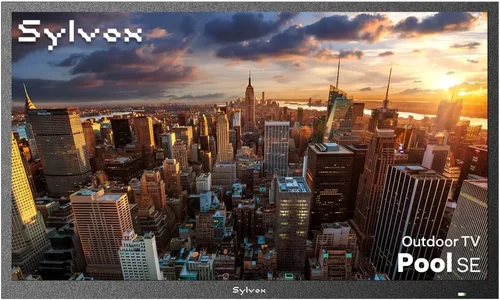
Expert Tips for Getting the Best Deal
- Buy During Off-Season: Prices drop in fall and winter when demand for outdoor electronics is low. Look for end-of-summer sales in August and September.
- Compare Retailers: Check prices at specialty outdoor electronics stores, big-box retailers, and online marketplaces. Some brands sell directly with exclusive deals.
- Look for Bundles: Some retailers offer TV + mount + cable kits at a discount. These can save you money and simplify installation.
- Check Return Policies: Ensure you can return the TV if it doesn’t perform as expected. Outdoor conditions can vary, and what works in a showroom may not work in your yard.
- Read Real User Reviews: Look for reviews from people in similar climates and setups. Pay attention to comments about brightness, durability, and customer service.
- Consider Refurbished Models: Certified refurbished outdoor TVs from reputable brands can offer significant savings with full warranties.
- Negotiate with Installers: If hiring a professional, ask for package deals on TV, mount, and installation. Many offer discounts for bundled services.

Frequently Asked Questions
Q: Can I use a regular TV outdoors if it’s under a covered patio?
A: Technically yes, but it’s not recommended. Even under cover, humidity, temperature swings, and dust can damage indoor TVs over time. For long-term reliability, use an outdoor-rated model or an indoor TV in a certified outdoor enclosure.
Q: How do I protect my outdoor TV from lightning?
A: Use a surge protector rated for outdoor use and consider installing a lightning arrester on your electrical system. Unplug the TV during severe storms if possible.
Q: Do outdoor TVs consume more power?
A: Not necessarily. Modern outdoor TVs are designed for efficiency. Brightness settings can be adjusted to reduce power use when full brightness isn’t needed.
Q: Can I leave my outdoor TV on all the time?
A: Most outdoor TVs are designed for continuous use, but it’s best to turn them off when not in use to extend lifespan and save energy.
Q: Are outdoor TVs hard to install?
A: Installation complexity depends on your setup. Wall mounting is straightforward with the right tools, but running cables and ensuring weatherproofing may require professional help.
Q: Do outdoor TVs come with remotes?
A: Yes, most include weather-resistant remotes. Some also support smartphone apps or voice control via smart assistants.
Q: Can I use my outdoor TV in the winter?
A: Yes, as long as it’s rated for low temperatures. Most outdoor TVs operate down to -22°F (-30°C).
Q: What’s the difference between partial-shade and all-weather TVs?
A: Partial-shade models are for covered areas with limited exposure, while all-weather TVs are fully sealed and can handle direct rain and sun.
Q: Do I need a special antenna for outdoor TV?
A: Not necessarily. Most outdoor TVs support standard antennas, but signal strength may vary. Consider a signal booster if you’re far from broadcast towers.
Q: How long do outdoor TVs last?
A: With proper care, most outdoor TVs last 7–10 years. Higher-end models with better build quality may last even longer.
Our Final Recommendations
- Best for Budget-Conscious Buyers: SunBriteTV Veranda Series – Offers excellent value with 4K resolution, 700+ nits brightness, and solid weather resistance for under $1,500.
- Best Overall Value: Samsung The Terrace – Combines premium picture quality, smart features, and robust build in a mid-range price point ($2,000–$3,000).
- Best Premium Option: Seura Outdoor TV – Ultra-bright, fanless design with OLED panel and 5-year warranty—ideal for luxury installations ($3,500+).
- Best for Beginners: LG Outdoor Smart TV (Partial-Shade) – Easy setup, intuitive webOS interface, and reliable performance for covered areas ($1,200–$1,800).
- Best for Advanced Users: SunBriteTV Pro Series – Commercial-grade durability, 1,500+ nits brightness, and customizable mounting—perfect for tech-savvy homeowners ($4,000+).
Conclusion: Making the Right Choice
Choosing the right outdoor TV for your pool area is about balancing performance, durability, and budget. It’s not just about finding the cheapest option—it’s about investing in a product that will deliver years of reliable entertainment in challenging conditions. By focusing on weather resistance, screen brightness, build quality, and proper installation, you can avoid costly mistakes and enjoy your outdoor space to the fullest.
Remember, the best TV for you depends on your specific needs. Are you watching under a covered patio or in full sun? Do you need smart features or just basic connectivity? How many people will be viewing at once? Answering these questions will guide you toward the right model.
Don’t rush the decision. Take time to research, compare options, and read real user experiences. And when in doubt, consult with a professional installer or outdoor electronics specialist. With the right TV, your pool area can become the ultimate destination for relaxation, entertainment, and unforgettable moments with family and friends.
Now that you’re equipped with expert knowledge, it’s time to make your purchase with confidence. Happy viewing!

