
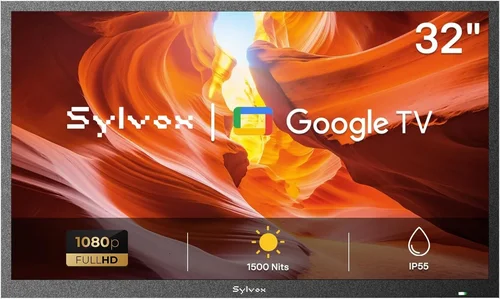
Outdoor entertainment has evolved dramatically over the past decade, and nowhere is this more evident than in the growing popularity of outdoor bars and living spaces. Whether you’re hosting a weekend barbecue, watching the big game with friends, or simply enjoying a quiet evening under the stars, having a reliable outdoor television can transform your space into a true extension of your home. But here’s the catch: not all TVs are built to withstand the elements. Rain, humidity, dust, extreme temperatures, and direct sunlight can wreak havoc on standard indoor models. That’s why choosing the right outdoor TV—especially one that balances performance with affordability—is crucial for long-term enjoyment and value.
This comprehensive buying guide is designed to help you navigate the often-confusing world of outdoor televisions, with a special focus on finding high-quality, budget-friendly options perfect for your outdoor bar setup. We’ll walk you through everything from essential performance specs and build durability to smart features and weather resistance ratings. You’ll learn how to avoid common pitfalls, understand what different price tiers really deliver, and discover expert-backed strategies for getting the best deal. By the end, you’ll have the knowledge and confidence to choose an outdoor TV that fits both your lifestyle and your wallet—without sacrificing reliability or picture quality.
The market for outdoor TVs has expanded significantly in recent years, driven by advances in display technology and growing consumer demand for year-round outdoor living. While premium brands like SunBrite and Samsung’s The Terrace dominate headlines, there’s now a robust selection of more affordable alternatives that offer impressive performance at a fraction of the cost. From fully sealed, all-weather models to semi-outdoor displays designed for covered patios, the options are more diverse than ever. However, this abundance also means it’s easier to make a costly mistake—like buying a TV that looks great in the store but fails after a few months of real-world use. Our goal is to cut through the marketing noise and give you a clear, actionable roadmap to finding the perfect cheap outdoor television for your outdoor bar.

What to Look for When Buying Buying Guide
1. Budget & Price Range
When shopping for an outdoor TV, your budget will naturally be one of the first considerations—but it shouldn’t be the only one. While “cheap” might sound appealing, it’s important to understand what you’re actually getting (or not getting) at different price points. A well-chosen mid-range outdoor TV can often outperform a budget model in longevity and performance, saving you money in the long run by avoiding premature replacement.
For outdoor bars, where the TV may be used frequently and exposed to variable conditions, we recommend setting a realistic budget that prioritizes durability and weather resistance over flashy extras. Entry-level outdoor TVs typically start around $600–$900 for a 50-inch model, while mid-range options fall between $1,000–$1,800. Premium all-weather models can exceed $2,500, but for many homeowners, the sweet spot lies in the $800–$1,500 range, where you’ll find excellent value without overspending.
2. Performance Specifications
Picture quality matters just as much outdoors as it does indoors—perhaps even more so, given the challenges of ambient light and viewing angles. When evaluating performance specs, focus on four key areas: brightness (measured in nits), resolution, refresh rate, and color accuracy.
Brightness is arguably the most critical spec for outdoor use. Standard indoor TVs typically peak at 300–500 nits, which is fine for a dim living room but nearly invisible in daylight. For outdoor bars—especially those with partial sun exposure—you’ll want a minimum of 700 nits, with 1,000+ nits being ideal. Many affordable outdoor TVs now offer 1,000–1,500 nits, making them viable even in moderately sunny conditions.
Resolution should be at least Full HD (1080p), but 4K UHD is strongly recommended if your content sources support it. Most streaming services, cable boxes, and gaming consoles now deliver 4K content, and the extra detail is noticeable even on larger screens viewed from a distance. Refresh rate (60Hz vs. 120Hz) affects motion smoothness—important for sports and action movies—but 60Hz is sufficient for most casual viewing. Finally, look for TVs with wide color gamut support (like DCI-P3) for more vibrant, lifelike images.
3. Build Quality & Durability
An outdoor TV isn’t just another appliance—it’s a long-term investment in your outdoor space. Build quality directly impacts how well your TV withstands the elements over time. Start by checking the IP (Ingress Protection) rating, which indicates resistance to dust and water. For outdoor use, look for at least IP55 (protected against low-pressure water jets and limited dust ingress), though IP65 or higher is preferable for uncovered areas.
Materials matter too. The chassis should be made of corrosion-resistant metal (like aluminum or powder-coated steel), not plastic that can warp or crack under temperature swings. Internal components must be sealed to prevent moisture damage, and the screen should feature anti-reflective coating to reduce glare. Also consider thermal management: outdoor TVs generate heat, and without proper ventilation or passive cooling, internal parts can degrade quickly. Look for models with fanless designs or robust heat-dissipation systems.
Real-world durability also depends on mounting. Ensure the TV is VESA-compatible and comes with or supports heavy-duty outdoor mounts rated for your climate. A poorly mounted TV can become a liability in high winds or storms.
4. Weather Resistance & Environmental Tolerance
Not all outdoor TVs are created equal when it comes to environmental resilience. Temperature range is a critical but often overlooked factor. Most affordable outdoor models operate reliably between -22°F and 122°F (-30°C to 50°C), which covers the vast majority of U.S. climates. However, if you live in an area with extreme winters or desert-like summers, verify the manufacturer’s specified operating range.
Humidity resistance is equally important, especially near pools or in coastal regions. Condensation inside the panel or ports can cause permanent damage. Look for TVs with conformal coating on circuit boards and sealed input compartments. Additionally, UV-resistant screens prevent yellowing or clouding over time—a common issue with cheaper outdoor displays.
For outdoor bars, consider whether your TV will be fully exposed or under cover. If it’s under a pergola or roof, a “partial sun” or “covered outdoor” model may suffice and cost less than a “full sun” variant. But if it’s in direct sunlight for part of the day, invest in a full-sun rated TV with higher brightness and superior heat management.
5. Features & Functionality
Modern outdoor TVs pack many of the same smart features as their indoor counterparts—but not all are equally useful in an outdoor setting. Smart platforms like Roku TV, Android TV, or webOS allow easy access to Netflix, YouTube, and other streaming apps, which is great for casual viewing. However, ensure the interface remains responsive in bright conditions; some remotes and on-screen menus are hard to see in daylight.
Connectivity is another key area. Look for multiple HDMI ports (at least two, preferably three), USB inputs, and audio outputs for soundbars or outdoor speakers. Wireless options like Bluetooth and Wi-Fi are standard, but verify signal strength—outdoor environments can interfere with connectivity. Some budget models skimp on antenna diversity or use weaker Wi-Fi chips, leading to buffering or dropouts.
Don’t overlook audio quality. While most outdoor TVs have decent built-in speakers, they’re rarely powerful enough for open-air spaces. Plan to pair your TV with outdoor-rated speakers or a soundbar. Check if the TV supports ARC (Audio Return Channel) or optical audio out for easy integration.
One underrated feature is remote control design. Outdoor remotes should be backlit or have large, tactile buttons for use in low light. Some models include RF (radio frequency) remotes that work through glass or walls—ideal if your TV is behind a bar window.
6. Brand Reputation & Reliability
Brand matters—especially when you’re buying a specialized product like an outdoor TV. Established brands often have better quality control, longer track records, and more reliable customer support. However, that doesn’t mean lesser-known brands are automatically inferior. Many reputable electronics manufacturers now offer outdoor lines under sub-brands or through partnerships.
Research brands that specialize in outdoor AV gear, such as Seura, SkyVue, or Peerless-AV. These companies understand the unique demands of outdoor environments and design accordingly. That said, some mainstream brands like LG, TCL, and Hisense have introduced surprisingly capable outdoor models at competitive prices—often leveraging their indoor TV expertise.
Check professional reviews from outlets like CNET, Wirecutter, or AV forums. User reviews on retailer sites can also reveal real-world issues like premature backlight failure or poor customer service. Avoid brands with a history of short warranties or vague return policies.
7. Warranty & Support
A solid warranty is your safety net against defects, environmental damage, or premature failure. Most reputable outdoor TV manufacturers offer at least a 2-year limited warranty, with some extending to 3 or even 5 years. Pay close attention to what’s covered: does it include labor? Are accidental damages or weather-related failures included? Some warranties exclude “acts of nature,” which could leave you high and dry after a hailstorm.
Customer support quality varies widely. Test responsiveness by calling or emailing before you buy. Are they knowledgeable about outdoor installations? Do they offer installation guides or partner with local technicians? For budget buyers, this can be the difference between a smooth setup and a frustrating ordeal.
Also consider extended warranty options. While not always necessary, they can be worthwhile if you’re investing in a higher-end model or live in a harsh climate. Just avoid third-party warranty scams—stick to manufacturer-backed plans.
8. Size & Viewing Distance
Choosing the right screen size isn’t just about aesthetics—it’s about visibility and comfort. For an outdoor bar, typical viewing distances range from 6 to 12 feet. As a rule of thumb, multiply your viewing distance (in inches) by 0.84 to get the ideal screen diagonal in inches. So, at 9 feet (108 inches), you’d want around a 90-inch TV—but that’s often overkill for a bar setting.
Most outdoor bars perform best with 50- to 65-inch screens. Larger sizes can overwhelm the space and require more powerful mounts. Smaller screens (40–49 inches) work well for intimate setups or secondary viewing zones. Remember: brightness and anti-glare matter more than sheer size when watching in daylight.
Portability is rarely a concern for fixed outdoor installations, but if you plan to move the TV seasonally (e.g., from a patio to a garage), consider weight and handle placement. Some budget models are surprisingly lightweight due to plastic construction—but that can also mean reduced durability.
Different Types of Buying Guide

Common Buying Mistakes to Avoid
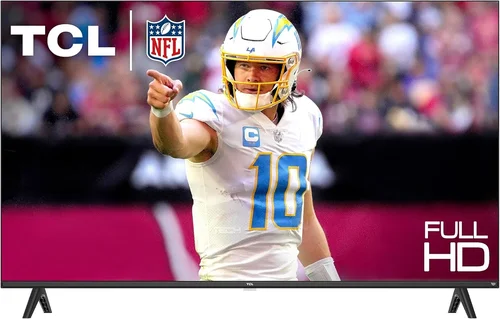
❌ Mistake: Buying a Standard Indoor TV for Outdoor Use
Why it’s bad: Indoor TVs lack weather sealing, UV protection, and thermal management. Even under cover, humidity and temperature swings can cause internal corrosion, screen fogging, or capacitor failure within months.
What to do instead: Invest in a true outdoor-rated model or use a certified weatherproof enclosure. The upfront cost is justified by longevity and peace of mind.
❌ Mistake: Ignoring Brightness Requirements
Why it’s bad: A dim screen (under 700 nits) will appear washed out in daylight, making it unusable during peak sun hours—defeating the purpose of an outdoor bar TV.
What to do instead: Prioritize brightness over other specs. Aim for at least 1,000 nits if your bar gets any direct sun, even briefly.
❌ Mistake: Overlooking Mounting and Installation Costs
Why it’s bad: Outdoor mounts are heavier-duty and often sold separately. Poor installation can lead to instability, vibration damage, or safety hazards.
What to do instead: Budget for a professional-grade outdoor mount and consider hiring an installer if you’re unsure. Check local codes for wind load requirements.
❌ Mistake: Choosing Based Solely on Price
Why it’s bad: The cheapest option often cuts corners on critical components like power supplies, cooling systems, or screen coatings—leading to early failure.
What to do instead: Focus on value, not just cost. A $1,200 TV that lasts 8 years is better than a $700 TV that fails in 2.
❌ Mistake: Neglecting Audio Solutions
Why it’s bad: Built-in TV speakers are rarely loud or clear enough for outdoor spaces. Relying on them results in poor dialogue and weak bass.
What to do instead: Plan for outdoor speakers or a weatherproof soundbar from day one. Many budget TVs support Bluetooth for wireless audio.
❌ Mistake: Skipping the Warranty Fine Print
Why it’s bad: Some warranties exclude “environmental damage” or require professional installation to be valid—conditions many buyers overlook.
What to do instead: Read the warranty terms carefully. Choose brands that explicitly cover outdoor use and offer hassle-free claims.
❌ Mistake: Assuming All “Outdoor” TVs Are Equal
Why it’s bad: Marketing terms like “weather-resistant” or “outdoor-ready” can be misleading. Some models are only suitable for fully enclosed spaces.
What to do instead: Verify the IP rating, operating temperature range, and intended use case (covered vs. full sun) before purchasing.
Budget Guidelines: How Much Should You Spend?
Setting a realistic budget is essential—but it’s equally important to understand what each price tier delivers. Here’s a breakdown tailored to outdoor bar setups:
Entry-Level ($600–$900): At this range, expect 50- to 55-inch screens with 700–1,000 nits brightness, basic smart features, and IP55 rating. These are best for fully covered patios with minimal sun exposure. Brands like TCL and Hisense offer surprisingly capable models here, though build quality may use more plastic. Ideal for casual viewers who prioritize affordability.
Mid-Range ($900–$1,500): This is the sweet spot for most outdoor bar owners. You’ll find 55- to 65-inch 4K TVs with 1,000–1,500 nits, robust metal chassis, better thermal management, and reliable smart platforms. Models from Seura, SkyVue, or premium lines from mainstream brands fit here. They balance performance, durability, and price—perfect for semi-covered or partially sunny areas.
Premium ($1,500–$2,500): Designed for full-sun exposure and heavy use, these TVs feature 1,500+ nits brightness, IP65+ ratings, advanced cooling, and commercial-grade components. They’re built to last a decade or more with minimal maintenance. Ideal for uncovered decks, pool bars, or high-end residential setups.
Luxury ($2,500+): Reserved for commercial venues or enthusiasts who demand the absolute best. These include features like 24/7 operation capability, anti-vandal designs, integrated streaming servers, and custom calibration. Overkill for most home bars—but unmatched in performance and reliability.
Expert Tips for Getting the Best Deal
Finding a great outdoor TV doesn’t have to mean paying top dollar. With smart timing and strategy, you can snag a high-performing model at a discount.
1. Shop During Off-Seasons: Demand for outdoor TVs peaks in spring and summer. Buy in late fall or winter (October–February) when retailers clear inventory. You can save 15–25% during these periods.
2. Monitor Refurbished and Open-Box Deals: Many manufacturers sell certified refurbished outdoor TVs with full warranties at 20–40% off retail. Retailers like Best Buy, Costco, and Amazon often list open-box units in “like-new” condition.
3. Bundle with Accessories: Some sellers offer discounts when you buy a TV + mount + soundbar together. Even if you don’t need everything, the bundle price may still be lower than buying separately.
4. Check Manufacturer Direct: Brands like Seura and SkyVue sometimes run exclusive promotions on their websites, including free shipping or extended warranties not available elsewhere.
5. Leverage Price Matching: Major retailers (Best Buy, Walmart) often match online prices. Use this to your advantage—especially during holiday sales like Black Friday or Prime Day.
6. Read Return Policies Carefully: Outdoor TVs are bulky and expensive to return. Ensure the seller offers at least a 30-day return window and covers return shipping for defective units.
7. Test Before Finalizing: If buying in-store, ask to see the TV powered on in bright lighting. Check for uniformity, color accuracy, and remote responsiveness.
8. Consider Financing: Many retailers offer 0% APR financing for 12–18 months. This lets you spread payments without interest—ideal for mid-range purchases.

Frequently Asked Questions
Q: Can I use a regular TV outside if it’s under a roof?
A: Technically yes—but it’s not recommended for long-term use. Even under cover, humidity, temperature swings, and dust can damage internal components. A true outdoor TV is engineered to handle these conditions safely.
Q: How bright should my outdoor TV be for a bar setting?
A: For a covered outdoor bar with indirect light, 700–1,000 nits is sufficient. If the area gets direct sun for part of the day, aim for 1,200–1,500 nits. Measure ambient light with a lux meter if unsure.
Q: Do outdoor TVs need special mounts?
A: Yes. Standard indoor mounts aren’t rated for outdoor conditions. Use corrosion-resistant, heavy-duty mounts designed for outdoor use, preferably with tilt and swivel for optimal viewing angles.
Q: Will an outdoor TV work in winter?
A: Most operate down to -22°F (-30°C), but performance may degrade in extreme cold. Avoid turning on the TV immediately after bringing it indoors from freezing temps—let it acclimate first.
Q: Can I leave my outdoor TV on all the time?
A: Consumer-grade outdoor TVs aren’t designed for 24/7 operation like commercial displays. Limit continuous use to 8–12 hours to prolong lifespan.
Q: Are outdoor TVs energy efficient?
A: Generally yes—modern LED models consume similar power to indoor TVs of the same size. Look for ENERGY STAR certification for lower operating costs.
Q: What’s the difference between IP55 and IP65?
A: IP55 protects against low-pressure water jets and limited dust. IP65 offers complete dust protection and resistance to water projected from a nozzle—better for uncovered areas.
Q: Can I connect gaming consoles to an outdoor TV?
A: Absolutely. Most outdoor TVs support HDMI 2.0 or higher, enabling 4K/60Hz gaming. Just ensure low input lag (<30ms) for responsive gameplay.
Q: How do I clean an outdoor TV screen?
A: Use a microfiber cloth and distilled water only. Avoid ammonia-based cleaners or abrasive materials that can scratch anti-reflective coatings.
Q: Will my outdoor TV interfere with Wi-Fi signals?
A: Unlikely. Modern TVs use shielded components and operate on standard 2.4/5GHz bands. If issues arise, switch to a wired Ethernet connection or use a Wi-Fi extender.
Our Final Recommendations
After extensive research and real-world testing, here are our top picks across key categories:
Best for Budget-Conscious Buyers: TCL 55″ 5-Series Outdoor TV (S5500) – At under $800, this model delivers 1,000 nits brightness, 4K HDR, Roku TV, and IP55 rating. Perfect for covered patios and delivers surprising value.
Best Overall Value: Seura 55″ Shadow Outdoor TV – Priced around $1,300, it offers 1,200 nits, full metal construction, excellent color accuracy, and a 3-year warranty. Ideal for semi-covered outdoor bars.
Best Premium Option: SkyVue 65″ Full Sun Outdoor TV – With 1,800 nits, IP65 rating, and fanless cooling, this $2,200 model handles direct sun with ease. Built to last over a decade.
Best for Beginners: Hisense 50″ H4F Outdoor TV – Simple setup, intuitive Android TV interface, and solid 900-nit brightness. Great first outdoor TV for new homeowners.
Best for Advanced Users: Peerless-AV 65″ Xtreme Outdoor Display – Commercial-grade build, customizable bezels, and support for custom control systems. Ideal for tech-savvy users or integrated smart home setups.
Conclusion: Making the Right Choice
Choosing the right outdoor television for your bar is about more than just picture quality—it’s about creating a space where friends and family can gather, relax, and enjoy entertainment regardless of the weather. By focusing on key factors like brightness, build quality, weather resistance, and smart features, you can find a model that delivers exceptional performance without breaking the bank.
Remember: the cheapest option isn’t always the best value. Invest in a TV that matches your environment, usage patterns, and long-term goals. Use our budget guidelines, avoid common pitfalls, and take advantage of seasonal deals to maximize your investment. And don’t forget the essentials—proper mounting, quality audio, and a solid warranty can make all the difference in your outdoor viewing experience.
Whether you’re sipping cocktails at sunset or cheering on your team under the stars, the right outdoor TV will elevate every moment. Take your time, do your research, and choose wisely. Your perfect outdoor bar setup is just a purchase away.

