
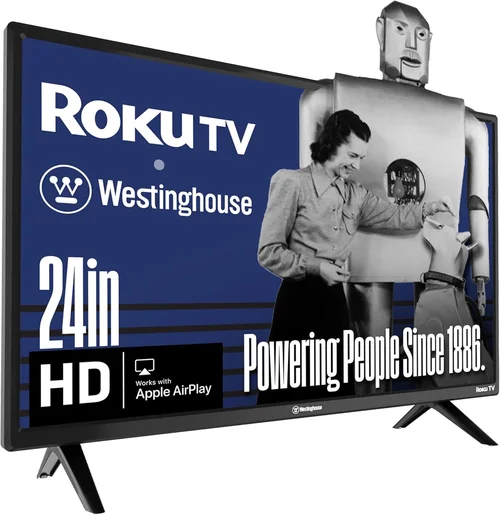
Outdoor kitchens have evolved from simple grilling stations to full-scale culinary and entertainment hubs. Whether you’re hosting a summer barbecue, enjoying a quiet evening under the stars, or catching the big game with friends, having a reliable outdoor TV transforms your space into a true extension of your home. But here’s the catch—most indoor TVs simply aren’t built to withstand the elements. Sunlight glare, humidity, rain, dust, and temperature swings can quickly ruin a standard television. That’s why investing in a purpose-built outdoor TV is essential for long-term enjoyment and value.
This comprehensive buying guide is designed to help you navigate the often-confusing world of outdoor televisions, especially if you’re working with a budget. We’ll cut through the marketing noise and focus on what truly matters: performance, durability, value, and real-world usability. By the end of this guide, you’ll know exactly what to look for, which features are worth paying for, and how to avoid common pitfalls that could cost you time and money. Whether you’re a first-time buyer or upgrading from an older model, this guide will equip you with expert-level knowledge to make a smart, informed decision.
The outdoor TV market has grown significantly in recent years, driven by rising demand for outdoor living spaces and advancements in display technology. While premium brands like SunBrite and Samsung dominate the high-end segment, a new wave of affordable options has emerged—offering solid performance at a fraction of the cost. These budget-friendly models are ideal for homeowners who want to enjoy outdoor entertainment without breaking the bank. However, not all “cheap” outdoor TVs are created equal. Some sacrifice durability for price, while others lack essential features like weather resistance or anti-glare screens. Our goal is to help you find the sweet spot between affordability and functionality, so you get the most bang for your buck.

What to Look for When Buying Buying Guide
1. Budget & Price Range
When shopping for an outdoor TV, your budget will naturally be one of the first considerations. However, it’s important to understand that “cheap” doesn’t always mean “low quality”—especially in today’s market. Entry-level outdoor TVs can now be found for as little as $400, while mid-range models typically fall between $600 and $1,200. Premium outdoor TVs, such as those from SunBrite or Samsung’s Terrace series, can cost $2,000 or more. For most homeowners with an outdoor kitchen, a mid-range model offers the best balance of price, performance, and durability.
Set a realistic budget before you start shopping. Consider not just the TV itself, but also installation costs, mounting hardware, and any additional accessories like weatherproof enclosures or soundbars. A common mistake is underestimating the total cost of ownership. For example, a $500 TV might seem like a steal, but if it requires a $200 outdoor-rated mount and a $150 soundbar to deliver acceptable audio, the total investment quickly climbs. Aim to allocate at least 20–30% of your total budget for accessories and installation.
Also, be wary of extremely low-priced models from unknown brands. While they may look similar to reputable models online, they often use substandard components, lack proper weather sealing, or come with minimal warranties. A good rule of thumb: if the price seems too good to be true, it probably is. Stick to brands with a proven track record in outdoor electronics, even if it means stretching your budget slightly.
2. Performance Specifications
Performance specs are where many budget outdoor TVs fall short. While indoor TVs prioritize features like 4K resolution, HDR, and smart platforms, outdoor models must also deliver visibility in bright conditions and reliable operation in variable weather. Start with screen brightness: look for a minimum of 700 nits, but ideally 1,000 nits or higher. This ensures the image remains clear and vibrant even in direct sunlight. Many indoor TVs max out at 300–500 nits, which is insufficient for outdoor use.
Resolution is another key factor. While 1080p (Full HD) is acceptable for smaller screens (under 43 inches), we recommend 4K UHD for any TV 50 inches or larger. 4K provides sharper detail, better color accuracy, and improved upscaling of lower-resolution content. HDR support (HDR10, HLG, or Dolby Vision) enhances contrast and color depth, making images pop even in bright environments. However, not all HDR implementations are equal—look for TVs with good local dimming or high peak brightness to get the full benefit.
Refresh rate matters too, especially if you plan to watch sports or fast-paced content. A 60Hz panel is standard, but 120Hz models offer smoother motion and reduced blur. While this is less critical for casual viewing, it’s a noticeable upgrade for action movies or live sports. Input lag is also worth checking if you plan to use the TV for gaming—look for models with a “Game Mode” that reduces lag to under 20ms.
Finally, consider the TV’s operating system and smart features. Most outdoor TVs run on platforms like Android TV, Roku, or webOS. These allow access to streaming apps like Netflix, YouTube, and Disney+. Ensure the interface is responsive and regularly updated. Some budget models use outdated software or slow processors, leading to laggy performance. Test the interface if possible, or read user reviews focusing on app performance.
3. Build Quality & Durability
Durability is arguably the most important factor when choosing an outdoor TV. Unlike indoor models, outdoor TVs must withstand rain, snow, dust, UV exposure, and temperature extremes. Look for TVs with an IP55 or higher rating—this means they’re protected against dust and water jets from any direction. Some models go further with IP65 or IP66 ratings, offering even greater protection.
The materials used in construction also matter. High-quality outdoor TVs feature powder-coated aluminum chassis, stainless steel screws, and sealed ports to prevent corrosion. Avoid plastic-heavy designs, which can degrade under UV exposure and become brittle over time. The screen should be made of tempered glass with an anti-reflective coating to reduce glare and resist scratches.
Temperature tolerance is another critical spec. Most outdoor TVs are rated for operation between -22°F and 122°F (-30°C to 50°C). This ensures they can function in both freezing winters and scorching summers. Some models include internal heaters or cooling fans to maintain optimal operating temperatures. While these add to the cost, they significantly extend the TV’s lifespan in extreme climates.
Don’t forget about the back panel and ventilation. Proper airflow prevents overheating, but it must be balanced with weatherproofing. Look for TVs with sealed vents or passive cooling systems that don’t compromise protection. Also, check the warranty—reputable brands typically offer 2–3 years of coverage, with some extending to 5 years for premium models.
4. Features & Functionality
Modern outdoor TVs come packed with features, but not all are essential. Focus on those that enhance usability and longevity. One of the most valuable features is a built-in heater or cooling system. These help regulate internal temperature, preventing damage from condensation in humid environments or overheating in direct sun. While not standard on budget models, some mid-range TVs include basic thermal management.
Anti-glare and anti-reflective screens are non-negotiable for outdoor use. These coatings reduce the “mirror effect” caused by sunlight, ensuring you can see the picture clearly from any angle. Some TVs also feature optical bonding—a process where the screen layers are fused together to eliminate air gaps. This improves brightness, contrast, and durability, though it’s more common in premium models.
Connectivity is another area to evaluate. Look for multiple HDMI ports (at least 3), USB inputs, and audio outputs. If you plan to connect a soundbar or external speakers, ensure the TV supports optical audio or ARC (Audio Return Channel). Wi-Fi and Bluetooth are standard on most smart TVs, but verify the strength of the wireless connection—outdoor environments can interfere with signals.
Mounting flexibility is also important. Most outdoor TVs are VESA-compatible, allowing you to use standard wall or ceiling mounts. However, outdoor-rated mounts are heavier-duty and often include tilt or swivel features for optimal viewing angles. Some TVs come with built-in mounting brackets, while others require separate purchases. Check compatibility before buying.
Finally, consider smart features like voice control (via Alexa or Google Assistant), screen mirroring, and app integration. These can enhance convenience, especially if you’re using the TV for streaming or controlling smart home devices. However, don’t let flashy features distract from core performance and durability.
5. Brand Reputation
Brand reputation matters more in the outdoor TV market than in many other consumer electronics categories. Established brands like SunBrite, Samsung, and Seura have spent years refining their outdoor-specific designs and have a proven track record of reliability. They also offer better customer support, longer warranties, and more consistent software updates.
That said, newer brands and budget manufacturers are making strides. Companies like Sylvane, Outdoor TV, and even some offshoots of mainstream brands (like TCL’s outdoor models) offer competitive products at lower prices. The key is to research thoroughly. Look for brands that specialize in outdoor electronics rather than those that simply market indoor TVs as “outdoor-ready.”
Check customer reviews on trusted platforms like Amazon, Best Buy, or specialty outdoor retailers. Pay attention to comments about long-term durability, customer service, and real-world performance. A brand with a high overall rating but several complaints about water damage or screen failure should raise red flags.
Also, consider the availability of replacement parts and service centers. If something goes wrong, you don’t want to be stuck with a broken TV and no way to fix it. Brands with nationwide service networks or strong online support are preferable.
6. Warranty & Support
A strong warranty is a sign of confidence in a product’s quality. Most reputable outdoor TV brands offer at least a 2-year warranty, with some extending to 3 or even 5 years. This typically covers defects in materials and workmanship, but not damage from improper installation or extreme weather beyond the rated specs.
Read the fine print carefully. Some warranties are voided if the TV is installed in a fully exposed area without additional protection. Others require professional installation to remain valid. Make sure you understand the terms before purchasing.
Customer support is equally important. Look for brands that offer responsive phone, email, or chat support. Some provide installation guides, video tutorials, or even on-site assistance. Avoid brands with limited or slow support—especially if you’re not tech-savvy.
Extended warranties are available from some retailers, but they’re often overpriced and redundant if the manufacturer already offers solid coverage. Only consider them if the original warranty is short or the TV will be used in an extreme environment.
7. Size & Portability
Size matters—both in terms of screen real estate and physical footprint. For an outdoor kitchen, a 43- to 55-inch TV is usually ideal. Smaller screens (32–40 inches) work for intimate spaces or covered patios, while larger models (65+ inches) are better for open areas or large gatherings.
Consider viewing distance: a general rule is to sit 1.5 to 2.5 times the screen’s diagonal length away. For a 50-inch TV, that’s about 6 to 10 feet. If your seating is closer, a smaller screen may suffice. If farther, go larger.
Portability is less of a concern for fixed installations, but if you plan to move the TV between indoor and outdoor spaces, look for lighter models with handles or optional stands. Some outdoor TVs are designed to be easily removable, though this often requires additional mounting hardware.
Weight is another factor—larger TVs can weigh 30–50 pounds or more. Ensure your mounting solution can support the weight, especially if installing on a wall or ceiling. Reinforced brackets or professional installation may be necessary.
8. User Reviews & Ratings
User reviews provide real-world insights that specs and marketing materials can’t match. Look for patterns in feedback: if multiple users report the same issue—like screen fogging, poor Wi-Fi, or short lifespan—it’s likely a genuine flaw.
Focus on reviews from buyers in similar climates. A TV that performs well in mild California may struggle in humid Florida or snowy Minnesota. Look for comments about performance in direct sun, rain resistance, and temperature tolerance.
Also, check the recency of reviews. Technology evolves quickly, and a model that was great two years ago may have been discontinued or replaced. Aim for reviews from the past 6–12 months.
Don’t rely solely on star ratings. A 4.5-star average with 1,000 reviews is more trustworthy than a 5-star rating with only 10 reviews. Read both positive and negative feedback to get a balanced view.
Different Types of Buying Guide

Common Buying Mistakes to Avoid
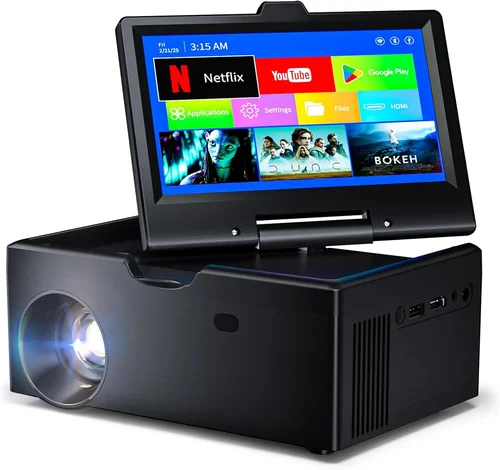
❌ Mistake: Buying an Indoor TV for Outdoor Use
Why it’s bad: Indoor TVs lack the brightness, weather sealing, and thermal protection needed for outdoor environments. They can overheat, suffer screen burn-in from UV exposure, or short-circuit in rain. Even under a covered patio, humidity and temperature swings can cause premature failure.
What to do instead: Invest in a TV specifically designed for outdoor use. If budget is tight, consider a mid-range model or a used premium TV from a reputable brand.
❌ Mistake: Ignoring Brightness and Glare
Why it’s bad: A dim screen will be unwatchable in daylight, no matter how good the resolution. Glare from sunlight can make the image invisible, especially on reflective surfaces.
What to do instead: Choose a TV with at least 700 nits of brightness and an anti-glare coating. Test the screen in similar lighting conditions if possible.
❌ Mistake: Overlooking Installation Requirements
Why it’s bad: Improper mounting can lead to water damage, electrical hazards, or the TV falling. DIY installations without proper grounding or weatherproofing are especially risky.
What to do instead: Hire a professional installer or use certified outdoor mounting kits. Ensure all cables are routed through waterproof conduits.
❌ Mistake: Skimping on Audio
Why it’s bad: Most outdoor TVs have weak built-in speakers. Without external audio, dialogue can be hard to hear over wind, cooking noise, or ambient sounds.
What to do instead: Pair your TV with a weather-resistant soundbar or outdoor speakers. Look for models with Bluetooth or optical audio output.
❌ Mistake: Not Checking Return Policies
Why it’s bad: Outdoor TVs are expensive, and you may discover issues only after installation. A strict return policy could leave you stuck with a defective unit.
What to do instead: Buy from retailers with generous return windows (30+ days) and clear policies. Avoid final sale items unless you’re confident in the product.
❌ Mistake: Forgetting About Power and Connectivity
Why it’s bad: Running power and HDMI cables outdoors requires planning. Exposed wires can be damaged by weather or pests.
What to do instead: Use outdoor-rated cables and conduit. Consider wireless HDMI transmitters for cleaner setups.
❌ Mistake: Choosing Based on Price Alone
Why it’s bad: The cheapest option often costs more in the long run due to repairs, replacements, or poor performance.
What to do instead: Evaluate total cost of ownership, including durability, warranty, and expected lifespan. A $200 more now could save $500 later.
Budget Guidelines: How Much Should You Spend?
Entry-Level ($400 – $700): These TVs are best for covered patios or mild climates. Expect basic weather resistance (IP55), 1080p or 4K resolution, and limited smart features. Brands like Sylvane and Outdoor TV offer decent options in this range. Ideal for occasional use or smaller spaces.
Mid-Range ($700 – $1,200): This is the sweet spot for most buyers. You’ll get 4K resolution, 700–1,000 nits brightness, better build quality, and improved smart platforms. Models from TCL, Hisense, and some Samsung offshoots fall here. Great for full outdoor kitchens with regular use.
Premium ($1,200 – $2,500): For those who want top-tier performance and durability. These TVs feature 1,000+ nits brightness, advanced thermal management, optical bonding, and robust warranties. SunBrite and Samsung Terrace are leaders here. Best for extreme climates or luxury setups.
Luxury ($2,500+): Custom-built or commercial-grade models with features like 120Hz refresh rates, Dolby Vision, and integrated sound systems. Often used in high-end resorts or permanent outdoor theaters. Overkill for most homeowners but unmatched in performance.
Expert Tips for Getting the Best Deal
- Buy during seasonal sales: Spring and early summer are peak times for outdoor electronics discounts. Look for Memorial Day, 4th of July, and back-to-school sales.
- Shop at specialty retailers: Stores like Sylvane, Outdoor Appliance World, and Abt often have better selection and expertise than big-box retailers.
- Compare total cost: Include mount, cables, soundbar, and installation in your budget. A cheaper TV may end up costing more overall.
- Check for rebates: Some manufacturers offer rebates or bundle deals with mounts or speakers.
- Read the warranty carefully: Ensure it covers outdoor use and includes parts and labor.
- Test before finalizing: If possible, view the TV in person or watch demo videos in bright light.
- Consider refurbished models: Certified refurbished TVs from reputable sellers can save 20–30% with full warranty coverage.
- Use price tracking tools: Set alerts on Amazon, Google Shopping, or CamelCamelCamel to catch price drops.

Frequently Asked Questions
Q: Can I use a regular TV outdoors if it’s under a covered patio?
A: Technically yes, but it’s not recommended. Even under cover, humidity, temperature swings, and UV exposure can damage internal components. A purpose-built outdoor TV is a safer, longer-lasting investment.
Q: Do outdoor TVs need special mounts?
A: Yes. Use outdoor-rated mounts made of corrosion-resistant materials. Ensure they support the TV’s weight and allow for proper ventilation.
Q: How long do outdoor TVs last?
A: With proper care, 5–10 years is typical. Premium models with thermal management may last even longer.
Q: Can I leave my outdoor TV on all the time?
A: Most are designed for continuous use, but it’s best to turn them off when not in use to extend lifespan and save energy.
Q: Do outdoor TVs come with remotes?
A: Yes, but consider a universal remote or smartphone app for easier control, especially if the TV is mounted high.
Q: Are outdoor TVs energy efficient?
A: Many modern models are ENERGY STAR certified. Look for low power consumption ratings, especially if using solar power.
Q: Can I connect a game console to an outdoor TV?
A: Yes, as long as it has HDMI ports. Check input lag if gaming is a priority.
Q: What’s the difference between IP55 and IP65?
A: IP55 protects against dust and water jets. IP65 offers better dust protection and can handle low-pressure water from any direction.
Q: Do I need a soundbar for outdoor use?
A: Highly recommended. Built-in speakers are usually too weak for outdoor environments.
Q: Can outdoor TVs be used in winter?
A: Yes, if rated for low temperatures. Look for models with operating ranges down to -22°F or lower.
Our Final Recommendations
- Best for Budget-Conscious Buyers: Sylvane 43-Inch Outdoor TV – Solid 4K performance, IP55 rating, and reliable smart features under $600.
- Best Overall Value: TCL 55-Inch Outdoor Smart TV – Excellent brightness, Roku OS, and durable build for around $900.
- Best Premium Option: SunBrite Veranda 55-Inch – Top-tier brightness, thermal management, and 3-year warranty for $1,800.
- Best for Beginners: Outdoor TV 40-Inch Full Sun – Easy setup, strong customer support, and great for first-time buyers.
- Best for Advanced Users: Samsung The Terrace 65-Inch – 1,500 nits, Dolby Vision, and professional-grade durability for $2,200.
Conclusion: Making the Right Choice
Choosing the right outdoor TV for your kitchen doesn’t have to be overwhelming. By focusing on key factors like brightness, durability, and real-world performance, you can find a model that fits your budget and enhances your outdoor living experience. Remember, the cheapest option isn’t always the best value—invest in quality now to avoid costly replacements later.
Prioritize your needs: if you live in a sunny area, brightness is critical. If you entertain often, consider size and audio. And always factor in installation and accessories. With the insights from this guide, you’re equipped to make a confident, informed decision.
Now it’s time to take action. Start by setting your budget, researching models that meet your criteria, and comparing prices across trusted retailers. Whether you’re upgrading your outdoor kitchen or building one from scratch, the right TV will turn every meal into a memorable event. Happy viewing!

