
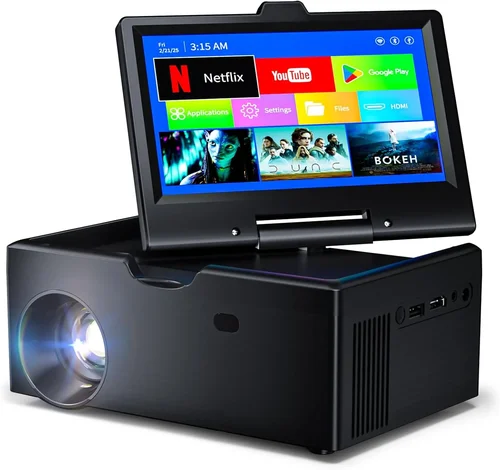
Outdoor living spaces have become extensions of our homes—whether it’s a sun-drenched patio, a backyard barbecue zone, or a poolside lounge. In hot climates especially, where outdoor time often peaks during early mornings or late evenings to avoid the midday heat, having reliable entertainment can transform these areas into true retreats. But here’s the catch: standard indoor TVs simply aren’t built to withstand the rigors of outdoor environments—especially intense heat, humidity, dust, and direct sunlight. That’s why investing in a purpose-built outdoor television isn’t just a luxury; for many homeowners in desert, tropical, or subtropical regions, it’s a necessity.
This comprehensive buying guide is designed specifically for those seeking affordable yet dependable outdoor TVs that perform reliably in high-temperature conditions. Whether you’re on a tight budget or simply want to maximize value without sacrificing durability, we’ll walk you through everything you need to know before making your purchase. You’ll learn how to evaluate critical factors like thermal management, weather resistance, screen visibility in bright light, and long-term reliability—all while staying within your price range. We’ll also compare different types of outdoor TVs, highlight common pitfalls to avoid, and share expert tips to help you get the best deal possible in 2026.
The market for outdoor televisions has evolved significantly over the past few years. Once dominated by ultra-premium models costing thousands of dollars, there’s now a growing segment of budget-friendly options that deliver solid performance without breaking the bank. Brands like SunBriteTV, Seura, and Sylvane still lead the high-end space, but newer entrants such as Outdoor TV Solutions, KODAK, and even mainstream manufacturers like Samsung and LG (with their outdoor-compatible models) are making outdoor viewing more accessible than ever. However, “cheap” doesn’t always mean “good”—especially when your TV will be exposed to 100°F+ temperatures, UV rays, and sudden rain showers. This guide cuts through the marketing noise to help you find a model that balances affordability, resilience, and picture quality tailored for hot climates.

What to Look for When Buying Buying Guide
1. Thermal Management & Heat Resistance
In hot climates, excessive heat is the number one enemy of electronic devices—and TVs are no exception. Most indoor TVs begin to throttle performance or shut down entirely when internal temperatures exceed 104°F (40°C). Outdoor TVs, however, are engineered with active or passive cooling systems to maintain safe operating temperatures even when ambient air hits 110°F or higher. Look for models with built-in fans, heat-dissipating chassis materials (like aluminum), and thermal sensors that prevent overheating.
Pay close attention to the manufacturer’s specified operating temperature range. A reputable outdoor TV should clearly state it can operate safely between -22°F and 122°F (-30°C to 50°C) or higher. Avoid any model that lacks explicit thermal specs—this is a red flag. Also, consider placement: even the most heat-resistant TV will struggle if mounted in direct, unfiltered sunlight all day. Use shade structures, pergolas, or wall mounts with overhangs to reduce thermal load.
2. Brightness & Anti-Glare Screen Technology
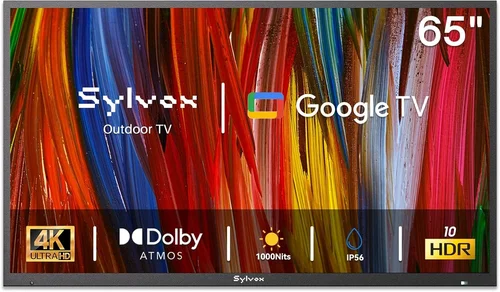
Sunlight washout is a major challenge for outdoor viewing. Even on cloudy days, ambient light outdoors can be 10 times brighter than typical indoor lighting. Standard indoor TVs usually offer 300–500 nits of brightness—fine for a living room, but nearly invisible outside. For outdoor use, you need a minimum of 700 nits, with 1000+ nits being ideal for full sun exposure.
Look for TVs with high-brightness LED backlighting and anti-reflective coatings. Some models feature optically bonded glass, which reduces internal reflections and improves contrast in bright conditions. Additionally, check if the screen has a matte finish rather than glossy—glossy screens reflect sunlight like a mirror, making content unreadable. Brands like SunBriteTV use proprietary “Direct Sunlight Viewable” (DSV) technology, but budget alternatives often include similar features under different names (e.g., “Outdoor Mode” or “Sunlight Readable”).
Don’t confuse brightness with resolution. While 4K is nice, it won’t help if you can’t see the image. Prioritize brightness and glare reduction first, then consider resolution and smart features.
3. Weatherproof Rating (IP Rating)
The Ingress Protection (IP) rating tells you how well a device resists dust and water. For outdoor TVs, an IP55 or higher rating is essential. IP55 means the TV is protected against dust (limited ingress) and low-pressure water jets from any direction—sufficient for most covered patios or semi-enclosed spaces. If your TV will be fully exposed to rain or sprinklers, aim for IP65 (dust-tight and protected against water jets).
Note that IP ratings apply to the entire unit, including ports and vents. Cheaper models may claim “weather-resistant” but lack a certified IP rating—this is a marketing loophole. Always verify the official IP certification. Also, remember that even weatherproof TVs need proper installation: use sealed conduit for cables, avoid drilling holes in enclosures, and never place the TV where water can pool on top.
4. Build Quality & Materials
Outdoor TVs face constant stress from temperature swings, UV radiation, and physical impacts (think flying debris during windstorms). Cheap plastic housings may warp, crack, or yellow over time when exposed to intense sun. Opt for TVs with powder-coated aluminum or stainless-steel frames—these materials resist rust, fading, and thermal expansion.
Check the thickness of the casing and the quality of seals around buttons, ports, and the screen bezel. Gaskets should be silicone-based and UV-stable. Internal components should also be conformal-coated to protect against moisture and corrosion. While budget models may cut corners here, even entry-level outdoor TVs from reputable brands typically use marine-grade or industrial-grade materials.
Another often-overlooked aspect is ventilation design. Poor airflow leads to hotspots inside the chassis, shortening component life. Look for models with strategically placed vents that allow passive convection without compromising weather sealing.
5. Smart Features & Connectivity
Even in 2026, not all outdoor TVs come with built-in smart platforms. While you can always add a streaming stick (like Roku or Fire TV), doing so outdoors introduces new challenges: extra cables, power needs, and potential signal interference. Integrated smart TVs simplify setup and reduce clutter.
Check for Wi-Fi 6 support, Bluetooth 5.0+, and multiple HDMI ports (at least two, preferably with ARC/eARC for soundbars). USB ports are useful for media playback or firmware updates. Voice control via Alexa or Google Assistant is a nice bonus but not essential. More importantly, ensure the OS receives regular security updates—outdated firmware can expose your network to risks.
Budget outdoor TVs may run older versions of Android TV or proprietary systems with limited app support. If streaming is a priority, verify app availability (Netflix, YouTube, Disney+, etc.) before buying. Some manufacturers lock down their platforms, preventing sideloading or third-party app stores.
6. Audio Performance
Outdoor acoustics are tricky. Wind, ambient noise from traffic or neighbors, and distance from the listener all degrade sound quality. Most outdoor TVs have modest built-in speakers (8–15 watts), which are barely adequate for quiet backyard settings. For anything beyond casual listening, plan to add external audio.
Look for TVs with optical audio output, HDMI ARC, or Bluetooth audio support so you can connect weatherproof speakers or a soundbar. Some models include built-in subwoofers or enhanced bass drivers, but don’t expect theater-level performance. If audio is critical, consider a separate outdoor audio system from brands like Polk, JBL, or Bose—they offer all-weather models designed for patios and decks.
Also, note that louder isn’t always better. In residential areas, excessive volume can disturb neighbors. Choose a TV with balanced audio profiles and volume limiting features if needed.
7. Warranty & Customer Support
Outdoor electronics are inherently higher-risk investments. A strong warranty is your safety net. Reputable brands typically offer 2–3 years of coverage for outdoor TVs, sometimes extendable to 5 years with registration. Avoid models with only 1-year warranties unless backed by a trusted retailer.
Read the fine print: some warranties exclude damage from “acts of nature” (e.g., lightning strikes, flooding) or improper installation. Others require professional mounting to remain valid. Check if the manufacturer provides local service centers or mail-in repair options—especially important if you live in a remote area.
Customer support responsiveness matters too. Search forums and review sites for experiences with the brand’s support team. A company that takes weeks to respond to warranty claims isn’t worth the savings, even if the TV is cheap.
8. Size & Viewing Distance
Outdoor viewing distances vary widely. A 43-inch TV might be perfect for a small balcony 6–8 feet away, while a 65-inch model is better suited for a large patio 12–15 feet from seating. Use the 1.5x rule: multiply the screen diagonal (in inches) by 1.5 to get the ideal minimum viewing distance in inches. For example, a 55-inch TV should be viewed from at least 82.5 inches (about 7 feet) away.
Larger screens aren’t always better outdoors. In bright conditions, smaller screens with higher brightness can appear clearer than larger, dimmer ones. Also, consider mounting height: the center of the screen should be at or slightly below eye level when seated. Avoid placing the TV too high, as this strains the neck and reduces immersion.
Portability is rarely a concern for fixed installations, but if you plan to move the TV between locations (e.g., from patio to garage), look for lightweight models with carrying handles or compatible with universal outdoor mounts.
Different Types of Buying Guide

Common Buying Mistakes to Avoid
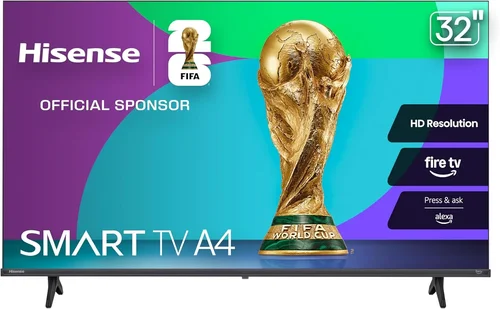
❌ Mistake: Buying an Indoor TV for Outdoor Use
Why it’s bad: Indoor TVs lack weatherproofing, thermal management, and high-brightness screens. They’ll overheat, suffer screen burn-in from UV exposure, and fail prematurely—often within months. Insurance may not cover damage from improper use.
What to do instead: Invest in a TV specifically designed for outdoor use—even a budget model will outperform an indoor TV in harsh conditions. If cost is prohibitive, consider the indoor-TV-plus-enclosure approach (see Type Comparison above).
❌ Mistake: Ignoring the IP Rating
Why it’s bad: Without a proper IP rating, your TV is vulnerable to dust, rain, and humidity. Dust can clog vents and cause overheating; moisture can short-circuit internal components. Many “outdoor-ready” claims are unverified.
What to do instead: Always check for an official IP55 or higher certification. Look for test reports or third-party validation. Don’t rely on marketing terms like “weather-resistant” without proof.
❌ Mistake: Overlooking Brightness Requirements
Why it’s bad: A dim screen turns your outdoor oasis into a frustrating experience. You’ll strain to see content, miss details, and likely stop using the TV altogether.
What to do instead: Aim for at least 700 nits, preferably 1000+. Test reviews often mention real-world visibility—read them carefully. If possible, view the TV in person under daylight conditions.
❌ Mistake: Skimping on Mounting Hardware
Why it’s bad: Standard wall mounts aren’t rated for outdoor use. They can rust, loosen, or fail under wind load, risking damage to the TV and injury to people below.
What to do instead: Use marine-grade or powder-coated outdoor mounts with corrosion-resistant hardware. Ensure the mount is rated for your TV’s weight and includes tilt/swivel options for optimal viewing angles.
❌ Mistake: Neglecting Power and Cable Management
Why it’s bad: Exposed cords are tripping hazards and vulnerable to weather damage. Improper wiring can cause electrical faults or void warranties.
What to do instead: Run cables through sealed conduit or use in-wall solutions if permitted. Install a GFCI outlet nearby for safety. Label all connections for easy maintenance.
❌ Mistake: Assuming All “Outdoor” TVs Are Equal
Why it’s bad: The term “outdoor TV” is loosely regulated. Some brands repackage indoor models with minor tweaks, while others engineer from the ground up for harsh environments.
What to do instead: Research the brand’s history in outdoor electronics. Read professional reviews (not just Amazon ratings). Look for models with proven track records in hot climates.
❌ Mistake: Forgetting About Audio
Why it’s bad: Poor sound ruins the viewing experience, especially with background noise like pool pumps or traffic.
What to do instead: Plan your audio setup early. Budget for outdoor speakers or a soundbar. Test audio quality before finalizing your purchase.
Budget Guidelines: How Much Should You Spend?
Entry-Level ($400–$700): This tier includes partial-shade models and indoor-TV-with-enclosure kits. Expect basic smart features, 700–800 nits brightness, and IP54/IP55 ratings. Ideal for covered patios in moderate climates. Brands like KODAK and RCA offer decent options here, though build quality may vary.
Mid-Range ($700–$1,200): The sweet spot for most buyers. These TVs offer 900–1,200 nits, robust aluminum builds, IP65 ratings, and reliable thermal management. Models from Outdoor TV Solutions and select Samsung/LG outdoor variants fall here. Great for semi-exposed areas with some sun exposure.
Premium ($1,200–$2,500): For those who want longevity and top-tier performance. Expect 1,500+ nits, advanced cooling, commercial-grade components, and extended warranties. SunBriteTV’s Veranda series and Seura’s Shadow series dominate this space. Perfect for fully exposed locations in extreme heat.
Luxury ($2,500+): Reserved for commercial installations or ultra-high-end homes. These include 24/7 operation capability, modular designs, and custom calibration. Overkill for most residential users but unmatched in durability.
Expert Tips for Getting the Best Deal
- Buy during off-season: Demand peaks in spring and summer. Shop in late fall or winter (October–February) for discounts of 15–30%.
- Check retailer return policies: Outdoor TVs are hard to resell. Choose stores with 30–60 day return windows and free return shipping.
- Look for bundle deals: Some retailers offer free mounts, extended warranties, or streaming devices with purchase.
- Verify compatibility with local climate: Contact customer service to confirm the model suits your region’s max temps and humidity levels.
- Read professional reviews, not just user ratings: Sites like CNET, RTINGS.com, and Outdoor Electronics Review test TVs in real-world conditions.
- Consider refurbished or open-box units: Certified refurbished models from reputable sellers often come with full warranties at 20–40% off.
- Install during cooler months: Easier on you and the equipment. Avoid midday heat when mounting.
- Register your warranty immediately: Some brands require registration within 30 days to activate coverage.

Frequently Asked Questions
Q: Can I use a regular TV outdoors if it’s under a roof?
A: Technically yes, but it’s not recommended. Even under cover, temperature swings, humidity, and indirect sunlight can damage internal components over time. A purpose-built outdoor TV will last significantly longer and perform better.
Q: Do outdoor TVs consume more power?
A: Slightly, due to higher brightness and cooling systems. However, modern LED models are still energy-efficient. Expect 10–20% higher usage than comparable indoor TVs—still far less than older plasma or CRT models.
Q: Will an outdoor TV work in winter or cold climates?
A: Yes, most outdoor TVs are rated for cold temperatures down to -22°F (-30°C). Just ensure the model you choose specifies a wide operating range if you experience seasonal extremes.
Q: How do I clean an outdoor TV screen?
A: Use a microfiber cloth and distilled water only. Avoid ammonia-based cleaners, which can damage anti-reflective coatings. Power off the TV before cleaning.
Q: Can I leave my outdoor TV on all day?
A: Most consumer-grade outdoor TVs aren’t designed for 24/7 operation. Continuous use can shorten lifespan. Use sleep timers or smart plugs to automate power cycles.
Q: Are outdoor TVs compatible with satellite or cable boxes?
A: Absolutely. They have standard HDMI and coaxial inputs. Just ensure your service provider supports outdoor installations (some require signal boosters for long cable runs).
Q: What’s the average lifespan of a budget outdoor TV?
A: With proper care, 5–7 years is typical. Higher-end models can last 10+ years. Factors like UV exposure, maintenance, and usage frequency heavily influence longevity.
Q: Do I need a surge protector?
A: Yes! Outdoor electronics are vulnerable to lightning-induced power surges. Use a high-quality whole-house or point-of-use surge protector rated for outdoor equipment.
Q: Can I mount an outdoor TV on a brick or stucco wall?
A: Yes, but use appropriate anchors (e.g., Tapcon screws for concrete/brick). Never drill into mortar joints. Consult a professional if unsure.
Q: Are there solar-powered outdoor TV options?
A: Not yet mainstream, but portable models can run off solar generators or 12V systems. Ideal for off-grid cabins or RVs.
Our Final Recommendations
Best for Budget-Conscious Buyers: KODAK 50OUT1 Outdoor Smart TV ($549) – Offers 800 nits, IP55 rating, and Android TV at an unbeatable price. Great for covered patios in hot climates.
Best Overall Value: Outdoor TV Solutions OTV-55UHD ($999) – 1,000 nits brightness, aluminum chassis, IP65 rating, and excellent thermal management. Perfect balance of price and performance.
Best Premium Option: SunBriteTV Veranda Series 65″ ($2,199) – Built for extreme heat, 1,500 nits, and a 3-year warranty. Ideal for poolside or fully exposed decks.
Best for Beginners: RCA 43OUT Smart Outdoor TV ($479) – Simple setup, decent brightness, and reliable Wi-Fi. Comes with a basic outdoor mount.
Best for Advanced Users: Seura Shadow 55″ Ultra-Bright ($2,499) – Features auto-dimming sensors, integrated soundbar, and modular design for customization.
Conclusion: Making the Right Choice
Choosing the right outdoor TV for a hot climate isn’t just about finding the cheapest option—it’s about investing in a device that will endure the elements, deliver clear visuals in bright light, and provide years of reliable entertainment. By prioritizing thermal management, brightness, weatherproofing, and build quality, you’ll avoid costly mistakes and enjoy your outdoor space to the fullest. Remember, even budget-friendly models can offer excellent value if they’re designed with real-world outdoor challenges in mind.
Take the time to assess your specific needs: How much sun does your space get? Will the TV be fully exposed or under cover? What’s your ideal viewing distance? Use the guidelines, comparisons, and tips in this guide to narrow down your options. And don’t rush—wait for seasonal sales, read verified reviews, and always verify warranty terms before clicking “buy.”
Your backyard, patio, or pool deck deserves more than a compromised viewing experience. With the right outdoor TV, you’ll create a comfortable, inviting hub for family gatherings, movie nights, and lazy Sunday afternoons—all while staying cool under the shade. Happy viewing!

