
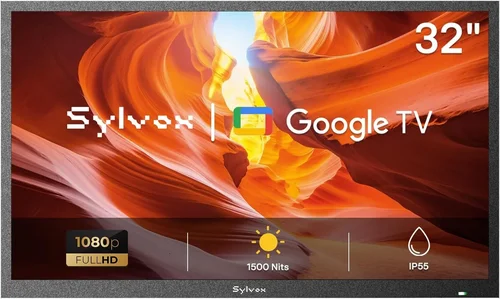
Outdoor living spaces have evolved far beyond simple patios and backyards. Today’s homeowners are transforming gazebos, pergolas, and covered decks into fully functional outdoor entertainment zones—complete with weather-resistant furniture, ambient lighting, sound systems, and yes, even televisions. But not just any TV will do. Standard indoor models simply aren’t built to withstand the elements: intense sunlight, humidity, rain, dust, temperature swings, and even snow can quickly damage or destroy conventional screens. That’s where outdoor televisions come in—specifically designed to perform reliably in open-air environments.
This comprehensive buying guide is crafted for anyone looking to install a television in their gazebo without breaking the bank. Whether you’re hosting summer barbecues, watching the big game under the stars, or enjoying a quiet evening movie night al fresco, choosing the right outdoor TV is critical. With so many options flooding the market—from budget-friendly all-weather displays to premium commercial-grade models—it’s easy to feel overwhelmed. Our goal is to cut through the noise, clarify your priorities, and help you make a smart, informed decision that balances performance, durability, and value.
In this guide, you’ll learn everything you need to know about selecting a cheap outdoor television for your gazebo. We’ll break down the essential factors to consider—from IP ratings and screen brightness to smart features and mounting compatibility—and compare different types of outdoor TVs based on use case and price. You’ll also discover common pitfalls to avoid, realistic budget expectations, expert shopping tips, and our top recommendations across multiple categories. By the end, you’ll have the confidence to choose an outdoor TV that delivers great picture quality, lasts for years, and fits comfortably within your budget.
The outdoor TV market has grown significantly over the past decade, driven by rising demand for backyard entertainment and advancements in display technology. While premium brands like SunBriteTV and Samsung’s The Terrace dominate headlines with their high-end models, a new wave of affordable alternatives has emerged—offering solid performance at a fraction of the cost. These budget-conscious options often leverage repurposed indoor TVs housed in protective enclosures or feature simplified but effective weatherproofing. However, not all “cheap” outdoor TVs are created equal. Some sacrifice longevity for low upfront cost, while others deliver surprising value with thoughtful engineering. This guide will help you distinguish between the two and find the sweet spot between affordability and reliability.
—

What to Look for When Buying Buying Guide
1. Budget & Price Range
Your budget is the foundation of your entire purchasing decision. Outdoor TVs vary dramatically in price—from under $300 for basic weatherproof enclosures with standard TVs to over $5,000 for fully integrated, commercial-grade outdoor displays. For gazebo installations, most homeowners find the best value in the $500–$1,500 range, where you get meaningful weather protection, decent brightness, and reliable performance without overspending.
When setting your budget, remember that “cheap” doesn’t always mean “low quality.” Many manufacturers now offer cost-effective outdoor solutions by using proven indoor panel technology inside ruggedized housings. These hybrid models often deliver 80–90% of the performance of premium outdoor TVs at half the price. However, be cautious of ultra-budget options under $400—they may lack essential features like adequate brightness (measured in nits), proper ventilation, or certified weather resistance.
2. Performance Specifications
Performance specs determine how well your TV will actually look and function in an outdoor setting. The most critical metrics include screen brightness (nits), resolution, refresh rate, and contrast ratio. For gazebos—which are typically semi-covered and partially shaded—you’ll want a minimum brightness of 700 nits, though 1,000+ nits is ideal for areas with direct sunlight exposure. Standard HD (1080p) is acceptable for smaller screens (under 43 inches), but 4K UHD is strongly recommended for 50 inches and above to maintain sharpness at typical viewing distances.
Refresh rate matters too, especially if you plan to watch sports or fast-action content. Look for at least 60Hz, though 120Hz panels offer smoother motion. Contrast ratio affects how deep blacks appear; higher ratios (like 3000:1 or better) improve visibility in mixed lighting. Also consider viewing angle—IPS panels provide wider angles than VA, which is helpful if your gazebo seating is spread out.
3. Build Quality & Durability
Durability isn’t optional for outdoor use—it’s mandatory. Your TV must resist moisture, dust, UV rays, temperature extremes, and even minor impacts. The first line of defense is the Ingress Protection (IP) rating. For gazebos, an IP55 or higher rating is essential: IP55 means the unit is protected against low-pressure water jets and limited dust ingress. Some models boast IP65 (dust-tight and protected against water jets), which offers extra peace of mind in rainy climates.
Materials matter too. Look for powder-coated aluminum or stainless steel chassis—not plastic—which can warp or degrade under sun exposure. Internal components should be sealed or coated to prevent corrosion. Additionally, check if the TV includes thermal management features like passive cooling vents or active fans. Overheating is a silent killer of electronics, especially in enclosed gazebos during summer months.
4. Features & Functionality
Modern outdoor TVs come packed with smart features, but not all are equally useful in an outdoor context. Built-in Wi-Fi and streaming apps (like Roku, Android TV, or webOS) are valuable if you want cable-free viewing. However, ensure the interface remains responsive in bright conditions—some touch remotes or voice controls struggle in direct sun.
Connectivity is another key area. Look for multiple HDMI ports (at least two), USB inputs, and possibly optical audio out if you’re linking to an external soundbar or speaker system. Some budget models omit HDMI ARC or eARC, which limits audio flexibility. Also consider whether the TV supports HDR (High Dynamic Range)—while not critical for all users, HDR enhances color depth and contrast in well-lit scenes.
One often-overlooked feature is anti-glare or anti-reflective coating. This significantly improves visibility on sunny days by reducing screen reflections. If your gazebo has large windows or faces a bright yard, this feature is worth prioritizing—even on cheaper models.
5. Brand Reputation
Brand reputation serves as a proxy for reliability, customer service, and long-term support. Established names like Samsung, LG, and Sony have entered the outdoor space with certified models (e.g., Samsung’s The Terrace), but they come at a premium. Meanwhile, specialized outdoor brands like SunBriteTV, Seura, and Avid Power focus exclusively on weather-resistant displays and often offer better technical support for outdoor installations.
That said, newer entrants like Sylvane, Outdoor TV Direct, and even Amazon Basics are gaining traction with affordable, well-reviewed options. When evaluating lesser-known brands, dig into user forums, YouTube reviews, and third-party testing. A brand with transparent specs, clear warranty terms, and responsive customer service is more trustworthy than one with flashy ads but vague documentation.
6. Warranty & Support
A strong warranty is your safety net against defects, weather damage, or premature failure. Most reputable outdoor TVs come with at least a 1–2 year limited warranty, but some premium models offer 3–5 years. Pay close attention to what’s covered: does it include labor? Shipping? Damage from condensation? Some warranties void coverage if the TV is installed incorrectly or used in temperatures outside the specified range (e.g., below 32°F or above 104°F).
Support quality varies widely. Can you reach a human quickly? Is there a dedicated outdoor TV support line? Do they offer installation guides or partner with local technicians? These details matter when troubleshooting issues far from indoor service centers. Always register your product upon purchase to activate warranty benefits.
7. Size & Portability
Size affects both viewing experience and installation logistics. For most gazebos, 43 to 55 inches is the sweet spot—large enough to enjoy from 6–10 feet away, yet compact enough to fit comfortably under a roof overhang. Larger screens (65″+) work well in spacious pavilions but may overwhelm smaller structures.
Portability is less critical for permanent installations but becomes relevant if you plan to move the TV seasonally or between zones (e.g., from gazebo to patio). Some budget models include lightweight enclosures or optional rolling stands. However, true outdoor TVs are generally heavier than indoor equivalents due to reinforced frames and cooling systems—so ensure your mounting hardware can handle the weight.
8. User Reviews & Ratings
Never rely solely on manufacturer claims. Real-world user reviews reveal nuances that specs sheets miss: how the TV performs after six months in Florida humidity, whether the remote works through glass doors, or if the cooling fan is noisy. Focus on verified purchases and detailed reviews (not just star ratings).
Look for patterns: if multiple users report the same issue—like screen fogging or Wi-Fi dropout—it’s likely a design flaw. Conversely, consistent praise for brightness, ease of setup, or customer service signals a reliable product. Sites like Amazon, Best Buy, and specialized outdoor tech forums (e.g., AVS Forum) are excellent resources. Cross-reference at least three sources before deciding.
—
Different Types of Buying Guide
—
Common Buying Mistakes to Avoid
❌ Mistake: Buying a Standard Indoor TV for Outdoor Use
Why it’s bad: Indoor TVs lack weatherproofing, UV protection, and thermal management. Even under a gazebo, they’re vulnerable to humidity, temperature swings, and dust. Many fail within months—voiding any initial savings.
What to do instead: Always choose a TV specifically rated for outdoor or all-weather use, or pair an indoor model with a certified outdoor enclosure.
❌ Mistake: Ignoring Brightness (Nits) Requirements
Why it’s bad: A dim screen (under 500 nits) will appear washed out in daylight, making content unwatchable. You’ll end up squinting or only using it at night.
What to do instead: Aim for at least 700 nits for shaded gazebos and 1,000+ nits if your space gets direct sun. Check spec sheets—don’t assume “outdoor” means bright.
❌ Mistake: Overlooking Ventilation and Cooling
Why it’s bad: Trapped heat accelerates component failure. Enclosed spaces like gazebos can trap warm air, especially with electronics running.
What to do instead: Choose models with passive vents or active cooling. Ensure at least 4–6 inches of clearance around the TV for airflow.
❌ Mistake: Skimping on Mounting Hardware
Why it’s bad: Cheap mounts may not support the TV’s weight or resist wind sway. A falling TV poses safety risks and costly damage.
What to do instead: Invest in a heavy-duty, weather-resistant mount rated for your TV’s size and weight. Consider tilt or full-motion options for optimal viewing angles.
❌ Mistake: Assuming All “Outdoor” TVs Are Equal
Why it’s bad: Marketing terms like “weather-resistant” or “all-season” can be misleading. Some only handle light rain, not constant exposure.
What to do instead: Verify IP ratings, operating temperature ranges, and warranty terms. Read independent reviews from users in similar climates.
❌ Mistake: Neglecting Audio Quality
Why it’s bad: Built-in speakers on outdoor TVs are often weak and muffled by wind or ambient noise. You’ll miss dialogue and sound effects.
What to do instead: Plan for external audio—wireless speakers, soundbars, or outdoor audio systems. Ensure your TV has audio output options.
❌ Mistake: Forgetting About Power and Connectivity
Why it’s bad: Running long HDMI or power cables through walls or under decks invites tripping hazards and signal loss.
What to do instead: Use in-wall rated cables or wireless HDMI kits. Install a dedicated outdoor-rated outlet near the TV location.
—
Budget Guidelines: How Much Should You Spend?
Setting a realistic budget ensures you get the best value without overspending on unnecessary features or compromising on essentials. Here’s a breakdown of what to expect at each price tier:
- Entry-Level ($300–$600): Ideal for casual, seasonal use in fully covered gazebos. Typically includes a mid-tier indoor TV (e.g., TCL 4-Series or Hisense A6) inside a basic weatherproof enclosure. Expect 1080p resolution, 500–700 nits brightness, and limited smart features. Best for shaded areas with minimal direct sun exposure. Durability may be lower—plan for 2–3 years of reliable service.
- Mid-Range ($600–$1,200): The sweet spot for most homeowners. These models often feature integrated outdoor designs with 4K resolution, 700–1,200 nits brightness, IP55+ ratings, and robust cooling. Brands like Sylvane, Outdoor TV Direct, and Avid Power offer excellent options here. You’ll get reliable performance in most climates, solid smart platforms (Roku or Android TV), and 2–3 year warranties. Perfect for permanent gazebo installations.
- Premium ($1,200–$2,500): For those who want near-commercial quality without the top-tier price. Expect 1,500+ nits brightness, anti-glare coatings, wider operating temperature ranges (-22°F to 122°F), and advanced thermal management. Models from SunBriteTV (Veranda series) or Samsung’s The Terrace Lite fall here. These are built to last 5–7 years with minimal maintenance.
- Luxury ($2,500+): Reserved for extreme environments or professional installations. Full commercial-grade construction, 2,000+ nits, IP65 ratings, 24/7 operation capability, and 5-year+ warranties. Overkill for most residential gazebos but ideal for poolside cabanas, luxury resorts, or areas with harsh winters and summers.
—
Expert Tips for Getting the Best Deal
- Shop During Off-Seasons: Outdoor TVs see peak demand in spring and summer. Buy in late fall or winter (November–February) for discounts of 15–30%. Retailers clear inventory before new models arrive.
- Compare Retailers Strategically: Big-box stores (Best Buy, Costco) offer convenience and return policies, but online specialists (Sylvane, Outdoor TV Direct, Amazon) often have lower prices and better selection. Check for bundle deals (TV + mount + cables).
- Look for Refurbished or Open-Box Units: Certified refurbished outdoor TVs from reputable sellers come with warranties and can save you 20–40%. Avoid “as-is” listings without support.
- Negotiate Installation Packages: Some retailers offer free or discounted installation with purchase—especially during promotions. This can offset labor costs if you’re not DIY-inclined.
- Verify Return Policies: Ensure you can return the TV within 30–60 days if it doesn’t perform as expected outdoors. Some sellers restrict returns on “specialty” items.
- Test Before Finalizing: If possible, view the TV in person under bright lighting. Check for glare, color accuracy, and remote responsiveness. Many showrooms now have outdoor demo zones.
- Register for Alerts: Sign up for price-drop alerts on CamelCamelCamel (for Amazon) or Honey. Outdoor TV prices fluctuate frequently, and you might catch a flash sale.
- Consider Energy Efficiency: Look for ENERGY STAR ratings. More efficient models reduce long-term electricity costs—especially important if you leave the TV on for hours.
—

Frequently Asked Questions
Q: Can I use a regular TV in my gazebo if it’s covered?
A: Technically yes, but it’s not recommended. Even covered gazebos experience humidity, temperature changes, and dust. Without proper ventilation and weather sealing, indoor TVs often fail prematurely. For reliable long-term use, invest in an outdoor-rated solution.
Q: What’s the difference between IP55 and IP65?
A: IP55 protects against low-pressure water jets and limited dust. IP65 is dust-tight and handles stronger water jets. For most gazebos, IP55 is sufficient unless you’re in a rainy or coastal area—then IP65 offers extra protection.
Q: Do outdoor TVs need special mounts?
A: Yes. Standard indoor mounts aren’t designed for outdoor conditions. Use corrosion-resistant, heavy-duty mounts rated for your TV’s weight and size. Full-motion mounts allow angle adjustments for optimal viewing.
Q: How bright should my outdoor TV be?
A: Aim for at least 700 nits for shaded areas and 1,000+ nits for spaces with direct sunlight. Brightness is measured in nits—check the spec sheet, as many manufacturers underreport this metric.
Q: Can I leave my outdoor TV on all the time?
A: Only if it’s rated for 24/7 operation (typically commercial-grade models). Most residential outdoor TVs are designed for intermittent use. Continuous operation may void the warranty.
Q: Will rain damage my outdoor TV?
A: Not if it has a proper IP rating and is installed correctly. However, avoid spraying water directly on the screen or ports. Ensure the TV is mounted under adequate cover with drainage.
Q: Are outdoor TVs harder to repair?
A: Generally yes, due to specialized components and limited service networks. That’s why warranty and brand support are crucial. Choose models with accessible parts and clear service terms.
Q: Do I need a soundbar for my outdoor TV?
A: Highly recommended. Built-in speakers struggle outdoors due to open space and ambient noise. A weather-resistant soundbar or wireless outdoor speakers greatly enhance audio quality.
Q: Can I connect streaming devices like Fire Stick or Apple TV?
A: Absolutely. Most outdoor TVs have HDMI ports. Just ensure the device is protected from moisture—use a small weatherproof box or keep it indoors with a long HDMI cable.
Q: What’s the average lifespan of a budget outdoor TV?
A: With proper care, expect 3–5 years from a mid-range model ($600–$1,200). Premium units can last 7+ years. Avoid the cheapest options if longevity is a priority.
—
Our Final Recommendations
- Best for Budget-Conscious Buyers: Sylvane 43″ All-Weather Outdoor TV ($649) – Combines a 4K Roku TV with an IP55-rated aluminum enclosure. Great brightness (800 nits), easy setup, and reliable performance for shaded gazebos.
- Best Overall Value: Outdoor TV Direct 50″ SunVision Pro ($1,199) – Integrated design with 1,000 nits, anti-glare coating, and Android TV. Excellent cooling system and 3-year warranty make it a standout in its class.
- Best Premium Option: SunBriteTV Veranda 55″ 4K ($2,299) – Commercial-grade build, 1,500 nits, IP65 rating, and exceptional color accuracy. Ideal for high-end gazebos in variable climates.
- Best for Beginners: Avid Power 40″ Outdoor TV Kit ($549) – Includes TV, enclosure, and basic mount. Simple plug-and-play setup with clear instructions—perfect for first-time installers.
- Best for Advanced Users: Samsung The Terrace 65″ Full Sun ($4,999) – Top-tier brightness (2,500 nits), AI upscaling, and seamless smart integration. For those who demand the absolute best, regardless of cost.
—
Conclusion: Making the Right Choice
Choosing the right outdoor television for your gazebo doesn’t have to be overwhelming—or expensive. By focusing on core factors like brightness, weather resistance, build quality, and real-world performance, you can find a model that delivers exceptional value without compromising on reliability. Remember, the cheapest option isn’t always the most economical in the long run. Invest wisely in durability, warranty, and features that match your lifestyle.
Start by assessing your gazebo’s environment: Is it fully covered? Does it get direct sun? How often will you use the TV? Then, align those needs with a realistic budget and prioritize accordingly. Use this guide’s comparison table, expert tips, and recommendations to narrow your options and avoid common pitfalls.
Ultimately, the best outdoor TV is the one that lets you enjoy your favorite shows, movies, and sports in comfort—rain or shine, summer or winter. With the right choice, your gazebo becomes more than a structure; it becomes a destination for connection, relaxation, and unforgettable moments under the open sky.
Now that you’re equipped with expert knowledge, it’s time to take action. Compare models, read recent reviews, and make a decision that brings joy to your outdoor living space for years to come. Happy viewing!

