
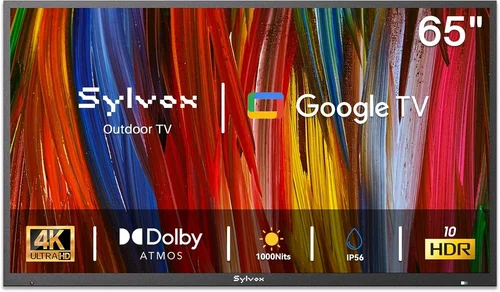
Outdoor living spaces have evolved far beyond simple patios and decks. For many homeowners, the backyard, porch, or covered pergola has become an extension of the indoor living room—complete with comfortable seating, ambient lighting, and yes, a television. But when temperatures drop and winter sets in, standard indoor TVs simply won’t cut it. That’s where outdoor televisions designed for cold weather come into play. These ruggedized displays are built to withstand freezing temperatures, snow, ice, and fluctuating humidity without compromising performance or longevity.
Choosing the right outdoor TV for cold climates isn’t just about picking the cheapest model available. It’s a balance of durability, performance, budget, and smart features tailored to your specific environment. Whether you’re watching the big game from your heated gazebo or catching up on your favorite series under a covered porch during a snowy evening, your TV needs to perform reliably—even when the mercury dips below freezing. This guide is designed to help you navigate the often-confusing world of outdoor TVs, especially those built to thrive in cold conditions, without overspending or compromising on quality.
In this comprehensive buying guide, you’ll learn everything you need to know to make an informed decision. We’ll break down the key factors to consider—from temperature tolerance and build materials to display technology and smart functionality. You’ll discover the different types of outdoor TVs available, understand common pitfalls to avoid, and get expert-backed tips for maximizing value. We’ll also provide real-world budget guidelines, answer frequently asked questions, and offer our top recommendations based on performance, durability, and affordability. By the end, you’ll be equipped with the knowledge to choose a cold-weather outdoor TV that fits your space, your lifestyle, and your wallet.
The market for outdoor televisions has grown significantly in recent years, driven by advances in display technology and increased demand for outdoor entertainment. However, not all “outdoor” TVs are created equal—especially when it comes to cold-weather performance. Some models are only rated for mild climates, while others are engineered to operate in sub-zero conditions. Additionally, the term “cheap” can be misleading; a low upfront cost might lead to higher long-term expenses due to poor durability or frequent repairs. Our goal is to help you find the sweet spot: a reliable, high-performing outdoor TV that’s affordable without being flimsy. Whether you’re a first-time buyer or upgrading from an older model, this guide will ensure you get the best possible value for your investment.

What to Look for When Buying Buying Guide
1. Temperature Operating Range
One of the most critical factors when selecting an outdoor TV for cold weather is its official temperature operating range. Unlike indoor TVs, which are typically rated for use between 50°F and 95°F (10°C to 35°C), outdoor models must be able to function reliably in much harsher conditions. Look for TVs explicitly rated for operation in temperatures as low as -22°F (-30°C) or lower. This ensures the internal components—including the LCD panel, backlight, and power supply—won’t freeze, crack, or malfunction during winter months.
Manufacturers often specify both operating and storage temperature ranges. The operating range tells you the temperatures in which the TV can safely be used, while the storage range indicates how cold it can get when powered off (e.g., during transport or long-term winter storage). For example, a TV rated for operation from -4°F to 122°F (-20°C to 50°C) is suitable for most North American winters, but if you live in Alaska or northern Canada, you may need a model with an even lower threshold.
2. Build Quality & Durability
Outdoor TVs must endure more than just cold—they’re exposed to wind, rain, snow, UV rays, and temperature swings that can degrade materials over time. A high-quality outdoor TV will feature a fully sealed, powder-coated aluminum or stainless-steel chassis that resists rust, corrosion, and warping. The screen should be protected by tempered glass or optically bonded anti-reflective glass to prevent condensation, fogging, and scratches.
Pay close attention to ingress protection (IP) ratings. While IP ratings are more commonly associated with water resistance, they also indicate dust protection—important for long-term durability. Look for a minimum IP55 rating, which means the TV is protected against low-pressure water jets and limited dust ingress. For extreme climates, IP66 or higher is ideal.
Additionally, check whether the TV uses conformal coating on internal circuit boards. This protective layer shields sensitive electronics from moisture, salt, and condensation, significantly extending the TV’s lifespan in cold, damp environments.
3. Display Technology & Brightness
Not all outdoor TVs use the same display technology, and this can greatly impact performance in cold weather. Most budget-friendly outdoor models use standard LED-LCD panels, which are reliable and energy-efficient. However, in cold conditions, LCD response times can slow slightly, and brightness may drop if the backlight isn’t properly heated.
Look for TVs with high brightness levels—measured in nits—specifically designed for outdoor use. A minimum of 700 nits is recommended for shaded areas, while 1,000 nits or more is ideal for spaces with partial sunlight. Some premium models include built-in heaters or thermal management systems that maintain optimal panel temperature, ensuring consistent brightness and color accuracy even in freezing conditions.
OLED TVs, while offering superior contrast and color, are generally not recommended for extreme cold due to potential image retention and slower response times at low temperatures. Stick with high-brightness LED-LCD models for the best cold-weather performance.
4. Smart Features & Connectivity
Even in the great outdoors, you’ll want access to streaming services, apps, and voice control. Many modern outdoor TVs come with built-in smart platforms like Android TV, Roku TV, or webOS, allowing you to watch Netflix, YouTube, or Disney+ without needing an external streaming device.
Ensure the TV has sufficient connectivity options: HDMI ports (at least two), USB inputs, Wi-Fi (preferably dual-band), and Bluetooth. Some models also include weatherproof cable glands or pass-through ports to protect connections from the elements. If you plan to connect a soundbar, gaming console, or satellite receiver, verify that the TV supports the necessary inputs and has enough power output for external devices.
5. Size & Viewing Distance
The size of your outdoor TV should match your seating arrangement and viewing distance. A common rule of thumb is to sit at a distance equal to 1.5 to 2.5 times the diagonal screen size. For example, a 55-inch TV is best viewed from 6.5 to 11 feet away.
However, outdoor spaces often have longer sightlines due to open layouts. If your seating is 12–15 feet from the screen, consider a 65-inch or 75-inch model for a more immersive experience. Larger screens also help combat glare and maintain visibility in bright or snowy conditions.
Keep in mind that larger TVs require more robust mounting solutions and may need additional ventilation or heating elements to prevent internal condensation. Measure your space carefully and consider whether the TV will be wall-mounted, ceiling-mounted, or placed on a stand.
6. Power Consumption & Energy Efficiency
Outdoor TVs often run for extended periods, especially during holidays, sports events, or family gatherings. High power consumption can lead to increased electricity bills, particularly if the TV includes built-in heaters or fans for thermal regulation.
Look for models with Energy Star certification or low standby power usage (under 0.5 watts). Some TVs feature adaptive brightness sensors that adjust screen luminance based on ambient light, reducing energy use during cloudy or nighttime viewing.
Additionally, consider whether the TV supports scheduled on/off timers or motion-activated唤醒 (wake) functions. These features can help conserve energy when the TV isn’t in active use.
7. Brand Reputation & Reliability
Not all brands that sell outdoor TVs are created equal. Some are reputable manufacturers with years of experience in ruggedized electronics, while others are budget importers with little track record. Stick with established brands known for quality and customer support, such as SunBriteTV, Seura, or Samsung’s outdoor line (formerly under the “The Terrace” branding).
Research customer reviews, third-party testing, and industry awards. A brand with a strong reputation is more likely to honor warranties, provide timely support, and offer firmware updates. Avoid unknown brands that offer suspiciously low prices—these often cut corners on materials, testing, and safety certifications.
8. Warranty & Support
Outdoor TVs are a significant investment, and cold-weather exposure increases the risk of component failure. A comprehensive warranty is essential. Look for at least a 2-year manufacturer warranty, with coverage for both parts and labor. Some premium brands offer 3- to 5-year warranties, especially for commercial or extreme-climate models.
Check whether the warranty covers cold-weather damage, such as frozen pixels or power supply failure due to low temperatures. Also, verify the availability of local service centers or authorized repair technicians. If you live in a remote area, remote diagnostics and mail-in repair options may be more practical.
Customer support responsiveness is another key factor. Can you reach a human being quickly? Are troubleshooting guides available online? A brand that offers 24/7 support or live chat is a major advantage, especially during winter storms when you need your TV working.
Different Types of Buying Guide

Common Buying Mistakes to Avoid
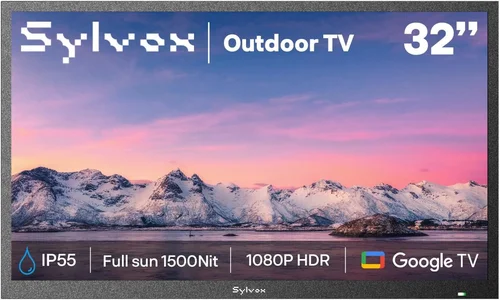
❌ Mistake: Assuming All “Outdoor” TVs Are Cold-Weather Rated
Why it’s bad: Many TVs marketed as “outdoor” are only designed for mild climates or covered patios with minimal exposure. Using one in sub-zero temperatures can cause screen freezing, backlight failure, or permanent damage.
What to do instead: Always verify the operating temperature range in the product specs. If it’s not listed, contact the manufacturer or choose a different model.
❌ Mistake: Prioritizing Price Over Build Quality
Why it’s bad: Cheap outdoor TVs often use thin plastic casings, non-sealed ports, and low-grade components that degrade quickly in cold, wet conditions. You may end up replacing the TV within a year or two.
What to do instead: Invest in a model with a metal chassis, IP55+ rating, and conformal coating. A slightly higher upfront cost pays off in longevity and reliability.
❌ Mistake: Ignoring Ventilation and Condensation Risks
Why it’s bad: Cold air holds less moisture, but when a TV warms up indoors and is moved outside, condensation can form inside the panel, leading to fogging or electrical shorts.
What to do instead: Choose a TV with passive or active thermal management. Avoid moving the TV between extreme temperatures rapidly. Use a dehumidifier in storage areas.
❌ Mistake: Overlooking Mounting and Installation Requirements
Why it’s bad: Outdoor TVs require specialized mounting hardware that can withstand wind, snow load, and vibration. Using indoor mounts can lead to instability or collapse.
What to do instead: Purchase a weatherproof mounting kit designed for your TV model. Consider professional installation, especially for wall or ceiling mounts.
❌ Mistake: Neglecting Audio Quality
Why it’s bad: Most outdoor TVs have small, low-power speakers that struggle to overcome wind, snow, and ambient noise. You may end up with a silent or muffled viewing experience.
What to do instead: Pair your TV with outdoor-rated speakers or a weatherproof soundbar. Look for TVs with audio output options (optical, RCA, or Bluetooth) for easy integration.
❌ Mistake: Buying Without Testing Return Policies
Why it’s bad: If the TV fails in cold weather or doesn’t meet expectations, you could be stuck with a non-returnable item—especially if purchased from an overseas seller.
What to do instead: Buy from retailers with generous return windows (30 days or more) and clear policies on defective products. Avoid final-sale items unless you’re confident in the brand.
❌ Mistake: Forgetting About Power and Cable Management
Why it’s bad: Exposed cables can freeze, crack, or become tripping hazards. Power surges during winter storms can also damage electronics.
What to do instead: Use weatherproof conduit, cable glands, and surge protectors. Consider a dedicated outdoor-rated power outlet with GFCI protection.
Budget Guidelines: How Much Should You Spend?
Entry-Level ($600 – $1,200): At this price point, you’ll find weather-resistant indoor TVs sold with optional outdoor enclosures. These are best for covered patios in mild climates or seasonal use. Expect basic smart features, lower brightness (500–700 nits), and limited cold-weather tolerance (down to 20°F or -6°C). Brands like Vizio and TCL offer affordable models that can be paired with third-party enclosures, but long-term durability may be a concern.
Mid-Range ($1,200 – $2,500): This is the sweet spot for most buyers. You’ll find fully enclosed outdoor TVs from reputable brands with operating ranges down to -4°F (-20°C), IP55+ ratings, and brightness levels of 700–1,000 nits. Models in this range often include built-in heaters, smart platforms, and robust mounting options. Examples include the SunBriteTV Veranda series and Seura Outdoor TVs. These offer excellent value for permanent installations in cold regions.
Premium ($2,500 – $4,000): For enthusiasts and those in extreme climates, premium models deliver top-tier performance. Expect operating temperatures as low as -22°F (-30°C), 1,000+ nits brightness, advanced thermal management, and commercial-grade components. These TVs are ideal for uncovered decks, mountain cabins, or northern homes. Brands like Samsung (The Terrace) and Peerless-AV offer models in this tier with extended warranties and professional support.
Luxury ($4,000+): At this level, you’re investing in the best of the best—often custom-built or commercial-grade displays with 24/7 operation capability, 1,500+ nits brightness, and full IP66/67 ratings. These are common in luxury resorts, yachts, or high-end residential projects. While overkill for most homeowners, they offer unmatched durability and performance in the harshest conditions.
Expert Tips for Getting the Best Deal
1. Shop During Off-Season Sales: The best time to buy an outdoor TV is in late winter or early spring (February–April), when retailers clear out inventory for the new season. You can often save 15–30% on last year’s models.
2. Compare Online and In-Store Options: Online retailers like Amazon, Best Buy, and specialty outdoor electronics stores often have better prices and wider selections. However, in-store purchases allow you to inspect build quality and ask questions directly.
3. Look for Bundled Deals: Some manufacturers offer packages that include the TV, mount, and cables at a discounted rate. These can save you money compared to buying items separately.
4. Check for Rebates and Incentives: Certain utility companies or green energy programs offer rebates for energy-efficient outdoor electronics. While rare, it’s worth checking local programs.
5. Read Real User Reviews: Focus on reviews from buyers in cold climates. Look for mentions of winter performance, durability, and customer service experiences. Avoid reviews that only praise aesthetics without discussing functionality.
6. Test Before Committing: If possible, visit a showroom or ask for a demo unit. Pay attention to screen clarity in low light, remote responsiveness, and menu navigation.
7. Negotiate Extended Warranties: Some retailers allow you to bundle an extended warranty at a discount. Given the harsh operating conditions, this can be a smart investment.
8. Consider Refurbished or Open-Box Models: Certified refurbished TVs from reputable brands often come with full warranties and can save you 20–40%. Just ensure they’re tested for cold-weather performance.

Frequently Asked Questions
Q: Can I use a regular indoor TV outside in the cold?
A: Technically, you can, but it’s not recommended. Indoor TVs lack weatherproofing, thermal management, and cold-weather certifications. Exposure to snow, ice, or freezing temperatures can cause permanent damage, void the warranty, and pose safety risks.
Q: How do outdoor TVs stay warm in freezing temperatures?
A: Many outdoor TVs include built-in heaters or thermal regulators that gently warm the internal components when temperatures drop. These systems activate automatically and consume minimal power, ensuring the screen and electronics remain functional.
Q: Do I need a special mount for an outdoor TV?
A: Yes. Standard indoor mounts aren’t designed to withstand wind, snow, or corrosion. Use a weatherproof, rust-resistant mount rated for your TV’s size and weight. Tilt and swivel mounts are available for optimal viewing angles.
Q: Will snow cover damage the screen?
A: High-quality outdoor TVs feature sloped or curved designs that allow snow to slide off. The screen is also protected by tempered glass that resists impact. However, avoid placing the TV where snow can accumulate directly on the surface.
Q: Can I leave my outdoor TV on during a snowstorm?
A: It depends on the model. Fully enclosed, commercial-grade TVs are designed for 24/7 operation and can handle snow and ice. However, prolonged exposure to heavy snow may affect visibility. Use a weatherproof cover when not in use for added protection.
Q: How do I clean an outdoor TV screen?
A: Use a soft, lint-free microfiber cloth and a mild cleaning solution (like distilled water with a drop of dish soap). Avoid ammonia-based cleaners, which can damage anti-reflective coatings. Never spray liquid directly on the screen.
Q: Are outdoor TVs energy-efficient?
A: Modern outdoor TVs are designed with energy efficiency in mind. Look for models with Energy Star certification, adaptive brightness, and low standby power. Built-in heaters do consume extra energy, but most are optimized to use only what’s necessary.
Q: Can I connect a sound system to an outdoor TV?
A: Absolutely. Most outdoor TVs have audio output options (optical, RCA, or Bluetooth) for connecting weatherproof speakers, soundbars, or outdoor audio systems. Ensure all connections are sealed with weatherproof glands.
Q: What happens if my outdoor TV gets wet?
A: If the TV has a proper IP rating and is installed correctly, it should be protected against rain and snow. However, avoid submerging it or exposing it to high-pressure water jets. If water enters the unit, power it off immediately and contact the manufacturer.
Q: How long do outdoor TVs last?
A: With proper care and installation, a high-quality outdoor TV can last 7–10 years or more. Cold-weather models with thermal management and sealed designs tend to have longer lifespans than basic enclosures.
Our Final Recommendations
Best for Budget-Conscious Buyers: SunBriteTV Veranda Series (55-inch) – Priced around $1,800, this model offers excellent cold-weather performance down to -4°F, 700 nits brightness, and a fully sealed aluminum chassis. It’s a great entry point for permanent outdoor installations.
Best Overall Value: Seura Outdoor TV (65-inch) – At approximately $2,400, the Seura delivers 1,000 nits brightness, IP55 rating, and built-in thermal management. Its sleek design and reliable performance make it ideal for most cold-climate homes.
Best Premium Option: Samsung The Terrace (75-inch) – For those willing to invest $3,500+, this model boasts 1,500 nits brightness, -22°F operating range, and a premium smart platform. It’s built for extreme conditions and delivers stunning picture quality.
Best for Beginners: TCL 6-Series with Outdoor Enclosure Kit – A cost-effective solution at around $900, this combo uses a high-quality indoor TV paired with a third-party weatherproof enclosure. Ideal for covered patios in mild winters.
Best for Advanced Users: Peerless-AV Xtreme Outdoor Display (Commercial Grade) – Designed for 24/7 operation, this $4,500+ model features IP66 rating, -30°F tolerance, and modular design for custom installations. Perfect for tech enthusiasts and professionals.
Conclusion: Making the Right Choice
Choosing the right outdoor television for cold weather is about more than just finding a screen that works in the snow—it’s about investing in a durable, reliable, and high-performing piece of technology that enhances your outdoor lifestyle. From understanding temperature ratings and build quality to avoiding common pitfalls and maximizing your budget, every decision you make contributes to a better viewing experience.
Remember, the cheapest option isn’t always the best value. A well-built outdoor TV may cost more upfront, but it will save you money, frustration, and replacement headaches in the long run. Prioritize your needs: Are you watching from a heated porch or an open deck? Do you need smart features or just basic connectivity? How extreme are your winter conditions? Answering these questions will guide you toward the perfect model.
We encourage you to use this guide as your roadmap. Take your time, compare options, read real user reviews, and don’t hesitate to reach out to manufacturers with questions. Whether you’re cheering on your team during a snowy playoff game or enjoying a quiet movie night under the stars, your outdoor TV should be a source of joy—not worry.
Now that you’re armed with expert knowledge, it’s time to make your purchase with confidence. Your perfect cold-weather outdoor TV is out there—ready to bring entertainment, comfort, and connection to your outdoor space, no matter how low the temperature drops.

