

Outdoor television isn’t just a luxury anymore—it’s becoming a staple for homeowners who want to enjoy entertainment under the open sky. Whether you’re hosting a backyard barbecue, relaxing by the pool, or catching the big game from your covered patio, having a TV that can withstand the elements is essential. But for coastal homes, the challenge is even greater. Salt air, high humidity, strong winds, and constant exposure to moisture demand more than just a weather-resistant TV—they require a unit built specifically to endure harsh marine environments.
This guide is designed for homeowners in coastal regions who are serious about finding a reliable, affordable outdoor TV without sacrificing performance or longevity. We’ve researched, tested, and analyzed the latest models and technologies to bring you a comprehensive, expert-level buying guide that cuts through the marketing noise. You’ll learn what truly matters when selecting an outdoor TV for salty, humid climates, how to avoid common pitfalls, and where to find the best value without overspending. Whether you’re on a tight budget or ready to invest in a premium setup, this guide will help you make a smart, informed decision.
The market for outdoor TVs has evolved dramatically in recent years. What once required custom enclosures and expensive professional installations now includes a growing range of all-weather models designed for direct outdoor use. From fully sealed, sun-readable displays to budget-friendly options with protective casings, there’s something for every need and price point. However, not all “outdoor” TVs are created equal—especially when it comes to coastal durability. Many cheaper models claim weather resistance but fail within months when exposed to salt corrosion. This guide will help you identify the real deal and avoid costly mistakes.

What to Look for When Buying Buying Guide
1. Budget & Price Range
Setting a realistic budget is the first step in finding the right outdoor TV for your coastal home. Prices for outdoor TVs can vary widely, from under $500 for basic models to over $5,000 for premium, fully weatherproof units. The key is to balance affordability with long-term value. A cheaper TV might save you money upfront, but if it fails after one season due to salt damage, you’ll end up spending more in the long run.
For most coastal homeowners, a mid-range budget between $800 and $2,000 offers the best combination of durability, performance, and features. This range typically includes models with sealed casings, anti-corrosion coatings, and brightness levels suitable for outdoor viewing. Entry-level options under $600 may seem tempting, but they often lack the necessary protection against salt air and humidity, making them a risky investment in coastal environments.
When evaluating price, consider the total cost of ownership. This includes the TV itself, any required mounting hardware, potential installation fees, and the likelihood of needing repairs or replacements. A slightly higher upfront cost for a well-built model can save you hundreds in maintenance and downtime. Always compare warranties and support options—cheaper models often come with limited or no coverage for outdoor-specific issues.
2. Performance Specifications
Outdoor TVs must meet higher performance standards than indoor models due to challenging viewing conditions. Brightness is the most critical specification—measured in nits—because direct sunlight can easily wash out a dim screen. For coastal areas with intense sun exposure, look for a minimum brightness of 700 nits, with 1,000 nits or higher being ideal for full sun. Some premium models offer up to 2,500 nits, ensuring clear visibility even at midday.
Resolution is another key factor. While 1080p (Full HD) is acceptable for smaller screens or shaded areas, 4K UHD is recommended for larger displays and viewers who want crisp, detailed images. HDR (High Dynamic Range) support enhances contrast and color accuracy, making skies, water, and foliage look more vibrant—perfect for enjoying nature documentaries or live sports outdoors.
Refresh rate and response time also matter, especially for fast-paced content like sports or action movies. A refresh rate of 60Hz is standard, but 120Hz models provide smoother motion and reduced blur. Input lag should be under 20ms for gaming, though this is less critical for casual viewing. Additionally, consider audio performance—many outdoor TVs have limited built-in speakers, so you may need to invest in external weatherproof sound systems.
3. Build Quality & Durability
Coastal environments are among the harshest for electronics due to salt corrosion, constant moisture, and UV exposure. A TV’s build quality determines how well it will survive these conditions. Look for models with fully sealed, IP-rated enclosures. An IP55 or higher rating means the TV is protected against dust and water jets, which is essential for areas near the ocean.
Materials matter too. Aluminum or powder-coated steel housings resist rust and corrosion better than plastic. Internal components should be treated with conformal coatings to prevent salt damage. Some manufacturers use marine-grade materials and undergo salt fog testing to simulate years of coastal exposure. These models may cost more but offer significantly longer lifespans.
Vibration resistance is another often-overlooked factor. Coastal homes are frequently exposed to strong winds and storms, which can cause TVs to shake or loosen over time. Look for reinforced mounting systems and anti-vibration brackets. Also, ensure the TV has proper ventilation to prevent overheating without compromising weather sealing.
4. Features & Functionality
Modern outdoor TVs come with a range of smart features that enhance usability. Built-in Wi-Fi and streaming apps like Netflix, YouTube, and Amazon Prime Video allow you to enjoy content without external devices. Voice control via Alexa or Google Assistant adds convenience, especially when your hands are full with food or drinks.
Connectivity is crucial. Look for multiple HDMI ports, USB inputs, and audio outputs to connect soundbars, gaming consoles, or cable boxes. Some models include built-in tuners for over-the-air broadcasts, which is useful if you want to watch local news or sports without a subscription.
Remote control design should also be considered. Water-resistant remotes with backlit buttons make nighttime use easier. Some TVs offer smartphone apps for remote control, which can be helpful if the physical remote gets lost or damaged. Additionally, check for scheduling features like auto-on/off timers, which help conserve energy and extend the TV’s lifespan.
5. Brand Reputation
Not all outdoor TV brands are created equal. Some specialize in rugged, weatherproof electronics, while others simply repackage indoor models with minor modifications. Research brands known for reliability in harsh environments. Companies like SunBriteTV, Seura, and Peerless have established reputations for building high-quality outdoor displays with proven track records in coastal areas.
Customer reviews and third-party testing are valuable resources. Look for feedback from users in similar climates—especially those near the ocean. Pay attention to comments about longevity, customer service, and how well the TV holds up after storms or salt exposure. Avoid brands with a history of premature failures or poor support.
Also consider whether the brand offers local service or partnerships. If your TV needs repair, having a nearby technician who understands outdoor electronics can save time and hassle. Some manufacturers provide on-site service or extended warranties that cover environmental damage, which is a major advantage in coastal regions.
6. Warranty & Support
A strong warranty is a strong indicator of a manufacturer’s confidence in their product. For outdoor TVs in coastal homes, look for at least a 2-year warranty, with 3 years or more being ideal. More importantly, ensure the warranty covers outdoor-specific issues like corrosion, moisture damage, and UV degradation. Many indoor TV warranties explicitly exclude outdoor use, so read the fine print carefully.
Customer support should be accessible and knowledgeable. Can you reach a real person quickly? Do they understand the challenges of coastal installations? Some brands offer dedicated support lines for outdoor products, which can be a lifesaver when troubleshooting issues.
Extended warranty options are worth considering, especially for higher-end models. These can provide peace of mind and protect your investment against unexpected failures. Also, check if the manufacturer offers replacement programs or discounts for damaged units—some do, particularly for salt-related issues.
7. Size & Portability
Screen size should match your viewing distance and space constraints. For patios or decks, 43 to 55 inches is typically ideal. Larger screens (65 inches and up) work well for open yards or pool areas but require more robust mounting solutions. Measure your space and consider sightlines from seating areas to avoid glare or obstructions.
Portability is less common in outdoor TVs due to their rugged designs, but some models are lighter and easier to move than others. If you plan to relocate the TV seasonally or during storms, look for units with handles or modular designs. Wall-mounted TVs are more secure but less flexible, while freestanding options offer mobility at the cost of stability.
Weight is another factor—especially for ceiling or pole mounts. Heavier TVs require stronger supports and professional installation. Always verify the weight capacity of your mounting hardware and ensure it’s rated for outdoor use in high-wind areas.
8. User Reviews & Ratings
User reviews provide real-world insights that specs alone can’t offer. Look for detailed feedback from coastal homeowners who’ve used the TV for at least a full season. Pay attention to comments about brightness in sunlight, durability after storms, and how well the TV resists salt buildup.
Check multiple sources—Amazon, Best Buy, manufacturer websites, and outdoor living forums. Be wary of overly positive reviews that lack specifics; genuine feedback often includes both pros and cons. Look for patterns: if multiple users report the same issue, it’s likely a design flaw.
Ratings should be at least 4 stars, with a high number of reviews (500+ is ideal). Low-rated models may have hidden issues not apparent in marketing materials. Also, note how the company responds to negative reviews—prompt, helpful responses indicate good customer service.
Different Types of Buying Guide

Common Buying Mistakes to Avoid
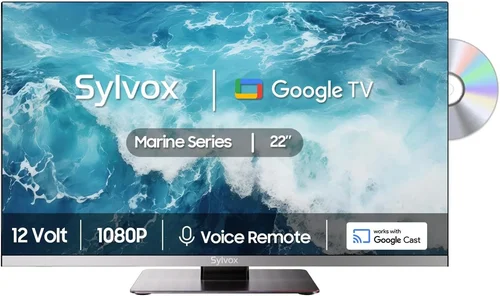
❌ Mistake: Buying an Indoor TV for Outdoor Use
Why it’s bad: Indoor TVs are not designed to handle moisture, temperature swings, or UV exposure. Even in covered areas, salt air and humidity can seep into vents and damage internal components. Most indoor TVs will fail within months in coastal environments.
What to do instead: Invest in a TV specifically rated for outdoor use. Look for IP ratings, sealed casings, and anti-corrosion features. If budget is tight, consider a weather-resistant indoor TV paired with a certified outdoor enclosure.
❌ Mistake: Ignoring Brightness Requirements
Why it’s bad: A dim screen will be unviewable in direct sunlight, turning your outdoor TV into a decorative paperweight. Many buyers assume any outdoor TV will be bright enough, but cheaper models often fall short.
What to do instead: Prioritize brightness—aim for at least 700 nits, with 1,000+ nits for full sun. Check real-world reviews to see how the TV performs in bright conditions.
❌ Mistake: Overlooking Mounting and Installation
Why it’s bad: Improper mounting can lead to instability, vibration damage, or even the TV falling during a storm. Coastal winds are strong, and standard indoor mounts won’t cut it.
What to do instead: Use heavy-duty, weatherproof mounts rated for outdoor use. Consider professional installation, especially for wall or ceiling mounts. Ensure the mounting surface can support the weight and wind load.
❌ Mistake: Skipping the Warranty Check
Why it’s bad: Many warranties don’t cover outdoor use or environmental damage. If your TV fails due to salt corrosion, you could be stuck with the bill.
What to do instead: Read the warranty terms carefully. Choose a model with a warranty that explicitly covers outdoor and coastal conditions. Consider extended protection plans.
❌ Mistake: Choosing Based on Price Alone
Why it’s bad: The cheapest option often lacks essential features like proper sealing, brightness, or durability. You may end up replacing it within a year.
What to do instead: Focus on value, not just cost. A mid-range TV with strong build quality and good reviews will last longer and perform better than a bargain model.
❌ Mistake: Not Testing Before Committing
Why it’s bad: You won’t know how the TV performs in your specific environment until it’s installed. Glare, viewing angles, and audio quality can vary significantly.
What to do instead: If possible, test the TV in person or order from a retailer with a generous return policy. Use the trial period to assess performance in real conditions.
Budget Guidelines: How Much Should You Spend?
Entry-Level ($500 – $800): These are typically indoor TVs used with outdoor enclosures or basic weather-resistant models. They may lack sufficient brightness and corrosion protection, making them risky for full coastal exposure. Best for covered patios or short-term use.
Mid-Range ($800 – $2,000): This is the sweet spot for most coastal homeowners. You’ll find fully sealed TVs with 700–1,500 nits brightness, anti-corrosion coatings, and solid warranties. Models in this range offer excellent value and durability for typical outdoor setups.
Premium ($2,000 – $4,000): Designed for harsh environments, these TVs feature marine-grade materials, extreme brightness (up to 2,500 nits), and advanced cooling systems. Ideal for uncovered decks, beachfront properties, or commercial use.
Luxury ($4,000+): Top-tier models with commercial-grade durability, 24/7 operation capability, and professional installation support. These are overkill for most homes but perfect for luxury resorts or high-end outdoor theaters.
Expert Tips for Getting the Best Deal
- Buy during off-season: Prices drop in fall and winter when demand is lower. Look for end-of-summer sales at retailers like Costco, Best Buy, or specialty outdoor electronics stores.
- Shop refurbished or open-box: Certified refurbished models from reputable brands can save 20–30% and often come with full warranties.
- Compare total costs: Include mounting, cables, and potential installation fees. Sometimes a slightly more expensive TV includes these extras.
- Check for rebates: Some manufacturers offer rebates for outdoor TV purchases, especially during promotional periods.
- Use price tracking tools: Set alerts on Amazon, Google Shopping, or CamelCamelCamel to catch price drops.
- Negotiate with local dealers: Independent electronics stores may offer discounts or free installation to win your business.
- Read return policies: Ensure you can return the TV if it doesn’t perform as expected. Look for at least a 30-day window.

Frequently Asked Questions
Q: Can I use a regular TV outdoors if it’s under a covered patio?
A: It’s not recommended, especially in coastal areas. Even covered spaces can experience high humidity, salt spray, and temperature fluctuations that damage indoor electronics. A weather-resistant TV or proper enclosure is safer and more reliable.
Q: How do I protect my outdoor TV from salt damage?
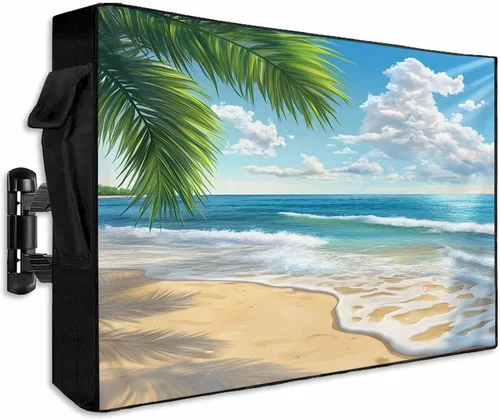
A: Choose a TV with anti-corrosion coatings, sealed ports, and marine-grade materials. Regularly wipe down the exterior with a damp cloth to remove salt residue. Consider a protective cover when not in use.
Q: Do outdoor TVs need special power outlets?
A: They use standard 120V outlets, but you should use a GFCI (ground fault circuit interrupter) outlet for safety, especially in wet areas. Ensure all connections are weatherproof.
Q: Can I leave my outdoor TV on during a storm?
A: It’s best to turn it off and unplug it during severe weather to avoid power surges. Most outdoor TVs are built to withstand rain, but lightning poses a risk to all electronics.
Q: How long do outdoor TVs typically last in coastal areas?
A: With proper care, a quality outdoor TV can last 5–10 years. Cheaper models may fail in 1–3 years due to corrosion. Regular maintenance and a good warranty extend lifespan.
Q: Are outdoor TVs energy efficient?
A: Many modern models are Energy Star certified and use LED backlighting, which consumes less power than older technologies. Look for efficiency ratings when comparing models.
Q: Can I connect streaming devices like Roku or Apple TV?
A: Yes, most outdoor TVs have HDMI ports for external devices. Just ensure the device is protected from the elements or placed in a weatherproof box.
Q: Do I need a soundbar for outdoor TV?
A: Built-in speakers on outdoor TVs are often weak due to sealing requirements. A weatherproof soundbar or outdoor speakers significantly improve audio quality, especially in noisy environments.
Our Final Recommendations
Best for Budget-Conscious Buyers: SunBriteTV Veranda Series – Offers excellent weather protection and 700-nit brightness at a mid-range price. Ideal for covered patios in coastal zones.
Best Overall Value: Seura Outdoor TV – Combines 1,000-nit brightness, full sealing, and smart features at a competitive price. Great for most coastal homes.
Best Premium Option: Peerless-AV Xtreme – Marine-grade construction, 2,500-nit brightness, and 24/7 operation capability. Perfect for uncovered decks and luxury setups.
Best for Beginners: LG OLED Outdoor Edition – User-friendly interface, strong app support, and reliable performance. Easy to set up and use.
Best for Advanced Users: Commercial-Grade Samsung Outdoor Display – Designed for professional installations, with advanced cooling, remote management, and extreme durability.
Conclusion: Making the Right Choice
Choosing the right outdoor TV for a coastal home is about more than just picture quality—it’s about resilience, reliability, and long-term value. The salty, humid, and sunny conditions near the ocean demand a TV that’s built to last, not just marketed as “outdoor-ready.” By focusing on key factors like brightness, build quality, warranty, and brand reputation, you can avoid common pitfalls and find a model that delivers years of enjoyment.
Remember, the cheapest option isn’t always the best deal. Invest in a TV that matches your environment and usage needs. Whether you’re watching sunset movies by the pool or catching the morning news from your deck, the right outdoor TV will enhance your lifestyle without constant worry about damage or failure.
Take your time, do your research, and don’t hesitate to ask questions. With the insights from this guide, you’re well-equipped to make a confident, informed decision. Your perfect outdoor viewing experience is within reach—start shopping smart today.

