
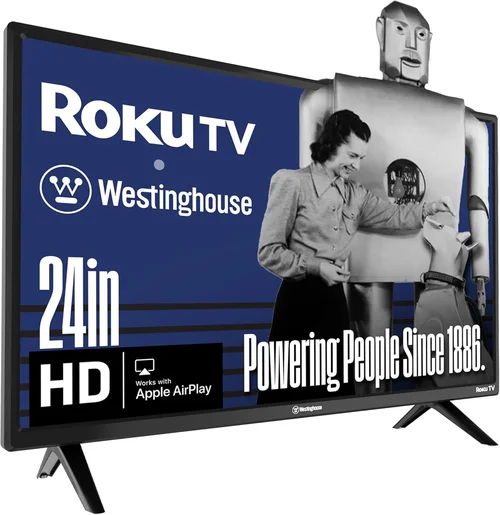
Outdoor living spaces have become extensions of our homes—especially in apartments where private patios, balconies, and rooftop decks offer a rare slice of personal outdoor time. Whether you’re sipping coffee on your 6th-floor balcony at sunrise or hosting friends for a summer movie night under string lights, having a reliable outdoor television can transform your space from functional to fantastic. But here’s the catch: most standard TVs aren’t built to withstand the elements. Sunlight glare, humidity, temperature swings, rain, and dust can quickly turn an indoor TV into a costly paperweight.
That’s why choosing the right outdoor TV isn’t just about picture quality or smart features—it’s about durability, visibility, and value. With so many “cheap” options flooding the market, it’s easy to get lured in by flashy specs or rock-bottom prices that don’t deliver real-world performance. This guide cuts through the noise to help you make a smart, informed decision. Whether you’re on a tight budget or simply want the best bang for your buck, we’ll walk you through everything you need to know to pick an outdoor TV that lasts, performs well, and fits your apartment lifestyle.
By the end of this guide, you’ll understand exactly what makes an outdoor TV different from its indoor counterpart, how to balance cost with quality, and which features truly matter when you’re watching from a breezy balcony or shaded patio. We’ll cover key buying factors, compare popular types, highlight common pitfalls, and share expert tips to help you avoid buyer’s remorse. The outdoor TV market has evolved rapidly in recent years, with more affordable options than ever before—but not all budget models are created equal. Let’s dive in and find the perfect fit for your space, needs, and wallet.

What to Look for When Buying Buying Guide
1. Budget & Price Range
When shopping for a cheap outdoor TV for your apartment, it’s tempting to go straight for the lowest price tag—but that’s often a recipe for disappointment. A true outdoor TV must be engineered to handle environmental stressors like UV exposure, moisture, and temperature fluctuations, which means even budget models come with a premium compared to indoor TVs. That said, you don’t need to break the bank. Most apartment-friendly outdoor TVs fall between $800 and $2,500, with genuinely usable options starting around $600–$700 if you’re willing to compromise slightly on size or smart features.
Set a realistic budget based on how often you’ll use the TV and how long you plan to keep it. If you’re only watching occasionally—say, weekend barbecues or seasonal movie nights—a mid-tier model around $1,000–$1,500 offers excellent durability and performance without over-investing. However, if you live in a high-humidity coastal area or experience extreme seasonal shifts (like freezing winters followed by scorching summers), investing a bit more upfront can save you from premature failure. Always factor in potential installation costs too; some landlords may require professional mounting, which adds $100–$300 to your total spend.
2. Performance Specifications
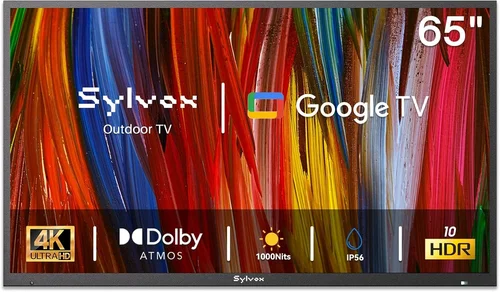
Picture quality outdoors is a whole different ballgame. Bright sunlight can wash out even the most vibrant indoor displays, so brightness—measured in nits—is arguably the most important spec for an outdoor TV. For shaded or covered patios, look for at least 700 nits; for fully exposed areas, aim for 1,000+ nits. Many budget outdoor TVs now feature anti-glare coatings and high-brightness LED or QLED panels that maintain visibility even in direct sun.
Resolution matters too, but don’t over-prioritize 8K unless you’re sitting extremely close (which is unlikely on a small balcony). For most apartment setups, a 4K UHD (3840 x 2160) display provides crisp, detailed images without inflating the price. Refresh rate (60Hz vs. 120Hz) affects motion smoothness—important for sports or action movies—but again, 60Hz is perfectly adequate for casual viewing. Audio is another often-overlooked spec: built-in speakers on outdoor TVs are usually modest, so consider pairing your set with weatherproof Bluetooth speakers or a compact soundbar designed for outdoor use.
3. Build Quality & Durability
This is where cheap indoor TVs fail spectacularly outdoors. An outdoor television must be constructed with sealed enclosures, corrosion-resistant materials, and internal climate control (like passive cooling or sealed vents) to prevent moisture buildup and overheating. Look for aluminum or powder-coated steel chassis—not plastic—which resists rust and warping. The screen itself should be shatter-resistant and treated with UV inhibitors to prevent yellowing or cracking over time.
Even within the “cheap” category, there’s a big difference between a TV that’s merely splash-proof and one built for full outdoor duty. Check the manufacturer’s documentation for operating temperature ranges (typically -30°F to 120°F for quality models) and whether the unit includes a protective rear cover or fanless design. Fanless units are quieter and less prone to dust ingress—ideal for apartment dwellers who value peace and quiet. Avoid any model that lacks explicit outdoor certification or uses vague terms like “durable” without technical backing.
4. Features & Functionality
Smart capabilities are increasingly standard—even on budget outdoor TVs—but not all smart platforms are equal. Roku TV, Android TV, and webOS offer robust app ecosystems and regular updates, while lesser-known systems may lag in performance or security. If you stream heavily, ensure the TV supports Wi-Fi 5 (802.11ac) or better for stable connectivity, especially if your router is indoors and signal strength weakens outdoors.
Connectivity matters too: look for at least three HDMI ports (for streaming devices, gaming consoles, or cable boxes), USB ports for media playback, and optical audio out if you’re adding external speakers. Some models include built-in tuners for over-the-air broadcasts—a nice bonus if you want local news or sports without a subscription. Voice control via Alexa or Google Assistant is handy but not essential; prioritize physical remote reliability, as sunlight can interfere with IR signals. A few budget models now offer Bluetooth remotes, which solve this issue.
5. Brand Reputation
Not all brands that sell “outdoor TVs” actually specialize in them. Companies like SunBriteTV, Seura, and Samsung (with their Terrace line) have years of experience engineering displays for harsh environments. While their premium models can cost $3,000+, they also offer more affordable lines tailored to casual users. Lesser-known brands may cut corners on sealing, thermal management, or component sourcing—leading to early failures.
Do your homework: read professional reviews from outlets like CNET, RTINGS.com, or Wirecutter, and check user forums for long-term reliability reports. A brand with a strong track record in outdoor electronics (even if not TV-specific) is often a safer bet than a generic electronics label slapping “outdoor” on a repackaged indoor model. Also, consider regional availability—some brands only sell through specialty dealers, which can complicate returns or repairs.
6. Warranty & Support
A cheap price means little if the TV dies after six months with no recourse. Always check the warranty terms: reputable outdoor TV manufacturers typically offer 2–3 years of coverage, including parts and labor, and sometimes even on-site service. Indoor TVs usually come with just one year, and warranties often void if used outdoors—so never assume coverage extends beyond the living room.
Look for brands that provide clear support channels (phone, email, live chat) and have service centers near major metro areas. Some companies also offer extended warranties or maintenance plans, which can be worthwhile if you live in a particularly harsh climate. Avoid sellers who only offer “as-is” warranties or require you to ship the entire unit back at your expense for minor issues. Good customer service can turn a frustrating experience into a smooth resolution.
7. Size & Portability
Apartment balconies and patios are rarely spacious, so screen size should match your viewing distance and available wall or stand space. For most small outdoor areas, a 43-inch to 55-inch TV is ideal—large enough to enjoy from 6–10 feet away, but not so big it overwhelms the space or requires structural reinforcement. Measure your mounting area carefully, including clearance for ventilation and cable routing.
Portability is another consideration: some outdoor TVs are designed to be moved seasonally or stored indoors during winter. If you rent and may relocate, look for lighter models (under 40 lbs) with VESA-compatible mounts that work with universal brackets. However, true all-weather TVs are often heavier due to reinforced frames—so balance mobility with durability. A few brands offer optional wheeled carts or foldable stands, but these add cost and may not be stable in windy conditions.
8. User Reviews & Ratings
Spec sheets tell part of the story—real-world user experiences tell the rest. Scour Amazon, Best Buy, and specialty outdoor electronics sites for detailed reviews that mention long-term use, weather performance, and customer service interactions. Pay attention to recurring complaints: if multiple users report screen fogging, remote failure, or Wi-Fi dropout after a few months, that’s a red flag.
Look for reviewers who live in similar climates to yours—what works in Arizona may fail in Seattle. Also, note whether the reviewer mounted the TV themselves or hired a pro; improper installation can cause issues unrelated to the TV’s quality. Verified purchase badges and photos of the TV in situ add credibility. Finally, check the brand’s response to negative reviews: companies that actively address concerns show commitment to customer satisfaction.
Different Types of Buying Guide

Common Buying Mistakes to Avoid
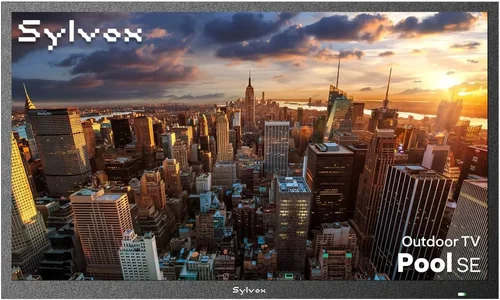
❌ Mistake: Buying an Indoor TV and Putting It Outside
Why it’s bad: Indoor TVs lack weatherproofing, UV protection, and thermal regulation. Even brief exposure to rain or humidity can cause internal corrosion, screen fogging, or electrical shorts. Most indoor TV warranties explicitly exclude outdoor use—so if it breaks, you’re out of luck.
What to do instead: Invest in a purpose-built outdoor TV, even if it costs more upfront. The longevity and safety far outweigh the savings of a doomed indoor model.
❌ Mistake: Ignoring Sunlight Conditions
Why it’s bad: A TV that looks great in a shaded corner will be unwatchable on a sunny balcony. Many buyers regret their purchase because they didn’t account for glare or direct sun exposure during peak hours.
What to do instead: Assess your space at different times of day. If sunlight hits the screen for more than 2–3 hours daily, opt for a full-sun model with 1,500+ nits brightness and anti-reflective coating.
❌ Mistake: Overlooking Mounting Requirements
Why it’s bad: Outdoor TVs are heavier and require secure, weatherproof mounting. Using indoor brackets or flimsy stands can lead to falls, damage, or injury—especially in windy urban environments.
What to do instead: Use a VESA-compatible outdoor mount rated for your TV’s weight and wind load. Consult your landlord or building manager before drilling into exterior walls.
❌ Mistake: Skimping on Audio
Why it’s bad: Built-in speakers on outdoor TVs are often weak and muffled by wind or ambient noise. Relying solely on them results in a frustrating viewing experience.
What to do instead: Pair your TV with weather-resistant Bluetooth speakers or a compact outdoor soundbar. Many budget models now support wireless audio streaming.
❌ Mistake: Not Checking Return Policies
Why it’s bad: Outdoor TVs are expensive and hard to test thoroughly before buying. If the picture is too dim or the unit fails in your climate, you need a clear return path.
What to do instead: Only buy from retailers with generous return windows (30+ days) and free return shipping. Avoid third-party sellers with restrictive policies.
❌ Mistake: Assuming All “Outdoor” Labels Are Equal
Why it’s bad: Some brands market TVs as “outdoor” simply because they include a weatherproof cover—not because the TV itself is built for exterior use. These hybrids often fail within months.
What to do instead: Verify that the TV is certified for outdoor use (look for IP ratings, UL listings, or manufacturer documentation). Don’t rely solely on marketing buzzwords.
Budget Guidelines: How Much Should You Spend?
Entry-Level ($600–$900): This tier includes partial-shade models from brands like SunBriteTV (Veranda series) or lesser-known manufacturers offering basic 4K smart TVs with 700–800 nits brightness. Expect simpler designs, fewer HDMI ports, and shorter warranties (1–2 years). Ideal for covered patios in mild climates with minimal direct sun exposure.
Mid-Range ($900–$1,600): The sweet spot for most apartment dwellers. These TVs offer 1,000+ nits brightness, robust smart platforms (Roku or Android TV), and solid build quality with IP55 ratings. Models like the Samsung The Terrace Lite or Seura Shadow fall here. You’ll get reliable performance, decent audio, and 2–3 year warranties—perfect for semi-exposed balconies or seasonal use.
Premium ($1,600–$2,500): Designed for full-sun environments, these TVs boast 1,500+ nits, advanced cooling systems, and premium materials. Expect features like local dimming, HDR10+, and voice remotes. Brands like SunBriteTV (Signature series) and Samsung (full Terrace line) dominate this space. Worth it if you watch daily or live in extreme climates.
Luxury ($2,500+): Reserved for commercial installations or ultra-dedicated enthusiasts. These units offer 2,000+ nits, 24/7 operation capability, and custom finishes. Overkill for most apartments—but if you’re building a rooftop entertainment hub, it’s the gold standard.
Expert Tips for Getting the Best Deal
- Shop during off-seasons: Prices drop significantly in late fall and winter (October–February) when demand for outdoor electronics slows. Many retailers clear inventory before spring.
- Compare bundled deals: Some sellers include mounts, cables, or extended warranties at no extra cost. Calculate the total value—not just the TV price.
- Check manufacturer refurbished programs: Brands like Samsung and SunBriteTV sell certified refurbished units at 20–30% off with full warranties. These are often indistinguishable from new.
- Use price-tracking tools: Set alerts on CamelCamelCamel (for Amazon) or Honey to catch sudden discounts.
- Negotiate with local installers: Some AV specialists offer package deals on TV + installation if you commit to a service contract.
- Verify compatibility with your setup: Ensure your streaming devices, cables, and power sources work outdoors. Use outdoor-rated HDMI extenders if running cables through walls.
- Test in person if possible: Visit a showroom to evaluate brightness and color accuracy under simulated outdoor lighting.
- Read the fine print on warranties: Some cover only manufacturing defects—not weather-related wear. Ask about “accidental damage” coverage.

Frequently Asked Questions
Q: Can I use a regular TV outside if I cover it?
A: Technically yes, but it’s risky and usually voids the warranty. Covers don’t protect against internal humidity buildup, UV degradation, or temperature extremes. For reliable, long-term use, a purpose-built outdoor TV is strongly recommended.
Q: Do outdoor TVs need special power outlets?
A: No—they use standard 120V outlets. However, ensure your outdoor outlet is GFCI-protected (required by code in most areas) and consider a weatherproof outlet cover.
Q: How do I connect my outdoor TV to Wi-Fi if my router is indoors?
A: Use a Wi-Fi extender or mesh node placed near a window. For stronger signals, run an Ethernet cable through a conduit (check lease agreements first). Some TVs support wired connections via USB-to-Ethernet adapters.
Q: Are outdoor TVs noisy due to cooling fans?
A: Most modern budget models are fanless, relying on passive heat sinks. Only high-end commercial units use fans—and even those are designed for quiet operation.
Q: Can I leave my outdoor TV out all year?
A: Yes, if it’s rated for full outdoor use and your climate falls within its operating range. However, in areas with heavy snow or ice, consider a protective cover during extreme winter months.
Q: What’s the difference between IP55 and IP65?
A: Both indicate dust and water resistance. IP55 protects against low-pressure water jets; IP65 offers stronger protection against powerful water jets. For apartments, IP55 is usually sufficient.
Q: Do I need a permit to install an outdoor TV?
A: Possibly. Many apartment complexes require approval for exterior modifications. Always check with your landlord or HOA before mounting.
Q: How long do outdoor TVs typically last?
A: With proper care, 7–10 years is common. Cheaper models may last 4–5 years, especially in harsh climates.
Q: Can I mount an outdoor TV on a railing?
A: Only if the railing is structurally sound and the mount is specifically designed for railings (not wall mounts). Wind can create dangerous leverage—consult a professional.
Q: Are there solar-powered outdoor TV options?
A: Not yet for full-size TVs, but portable solar generators can power smaller outdoor displays for off-grid use.
Our Final Recommendations
Best for Budget-Conscious Buyers: SunBriteTV Veranda Series (43″) – At around $850, it delivers 700 nits brightness, Roku TV, and solid weatherproofing for shaded patios. Great entry point with reputable support.
Best Overall Value: Samsung The Terrace Lite (55″) – Priced near $1,400, it offers 1,000+ nits, excellent color accuracy, and seamless smart features. Perfect balance of performance and price for most urban balconies.
Best Premium Option: SunBriteTV Signature Series (55″) – Around $2,200, this full-sun beast boasts 1,500 nits, local dimming, and military-grade durability. Ideal for exposed rooftops or sunny southern exposures.
Best for Beginners: Seura Shadow (43″) – Simple setup, intuitive interface, and reliable performance at $1,100. Comes with a comprehensive installation guide and 2-year warranty.
Best for Advanced Users: Samsung The Terrace (65″) – With 2,000 nits, HDR10+, and professional calibration tools, this is for tech-savvy users who demand cinematic quality outdoors. Priced at $2,800, it’s an investment—but unmatched in its class.
Conclusion: Making the Right Choice
Choosing a cheap outdoor television for your apartment doesn’t mean sacrificing quality—it means being smart about where you spend your money. Prioritize brightness, build quality, and warranty coverage over flashy specs you’ll never use. Remember, an outdoor TV is more than a screen; it’s a gateway to enjoying your private outdoor oasis year-round, rain or shine.
Take the time to assess your space, understand your viewing habits, and read real user feedback. Avoid the temptation of ultra-low prices that promise the world but deliver disappointment. With the insights from this guide, you’re equipped to find a TV that fits your budget, withstands your climate, and enhances your outdoor living experience for years to come.
Now go enjoy that sunset—with your favorite show playing in crystal-clear detail. Your balcony deserves it.

