
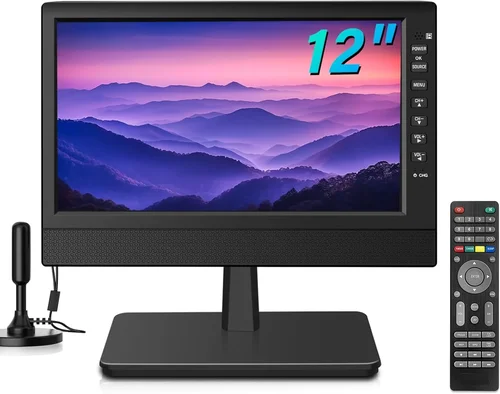
If you’re planning to enjoy movie nights under the stars, catch the big game while grilling, or simply unwind with your favorite show on the deck, a TV designed for outdoor use can transform your outdoor living space. But here’s the catch: most standard indoor TVs aren’t built to handle the harsh conditions of outdoor environments—especially high humidity, temperature swings, rain, and dust. That’s why investing in a deck TV made specifically for humid areas isn’t just a luxury—it’s a necessity if you want your screen to last more than one season.
This comprehensive buying guide is designed to help you navigate the often confusing world of affordable outdoor TVs. Whether you’re on a tight budget or just looking for the best value without sacrificing durability, we’ll walk you through everything you need to know before making a purchase. You’ll learn how to identify truly weather-resistant models, understand key performance specs, avoid common pitfalls, and find the sweet spot between cost and longevity. With so many “outdoor-ready” claims floating around, it’s easy to end up with a TV that fogs up after the first summer storm or corrodes from salt air near the coast. Our goal is to arm you with expert knowledge so you can make a smart, informed decision—and enjoy years of reliable outdoor entertainment.
The market for outdoor TVs has exploded in recent years, driven by rising demand for backyard entertainment spaces. While premium brands like SunBrite and Seura dominate the high-end segment, there’s now a growing number of budget-friendly options that offer solid performance without breaking the bank. These cheaper deck TVs are ideal for covered patios, screened-in porches, or semi-sheltered decks where full exposure to the elements is limited but humidity remains a constant threat. From all-weather enclosures to anti-glare screens and moisture-resistant internal components, today’s affordable models pack impressive features. In this guide, we’ll cut through the marketing noise and focus on what really matters: real-world durability, image quality in bright conditions, ease of installation, and long-term value.

What to Look for When Buying Buying Guide
1. Weather Resistance & IP Rating
When shopping for a deck TV in a humid climate, the single most important factor is weather resistance. Humidity doesn’t just mean occasional dew—it means constant moisture in the air, which can seep into electronics, cause corrosion, and lead to premature failure. Look for TVs with an official Ingress Protection (IP) rating, which indicates how well the unit resists dust and water. For outdoor use in humid areas, an IP55 rating or higher is ideal. IP55 means the TV is protected against low-pressure water jets from any direction and limited dust ingress—perfect for covered decks or patios. Avoid models that claim to be “weather-resistant” without an IP rating, as these are often just indoor TVs in a slightly thicker case.
Additionally, check if the TV uses conformal coating on its internal circuit boards. This protective layer shields sensitive electronics from moisture, salt, and condensation—critical if you live near the ocean or in a region with high annual rainfall. Some budget models may omit this feature to cut costs, so always verify in the product specs or contact the manufacturer. Also, ensure all ports (HDMI, USB, power) are sealed or covered with rubber gaskets to prevent water intrusion.
2. Screen Brightness & Anti-Glare Technology
Outdoor visibility is a major challenge, even on shaded decks. Sunlight reflecting off the screen can wash out colors and make content unwatchable. That’s why brightness—measured in nits—is crucial. For a deck in partial shade, aim for at least 700 nits; for areas with direct sunlight, 1000 nits or more is recommended. Many cheap outdoor TVs advertise high brightness, but real-world performance can vary. Look for models with direct-lit LED backlighting rather than edge-lit, as they provide more uniform illumination and better contrast in bright conditions.
Equally important is anti-glare or anti-reflective coating. A matte screen finish significantly reduces reflections compared to glossy displays. Some budget outdoor TVs use a tempered glass front with an anti-glare layer, which also adds durability against scratches and impacts. Avoid TVs with standard indoor panels—they’ll be nearly impossible to see during daytime hours. If possible, test the TV in similar lighting conditions before buying, or rely on verified user reviews that mention daytime visibility.
3. Build Quality & Durability
A cheap price tag shouldn’t mean flimsy construction. The chassis should be made of powder-coated aluminum or stainless steel to resist rust and corrosion—especially vital in humid or coastal environments. Plastic enclosures may save money upfront but often degrade quickly when exposed to UV rays and moisture. Check the thickness of the housing: a robust build typically means better heat dissipation and longer lifespan.
Pay attention to the mounting system as well. Many budget outdoor TVs include VESA-compatible brackets, but ensure the included hardware is also weather-resistant. Stainless steel screws and bolts are a must. Some models come with built-in cooling fans or passive ventilation systems to prevent overheating during summer months. While active cooling can add noise, it’s often necessary for enclosed installations. Avoid TVs with sealed backs that trap heat—this can shorten component life and cause image retention or burn-in over time.
4. Performance Specifications
Don’t let the outdoor focus distract you from core TV performance. Even on a budget, you should expect modern features like 4K resolution, HDR support (HDR10 or Dolby Vision), and a refresh rate of at least 60Hz. For sports or fast-action content, look for motion interpolation or a 120Hz panel if your budget allows. Smart TV platforms like Roku TV, Android TV, or webOS are common in affordable models and provide access to streaming apps without needing an external device.
Audio is another often-overlooked aspect. Most outdoor TVs have small built-in speakers that struggle in open spaces. Consider models with audio output options (optical or HDMI ARC) so you can connect external weatherproof speakers or a soundbar. Some budget units include basic stereo speakers with 10–20W output—adequate for casual listening but insufficient for parties or immersive movie nights.
5. Size & Viewing Distance
Choosing the right screen size depends on your deck layout and typical viewing distance. A common rule of thumb: divide your viewing distance (in inches) by 1.5 to get the ideal screen diagonal in inches. For example, if you’ll be sitting 8 feet (96 inches) away, a 65-inch TV is a good fit. On smaller decks, a 50- or 55-inch model may be more practical and cost-effective.
Keep in mind that larger screens require more power and generate more heat, which can be a concern in enclosed spaces. Also, ensure your mounting location can support the weight—some 65-inch outdoor TVs weigh over 50 pounds. If space is tight, consider ultra-thin models or those with slim bezels for a more modern look. Wall-mounting is standard, but some users prefer ceiling mounts or articulating arms for flexible positioning.
6. Brand Reputation & Reliability
Not all budget outdoor TV brands are created equal. Stick with manufacturers known for outdoor electronics, even at lower price points. Brands like Sylvane, Kogan, and RCA have released affordable all-weather TVs with decent track records. Avoid unknown brands with no customer support or warranty information—these are often rebranded indoor TVs sold as “outdoor-ready.”
Research user forums, Reddit threads, and YouTube reviews to see how models perform over time. Look for patterns: do units fail after one rainy season? Do screens fog up? Are replacement parts available? A reputable brand will offer clear documentation, responsive customer service, and accessible repair options. Even cheap TVs should come with a minimum one-year warranty covering weather-related defects.
7. Warranty & Support
A strong warranty is your safety net against premature failure. Most quality outdoor TVs come with at least a one-year limited warranty, but some budget models offer only 90 days—red flag. Look for coverage that explicitly includes damage from moisture, humidity, or temperature extremes. Avoid warranties that void coverage if the TV is used outdoors unless specified as “indoor only.”
Check what support channels are available: phone, email, live chat? Is there a service center nearby? Some brands offer extended warranties for an additional fee, which may be worth it if you live in a high-humidity zone. Also, verify return policies—many retailers allow 30-day returns, giving you time to test the TV in real conditions.
8. User Reviews & Real-World Feedback
Spec sheets don’t tell the whole story. User reviews reveal how a TV performs after months of exposure to humidity, rain, and temperature changes. Focus on verified purchases and detailed reviews that mention specific conditions (e.g., “used on a Florida porch for 6 months”). Watch for recurring complaints: screen discoloration, Wi-Fi dropouts due to interference, or remote control failure from moisture.
Platforms like Amazon, Best Buy, and specialized outdoor electronics sites often have helpful Q&A sections. Don’t hesitate to ask current owners about long-term reliability. If a model has dozens of 1-star reviews citing corrosion or dead pixels within a year, steer clear—even if it’s the cheapest option available.
Different Types of Buying Guide

Common Buying Mistakes to Avoid
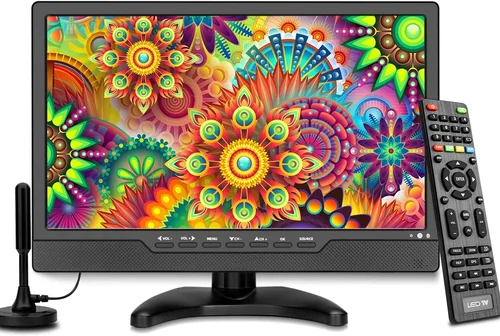
❌ Mistake: Buying an Indoor TV and Calling It “Outdoor”
Why it’s bad: Indoor TVs lack weatherproofing, corrosion-resistant materials, and proper ventilation for outdoor use. Even brief exposure to humidity can cause internal damage, leading to dead pixels, audio failure, or complete shutdown.
What to do instead: Only purchase TVs explicitly labeled for outdoor or all-weather use. Verify the IP rating and look for conformal coating. If in doubt, contact the manufacturer.
❌ Mistake: Ignoring the IP Rating
Why it’s bad: Without a certified IP rating, you have no guarantee the TV can withstand moisture. Many cheap models claim “water-resistant” but fail under real-world conditions like morning dew or light rain.
What to do instead: Demand an IP55 or higher rating. Check independent test reports if available. Never rely solely on marketing language.
❌ Mistake: Overlooking Screen Brightness
Why it’s bad: A dim screen turns your deck into a useless black mirror during daylight hours. Many budget outdoor TVs skimp on backlighting to cut costs.
What to do instead: Aim for at least 700 nits for shaded areas, 1000+ for sunny spots. Read user reviews about daytime visibility before purchasing.
❌ Mistake: Skimping on Mounting Hardware
Why it’s bad: Using standard indoor mounts outdoors invites rust, instability, and potential TV falls. Salt air accelerates corrosion, turning screws into brittle flakes.
What to do instead: Invest in stainless steel or galvanized outdoor mounting kits. Ensure the bracket is rated for the TV’s weight and wind load.
❌ Mistake: Neglecting Audio Needs
Why it’s bad: Built-in speakers on outdoor TVs are often weak and muffled by ambient noise (wind, traffic, birds). You’ll miss dialogue and effects.
What to do instead: Plan for external weatherproof speakers or a soundbar. Choose a TV with audio outputs and consider wireless options for cleaner installation.
❌ Mistake: Not Checking Warranty Coverage
Why it’s bad: Some warranties exclude “outdoor use” or void coverage if humidity damage occurs—even on supposedly weatherproof models.
What to do instead: Read the fine print. Ensure the warranty covers moisture, corrosion, and temperature-related failures. Opt for extended coverage if available.
❌ Mistake: Buying Based Solely on Price
Why it’s bad: The cheapest option often lacks critical features like anti-glare screens, proper sealing, or durable materials. You may replace it within a year.
What to do instead: Set a realistic budget that balances cost with essential features. A $500 TV that lasts 5 years is better value than a $300 one that fails in 12 months.
Budget Guidelines: How Much Should You Spend?
– Entry-Level ($300–$500): At this price, expect basic 1080p or entry-level 4K resolution, limited brightness (500–700 nits), and minimal weatherproofing. These are best for fully covered, low-humidity areas like enclosed sunrooms. Look for models with IP54 ratings and basic smart features. Ideal for occasional use—don’t expect longevity in coastal or tropical climates.
– Mid-Range ($500–$800): This is the sweet spot for most deck owners. You’ll find 4K HDR TVs with 700–1000 nits brightness, IP55 ratings, anti-glare screens, and decent smart platforms. Build quality improves significantly, with aluminum housings and sealed ports. These models offer the best balance of performance, durability, and value for humid environments.
– Premium ($800–$1,200): For those willing to invest more, premium budget outdoor TVs deliver 1000+ nits brightness, advanced cooling systems, Dolby Vision support, and robust warranties. Expect better audio outputs, wider viewing angles, and enhanced corrosion resistance. Perfect for partially exposed decks or high-humidity regions like the Gulf Coast or Pacific Northwest.
– Luxury ($1,200+): While beyond the “cheap” category, these top-tier models (e.g., SunBrite Veranda series) offer commercial-grade durability, 2000+ nits brightness, and 24/7 operation capability. They’re overkill for most homeowners but ideal for permanent installations in extreme climates.
Expert Tips for Getting the Best Deal
– Shop During Off-Season: Outdoor TV sales peak in spring and summer. Buy in late fall or winter (November–February) for discounts of 15–30%. Retailers clear inventory to make room for new models.
– Compare Online vs. In-Store: Online retailers (Amazon, Best Buy, Walmart) often have lower prices and wider selections. However, in-store purchases let you inspect build quality and speak with knowledgeable staff. Some stores price-match online deals.
– Sign Up for Alerts: Use tools like Honey, CamelCamelCamel, or Google Shopping to track price drops. Set alerts for specific models and buy when they hit your target price.
– Check Refurbished or Open-Box Options: Certified refurbished outdoor TVs from reputable sellers come with warranties and can save you $100–$200. Open-box items at big-box stores are often like-new and deeply discounted.
– Bundle with Accessories: Some retailers offer package deals including mounts, cables, or speakers. These can be cheaper than buying separately—just verify compatibility.
– Test Before Committing: If possible, visit a showroom or borrow a friend’s unit to test brightness and visibility in your deck’s lighting conditions. What looks good in a store may disappoint outdoors.
– Read Return Policies Carefully: Ensure you have at least 30 days to return the TV if it doesn’t perform as expected. Some outdoor TVs can’t be returned once mounted due to installation fees.
– Consider Local Climate: If you live in a high-humidity area (e.g., Florida, Louisiana, Hawaii), prioritize corrosion resistance and conformal coating—even if it costs slightly more. It’s cheaper than replacing a failed TV.

Frequently Asked Questions
Q: Can I use a regular TV on my covered deck?
A: Technically yes, but it’s not recommended. Even covered decks experience humidity, temperature swings, and occasional moisture. Indoor TVs lack the sealing, corrosion protection, and brightness needed for reliable outdoor use. Over time, you’ll likely face costly repairs or replacement.
Q: What’s the difference between IP54 and IP55?
A: Both ratings indicate protection against dust and water, but IP55 offers better water resistance. IP54 protects against splashing water from any direction, while IP55 handles low-pressure water jets (like a garden hose). For decks, IP55 is the minimum recommended rating.
Q: Do outdoor TVs need special power outlets?
A: Not necessarily, but you should use a GFCI (Ground Fault Circuit Interrupter) outlet for safety, especially in damp areas. Also, ensure all power cords and extensions are rated for outdoor use (look for “SJTW” or “SJTOW” labels).
Q: How do I prevent my outdoor TV from overheating?
A: Ensure adequate ventilation around the unit—don’t enclose it tightly. Choose models with passive cooling (vents) or active fans. Avoid direct sunlight on the back of the TV, and consider a shaded mount or awning.
Q: Can I leave my outdoor TV on all the time?
A: Most consumer-grade outdoor TVs aren’t designed for 24/7 operation. Continuous use can shorten lifespan. Turn it off when not in use, and use a smart plug with a timer for convenience.
Q: Are outdoor TVs harder to install?
A: Installation is similar to indoor TVs but requires weatherproofing steps: sealing wall penetrations, using outdoor-rated cables, and securing mounts against wind. If you’re not comfortable with electrical work, hire a professional.
Q: Will my Wi-Fi work outdoors?
A: Wi-Fi signals weaken through walls and over distance. For best results, use a weatherproof Wi-Fi extender or mesh node near your deck. Alternatively, run an Ethernet cable (buried or surface-mounted) for a stable connection.
Q: Can I use my outdoor TV in winter?
A: Yes, most outdoor TVs operate in temperatures from -22°F to 122°F (-30°C to 50°C). However, extreme cold can temporarily reduce brightness. Store remotes indoors to preserve battery life.
Q: Do I need a cover for my outdoor TV?
A: Not if it’s truly all-weather rated. However, a custom-fit cover can add extra protection during storms or long periods of non-use. Avoid plastic covers that trap moisture—opt for breathable, UV-resistant fabrics.
Q: What’s the average lifespan of a budget outdoor TV?
A: With proper care, expect 5–7 years from a quality mid-range model. Cheaper units may last 2–3 years in high-humidity areas. Regular cleaning and avoiding extreme conditions can extend life.
Our Final Recommendations
– Best for Budget-Conscious Buyers: Sylvane 55″ All-Weather Outdoor TV ($549) – Offers IP55 rating, 800 nits brightness, and Roku TV platform. Great for covered decks in moderate climates.
– Best Overall Value: Kogan 65″ 4K Outdoor Smart TV ($699) – Combines 1000 nits brightness, anti-glare screen, and Android TV in a powder-coated aluminum chassis. Excellent for humid, partially shaded areas.
– Best Premium Option: RCA 55″ Ultra-Bright Outdoor TV ($899) – Features 1200 nits, Dolby Vision, and advanced cooling. Ideal for sunny decks or coastal homes.
– Best for Beginners: SunBrite 50″ Veranda Series (Refurbished) ($799) – While pricier, refurbished units offer near-commercial durability with full warranty. Perfect for first-time outdoor TV owners.
– Best for Advanced Users: DIY Enclosure + TCL 6-Series Indoor TV ($600 total) – Tech-savvy users can save money by pairing a high-performance indoor TV with a custom weatherproof enclosure (e.g., from Outdoor TV Enclosures).
Conclusion: Making the Right Choice
Choosing the right cheap deck TV for humid areas doesn’t have to be overwhelming—or expensive. By focusing on weather resistance, screen brightness, build quality, and real-world user feedback, you can find a model that delivers reliable performance without overspending. Remember, the goal isn’t just to save money upfront, but to invest in a TV that withstands your local climate and provides years of enjoyment.
Prioritize your specific needs: if you live in a rainy coastal town, corrosion resistance is non-negotiable. If your deck gets afternoon sun, brightness matters more than smart features. And always read the warranty fine print—your future self will thank you when the next tropical storm rolls in.
Ultimately, the best deck TV is the one that matches your environment, usage habits, and budget. Use this guide as your roadmap, ask questions, compare options, and don’t rush the decision. With the right TV, your outdoor space becomes more than just a deck—it becomes a destination for connection, relaxation, and unforgettable moments under the open sky.

