
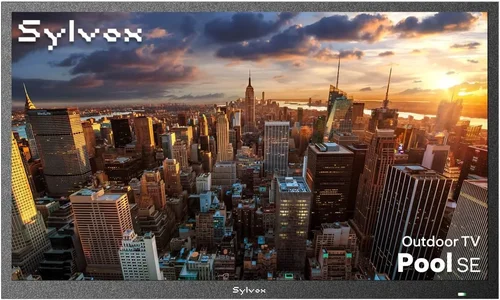
Outdoor living spaces have evolved far beyond simple patios and decks. Today’s gardens are extensions of our homes—complete with kitchens, lounging areas, and yes, even entertainment zones. But if you live in a rainy climate—think Seattle, Portland, London, or Vancouver—you know how quickly a dreamy garden setup can turn into a soggy disappointment. Rain doesn’t just ruin furniture; it can destroy electronics, especially TVs not built for the elements. That’s why choosing the right garden TV for rainy climates isn’t just a luxury—it’s a necessity.
This comprehensive buying guide is designed to help you navigate the often-confusing world of outdoor TVs, with a specific focus on models that can withstand constant moisture, humidity, and unpredictable weather. Whether you’re planning a covered pergola setup or want to mount a screen under a sturdy awning, we’ll walk you through everything you need to know to make a smart, long-lasting investment. You’ll learn what features matter most, how to avoid common pitfalls, and which brands truly deliver when it comes to all-weather performance.
The market for outdoor TVs has grown significantly in recent years, driven by advances in weatherproofing technology and increasing demand for outdoor entertainment. However, not all “outdoor” TVs are created equal. Some are merely indoor TVs sold with weatherproof enclosures, while others are purpose-built from the ground up to resist rain, dust, and temperature extremes. In this guide, we’ll cut through the marketing noise and give you expert-level insights so you can choose a garden TV that delivers stunning picture quality, reliable performance, and peace of mind—rain or shine.

What to Look for When Buying Buying Guide
1. Weatherproof Rating (IP Rating)
The most critical factor when selecting a garden TV for rainy climates is its Ingress Protection (IP) rating. This international standard tells you exactly how well a device resists dust and water. For outdoor use in wet environments, you should look for a minimum IP55 rating—but ideally IP65 or higher.
An IP65 rating means the TV is dust-tight and protected against low-pressure water jets from any direction. IP66 offers protection against powerful water jets, and IP67 can even survive temporary immersion in water up to 1 meter deep. These ratings apply to the entire unit, including ports, vents, and mounting hardware. Don’t be fooled by vague terms like “weather-resistant” or “all-weather”—always check the actual IP code.
For example, the Samsung Terrace and LG Outdoor OLED TV both carry IP55 ratings, making them suitable for covered outdoor spaces where direct rainfall is unlikely. However, if your garden TV will be exposed to heavy downpours or located under a partially open structure, aim for IP65 or better. Also, ensure that any external components—like power supplies or signal receivers—are equally protected.
2. Screen Brightness & Anti-Glare Technology
Rainy climates often come with overcast skies, but that doesn’t mean your TV should look dim or washed out. In fact, ambient light—even on cloudy days—can create glare and reduce visibility. Look for a garden TV with high brightness, measured in nits. For outdoor use, a minimum of 700 nits is recommended, but 1,000+ nits is ideal for bright daylight viewing.
Equally important is anti-glare or anti-reflective coating. Standard indoor TVs often have glossy screens that reflect sunlight and surrounding objects, making it hard to see the picture. Outdoor TVs designed for gardens typically feature matte finishes or specialized optical filters that minimize reflections. Some premium models, like the SunBriteTV Veranda series, use direct-lit LED backlighting combined with anti-glare glass to deliver vivid colors even in direct sunlight.
Consider your viewing angle too. If you’ll be watching from multiple positions around your garden, choose a TV with wide viewing angles (ideally 178 degrees). OLED panels generally offer superior viewing angles compared to standard LED/LCD screens, though they come at a higher price point.
3. Build Quality & Durational Materials
A garden TV isn’t just exposed to rain—it also faces temperature swings, UV radiation, salt air (if near the coast), and potential physical impacts. That’s why build quality matters more than ever. Look for TVs constructed with corrosion-resistant materials such as powder-coated aluminum, stainless steel screws, and sealed internal components.
Avoid plastic-heavy designs, especially for the outer casing and mounting brackets. Over time, UV exposure can cause plastics to become brittle and crack, compromising the seal against moisture. Premium outdoor TVs often use marine-grade materials similar to those found on boats and coastal installations.
Also pay attention to cable management. Water can seep into ports and connectors if cables aren’t properly routed and sealed. Many high-end outdoor TVs include built-in cable channels and waterproof grommets to keep wires dry and organized. The Peerless-AV Xtreme series, for instance, features fully enclosed rear panels with integrated cable routing systems.
4. Operating Temperature Range
Rainy climates aren’t always cold—but they often experience wide temperature fluctuations. A TV that works fine in summer might fail in winter if it’s not rated for low temperatures. Most indoor TVs are designed to operate between 32°F and 95°F (0°C to 35°C). But outdoor TVs should handle much broader ranges.
Look for models with an operating range of at least -22°F to 122°F (-30°C to 50°C). This ensures reliable performance during chilly autumn evenings or unexpected cold snaps. Some manufacturers, like Seura, specify extended temperature tolerances and even include internal heaters to prevent condensation buildup in cold conditions.
Storage temperature is another consideration. If you plan to leave the TV outside year-round, confirm it can withstand storage temps well below freezing. Condensation inside the panel or electronics can cause permanent damage if the TV isn’t designed to handle it.
5. Audio Performance & Speaker Protection
Outdoor spaces lack the acoustic insulation of indoor rooms, so sound tends to dissipate quickly. Many garden TVs come with built-in speakers, but their quality varies widely. Look for models with at least 20W of total audio output, and preferably front-firing or upward-firing speakers that project sound toward viewers rather than into the ground.
More importantly, ensure the speakers are weatherproofed. Standard speaker grilles can trap moisture, leading to distortion or failure. High-quality outdoor TVs use sealed speaker enclosures and hydrophobic mesh to repel water while allowing sound to pass through. Some models, like the SunBriteTV Pro 2, include optional external soundbars designed specifically for outdoor use.
If audio is a priority, consider pairing your TV with weatherproof outdoor speakers. Many garden TVs support Bluetooth or wired audio outputs, giving you flexibility to upgrade your sound system without replacing the entire unit.
6. Connectivity & Smart Features
Modern garden TVs should offer the same smart functionality as their indoor counterparts—streaming apps, voice control, screen mirroring, and more. However, connectivity in outdoor environments presents unique challenges. Wi-Fi signals can weaken due to distance from your router or interference from garden structures.
Choose a TV with dual-band Wi-Fi (2.4GHz and 5GHz) and strong antenna design. Some models include external Wi-Fi extenders or Ethernet ports for wired connections, which are more reliable in rainy conditions. HDMI ports should be sealed or covered to prevent water ingress—look for rubber gaskets or flip-up covers.
Smart platforms like Android TV, webOS (LG), or Tizen (Samsung) offer access to Netflix, YouTube, Disney+, and other streaming services. Ensure the TV receives regular software updates, as outdated firmware can lead to security vulnerabilities and app incompatibilities. Also, check if the remote control is weather-resistant or comes with a protective case.
7. Mounting & Installation Flexibility
How and where you mount your garden TV significantly impacts its longevity and performance. Fixed mounts are simple but limit adjustability. Tilt and full-motion mounts allow you to angle the screen for optimal viewing and reduce glare, but they must be rated for outdoor use and corrosion-resistant.
Ensure the mounting hardware is compatible with your wall or ceiling material—whether it’s wood, brick, stucco, or metal. Many outdoor TVs come with universal VESA mounting patterns (e.g., 200×200, 400×400), but verify compatibility before purchasing. Some manufacturers offer custom outdoor mounting kits with reinforced brackets and drainage channels.
Professional installation is highly recommended, especially for permanent setups. Improper mounting can void warranties and create safety hazards. If you’re DIY-ing, use a level, stud finder, and waterproof sealant around mounting holes to prevent water intrusion.
8. Warranty & Customer Support
Outdoor electronics are inherently riskier investments, so robust warranty coverage is essential. Most reputable outdoor TV brands offer at least a 2-year warranty, with some extending to 3 or even 5 years. Pay close attention to what’s covered—does it include accidental damage, corrosion, or power surges?
Avoid brands with limited service networks or no local support. If your TV fails in the middle of summer, you don’t want to wait weeks for repairs. Companies like SunBriteTV and Seura provide dedicated customer service lines and often expedite replacements for outdoor units.
Also check return policies. Some retailers allow returns within 30 days, but outdoor TVs may require restocking fees or have special conditions. Always read the fine print before buying.
Different Types of Buying Guide

Common Buying Mistakes to Avoid
❌ Mistake: Buying an Indoor TV and Assuming It’s “Weather-Resistant”
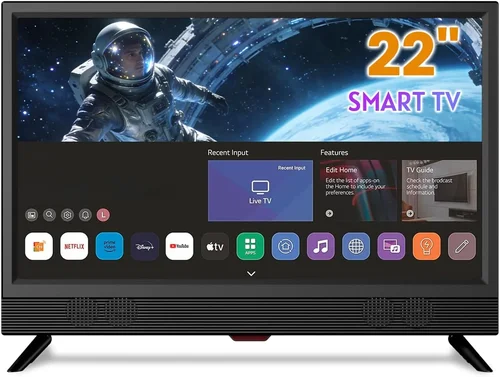
Why it’s bad: Most indoor TVs lack proper sealing, corrosion-resistant materials, and temperature tolerance. Even a light drizzle can cause short circuits, and humidity can corrode internal components over time. The result? Premature failure and potential fire hazards.
What to do instead: Only use TVs explicitly rated for outdoor use. If you must repurpose an indoor TV, invest in a certified outdoor enclosure with active cooling/heating and IP65+ rating—but understand this adds cost and complexity.
❌ Mistake: Ignoring the IP Rating
Why it’s bad: Without a verified IP rating, you have no objective measure of water or dust resistance. Marketing claims like “splash-proof” or “all-season” are meaningless without certification.
What to do instead: Always check the IP code in the product specifications. Cross-reference with independent reviews or manufacturer documentation. When in doubt, choose a higher rating than you think you need.
❌ Mistake: Overlooking Ambient Light Conditions
Why it’s bad: A TV with only 300 nits brightness will look dim and washed out even on a cloudy day. You’ll strain your eyes and miss details in your favorite shows.
What to do instead: Measure the light levels in your garden at different times of day. Aim for a TV with at least 700 nits, and consider adding shade structures or curtains to reduce glare during peak sun hours.
❌ Mistake: Skimping on Mounting Hardware
Why it’s bad: Standard indoor mounts aren’t built to withstand wind, rain, or thermal expansion. Loose or rusted mounts can cause the TV to fall, creating safety risks and costly damage.
What to do instead: Use marine-grade stainless steel mounts rated for outdoor use. Ensure the wall or ceiling can support the weight, and apply silicone sealant around screw holes to prevent water intrusion.
❌ Mistake: Neglecting Audio Needs
Why it’s bad: Built-in TV speakers often sound tinny outdoors, and wind or rain can further muffle audio. You’ll end up turning up the volume, which drains battery (if wireless) or stresses the amplifier.
What to do instead: Pair your TV with weatherproof outdoor speakers or a soundbar. Look for models with Bluetooth 5.0 or higher for stable connectivity, and place speakers strategically to cover your seating area.
❌ Mistake: Not Planning for Cable Management
Why it’s bad: Exposed cables are vulnerable to water damage, UV degradation, and animal chewing. Tangled wires also create tripping hazards and detract from aesthetics.
What to do instead: Use conduit, cable raceways, or in-ground wiring where permitted. Choose TVs with built-in cable channels, and always use waterproof connectors and grommets.
❌ Mistake: Assuming All “Outdoor” TVs Are Equal
Why it’s bad: The term “outdoor TV” is loosely regulated. Some brands slap a weatherproof label on barely-modified indoor models, while others engineer every component for harsh conditions.
What to do instead: Research the brand’s reputation, read professional reviews, and compare specs side-by-side. Prioritize companies with a proven track record in outdoor AV solutions.
Budget Guidelines: How Much Should You Spend?
Investing in a garden TV for rainy climates requires balancing performance, durability, and cost. Here’s a realistic breakdown of what you can expect at different price tiers:
Entry-Level ($500–$1,200): This range typically includes indoor TVs paired with third-party outdoor enclosures. While affordable, these setups often lack integrated weatherproofing, may overheat, and offer limited brightness (under 500 nits). Best for temporary or covered setups with minimal exposure. Expect shorter lifespans and higher maintenance.
Mid-Range ($1,500–$3,500): This is the sweet spot for most homeowners. You’ll find purpose-built outdoor TVs like the Samsung Terrace (partial sun) or SunBriteTV Veranda series. These models feature IP55 ratings, 700–1,000+ nits brightness, anti-glare screens, and reliable smart platforms. They’re ideal for covered patios, pergolas, or screened-in gardens. Warranties usually span 2–3 years.
Premium ($3,000–$6,000): Designed for full exposure, these TVs (e.g., SunBriteTV Pro 2, Seura Outdoor) boast IP65/IP66 ratings, extreme temperature tolerance, and commercial-grade materials. Brightness exceeds 1,500 nits, and many include internal heaters/coolers. Audio is often enhanced, and mounting systems are robust. Perfect for open gardens, pool decks, or coastal properties. Expect 3–5 year warranties and excellent support.
Luxury ($6,000+): At this level, you’re paying for innovation, aesthetics, and uncompromising performance. Think transparent OLED displays, ultra-thin weatherproof designs, or custom-integrated systems. Brands like LG and Sony offer high-end outdoor models with modular components, AI upscaling, and luxury finishes. These are for discerning buyers who want cutting-edge tech and don’t mind the premium price tag.
Expert Tips for Getting the Best Deal
- Buy During Off-Season: Retailers often discount outdoor electronics in late fall and winter when demand drops. Look for Black Friday, Cyber Monday, or end-of-season sales at specialty AV stores.
- Shop at Authorized Dealers: Avoid gray-market sellers on auction sites. Authorized dealers provide full warranties, firmware updates, and reliable support. Check the manufacturer’s website for a list of certified retailers.
- Bundled Packages Save Money: Many brands offer TV + mount + soundbar bundles at a discount. Compare à la carte pricing to see if the bundle is truly a deal.
- Check for Trade-In Programs: Some companies (like Samsung) accept old TVs for credit toward outdoor models. This can shave $100–$300 off your purchase.
- Read Professional Reviews, Not Just User Ratings: User reviews can be biased or based on improper installation. Sites like CNET, RTINGS.com, and Outdoor AV Magazine provide rigorous, real-world testing.
- Test Before Committing: If possible, visit a showroom to see the TV’s brightness and color accuracy in daylight conditions. Bring a sample video to test motion handling and glare.
- Understand Return Windows: Outdoor TVs often have shorter return periods due to their specialized nature. Confirm the policy before buying—some require returns within 14 days.
- Consider Extended Warranties: Given the harsh environment, a 3–5 year extended warranty can be worth the extra cost, especially for premium models.

Frequently Asked Questions
Q: Can I use a regular TV outside if it’s under a roof?
A: Technically yes—but it’s risky. Even under cover, humidity, condensation, and wind-driven rain can damage an indoor TV over time. For true peace of mind, invest in a purpose-built outdoor model or a certified enclosure.
Q: How do I protect my garden TV during heavy storms?
A: If your TV is rated for full exposure (IP65+), it should handle storms. However, for added protection, consider a weatherproof cover or retractable awning. Never unplug the TV during a storm unless instructed by the manufacturer.
Q: Will my Wi-Fi work reliably outdoors?
A: It depends on distance and obstacles. Use a mesh Wi-Fi system with outdoor nodes, or run an Ethernet cable to the TV location. Powerline adapters are another option if wiring is feasible.
Q: Can I leave my outdoor TV on all the time?
A: Most modern outdoor TVs are designed for continuous operation, but check the manual. Avoid leaving it on during extreme weather unless it’s specifically rated for such conditions.
Q: Are outdoor TVs energy-efficient?
A: Yes—many use LED backlighting and low-power processors. Look for ENERGY STAR certification. Brightness settings also impact power use; dimming the screen at night saves energy.
Q: What’s the difference between partial-sun and full-sun outdoor TVs?
A: Partial-sun models (like Samsung Terrace) are for covered areas with indirect light. Full-sun TVs (like SunBriteTV Pro) are built for direct sunlight and have higher brightness, better cooling, and stronger weather sealing.
Q: Can I install an outdoor TV myself?
A: If you’re experienced with electrical work and mounting heavy objects, yes—but professional installation is strongly recommended. Improper mounting can void warranties and create hazards.
Q: Do outdoor TVs come with remotes that work in the rain?
A: Most include standard IR remotes, which may not work well when wet. Some brands offer RF remotes or smartphone apps as alternatives. Consider a remote with a protective case.
Q: How long do outdoor TVs typically last?
A: With proper care, 7–10 years is realistic. Indoor TVs used outdoors may fail in 2–3 years. Premium models with robust build quality often exceed a decade.
Q: Are there solar-powered outdoor TV options?
A: Not yet mainstream, but solar-compatible setups are possible with battery backups and low-power displays. This is more common in off-grid or eco-conscious installations.
Our Final Recommendations
Best for Budget-Conscious Buyers: Samsung The Terrace (Partial Sun) – At around $2,500 for a 55” model, it offers excellent brightness (1,500 nits), IP55 rating, and smart features. Ideal for covered decks and pergolas.
Best Overall Value: SunBriteTV Veranda Series – Priced between $2,000–$3,500, these TVs deliver IP55 protection, 700+ nits brightness, and reliable performance. Great balance of price, quality, and durability.
Best Premium Option: SunBriteTV Pro 2 (Full Sun) – With IP65 rating, 2,500 nits brightness, and military-grade construction, this is the gold standard for open gardens. Expect to pay $4,000–$6,000, but it’s built to last.
Best for Beginners: LG Outdoor OLED TV – User-friendly webOS interface, stunning picture quality, and IP55 rating make this a great entry point for those new to outdoor AV.
Best for Advanced Users: Seura Outdoor TV with Integrated Sound – Combines sleek design, IP65 rating, and premium audio in one package. Perfect for tech-savvy homeowners who want seamless integration.
Conclusion: Making the Right Choice
Choosing the best garden TV for rainy climates isn’t just about finding the shiniest screen or the lowest price—it’s about matching your specific environment, usage habits, and long-term goals with a product engineered to thrive in wet conditions. From IP ratings and brightness to build quality and smart features, every detail matters when your TV faces the elements day after day.
Remember: skimping on weatherproofing today can lead to costly replacements tomorrow. Prioritize durability, verified certifications, and reputable brands. And don’t forget the supporting cast—mounts, cables, audio, and installation—all play crucial roles in your outdoor entertainment ecosystem.
Whether you’re hosting summer barbecues, watching the rain from your covered porch, or creating a backyard cinema under the stars, the right garden TV will transform your outdoor space into a true extension of your home. Use this guide as your roadmap, ask the right questions, and invest wisely. Your future self—and your dry, happy TV—will thank you.

