
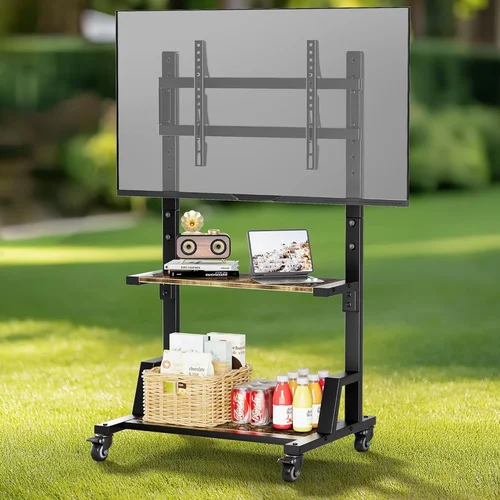
Transforming your pool area into a luxurious outdoor entertainment oasis is no longer a dream reserved for the wealthy. With the rise of weather-resistant technology, you can now enjoy your favorite shows, movies, or live sports right beside the water—without worrying about sun, rain, or splashes ruining your investment. But not all TVs are built for the great outdoors. A standard indoor television placed near a pool will quickly succumb to moisture, UV exposure, and temperature swings. That’s why choosing the right garden TV for your pool area is critical—not just for performance, but for safety, longevity, and overall enjoyment.
This comprehensive buying guide is designed to help you navigate the often-confusing world of outdoor televisions. Whether you’re building a new poolside lounge or upgrading an existing setup, we’ll walk you through every essential consideration—from durability and display quality to smart features and installation requirements. You’ll learn how to avoid common pitfalls, understand what truly matters in an outdoor TV, and find the perfect model that fits your budget and lifestyle. By the end of this guide, you’ll be equipped with expert knowledge to make a confident, informed decision.
The market for outdoor TVs has evolved significantly in recent years. Once dominated by bulky, expensive commercial-grade models, it now offers a range of options—from sleek, consumer-friendly designs to fully weatherproof, high-brightness displays. Brands like Samsung, Sony, SunBriteTV, and Seura have pioneered innovations that bring indoor-quality viewing experiences outdoors. However, with so many choices, it’s easy to get overwhelmed. This guide cuts through the noise, focusing specifically on garden and pool-area applications where exposure to elements is constant and unforgiving.

What to Look for When Buying Buying Guide
1. Weather Resistance & IP Rating
When it comes to outdoor TVs, weather resistance isn’t optional—it’s mandatory. Unlike indoor TVs, outdoor models must withstand rain, humidity, dust, extreme temperatures, and even salt air if you live near the coast. The most reliable way to assess a TV’s durability is by checking its Ingress Protection (IP) rating. This two-digit code indicates how well the device resists solid particles (like dust) and liquids (like water).
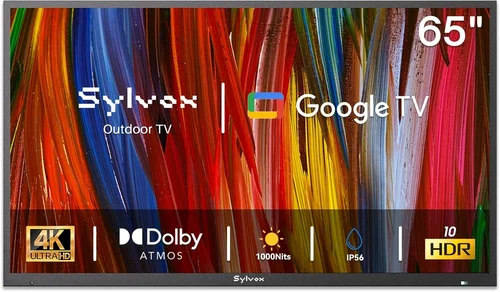
For pool areas, look for a minimum IP55 rating, but ideally aim for IP65 or higher. An IP65-rated TV is dust-tight and protected against low-pressure water jets from any direction—perfect for splash zones. Some premium models even offer IP66 or IP67 ratings, which provide protection against powerful water jets or temporary immersion. Additionally, ensure the TV is specifically designed for outdoor use, not just “weather-resistant.” True outdoor TVs feature sealed components, corrosion-resistant materials, and internal climate control to prevent overheating or condensation.
2. Display Brightness & Anti-Glare Technology
One of the biggest challenges with outdoor viewing is ambient light. Sunlight reflecting off water, concrete, or patio furniture can wash out even the brightest indoor screens. That’s why outdoor TVs need significantly higher brightness levels—measured in nits—than their indoor counterparts.
For pool areas, especially those with direct sunlight, choose a TV with at least 700 nits of brightness. However, for full sun exposure, 1000 nits or more is ideal. Many top-tier outdoor models boast 1500–2500 nits, ensuring crisp, vibrant images even at noon. Equally important is anti-glare coating. Look for TVs with optically bonded glass or matte finishes that reduce reflections without sacrificing color accuracy. Some manufacturers also incorporate quantum dot or OLED technology to enhance contrast and color depth in bright conditions.
3. Build Quality & Durability
Outdoor environments are harsh. Your TV will face not only weather but also potential impacts from pool toys, debris, or accidental bumps. Therefore, build quality is paramount. Premium outdoor TVs use powder-coated aluminum frames, stainless steel hardware, and reinforced glass to resist rust, fading, and physical damage.
Avoid plastic-heavy enclosures, which can crack or degrade under UV exposure. Instead, opt for models with robust, all-metal construction. Also consider the mounting system. A sturdy, weatherproof wall mount or ceiling bracket is essential—many outdoor TVs come with compatible mounts designed to handle wind loads and prevent water ingress at attachment points. If you’re placing the TV under a pergola or covered patio, ensure there’s still adequate airflow to prevent overheating.
4. Smart Features & Connectivity
Just because your TV is outdoors doesn’t mean it should lack modern conveniences. Today’s best garden TVs come equipped with full smart platforms—think Android TV, webOS, or Roku—allowing you to stream Netflix, YouTube, Disney+, and more directly from the screen. This eliminates the need for external streaming devices and keeps your setup clean and clutter-free.
Check for Wi-Fi 5 or Wi-Fi 6 support for reliable streaming, even at a distance from your router. Bluetooth connectivity is also useful for pairing wireless speakers or headphones. For connectivity, ensure the TV has multiple HDMI ports (preferably HDMI 2.0 or higher), USB inputs, and possibly an Ethernet port for wired internet. Some models include built-in speakers, but for pool parties or immersive audio, you’ll likely want to connect external weatherproof speakers via optical audio or Bluetooth.
5. Size & Viewing Distance
Choosing the right screen size depends on your seating arrangement and viewing distance. For pool areas, where viewers may be lounging on chaise longues or seated at a bar, a larger screen enhances the experience. As a general rule, multiply your viewing distance (in inches) by 0.84 to determine the ideal diagonal screen size. For example, if you’re sitting 10 feet (120 inches) away, a 100-inch TV would be optimal.
However, don’t go overboard. A massive screen in a small patio can feel overwhelming and may require additional structural support. Common sizes for outdoor use range from 43 inches (for intimate settings) to 75 inches or more (for large entertainment zones). Also consider bezel size—slim bezels create a more immersive viewing experience and look more modern.
6. Installation & Placement Considerations
Proper installation is just as important as the TV itself. Pool areas often have unique challenges: limited wall space, exposure to splashes, and proximity to electrical outlets. Before purchasing, assess where you’ll mount the TV. Is it under a covered patio? On a freestanding post? Inside a weatherproof cabinet?
If mounting on a wall, ensure the structure can support the weight—many outdoor TVs weigh 30–50 pounds or more. Use a tilt or full-motion mount to adjust the angle for optimal viewing, especially if seating is at varying heights. For uncovered areas, consider a TV with a built-in heater and cooler to regulate internal temperature. Also, plan your cable management: run power and HDMI cables through conduit to protect them from moisture and UV damage.
7. Brand Reputation & Specialization
Not all TV brands are created equal when it comes to outdoor performance. While mainstream manufacturers like Samsung and LG offer some outdoor-capable models, specialized brands like SunBriteTV, Seura, and Peerless-AV have built their reputations on outdoor durability and innovation.
SunBriteTV, for instance, is known for its Veranda and Pro series, which are engineered specifically for residential and commercial outdoor use. Seura offers elegant, frameless designs that blend seamlessly into luxury landscapes. Peerless-AV focuses on rugged, commercial-grade solutions ideal for high-traffic pool areas. Research brand warranties, customer support, and real-world user feedback. A well-established outdoor brand often provides better long-term reliability and service than a generic TV repurposed for outdoor use.
8. Warranty & Support
Outdoor TVs represent a significant investment, so robust warranty coverage is essential. Most reputable outdoor TV manufacturers offer 2–3 years of warranty, sometimes extendable with registration. Look for warranties that cover both parts and labor, and confirm whether on-site service is available.
Avoid brands with vague or limited warranties—especially those that exclude “outdoor use” in the fine print. Also check return policies: some retailers allow 30-day returns if the TV doesn’t meet expectations. Finally, consider extended service plans if you live in an area with extreme weather, as repairs can be costly and time-consuming.
Different Types of Buying Guide

Common Buying Mistakes to Avoid
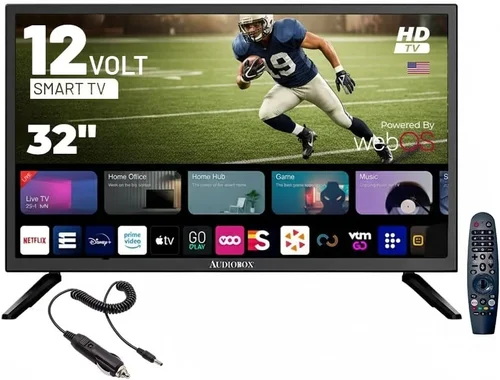
❌ Mistake: Using an Indoor TV Outdoors
Why it’s bad: Indoor TVs lack weatherproofing, proper ventilation, and UV protection. Exposure to moisture can cause short circuits, while heat buildup leads to premature failure. Most warranties explicitly void coverage for outdoor use.
What to do instead: Invest in a purpose-built outdoor TV or use a certified outdoor enclosure designed for your specific model. Never compromise safety or longevity for short-term savings.
❌ Mistake: Ignoring Viewing Angle and Glare
Why it’s bad: Even the brightest screen becomes unwatchable if reflections obscure the image. Poor placement leads to squinting, eye strain, and frustration.
What to do instead: Position the TV perpendicular to the sun’s path when possible. Use anti-glare screens, install under cover, or choose a model with superior optical bonding. Test viewing angles during different times of day before finalizing placement.
❌ Mistake: Overlooking Power and Connectivity Needs
Why it’s bad: Running extension cords across wet surfaces creates tripping and electrocution hazards. Inadequate HDMI ports limit streaming options.
What to do instead: Hire a licensed electrician to install a dedicated outdoor-rated outlet near the TV. Use in-wall rated cables and conduit for permanent installations. Plan for at least two HDMI inputs and Wi-Fi range extenders if needed.
❌ Mistake: Choosing Based Solely on Price
Why it’s bad: The cheapest option often sacrifices durability, brightness, and smart features. You may end up replacing it within a year.
What to do instead: Balance budget with long-term value. A mid-range outdoor TV with solid reviews and warranty often outperforms a discounted indoor model repurposed for outdoor use.
❌ Mistake: Neglecting Audio Quality
Why it’s bad: Built-in TV speakers are usually muffled and lack volume, especially in open-air environments with background noise from water features or music.
What to do instead: Pair your TV with weatherproof outdoor speakers or a soundbar. Consider wireless options for cleaner installation and flexible placement around the pool deck.
❌ Mistake: Skipping Professional Installation
Why it’s bad: Improper mounting can lead to water leaks, structural damage, or TV detachment during wind storms.
What to do instead: Hire a certified installer experienced in outdoor AV setups. They’ll ensure proper sealing, cable management, and compliance with local building codes.
❌ Mistake: Forgetting About Maintenance
Why it’s bad: Dust, pollen, and salt buildup can degrade performance over time. Neglected TVs may overheat or develop display issues.
What to do instead: Clean the screen and vents regularly with a microfiber cloth and mild cleaner. Inspect seals and mounts annually. Follow manufacturer guidelines for seasonal care.
Budget Guidelines: How Much Should You Spend?
Why it’s bad: Running extension cords across wet surfaces creates tripping and electrocution hazards. Inadequate HDMI ports limit streaming options.
What to do instead: Hire a licensed electrician to install a dedicated outdoor-rated outlet near the TV. Use in-wall rated cables and conduit for permanent installations. Plan for at least two HDMI inputs and Wi-Fi range extenders if needed.
❌ Mistake: Choosing Based Solely on Price
Why it’s bad: The cheapest option often sacrifices durability, brightness, and smart features. You may end up replacing it within a year.
What to do instead: Balance budget with long-term value. A mid-range outdoor TV with solid reviews and warranty often outperforms a discounted indoor model repurposed for outdoor use.
❌ Mistake: Neglecting Audio Quality
Why it’s bad: Built-in TV speakers are usually muffled and lack volume, especially in open-air environments with background noise from water features or music.
What to do instead: Pair your TV with weatherproof outdoor speakers or a soundbar. Consider wireless options for cleaner installation and flexible placement around the pool deck.
❌ Mistake: Skipping Professional Installation
Why it’s bad: Improper mounting can lead to water leaks, structural damage, or TV detachment during wind storms.
What to do instead: Hire a certified installer experienced in outdoor AV setups. They’ll ensure proper sealing, cable management, and compliance with local building codes.
❌ Mistake: Forgetting About Maintenance
Why it’s bad: Dust, pollen, and salt buildup can degrade performance over time. Neglected TVs may overheat or develop display issues.
What to do instead: Clean the screen and vents regularly with a microfiber cloth and mild cleaner. Inspect seals and mounts annually. Follow manufacturer guidelines for seasonal care.
Budget Guidelines: How Much Should You Spend?
Why it’s bad: Built-in TV speakers are usually muffled and lack volume, especially in open-air environments with background noise from water features or music.
What to do instead: Pair your TV with weatherproof outdoor speakers or a soundbar. Consider wireless options for cleaner installation and flexible placement around the pool deck.
❌ Mistake: Skipping Professional Installation
Why it’s bad: Improper mounting can lead to water leaks, structural damage, or TV detachment during wind storms.
What to do instead: Hire a certified installer experienced in outdoor AV setups. They’ll ensure proper sealing, cable management, and compliance with local building codes.
❌ Mistake: Forgetting About Maintenance
Why it’s bad: Dust, pollen, and salt buildup can degrade performance over time. Neglected TVs may overheat or develop display issues.
What to do instead: Clean the screen and vents regularly with a microfiber cloth and mild cleaner. Inspect seals and mounts annually. Follow manufacturer guidelines for seasonal care.
Budget Guidelines: How Much Should You Spend?
Why it’s bad: Dust, pollen, and salt buildup can degrade performance over time. Neglected TVs may overheat or develop display issues.
What to do instead: Clean the screen and vents regularly with a microfiber cloth and mild cleaner. Inspect seals and mounts annually. Follow manufacturer guidelines for seasonal care.
Budget Guidelines: How Much Should You Spend?
– Entry-Level ($800–$1,500): This tier includes partial-shade outdoor TVs or indoor models in basic enclosures. Expect moderate brightness (500–700 nits), limited smart features, and shorter warranties. Best for covered patios with minimal direct sun exposure. Examples: Seura Shadow Series, some Vizio models in outdoor cases.
– Mid-Range ($1,500–$3,500): The sweet spot for most homeowners. These TVs offer full weather resistance (IP65), 1000+ nits brightness, robust smart platforms, and reliable build quality. Ideal for semi-covered pool areas with occasional sun. Examples: SunBriteTV Veranda Series, Samsung The Terrace (partial shade version).
– Premium ($3,500–$6,000): Designed for full sun and extreme conditions. Features include 1500–2500 nits brightness, advanced anti-glare coatings, built-in heaters/coolers, and premium audio. Perfect for open pool decks or coastal environments. Examples: SunBriteTV Pro Series, Peerless-AV Xtreme.
– Luxury ($6,000+): Top-tier models with commercial-grade durability, ultra-high brightness, custom finishes, and 24/7 operation capability. Often used in high-end resorts or luxury homes. Include professional installation and extended service plans. Examples: Seura Luxury Outdoor TV, custom Peerless-AV installations.
Expert Tips for Getting the Best Deal
– Buy During Off-Season: Prices drop significantly in late fall and winter when demand for outdoor entertainment is low. Retailers often clear inventory before spring.
– Check Manufacturer Rebates: Brands like SunBriteTV and Seura occasionally offer mail-in rebates or bundle deals with mounts and speakers.
– Compare Total Cost of Ownership: Factor in installation, mounts, cables, and potential speaker upgrades—not just the TV price.
– Read Verified Owner Reviews: Look for feedback from users in similar climates. Real-world performance matters more than spec sheets.
– Negotiate with Installers: Some AV integrators offer package discounts when you purchase both the TV and installation service.
– Consider Refurbished Models: Certified refurbished outdoor TVs from reputable sellers can save 20–30% with full warranty coverage.
– Verify Return Policies: Ensure you can return the TV if it doesn’t perform as expected in your specific environment.
– Test Before Committing: If possible, visit a showroom or friend’s setup to experience outdoor viewing firsthand.

Frequently Asked Questions
Q: Can I use a regular TV by my pool if it’s under cover?
A: Technically yes, but it’s not recommended. Even under cover, humidity, splashes, and temperature fluctuations can damage internal components. Most indoor TV warranties won’t cover outdoor use, and the risk of failure is high. For true peace of mind, invest in a purpose-built outdoor model.
Q: Do outdoor TVs need special mounts?
A: Yes. Standard indoor mounts aren’t designed to handle weather exposure or the weight distribution of outdoor enclosures. Use mounts specifically rated for outdoor use, preferably from the same brand as your TV for compatibility.
Q: How do I protect my outdoor TV from theft?
A: Install the TV high on a wall, use security screws, and consider a locking mount. Some models offer built-in security slots for cables or alarms. Motion-sensor lighting and cameras also deter thieves.
Q: Will an outdoor TV work in winter?
A: Most outdoor TVs are rated for temperatures from -22°F to 122°F (-30°C to 50°C). However, extreme cold can affect startup time. Models with built-in heaters (like SunBriteTV Pro) perform better in freezing conditions.
Q: Can I watch TV while swimming?
A: While you can see the screen from the water, audio won’t carry well. For the best experience, position seating within 10–15 feet and use waterproof Bluetooth speakers near the pool edge.
Q: Do outdoor TVs consume more power?
A: Not necessarily. Modern outdoor models use efficient LED backlighting similar to indoor TVs. Brightness settings impact consumption—lower brightness when possible saves energy.
Q: How long do outdoor TVs last?
A: With proper care, a quality outdoor TV can last 7–10 years or more. Indoor TVs used outdoors typically fail within 1–3 years due to environmental stress.
Q: Are outdoor TVs compatible with streaming services?
A: Absolutely. Most come with Android TV, Roku, or webOS, giving you access to Netflix, Hulu, Amazon Prime, and more. Ensure strong Wi-Fi coverage in your pool area.
Q: Can I install an outdoor TV myself?
A: If you’re experienced with electrical work and mounting, yes—but hiring a professional ensures safety, proper sealing, and warranty compliance. DIY mistakes can be costly.
Q: What’s the difference between “weather-resistant” and “all-weather”?
A: “Weather-resistant” usually means splash-proof but not fully sealed. “All-weather” indicates full IP65+ protection, internal climate control, and durability in extreme conditions.
Our Final Recommendations
– Best for Budget-Conscious Buyers: Seura Shadow 55″ – Excellent value for covered patios, IP54 rating, 700 nits brightness, and sleek design under $2,000.
– Best Overall Value: SunBriteTV Veranda 65″ – IP65-rated, 1000 nits, full smart features, and reliable performance in partial sun. Priced around $2,800.
– Best Premium Option: SunBriteTV Pro 2 75″ – Built for full sun, 2500 nits, heated/cooled interior, and commercial-grade durability. Ideal for open pool decks ($5,500).
– Best for Beginners: Samsung The Terrace 55″ (Partial Shade) – User-friendly Tizen OS, good brightness, and trusted brand support. Great entry point into outdoor viewing ($2,200).
– Best for Advanced Users: Peerless-AV Xtreme 86″ – Ultra-bright, modular design, customizable finishes, and 24/7 operation. For tech-savvy homeowners who want the ultimate setup ($8,000+).
Conclusion: Making the Right Choice
Choosing the best garden TV for your pool area is about more than just picture quality—it’s about creating a safe, durable, and enjoyable outdoor living space. By prioritizing weather resistance, brightness, smart functionality, and proper installation, you’ll ensure years of entertainment beside the water. Remember, the cheapest option isn’t always the best long-term investment. Instead, focus on value: a TV that performs reliably in your specific environment, fits your lifestyle, and comes from a reputable brand with strong support.
Take the time to assess your space, consider your viewing habits, and consult with professionals if needed. Whether you’re hosting summer parties or enjoying quiet evenings under the stars, the right outdoor TV transforms your pool area into a true backyard sanctuary. Use this guide as your roadmap, avoid common pitfalls, and invest wisely. Your future self—and your guests—will thank you every time they press play.

