
Backyard entertainment has evolved dramatically over the past decade, and nothing transforms a simple poolside gathering into a cinematic experience quite like having a reliable outdoor TV. Whether you’re hosting summer barbecues, watching the big game with friends, or enjoying a quiet evening under the stars, a dedicated backyard television can elevate your outdoor living space in ways you might not have imagined. Yet, many homeowners hesitate—convinced that outdoor TVs must come with a hefty price tag. That’s where this guide comes in. We’re here to show you that high-quality, weather-resistant, and feature-rich outdoor TVs don’t have to break the bank. In fact, with smart shopping and a clear understanding of what to look for, you can find excellent options that deliver great performance without draining your wallet.
This comprehensive buying guide is designed for homeowners, outdoor enthusiasts, and budget-conscious buyers who want to bring the comfort of indoor entertainment to their pool areas. You’ll learn how to navigate the crowded market of outdoor TVs, understand the key differences between indoor and outdoor models, and identify which features truly matter for your specific setup. From durability and weather resistance to picture quality and smart functionality, we’ll break down every critical factor so you can make an informed decision. Whether you’re working with a tight budget or simply want the best value for your money, this guide will equip you with the knowledge and confidence to choose the right TV for your backyard oasis.
The market for outdoor TVs has expanded significantly in recent years, driven by increased demand for outdoor living spaces and advancements in display technology. While premium brands like SunBrite and Samsung have long dominated the conversation, a new wave of affordable yet capable models from brands like Hisense, TCL, and even Amazon Basics have made outdoor viewing accessible to more people than ever. These budget-friendly options often use weatherproof enclosures, outdoor-rated screens, and smart platforms that rival their pricier counterparts. With prices ranging from under $300 to over $2,000, there’s a wide spectrum of choices—but not all are created equal. This guide will help you cut through the noise, avoid common pitfalls, and find the perfect balance of price, performance, and durability for your poolside setup.
What to Look for When Buying Buying Guide
1. Budget & Price Range
Setting a realistic budget is the first and most important step in your outdoor TV journey. Unlike indoor TVs, outdoor models come with additional engineering to withstand environmental factors like rain, humidity, dust, and temperature fluctuations. This added durability often comes at a cost, but it doesn’t mean you need to spend thousands. For most homeowners, a budget between $400 and $800 will get you a high-quality, weather-resistant TV with solid performance. Entry-level models start around $250–$350, but these often lack essential outdoor features like full weatherproofing or anti-glare screens. Mid-range options ($500–$900) offer the best balance of price and performance, while premium models ($1,000+) typically include advanced features like 4K HDR, built-in heaters for cold climates, and ultra-bright displays for direct sunlight.
When setting your budget, consider not just the TV itself but also installation costs, mounting hardware, and any necessary accessories like weatherproof enclosures or outdoor speakers. A common mistake is underestimating the total cost of ownership. For example, a $300 TV might seem like a steal, but if it requires a $200 outdoor-rated mount and a $150 protective cover, your total investment quickly climbs. On the other hand, some mid-range TVs come with bundled mounting kits or built-in weather protection, offering better long-term value. Always factor in these extras to avoid surprises at checkout.
2. Performance Specifications
Performance specs are where many budget outdoor TVs fall short, so it’s crucial to know what matters most. Start with screen brightness, measured in nits. For pool areas, where sunlight can be intense, you’ll want a display with at least 700 nits of brightness—ideally 1,000 nits or more. Standard indoor TVs typically range from 300 to 500 nits, which is insufficient for direct sunlight. A high-brightness screen ensures you can still see the picture clearly even at midday.
Resolution is another key factor. While 1080p (Full HD) is acceptable for smaller screens (under 43 inches), we strongly recommend 4K UHD for any TV 50 inches or larger. 4K offers four times the pixel density of 1080p, resulting in sharper images, better detail, and a more immersive viewing experience—especially important when watching sports or action movies outdoors. HDR (High Dynamic Range) support is also valuable, as it enhances contrast and color accuracy, making skies bluer and shadows deeper.
Refresh rate and response time matter less for casual viewing but become important if you plan to watch fast-paced content like live sports or play video games. A 60Hz refresh rate is standard and sufficient for most users, but 120Hz models offer smoother motion and are better for gaming. Response time should be under 8ms to avoid motion blur. Lastly, check the TV’s viewing angle. Outdoor setups often involve seating at various angles, so an IPS or VA panel with wide viewing angles (178 degrees) ensures consistent picture quality from the side.
3. Build Quality & Durability
Durability is non-negotiable for outdoor TVs. Unlike indoor models, these devices must endure rain, snow, dust, UV exposure, and temperature swings—sometimes from below freezing to over 100°F in a single day. The most critical component is the TV’s weatherproof rating, indicated by an IP (Ingress Protection) code. Look for at least IP55 or higher. IP55 means the TV is protected against dust and water jets from any direction, making it suitable for most poolside environments. IP65 offers even better protection, including resistance to low-pressure water jets and total dust ingress.
Materials matter too. The chassis should be made of rust-resistant aluminum or powder-coated steel, not plastic, which can degrade under UV exposure. Sealed ports and connectors prevent moisture from entering the internal components. Some models also include built-in cooling fans or passive heat sinks to regulate internal temperature, preventing overheating on hot summer days. Avoid TVs with exposed vents or unsealed speaker grilles—these are entry points for water and insects.
Another durability consideration is the screen itself. Outdoor TVs often use anti-reflective or anti-glare coatings to reduce sun glare, but some budget models skimp on this. A matte finish is preferable to glossy, as it minimizes reflections. Additionally, tempered glass or reinforced acrylic screens offer better impact resistance than standard glass, which is important if your pool area is prone to wind-blown debris.
4. Features & Functionality
Modern outdoor TVs come packed with smart features, but not all are worth paying extra for. Start with the operating system. Most budget-friendly models run on Android TV, Roku TV, or Amazon Fire TV—all of which offer access to popular streaming apps like Netflix, YouTube, and Hulu. Android TV tends to be the most customizable, while Roku is known for its simplicity and fast performance. Fire TV integrates seamlessly with Alexa, which is handy if you use voice commands.
Connectivity is another area to scrutinize. Ensure the TV has multiple HDMI ports (at least two, preferably three), USB ports for media playback, and an Ethernet port for wired internet—Wi-Fi can be unreliable outdoors due to signal interference from walls or distance from your router. Some models also include optical audio output or RCA jacks for connecting external speakers or soundbars, which is essential since built-in TV speakers are often weak and not weatherproof.
Smart features like voice control, screen mirroring (via Chromecast or AirPlay), and app-based remote controls add convenience. However, avoid models that rely solely on touchscreens or complex menus—these can be frustrating to use in bright sunlight. A physical remote with large, backlit buttons is ideal. Also, check if the TV supports firmware updates. Regular updates improve performance, fix bugs, and add new features over time.
5. Brand Reputation
Brand reputation can be a strong indicator of reliability and long-term support. While premium brands like SunBrite and Samsung dominate the high-end market, several budget-friendly brands have earned solid reputations for outdoor performance. TCL and Hisense, for example, offer outdoor-ready models with excellent picture quality and smart features at a fraction of the cost of luxury brands. Their TVs often use the same display panels as more expensive models but skip the premium branding and packaging.
Amazon Basics has also entered the outdoor TV space with surprisingly capable models that are well-reviewed for their value. These TVs are typically sold with weatherproof enclosures, making them plug-and-play solutions for beginners. However, be cautious with lesser-known or generic brands—especially those sold exclusively through online marketplaces. These may use misleading marketing terms like “outdoor-ready” without actual weatherproofing, or they may lack customer support and warranty coverage.
Research customer reviews on trusted platforms like Amazon, Best Buy, or Consumer Reports. Look for patterns in feedback—consistent complaints about overheating, poor remote range, or short lifespan are red flags. On the other hand, positive mentions of ease of setup, clear picture in sunlight, and responsive customer service are good signs. Brands with a history of innovation in display technology, such as LG or Sony, may also offer outdoor-compatible models, though often at higher price points.
6. Warranty & Support
A strong warranty is a hallmark of a quality outdoor TV. Given the harsh conditions these devices face, you want assurance that the manufacturer stands behind their product. Most reputable brands offer at least a one-year limited warranty, but some extend coverage to two or even three years. Look for warranties that cover both parts and labor, and check whether they include on-site service or require you to ship the unit back.
Pay attention to what the warranty covers. Does it include damage from water ingress? What about temperature-related failures? Some warranties explicitly exclude “acts of nature” or “environmental damage,” which defeats the purpose of buying an outdoor TV. A good warranty should cover defects in materials and workmanship under normal outdoor use. Also, verify the availability of customer support—preferably via phone, email, and live chat. Brands with U.S.-based support centers tend to respond faster and more effectively than those relying on overseas teams.
Extended warranty options are often available at checkout, but they’re usually not worth the extra cost unless you live in an extreme climate (e.g., desert heat or coastal salt air). Instead, consider purchasing from a retailer with a generous return policy, such as Best Buy or Costco, which offer 15- to 30-day return windows. This gives you time to test the TV in real-world conditions and return it if it doesn’t perform as expected.
7. Size & Portability
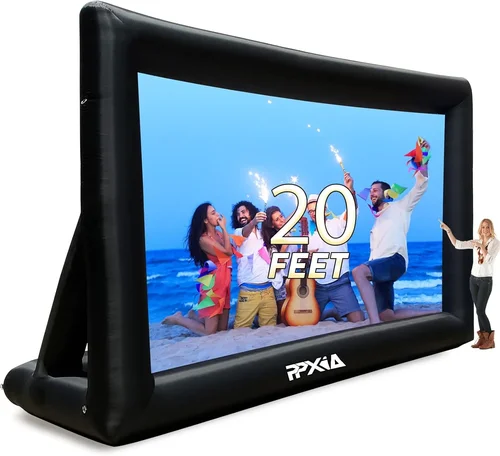
Choosing the right screen size depends on your viewing distance and available space. For pool areas, a 43- to 55-inch TV is typically ideal. At a viewing distance of 6 to 10 feet, a 50-inch screen provides an immersive experience without overwhelming the space. Larger screens (65 inches and up) are better suited for spacious patios or outdoor theaters but may require additional mounting support and a higher budget.
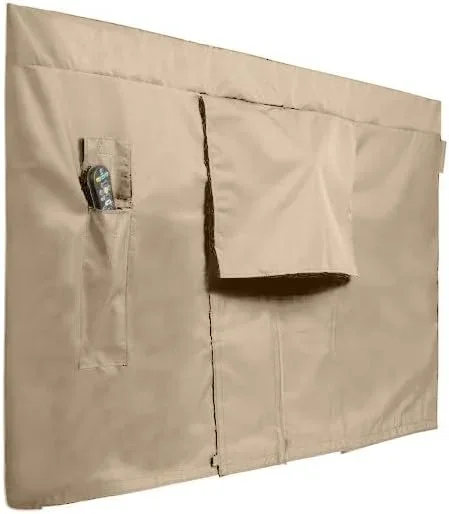
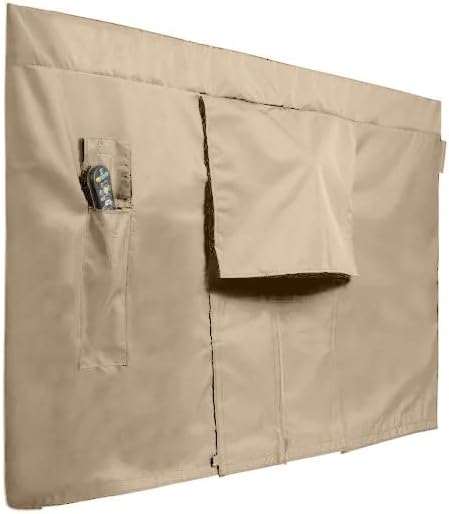
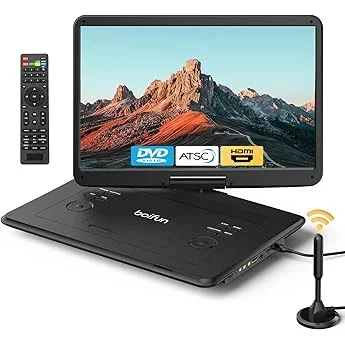
Portability is another consideration, especially if you plan to move the TV between locations—say, from the pool deck to the garage or backyard shed during winter. Some outdoor TVs come with built-in handles or lightweight designs, making them easier to relocate. However, most are designed to be permanently mounted, so portability is often sacrificed for stability and weather resistance. If you need a movable solution, consider a weatherproof TV enclosure that fits a standard indoor TV. These enclosures allow you to use a regular TV outdoors while protecting it from the elements, and they can be removed and stored when not in use.
Mounting options also affect size and placement. Full-motion mounts allow you to tilt and swivel the TV for optimal viewing angles, while fixed mounts are more secure and less prone to wind damage. Ensure the mount is rated for outdoor use and can support the weight and size of your TV. Some models include anti-theft features like lockable brackets, which are useful in public or semi-public spaces.
8. User Reviews & Ratings
Never underestimate the power of real user feedback. While manufacturer specs and marketing materials highlight the positives, user reviews reveal the truth about long-term performance, reliability, and real-world usability. Look for reviews from people who have used the TV in similar conditions—outdoor, poolside, or in direct sunlight. Pay attention to comments about picture clarity, remote functionality, ease of setup, and durability over time.
High ratings (4.5 stars and above) are a good sign, but read the detailed reviews, not just the star count. Look for patterns: if multiple users mention the same issue—like poor Wi-Fi range or a flimsy mount—it’s likely a genuine flaw. Conversely, consistent praise for features like brightness, sound quality, or app performance indicates a well-designed product. Video reviews on YouTube can be especially helpful, as they show the TV in action and demonstrate how it performs in daylight.
Also, check the date of the reviews. Technology evolves quickly, and a model that was well-received two years ago may have been updated or discontinued. Focus on reviews from the past 6 to 12 months to ensure you’re getting current information. If a TV has very few reviews or none at all, it may be a new or niche product—proceed with caution unless it’s from a trusted brand.
Different Types of Buying Guide

Common Buying Mistakes to Avoid
❌ Mistake: Buying an Indoor TV for Outdoor Use
Why it’s bad: Indoor TVs are not designed to handle moisture, dust, or temperature extremes. Using one outdoors, even under a covered patio, can lead to premature failure, electrical hazards, or voided warranties. The internal components can corrode, and the screen may fog up or overheat.
What to do instead: Always choose a TV specifically rated for outdoor use or use a certified weatherproof enclosure. If you must use an indoor TV, ensure it’s fully enclosed in an IP-rated case and never expose it to direct rain or high humidity.
❌ Mistake: Ignoring Sunlight and Glare
Why it’s bad: A standard TV screen will appear washed out or completely invisible in direct sunlight. This defeats the purpose of having an outdoor TV and leads to frustration.
What to do instead: Invest in a TV with high brightness (700+ nits) and an anti-glare screen. Consider the TV’s placement—shade from an awning or pergola can help, but the TV itself must be capable of handling ambient light.
❌ Mistake: Overlooking Audio Quality
Why it’s bad: Most outdoor TVs have weak built-in speakers that struggle to compete with pool noise, wind, or background music. Poor audio ruins the viewing experience.
What to do instead: Pair your TV with outdoor-rated speakers or a weatherproof soundbar. Look for models with audio output options (optical, RCA, or Bluetooth) to connect external audio systems.
❌ Mistake: Choosing the Wrong Size
Why it’s bad: A TV that’s too small won’t be visible from a distance, while one that’s too large can overwhelm the space and require a more expensive mount.
What to do instead: Use a screen size calculator based on your viewing distance. For most pool areas, 50–55 inches is ideal. Measure your space and ensure the TV fits comfortably without obstructing walkways.
❌ Mistake: Skimping on the Mount
Why it’s bad: A flimsy or indoor-rated mount can fail under wind load or over time, risking damage to the TV and potential injury.
What to do instead: Use a heavy-duty, outdoor-rated mount with corrosion-resistant hardware. Full-motion mounts should be rated for wind resistance and include safety locks.
❌ Mistake: Not Checking Return Policies
Why it’s bad: Outdoor TVs can behave differently in real-world conditions than in a store. Without a good return policy, you’re stuck with a dud.
What to do instead: Buy from retailers with at least a 15-day return window. Test the TV thoroughly during this period—check brightness, connectivity, and durability.
❌ Mistake: Forgetting About Power and Connectivity
Why it’s bad: Running power cords and HDMI cables outdoors can be unsafe and unsightly. Poor planning leads to tripping hazards or signal loss.
What to do instead: Plan your cable routing in advance. Use outdoor-rated extension cords, conduit, or wireless HDMI kits. Consider a TV with built-in streaming to reduce cable clutter.
Budget Guidelines: How Much Should You Spend?
Entry-Level ($250–$400): At this price point, you’ll find basic outdoor TVs or indoor models in weatherproof enclosures. These are best for shaded areas with minimal sun exposure. Expect 1080p resolution, limited smart features, and basic weather resistance (IP54). Ideal for casual viewers or temporary setups.
Mid-Range ($500–$900): This is the sweet spot for most buyers. You’ll get 4K resolution, smart platforms (Roku, Android TV), high brightness (700–1,000 nits), and solid build quality. Many models include anti-glare screens and multiple HDMI ports. Perfect for poolside entertainment with reliable performance.
Premium ($1,000–$1,500): These TVs offer advanced features like ultra-bright displays (1,500+ nits), built-in cooling systems, and enhanced durability. Ideal for south-facing patios or areas with intense sunlight. Often include premium audio and extended warranties.
Luxury ($1,500+): Top-tier models from brands like SunBrite or Samsung. Designed for extreme conditions, with IP65+ ratings, 4K HDR, and professional-grade components. Best for luxury homes, commercial use, or harsh climates.
Expert Tips for Getting the Best Deal
- Buy during off-seasons: Prices drop in fall and winter when outdoor demand is low. Look for end-of-summer sales in August and September.
- Shop at big-box retailers: Best Buy, Costco, and Home Depot often have exclusive outdoor TV bundles with mounts and cables.
- Use price tracking tools: Set alerts on CamelCamelCamel or Honey to monitor price drops on Amazon.
- Check refurbished options: Certified refurbished outdoor TVs from reputable sellers can save 20–30% with full warranties.
- Bundle with installation: Some retailers offer free or discounted installation with TV purchase—great for complex setups.
- Test before committing: If possible, view the TV in person to assess brightness and color accuracy in daylight.
- Read the fine print: Ensure the warranty covers outdoor use and environmental damage.
- Consider total cost: Factor in mounts, cables, and accessories to avoid budget overruns.

Frequently Asked Questions
Q: Can I use a regular TV outdoors if it’s under a covered patio?
A: Technically yes, but it’s not recommended. Even covered areas can experience humidity, temperature swings, and dust. Without proper weatherproofing, the TV’s lifespan will be significantly reduced. A weatherproof enclosure is a safer, longer-term solution.
Q: Do outdoor TVs need special power outlets?
A: No, they use standard 120V outlets. However, ensure the outlet is GFCI-protected for safety, especially near water sources like pools.
Q: How do I protect my outdoor TV from theft?
A: Use a lockable mount, install motion-sensor lights, and consider a security camera. Some TVs also have built-in anti-theft features like PIN locks.
Q: Can I leave my outdoor TV on all the time?
A: It’s not advisable. Continuous use can overheat the components. Use a timer or smart plug to turn it on only when needed.
Q: Do outdoor TVs work in cold weather?
A: Most are rated for temperatures as low as -22°F, but performance may vary. Models with built-in heaters are better for extreme cold.
Q: How do I clean an outdoor TV screen?
A: Use a microfiber cloth and a mild cleaner designed for electronics. Avoid ammonia-based cleaners, which can damage anti-glare coatings.
Q: Can I connect a gaming console to an outdoor TV?
A: Yes, as long as the TV has HDMI ports and supports the console’s resolution and refresh rate. Ensure low input lag for best gaming performance.
Q: Do I need a soundbar for outdoor TV?
A: Highly recommended. Built-in speakers are usually too weak for outdoor environments. A weatherproof soundbar or outdoor speakers will greatly improve audio quality.
Q: How long do outdoor TVs last?
A: With proper care, 5 to 10 years is typical. Regular maintenance, such as cleaning and checking seals, can extend lifespan.
Q: Are outdoor TVs energy efficient?
A: Most modern models are ENERGY STAR certified and use LED backlighting, which is efficient. However, high-brightness screens consume more power than indoor TVs.
Our Final Recommendations
Best for Budget-Conscious Buyers: TCL 50S546 50-inch 4K QLED Roku TV in a weatherproof enclosure. Offers excellent picture quality, smart features, and value under $600.
Best Overall Value: Hisense 55A7H 55-inch 4K UHD Android TV with IP55 rating. Bright, durable, and packed with features for around $700.
Best Premium Option: SunBrite Veranda 55-inch 4K Outdoor TV. Built for extreme conditions with 1,500 nits brightness and IP65 rating. Priced around $1,400.
Best for Beginners: Amazon Basics 50-inch Outdoor TV with included weatherproof case. Simple setup, reliable performance, and great for first-time buyers.
Best for Advanced Users: Samsung The Terrace 65-inch 4K Outdoor TV. Ultra-bright, smart-enabled, and designed for professional outdoor entertainment. Ideal for tech-savvy users with larger budgets.
Conclusion: Making the Right Choice
Choosing the right backyard TV for your pool area doesn’t have to be overwhelming—or expensive. By focusing on key factors like brightness, weather resistance, smart features, and build quality, you can find a model that delivers exceptional performance without exceeding your budget. Remember, the cheapest option isn’t always the best value. Investing in a mid-range TV with solid durability and features will pay off in the long run through better performance, fewer repairs, and greater enjoyment.
Prioritize your specific needs: if you live in a sunny climate, brightness and anti-glare are critical. If you’re a streamer, smart functionality and app support matter most. And if you’re on a tight budget, consider a weatherproof enclosure with a quality indoor TV. Whatever your situation, take the time to research, read reviews, and compare options. With the insights from this guide, you’re well-equipped to make a smart, informed decision.
Now’s the perfect time to upgrade your outdoor space. Whether it’s movie nights under the stars, live sports by the pool, or just background entertainment during a barbecue, the right TV can transform your backyard into a true extension of your home. So go ahead—bring the screen outside, press play, and enjoy every moment.

