
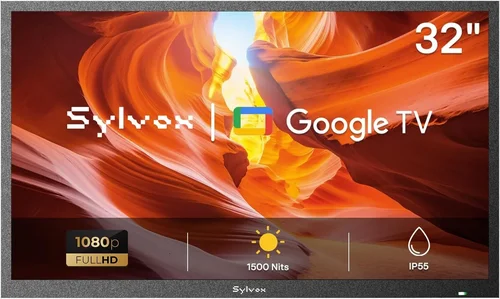
If you’ve ever hosted a backyard barbecue, watched a game under the stars, or enjoyed a movie night on your deck, you know how powerful outdoor entertainment can be. But let’s be honest—most people don’t want to spend thousands on a high-end outdoor TV setup just to enjoy some casual viewing outside. That’s where affordable backyard TVs come in. They offer a practical, budget-friendly way to bring your favorite shows, sports, and movies into the fresh air without breaking the bank.
This guide is designed for real people with real budgets who want to enhance their outdoor living spaces without sacrificing quality or functionality. Whether you’re a weekend griller, a parent hosting movie nights for the kids, or someone who just loves relaxing on the patio with a cold drink and a good show, this comprehensive buying guide will help you make a smart, informed decision. You’ll learn exactly what to look for, which features matter most, how to avoid common pitfalls, and where to find the best deals in 2026.
The market for outdoor TVs has evolved significantly over the past few years. While fully weatherproof, commercial-grade outdoor displays still command premium prices, manufacturers have introduced more affordable options that strike a balance between durability, performance, and cost. These “semi-outdoor” or “deck-friendly” TVs are built to handle mild weather conditions and are perfect for covered patios, screened-in porches, or decks with overhead protection. In this guide, we’ll focus specifically on these budget-conscious models—TVs that deliver solid performance and reasonable weather resistance without the hefty price tag of full outdoor-rated units.

What to Look for When Buying a Cheap Backyard TV
1. Budget & Price Range
When shopping for a cheap backyard TV, your budget is the foundation of your entire decision-making process. Most affordable outdoor-ready TVs range from $300 to $800, depending on size, brand, and features. While it’s tempting to go for the absolute cheapest option, it’s important to understand what you’re getting—and what you might be missing—at different price points.
At the lower end ($300–$500), you’ll typically find smaller screens (32″ to 43″), basic smart functionality, and limited weather resistance. These models are ideal for fully covered areas like screened patios or gazebos where direct exposure to rain, snow, or intense sun is minimal. Mid-range options ($500–$700) often include larger screens (50″ to 55″), better brightness levels, improved smart platforms, and enhanced durability features like anti-glare coatings or protective casings. At the higher end of the budget spectrum ($700–$800), you may find models with better color accuracy, higher refresh rates, and even partial weatherproofing that allows for use in semi-exposed areas.
2. Performance Specifications
Even on a budget, performance matters—especially when you’re watching content outdoors. Brightness is one of the most critical specs for backyard viewing. Indoor TVs typically range from 200 to 300 nits, but outdoor environments demand much higher brightness to combat glare from sunlight or ambient light. Look for a TV with at least 400 nits, and ideally 500 nits or more, for clear visibility during daytime use.
Resolution is another key factor. While 1080p (Full HD) is still available on budget models, 4K UHD has become the standard even in affordable TVs. A 4K display offers four times the resolution of 1080p, resulting in sharper images, better detail, and a more immersive experience—especially on larger screens. For deck entertainment, where viewers may sit closer than in a living room, 4K makes a noticeable difference.
Refresh rate also plays a role in outdoor viewing, particularly for sports or action content. A 60Hz refresh rate is standard, but if you plan to watch fast-moving content like football or racing, consider a model with 120Hz support or motion smoothing technology. While not essential, it can significantly improve the viewing experience.
3. Build Quality & Durability
Since your TV will be used outdoors—even if under cover—it needs to withstand temperature fluctuations, humidity, dust, and occasional splashes. While fully weatherproof outdoor TVs are expensive, many budget models now include features that improve durability without the premium price.
Look for TVs with sealed ports, reinforced casings, and corrosion-resistant components. Some manufacturers offer models with IP-rated enclosures or optional outdoor covers that provide additional protection. Even if the TV itself isn’t fully waterproof, using it in a sheltered area with a protective cover can extend its lifespan significantly.
Another durability consideration is the stand and mounting system. Outdoor environments can be windy, so ensure the TV has a stable base or can be securely wall-mounted. VESA compatibility (the standard for mounting brackets) is essential if you plan to install the TV on a wall or ceiling mount. Check the VESA pattern (e.g., 200×200, 400×400) and ensure your mount supports it.
4. Features & Functionality
Smart functionality is now standard even on budget TVs, and it’s a game-changer for outdoor entertainment. A built-in smart platform like Roku TV, Google TV, or webOS allows you to stream content directly from apps like Netflix, YouTube, Hulu, and Disney+ without needing an external device. This is especially convenient when you’re relaxing on the deck and don’t want to fiddle with cables or streaming boxes.
Voice control is another useful feature. Many budget smart TVs now support voice assistants like Alexa or Google Assistant, letting you change channels, adjust volume, or search for content using simple voice commands. This is particularly handy when your hands are full with food or drinks.
Connectivity is also important. Ensure the TV has enough HDMI ports (at least two or three) for devices like gaming consoles, soundbars, or cable boxes. USB ports are useful for playing media files or powering streaming sticks. Bluetooth support allows you to connect wireless headphones or speakers for private listening or to enhance audio without disturbing others.
5. Brand Reputation
Not all budget TV brands are created equal. While you can find great deals from lesser-known manufacturers, sticking with reputable brands often means better reliability, customer support, and access to software updates. Brands like TCL, Hisense, Vizio, and Samsung offer affordable models with strong track records in the mid-to-low price range.
TCL, for example, has become a favorite among budget-conscious buyers thanks to its Roku TV integration and consistent performance. Hisense offers excellent value with its ULED technology and competitive pricing. Vizio is known for strong audio performance and solid smart features. Samsung’s budget models may cost a bit more, but they often include better build quality and longer software support.
Avoid no-name brands that offer extremely low prices but lack customer reviews, warranty coverage, or software updates. These TVs may fail prematurely or become obsolete quickly as apps and streaming services evolve.
6. Warranty & Support
A good warranty can save you from costly repairs or replacements down the line. Most budget TVs come with a standard one-year manufacturer warranty, but some brands offer extended coverage or optional protection plans. Check the warranty terms carefully—some may exclude outdoor use, so confirm that using the TV on your deck is covered.
Customer support is another consideration. Look for brands with responsive customer service, accessible support channels (phone, email, live chat), and helpful online resources like setup guides and troubleshooting FAQs. Reading user reviews about post-purchase support can give you insight into how well a company stands behind its products.
7. Size & Portability
The size of your TV should match your deck setup and viewing distance. A 32-inch TV is fine for a small patio or close-range seating, but for larger decks or group viewing, consider 50 inches or more. A general rule of thumb is to sit at a distance of 1.5 to 2.5 times the screen’s diagonal size. So for a 55-inch TV, ideal viewing distance is between 6.5 and 11 feet.
Portability matters if you plan to move the TV between indoor and outdoor use. Some budget models are lightweight and come with handles, making them easy to transport. Others are heavier and better suited for permanent outdoor installation. If you want flexibility, look for a TV that’s easy to mount and unmount, or consider a portable outdoor TV stand with wheels.
8. User Reviews & Ratings
Before making a purchase, always check user reviews on trusted sites like Amazon, Best Buy, or Consumer Reports. Look for patterns in feedback—consistent praise for brightness, complaints about poor sound quality, or reports of early failure can help you avoid bad buys.
Pay attention to reviews from users who have used the TV outdoors. They’ll often mention real-world performance in terms of glare, weather resistance, and durability. A TV with 4.5 stars and hundreds of reviews is generally a safer bet than one with 5 stars but only a handful of feedback.
Different Types of Cheap Backyard TVs

Common Buying Mistakes to Avoid
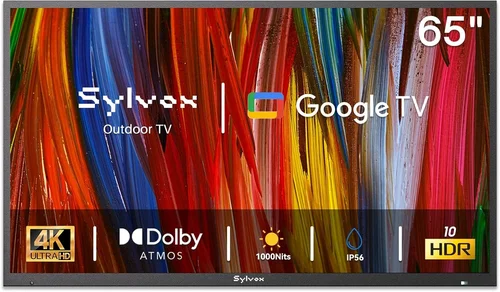
❌ Mistake: Buying a Standard Indoor TV for Full Outdoor Use
Why it’s bad: Indoor TVs are not designed to handle moisture, temperature swings, or UV exposure. Using one outside—even under a roof—can lead to overheating, screen damage, or electrical failure. Many manufacturers void warranties if the TV is used in outdoor environments.
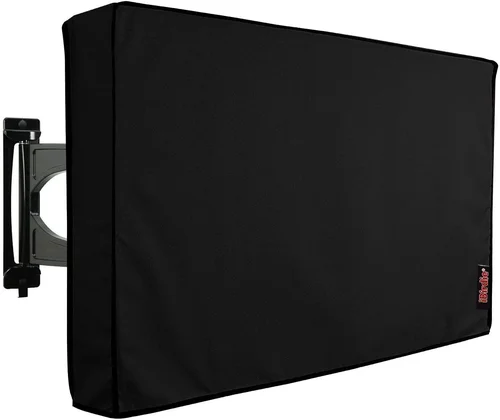
What to do instead: Choose a TV specifically rated for semi-outdoor use or use an indoor model only in fully protected areas like screened porches. Always pair it with a weatherproof cover when not in use.
❌ Mistake: Ignoring Brightness and Glare
Why it’s bad: A dim screen will look washed out in daylight, making it hard to see details or colors. This is especially frustrating during daytime sports or outdoor movie nights that start before sunset.
What to do instead: Prioritize TVs with high brightness (500+ nits) and anti-reflective coatings. Consider the angle of sunlight on your deck and position the TV to minimize glare.
❌ Mistake: Overlooking Audio Quality
Why it’s bad: Most budget TVs have weak built-in speakers that struggle outdoors due to open space and ambient noise. You’ll end up turning the volume up too high or missing dialogue.
What to do instead: Invest in a compact outdoor soundbar or wireless speakers. Many budget TVs support Bluetooth, making it easy to connect external audio without running wires.
❌ Mistake: Skipping the Mounting Plan
Why it’s bad: A poorly mounted TV can fall, get damaged, or be difficult to view. Outdoor mounts need to withstand wind and weather, and improper installation can be dangerous.
What to do instead: Use a VESA-compatible wall or ceiling mount rated for outdoor use. Ensure it’s securely anchored to a sturdy surface like a wall stud or concrete beam.
❌ Mistake: Not Checking Return Policies
Why it’s bad: If the TV doesn’t perform well outdoors or arrives damaged, you need a clear path to return or exchange it. Some retailers have strict return windows or restocking fees.
What to do instead: Buy from retailers with generous return policies (30 days or more) and free return shipping. Test the TV immediately after setup.
❌ Mistake: Forgetting About Power and Cables
Why it’s bad: Outdoor setups often lack convenient power outlets, and exposed cables can be tripping hazards or get damaged by weather.
What to do instead: Use outdoor-rated extension cords and cable covers. Consider a weatherproof power outlet box or consult an electrician for a permanent outdoor outlet.
❌ Mistake: Choosing the Wrong Size
Why it’s bad: A TV that’s too small will be hard to see from a distance, while one that’s too large can overwhelm a small deck and be difficult to mount.
What to do instead: Measure your deck and seating area. Use a screen size calculator to find the ideal size based on viewing distance and room dimensions.
Budget Guidelines: How Much Should You Spend?
Entry-Level ($300–$500): This tier is perfect for small, fully covered spaces like screened patios or enclosed decks. Expect 32″ to 43″ screens, 1080p or basic 4K resolution, and limited smart features. Brands like TCL and Hisense offer solid options here. These TVs work best with additional weather protection and are ideal for casual viewing.
Mid-Range ($500–$700): The sweet spot for most backyard entertainment setups. You’ll find 50″ to 55″ 4K TVs with brighter displays (400–500 nits), better smart platforms, and improved build quality. Models in this range often include anti-glare coatings and better port sealing. This is where you get the best balance of performance, durability, and price.
Premium ($700–$900): For those who want enhanced durability and performance. These TVs may feature higher brightness (500+ nits), better color accuracy, and partial weatherproofing. Some include built-in covers or are designed for semi-exposed use. Ideal for decks with partial cover or in humid climates.
Luxury ($900+): While outside the “cheap” category, some buyers may stretch their budget for fully outdoor-rated TVs with IP65 or higher protection, extreme temperature tolerance, and commercial-grade components. These are overkill for most deck setups but may be worth considering for extreme environments.
Expert Tips for Getting the Best Deal
1. Buy During Seasonal Sales: The best time to buy a backyard TV is during spring and early summer, when retailers promote outdoor living products. Look for Memorial Day, Fourth of July, and Amazon Prime Day deals. You can often save 20–30% during these events.
2. Shop at the Right Retailers: Stores like Costco, Sam’s Club, and Best Buy often have exclusive models and extended return windows. Online retailers like Amazon and Walmart offer competitive pricing and fast shipping, but check return policies carefully.
3. Consider Refurbished or Open-Box Models: Certified refurbished TVs from reputable sellers come with warranties and can save you $100 or more. Open-box items are often returned due to minor issues and are resold at a discount.
4. Bundle with Accessories: Some retailers offer discounts when you buy a TV with a mount, soundbar, or streaming device. These bundles can add value and simplify your setup.
5. Check for Manufacturer Rebates: Brands like Samsung and LG occasionally offer mail-in rebates or instant savings on outdoor-ready models. These can reduce the effective price significantly.
6. Read the Fine Print on Warranties: Ensure the warranty covers outdoor use. Some brands require registration within 30 days to activate coverage.
7. Test Before Finalizing: Once installed, test the TV in different lighting conditions—morning, afternoon, and evening. Make sure the picture is clear and the sound is adequate.
8. Use Price Tracking Tools: Tools like Honey, CamelCamelCamel, or Google Shopping can alert you when prices drop on specific models.

Frequently Asked Questions
Q: Can I use a regular indoor TV on my deck?
A: You can, but only if it’s fully protected from the elements—such as under a screened porch or covered patio with no direct exposure to rain, snow, or intense sun. Even then, it’s not ideal due to potential overheating and lack of weather resistance. For best results, choose a model designed for semi-outdoor use or use a protective cover.
Q: What’s the minimum brightness I should look for?
A: For outdoor use, aim for at least 400 nits, but 500 nits or more is ideal for daytime viewing. Anything below 350 nits will likely appear dim in sunlight.
Q: Do I need a special mount for outdoor use?
A: Yes. Use a VESA-compatible wall or ceiling mount rated for outdoor conditions. Ensure it’s made of rust-resistant materials like powder-coated steel or aluminum and can support the weight and size of your TV.
Q: How do I protect my TV from rain and dust?
A: Use a weatherproof TV cover when the TV is not in use. For permanent installations, consider a ventilated outdoor enclosure that allows airflow while protecting against moisture and debris.
Q: Can I stream content without Wi-Fi?
A: Most smart TVs require a Wi-Fi connection to stream. If your deck is far from your router, consider a Wi-Fi extender or powerline adapter to boost the signal. Alternatively, use a mobile hotspot for temporary setups.
Q: Are soundbars necessary for outdoor TVs?
A: Highly recommended. Built-in TV speakers are usually too weak for outdoor environments. A compact soundbar or wireless speakers will significantly improve audio quality and volume.
Q: How long do budget outdoor TVs last?
A: With proper care and protection, a quality budget TV can last 5–7 years. Factors like exposure to elements, usage frequency, and build quality all affect lifespan.
Q: Can I leave my TV outside year-round?
A: Only if it’s specifically rated for full outdoor use. Most budget models are not designed for year-round exposure. In colder climates, extreme temperatures can damage internal components.
Q: What’s the difference between IP ratings?
A: IP ratings indicate protection against dust and water. For example, IP54 means protected against limited dust and splashing water. Most budget outdoor TVs don’t have official IP ratings but may include similar protections.
Q: Should I buy extended warranty coverage?
A: It depends. If the TV is used in a high-risk environment (exposed deck, humid climate), an extended warranty may be worth it. For covered patios, the standard warranty is usually sufficient.
Our Final Recommendations
Best for Budget-Conscious Buyers: TCL 4-Series 50″ 4K UHD Roku TV ($399) – Excellent value with 4K resolution, Roku smart platform, and decent brightness. Best used under full cover.
Best Overall Value: Hisense U6 Series 55″ 4K ULED TV ($549) – Offers 500+ nits brightness, Dolby Vision, and strong color performance. Great for semi-covered decks.
Best Premium Option: Vizio V-Series 55″ 4K Smart TV ($649) – High brightness, excellent smart features, and solid build quality. Includes partial weather resistance.
Best for Beginners: Insignia F30 43″ 4K Fire TV ($329) – Simple setup, built-in Alexa, and affordable price. Ideal for small patios with full protection.
Best for Advanced Users: Samsung The Frame 50″ 4K TV ($899) – While pricier, it doubles as art when off and includes anti-reflective coating and ambient mode. Perfect for stylish outdoor spaces.
Conclusion: Making the Right Choice
Choosing the right cheap backyard TV doesn’t have to be overwhelming. By focusing on key factors like brightness, durability, smart features, and proper installation, you can find a model that fits your budget and enhances your outdoor entertainment experience. Remember, the goal isn’t to buy the most expensive TV—it’s to find the best value for your specific needs and environment.
Start by assessing your deck setup: Is it fully covered or partially exposed? How many people will typically watch? What kind of content do you enjoy most? These questions will guide your decision and help you avoid overspending on features you don’t need.
Don’t rush the process. Take advantage of seasonal sales, read user reviews, and consider refurbished options to stretch your budget further. And once you’ve made your purchase, protect your investment with proper mounting, weather covers, and regular maintenance.
With the right TV, your deck can become the ultimate outdoor living space—perfect for summer barbecues, fall football games, or cozy movie nights under the stars. So go ahead, bring the screen outside, and make every moment count.

