
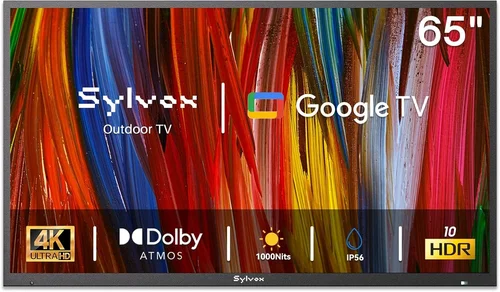
Outdoor entertainment has become a cornerstone of modern family life, especially as more people invest in creating comfortable, functional backyard spaces. Whether you’re hosting a movie night under the stars, watching the big game with friends, or simply enjoying a quiet evening with a favorite show, having a reliable TV in your outdoor area can transform your yard into a true extension of your living room. But here’s the catch: outdoor TVs often come with a hefty price tag, and many families are looking for affordable options that don’t sacrifice too much in performance or durability. That’s where this guide comes in.
In this comprehensive buying guide, we’ll walk you through everything you need to know to find the best budget-friendly backyard TV for your family gatherings. We’ll break down the key factors to consider—from screen size and weather resistance to smart features and installation needs—so you can make an informed decision without overspending. Whether you’re a first-time buyer or upgrading from an older model, this guide is designed to help you navigate the crowded market of outdoor displays and find a TV that fits both your lifestyle and your wallet.
The market for outdoor TVs has evolved significantly over the past few years. While premium weatherproof models from brands like SunBrite and Seura still dominate the high-end segment, there’s now a growing number of affordable alternatives that offer impressive performance at a fraction of the cost. These budget-friendly options often use indoor TVs housed in protective enclosures or are designed with partial outdoor durability in mind. While they may not be built to withstand extreme weather like their pricier counterparts, many are perfectly suitable for covered patios, screened-in porches, or mild climates. Our goal is to help you identify which type of TV makes the most sense for your setup, so you can enjoy outdoor viewing without breaking the bank.

What to Look for When Buying Buying Guide
1. Budget & Price Range
Setting a clear budget is the first and most important step in your backyard TV purchase. Outdoor-ready TVs can range from under $300 for basic indoor models used in sheltered areas to over $3,000 for fully weatherproof, commercial-grade displays. For most families, the sweet spot lies between $400 and $1,200—a range that offers solid performance, decent durability, and smart features without the premium markup.
When determining your budget, consider not just the TV itself but also additional costs like mounting hardware, weatherproof enclosures (if needed), cables, and potential installation fees. A $500 TV might end up costing $700 or more once you factor in these extras. Be realistic about what you’re willing to spend, and prioritize features that matter most to you—like brightness, smart capabilities, or portability.
2. Performance Specifications
Even on a budget, you shouldn’t compromise too much on core performance specs. Brightness is critical for outdoor use—look for a TV with at least 400 nits of brightness, though 500 nits or higher is ideal for areas with direct sunlight or glare. Resolution should be Full HD (1080p) at minimum, but 4K UHD is increasingly common even in budget models and provides a much sharper image, especially on larger screens.
Refresh rate matters too, particularly if you plan to watch sports or fast-paced content. A 60Hz refresh rate is standard, but 120Hz models offer smoother motion and are worth considering if your budget allows. Input lag is another factor for gamers—look for a “Game Mode” or low input lag under 20ms if you plan to connect a console. Finally, check the TV’s viewing angle; IPS panels offer wider angles than VA panels, which is helpful when people are seated around a fire pit or patio table.
3. Build Quality & Durability
Not all TVs are created equal when it comes to standing up to the elements. If your TV will be exposed to rain, humidity, dust, or temperature swings, durability becomes a major concern. Fully outdoor-rated TVs are sealed against moisture and built with corrosion-resistant materials, but they’re expensive. For budget buyers, a common workaround is using an indoor TV inside a weatherproof enclosure.
Look for enclosures with an IP54 or higher rating—this means they’re protected against splashing water and dust. Make sure the enclosure has proper ventilation to prevent overheating and allows remote control signals to pass through. If you’re placing the TV under a covered patio or pergola, you may not need full weatherproofing, but it’s still wise to choose a model with a sturdy build and reliable components. Avoid ultra-thin or flimsy designs that could warp or crack in outdoor conditions.
4. Features & Functionality
Modern budget TVs come packed with features that enhance the outdoor viewing experience. Smart TV platforms like Roku TV, Android TV, or webOS allow you to stream content directly from Netflix, YouTube, Hulu, and more—no need for external devices. Voice control via Alexa or Google Assistant is also common and convenient for hands-free operation.
Connectivity is key: ensure the TV has multiple HDMI ports (at least two), USB ports for media playback, and possibly an Ethernet port for stable internet. Bluetooth support lets you connect wireless speakers or headphones, which is great for late-night viewing without disturbing others. Some models even include built-in speakers, though outdoor acoustics often require external sound systems for better audio quality.
Don’t overlook ease of use. A simple remote, intuitive menu system, and quick startup time make a big difference during family gatherings. Look for models with auto-dimming features that adjust brightness based on ambient light—this improves visibility during the day and reduces glare at night.
5. Brand Reputation
While you can find great deals from lesser-known brands, sticking with reputable manufacturers often means better reliability, customer support, and access to software updates. Brands like TCL, Hisense, Samsung, and LG consistently deliver solid performance in the budget segment and have strong track records for durability and innovation.
That said, don’t dismiss newer or niche brands outright—some offer excellent value. Just be sure to read user reviews and check for consistent feedback about longevity and performance. Avoid brands with a history of poor customer service or frequent hardware failures. A well-known brand may cost a bit more upfront, but it can save you headaches (and money) down the road.
6. Warranty & Support
A good warranty can be a lifesaver, especially when using a TV in less-than-ideal conditions. Most budget TVs come with a standard one-year limited warranty, but some brands offer extended coverage or accidental damage protection for an extra fee. Check what the warranty covers—does it include screen burn-in, power issues, or remote control malfunctions?
Customer support is equally important. Look for brands with responsive service teams, accessible repair centers, and clear return policies. If something goes wrong, you want to be able to get help quickly without jumping through hoops. Online forums and user communities can also be valuable resources for troubleshooting and tips.
7. Size & Portability
Screen size should match your viewing distance and seating arrangement. For most backyard setups, a 50- to 65-inch TV is ideal—large enough to be seen from a distance but not so big that it overwhelms the space. Measure your area and consider how far guests will be sitting. A general rule: multiply the screen size by 1.5 to get the minimum viewing distance (e.g., a 55-inch TV should be viewed from at least 82 inches away).
Portability is another consideration. If you plan to move the TV between the backyard and indoor spaces, look for lightweight models with handles or compatible with portable stands. Some outdoor enclosures are designed to be easily removable, making it simple to bring the TV inside during harsh weather. Wall-mounted setups are more permanent but offer a cleaner, more secure installation.
8. User Reviews & Ratings
Never underestimate the power of real-world feedback. Before making a purchase, read through user reviews on retail sites like Amazon, Best Buy, or Walmart. Pay attention to comments about outdoor performance, durability, ease of setup, and long-term reliability. Look for patterns—if multiple users report the same issue (like poor brightness or remote failure), it’s likely a genuine flaw.
Also check professional reviews from trusted tech sites. They often conduct side-by-side comparisons and stress tests that can reveal strengths and weaknesses not obvious from specs alone. A TV with a 4.5-star average and hundreds of reviews is generally a safer bet than one with only a handful of glowing testimonials.
Different Types of Buying Guide

Common Buying Mistakes to Avoid
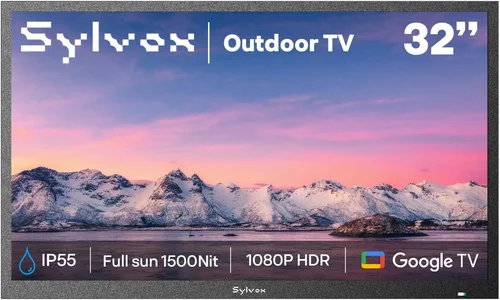
❌ Mistake: Buying a Standard Indoor TV for Full Outdoor Exposure
Why it’s bad: Indoor TVs are not designed to handle moisture, temperature changes, or dust. Placing one directly outside—even under a slight overhang—can lead to condensation, corrosion, and premature failure. Many manufacturers void warranties if used outdoors.
What to do instead: Use an indoor TV only in fully protected areas like screened-in porches or garages. For open-air setups, invest in a weatherproof enclosure or choose a semi-outdoor model designed for partial exposure.
❌ Mistake: Ignoring Brightness Requirements
Why it’s bad: A dim screen will look washed out in daylight, making it hard to see during afternoon gatherings or sunny days. Many budget TVs advertise high resolution but skimp on brightness.
What to do instead: Prioritize brightness (measured in nits) over resolution if you must choose. Aim for at least 400 nits, and consider anti-glare coatings or positioning the TV away from direct sunlight.
❌ Mistake: Overlooking Audio Needs
Why it’s bad: Built-in TV speakers are often weak and muffled, especially in open outdoor spaces where sound dissipates quickly. Relying on them can ruin the viewing experience.
What to do instead: Plan for external audio from the start. Pair your TV with weather-resistant Bluetooth speakers, a soundbar, or a full outdoor audio system. Many budget TVs support Bluetooth or optical audio output for easy connection.
❌ Mistake: Skipping the Enclosure for “Covered” Areas
Why it’s bad: Even under a roof, humidity, bugs, and occasional rain splashes can damage an unprotected TV. What seems like a safe spot can still pose risks over time.
What to do instead: Use a basic weatherproof enclosure even in covered areas. It adds minimal cost and significantly extends the TV’s lifespan. Look for enclosures with passive ventilation and IR pass-through for remote use.
❌ Mistake: Choosing the Wrong Screen Size
Why it’s bad: A TV that’s too small forces guests to squint, while one that’s too large can be overwhelming and difficult to mount securely. Both scenarios detract from the fun.
What to do instead: Measure your space and calculate optimal screen size based on viewing distance. Use online calculators or the 1.5x rule (screen size × 1.5 = minimum viewing distance in inches).
❌ Mistake: Not Checking Return Policies
Why it’s bad: Outdoor setups can reveal compatibility issues—mounting problems, signal interference, or poor visibility—that aren’t apparent in a store. Without a good return window, you’re stuck with a dud.
What to do instead: Buy from retailers with generous return policies (30 days or more). Test the TV thoroughly during the trial period, including brightness, connectivity, and audio.
❌ Mistake: Forgetting About Power and Connectivity
Why it’s bad: Running long HDMI or power cables across your yard is unsightly and can be a tripping hazard. Poor signal quality over long distances can also cause lag or dropouts.
What to do instead: Plan cable routing in advance. Use in-wall rated cables if running through walls, or conceal them with raceways. Consider wireless HDMI transmitters for a cleaner look.
Budget Guidelines: How Much Should You Spend?
- Entry-Level ($300–$500): This tier includes basic 4K smart TVs (like TCL 4-Series or Hisense A6) used indoors or in fully protected outdoor spaces. Expect decent picture quality, basic smart features, and limited brightness. Best for covered patios with minimal exposure.
- Mid-Range ($500–$900): The sweet spot for most families. You’ll find brighter panels (500+ nits), better color accuracy, and more reliable smart platforms. Models like the TCL 5-Series or Samsung TU690T offer excellent value. Add a $100–$200 weatherproof enclosure for safe outdoor use.
- Premium ($900–$1,500): For those willing to invest more, this range includes semi-outdoor TVs with enhanced durability, higher brightness, and advanced features like local dimming or voice control. Some models come with built-in weather resistance, eliminating the need for an enclosure.
- Luxury ($1,500+): Fully outdoor-rated TVs from brands like SunBrite or Seura. These are built to withstand rain, snow, and extreme temperatures. Ideal for uncovered decks or four-season climates, but overkill for most casual users.
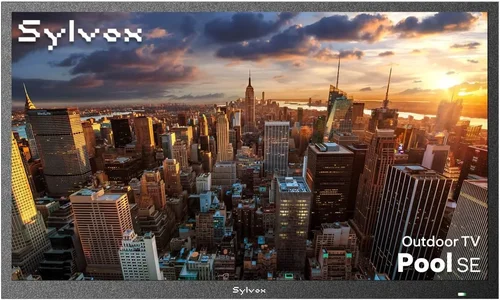
Expert Tips for Getting the Best Deal
- Shop During Seasonal Sales: The best time to buy is during Black Friday, Cyber Monday, or post-holiday clearance events (January–February). Many retailers discount older models to make room for new inventory.
- Compare Online and In-Store Prices: Use price-matching policies at stores like Best Buy or Costco. Online retailers often have lower prices, but in-store pickup can save on shipping and let you inspect the TV before taking it home.
- Look for Refurbished or Open-Box Deals: Certified refurbished TVs from reputable sellers come with warranties and can save you 20–40%. Open-box items are often returned due to buyer’s remorse, not defects.
- Check for Bundle Offers: Some retailers offer discounts when you buy a TV with a mount, soundbar, or streaming device. These bundles can provide better value than purchasing items separately.
- Read the Fine Print on Warranties: Some extended warranties are worth it; others are overpriced. Focus on coverage for screen and power issues, not cosmetic damage.
- Test Before Finalizing: If possible, test the TV in your intended location. Check brightness in daylight, remote responsiveness, and audio clarity. Return it within the trial period if it doesn’t meet expectations.
- Consider Future-Proofing: Choose a TV with HDMI 2.1 if you plan to game or use next-gen devices. While not essential now, it extends the TV’s useful life.
- Join Loyalty Programs: Stores like Amazon Prime, Best Buy Totaltech, or Costco offer member-exclusive deals, free shipping, and extended return windows.

Frequently Asked Questions
Q: Can I use a regular TV outside if it’s under a roof?
A: Yes, but only if it’s fully protected from rain, humidity, and temperature extremes. A sturdy overhang or pergola with side walls is ideal. For peace of mind, use a weatherproof enclosure even in covered areas.
Q: Do I need a special mount for outdoor TVs?
A: Not necessarily, but outdoor-rated mounts are more durable and often include corrosion-resistant coatings. Ensure the mount is compatible with your TV’s VESA pattern and can support its weight.
Q: How do I protect my TV from bugs and dust?
A: A sealed weatherproof enclosure with an IP54 or higher rating keeps out insects and debris. Regular cleaning with a microfiber cloth also helps maintain clarity and performance.
Q: Will my Wi-Fi work well outdoors?
A: It depends on your router’s range and obstacles like walls or trees. Consider a Wi-Fi extender or mesh network to boost signal strength in your backyard.
Q: Can I leave my outdoor TV on all night?
A: It’s not recommended. Continuous use generates heat and can shorten the TV’s lifespan. Use a timer or smart plug to turn it off automatically.
Q: Are outdoor TVs energy efficient?
A: Most modern LED TVs are energy efficient, but brightness settings impact power use. Lowering brightness at night can reduce consumption without sacrificing visibility.
Q: What’s the difference between IP54 and IP65?
A: IP54 protects against splashing water and dust; IP65 offers protection against low-pressure water jets and is better for areas with heavy rain or sprinklers.
Q: Can I connect a gaming console to my outdoor TV?
A: Absolutely! Just ensure the TV has low input lag and HDMI 2.0 or higher. Use a high-quality HDMI cable and consider a wireless controller for convenience.
Q: How long do budget outdoor TVs last?
A: With proper care and protection, a budget TV used outdoors can last 5–7 years. Indoor TVs in enclosures may last longer than fully exposed models.
Q: Is a projector better than a TV for backyard use?
A: Projectors offer larger images and portability but require darkness and a flat surface. TVs provide brighter, sharper images in daylight and are easier to set up permanently.
Our Final Recommendations
- Best for Budget-Conscious Buyers: TCL 55S555 55-inch 4K QLED Roku TV ($450) – Excellent color, 500 nits brightness, and built-in Roku. Pair with a $150 weatherproof enclosure for safe outdoor use.
- Best Overall Value: Hisense 65A7H 65-inch 4K UHD Smart TV ($550) – Bright, vibrant display with Dolby Vision and Google TV. Great for mid-sized patios with partial cover.
- Best Premium Option: Samsung The Terrace 55-inch Partial Outdoor TV ($1,299) – Designed for outdoor use with anti-glare coating, 2,000 nits brightness, and weather resistance. No enclosure needed.
- Best for Beginners: Insignia F30 50-inch 4K Fire TV ($350) – Simple setup, intuitive Fire TV interface, and affordable price. Ideal for first-time outdoor viewers.
- Best for Advanced Users: LG 65NANO75UPA 65-inch 4K Smart TV ($700) – NanoCell technology for wide viewing angles, low input lag, and webOS platform. Perfect for tech-savvy families who want flexibility.
Conclusion: Making the Right Choice
Choosing the right backyard TV doesn’t have to be overwhelming—or expensive. By focusing on your specific needs, environment, and budget, you can find a model that delivers great performance without the premium price tag. Remember to prioritize brightness, durability, and smart features, and don’t skimp on essential accessories like enclosures and mounts.
Whether you’re watching a summer blockbuster with the kids, hosting a football watch party, or enjoying a quiet evening under the stars, the right TV can elevate your outdoor experience. Take your time, do your research, and don’t rush into a purchase. With the insights from this guide, you’re well-equipped to make a smart, informed decision that your whole family will enjoy for years to come.
So go ahead—transform your backyard into the ultimate gathering spot. The perfect movie night is just a TV away.

