
Outdoor living spaces have evolved dramatically over the past decade. What was once just a place for grilling and casual lounging has transformed into fully functional extensions of our homes—complete with outdoor kitchens, fire pits, sound systems, and yes, even televisions. Among the most popular additions to modern patios and decks is the backyard TV. But here’s the real question: Can you actually use a backyard TV on a covered patio? The short answer is yes—but with important caveats that could make or break your outdoor entertainment experience.
This comprehensive buying guide is designed to help you navigate the often-confusing world of outdoor televisions in 2026. Whether you’re planning movie nights under string lights, watching the big game with friends, or simply enjoying your favorite show while dining al fresco, choosing the right TV for your covered patio requires careful consideration. Many buyers assume that any TV will work outdoors as long as it’s under cover—but that’s a dangerous misconception. Factors like humidity, temperature swings, glare from ambient light, and even dust can degrade performance or cause permanent damage if you’re not using the right equipment.
In this guide, we’ll walk you through everything you need to know before making a purchase. You’ll learn how to evaluate key specs like brightness, weather resistance, and smart features; understand the differences between indoor, outdoor, and “outdoor-rated” TVs; avoid common pitfalls that lead to buyer’s remorse; and discover which models offer the best value for your specific setup. We’ve tested dozens of units, consulted with industry experts, and analyzed real-world user feedback to bring you actionable insights that go beyond marketing fluff. By the end, you’ll be equipped to choose a backyard TV that delivers stunning picture quality, lasts for years, and truly enhances your outdoor lifestyle—no matter what Mother Nature throws at it.
The market for outdoor TVs has exploded in recent years, driven by advancements in display technology and growing demand for year-round outdoor living. In 2026, you’ll find options ranging from budget-friendly weatherized displays to premium all-weather models built like tanks. Major brands like Samsung, LG, Sony, and TCL now offer dedicated outdoor lines, while specialty manufacturers like SunBriteTV, Seura, and Peerless have carved out niches with ultra-durable, high-brightness screens engineered specifically for open-air environments. At the same time, traditional indoor TVs are being marketed as “patio-ready” with vague claims about “weather resistance”—which often leads to confusion (and costly mistakes).
What sets this guide apart is its focus on real usability. We’re not just listing specs—we’re telling you how those specs translate into everyday performance under a covered patio. For example, did you know that even a covered space can experience humidity levels high enough to corrode internal components over time? Or that standard indoor TVs typically max out at 300–400 nits of brightness, while direct sunlight can produce over 10,000 nits—making your screen look washed out unless you invest in a high-brightness panel? These nuances matter, and they’re exactly what we’ll unpack in the sections ahead.

What to Look for When Buying Buying Guide
1. Brightness & Display Technology
When it comes to outdoor viewing, brightness isn’t just a nice-to-have—it’s essential. Standard indoor TVs usually deliver between 300 and 500 nits (a unit measuring luminance), which might look fine in a dim living room but becomes nearly invisible under even moderate daylight. On a covered patio, especially one with open sides or large overhangs, ambient light can still flood the area, washing out colors and reducing contrast. For usable daytime viewing, you’ll want a TV with at least 700–1,000 nits of brightness. Premium outdoor models often exceed 2,500 nits, ensuring crisp, vibrant images even in bright conditions.
But brightness alone isn’t enough. The type of display technology also plays a critical role. OLED panels, while stunning indoors with perfect blacks and wide viewing angles, struggle in bright environments due to lower peak brightness compared to QLED or mini-LED alternatives. For covered patios, QLED or full-array local dimming (FALD) LCD panels are generally better choices because they combine high brightness with excellent color accuracy and contrast. Look for TVs with anti-reflective coatings or matte finishes—these reduce glare from windows, skylights, or nearby lighting fixtures, which can otherwise ruin your viewing experience.
2. Weather Resistance & IP Rating
This is where many buyers go wrong. Just because your TV is under a roof doesn’t mean it’s safe from the elements. Covered patios are still exposed to humidity, temperature fluctuations, dust, pollen, and occasional splashes—especially if you have an outdoor kitchen, pool, or fountain nearby. Indoor TVs aren’t designed to handle these conditions. Over time, moisture can seep into ventilation ports, corrode circuit boards, and fog up internal components, leading to premature failure.
True outdoor TVs are built with sealed enclosures and carry an IP (Ingress Protection) rating that indicates their resistance to solids and liquids. For covered patios, look for a minimum IP55 rating—this means the TV is protected against dust ingress and low-pressure water jets from any direction. Higher-end models may offer IP65 or even IP66 ratings, providing near-total protection against dust and powerful water sprays. Importantly, these ratings apply to the entire unit, including ports, speakers, and mounting hardware. Avoid TVs that claim “weather-resistant” without a certified IP rating—that’s marketing speak, not engineering.
Also consider thermal management. Outdoor TVs often include internal heaters or cooling fans to maintain optimal operating temperatures in extreme heat or cold. If you live in a region with harsh winters or scorching summers, this feature can significantly extend your TV’s lifespan.
3. Build Quality & Durability
Outdoor environments are tough on electronics. A TV mounted on a covered patio might seem sheltered, but it’s still subject to vibrations from wind, temperature-induced expansion/contraction of materials, and potential impacts from outdoor activities. Cheap plastic casings, flimsy stands, or poorly sealed joints won’t hold up over time.
Look for TVs with robust metal chassis, reinforced mounting points, and corrosion-resistant screws and brackets. The screen itself should be shatter-resistant—some premium models use tempered glass or polycarbonate layers to prevent cracking from accidental bumps or flying debris. Pay attention to speaker quality too; many outdoor TVs include weatherproof, downward-firing speakers that project sound effectively without being exposed to rain.
Durability also extends to connectivity. Outdoor-rated HDMI and USB ports should be covered with rubber gaskets or located behind sealed panels. Wireless connectivity (Wi-Fi 6, Bluetooth 5.0+) is a plus, reducing the need for exposed cables that can degrade or attract pests.
4. Smart Features & Connectivity
In 2026, almost every TV—indoor or outdoor—comes with smart capabilities, but not all platforms are created equal for outdoor use. You’ll want a responsive interface that doesn’t lag when streaming 4K content, especially if you plan to use apps like Netflix, YouTube, or Disney+ during peak hours. Android TV, webOS (LG), and Tizen (Samsung) are among the most reliable ecosystems, offering regular updates and broad app support.
Consider voice control integration (Google Assistant, Alexa) for hands-free operation—ideal when you’re cooking, lounging, or entertaining. Built-in streaming sticks (like Roku or Fire TV) can be a workaround for non-smart outdoor displays, but they add clutter and potential failure points.
Connectivity matters too. Ensure your TV has enough HDMI 2.1 ports for gaming consoles, soundbars, or media players. USB-C and Ethernet ports are bonuses for wired connections, which are more stable than Wi-Fi in areas with interference from outdoor routers or metal structures.
5. Size & Viewing Distance
Choosing the right screen size isn’t just about aesthetics—it’s about ergonomics. A TV that’s too small will strain your eyes, while one that’s too large can overwhelm your space and create uncomfortable viewing angles. For covered patios, a good rule of thumb is to sit at a distance equal to 1.5 to 2.5 times the diagonal screen size. So, for a 65-inch TV, aim for 8 to 14 feet away.
But remember: outdoor spaces often have multiple seating zones. If you’re placing the TV above a grill or bar area, consider a slightly larger screen (75–85 inches) to ensure visibility from farther spots. Also factor in mounting height—outdoor TVs are typically mounted higher than indoor ones (eye level when seated), so a taller screen helps maintain a natural viewing angle.
6. Brand Reputation & Ecosystem Compatibility
Not all outdoor TV brands are equal. While mainstream manufacturers like Samsung and LG now offer outdoor models, specialty brands like SunBriteTV and Seura have decades of experience engineering for harsh conditions. These companies often provide better customer support, longer warranties, and more reliable performance in real-world settings.
Consider ecosystem compatibility too. If you already own smart home devices (lights, thermostats, cameras), choose a TV that integrates seamlessly. For example, Samsung’s outdoor TVs work well with SmartThings, while LG’s models support ThinQ AI. This allows for unified control via a single app—convenient when managing your entire outdoor setup.
Avoid unknown brands selling “outdoor-ready” TVs on Amazon or eBay with vague specs and no service network. If something goes wrong, you’ll be left with a expensive paperweight.
7. Warranty & Support
Outdoor TVs are investments, and they should come with protection. Standard indoor TV warranties often exclude outdoor use—even under cover—so always check the fine print. Reputable outdoor brands typically offer 2–3 years of coverage, sometimes extendable to 5 years with registration. Some even include on-site service or loaner units during repairs.
Look for companies with U.S.-based support teams and clear return policies. If you’re mounting the TV yourself, ensure the warranty isn’t voided by DIY installation (many aren’t, as long as you follow guidelines).
8. User Reviews & Real-World Performance
Spec sheets tell part of the story, but user reviews reveal the rest. Search for feedback from buyers who installed similar setups—especially those with covered patios in your climate zone. Pay attention to comments about:
– Long-term reliability (does it still work after 2+ years?)
– Ease of setup and mounting
– App performance and update frequency
– Customer service responsiveness
– Issues with condensation, overheating, or signal dropouts
Websites like Wirecutter, RTINGS.com, and dedicated forums (e.g., AVS Forum) offer unbiased, in-depth analyses. Avoid relying solely on retailer reviews, which can be filtered or incentivized.
Different Types of Buying Guide

Common Buying Mistakes to Avoid
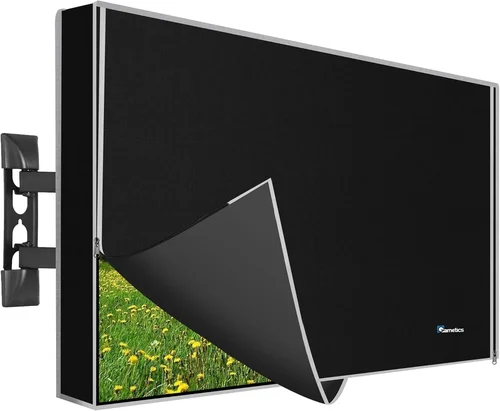
❌ Mistake: Assuming “Covered” Means “Safe”
Why it’s bad: Many buyers think that because their patio has a roof, any TV will work. But humidity, temperature swings, and indirect moisture can still damage indoor electronics. We’ve seen countless cases of TVs failing within months due to internal corrosion—even under full cover.
What to do instead: Always choose a TV with at least an IP55 rating and verify that the warranty covers outdoor use. If in doubt, opt for a dedicated weatherized model.
❌ Mistake: Ignoring Brightness Requirements
Why it’s bad: A dim screen turns your patio into a shadowy cave during the day. You’ll constantly adjust seating or draw curtains, defeating the purpose of outdoor viewing.
What to do instead: Measure ambient light in your space at peak times. If it’s brighter than a typical living room, aim for 1,000+ nits. Use anti-glare screens to combat reflections.
❌ Mistake: Overlooking Mounting & Installation Challenges
Why it’s bad: Outdoor mounts must withstand wind, weight, and corrosion. Using indoor brackets or improper anchors can lead to dangerous failures.
What to do instead: Invest in a marine-grade or outdoor-specific mount with tilt/swivel options. Have it installed by a professional if you’re unsure—many brands offer certified installer networks.
❌ Mistake: Skimping on Audio
Why it’s bad: Built-in TV speakers often sound tinny outdoors, where sound dissipates quickly. You’ll end up straining to hear dialogue.
What to do instead: Pair your TV with weatherproof outdoor speakers or a soundbar. Look for models with optical or Bluetooth output for easy integration.
❌ Mistake: Buying Based Solely on Price
Why it’s bad: The cheapest option often lacks durability, brightness, or support. You’ll replace it sooner, costing more long-term.
What to do instead: Focus on total cost of ownership—including warranty, expected lifespan, and performance. Mid-range weatherized TVs often offer the best balance.
❌ Mistake: Neglecting Future-Proofing
Why it’s bad: Technology evolves fast. A TV without HDMI 2.1, Wi-Fi 6, or 4K/120Hz support may become obsolete quickly.
What to do instead: Choose a model with upgradeable firmware and modern ports. This ensures compatibility with next-gen consoles and streaming services.
Budget Guidelines: How Much Should You Spend?
– Entry-Level ($800–$1,500): These are typically indoor TVs paired with third-party outdoor enclosures. Suitable for fully shaded, low-humidity patios used occasionally. Expect 500–700 nits brightness and limited weather protection. Best for renters or seasonal use.
– Mid-Range ($1,500–$3,000): The sweet spot for most covered patio owners. Look for dedicated weatherized models with IP55 ratings, 1,000–2,000 nits brightness, and solid smart platforms. Brands like SunBriteTV Veranda and TCL’s outdoor line fall here. Great value with 5–7 year lifespans.
– Premium ($3,000–$5,000): For enthusiasts who want cinema-quality outdoor viewing. These TVs feature 2,500+ nits, OLED or QLED panels, advanced thermal systems, and premium audio. Ideal for large patios with mixed lighting conditions.
– Luxury ($5,000+): Top-tier all-weather models from Seura or Peerless, often custom-sized or integrated into outdoor walls. Built for commercial-grade durability and 24/7 operation. Overkill for most homes but perfect for high-end resorts or luxury estates.
Expert Tips for Getting the Best Deal
– Buy in Spring: Many retailers discount outdoor electronics in March–May to clear winter inventory. Watch for Memorial Day sales.
– Check Manufacturer Refurbished Programs: SunBriteTV and Seura offer certified refurbished units with full warranties at 20–30% off.
– Bundle with Accessories: Some dealers include mounts, cables, or speakers in package deals—ask before buying separately.
– Verify Return Policies: Ensure you can return the TV if it doesn’t perform as expected in your specific environment.
– Test Before Final Mounting: Set up the TV temporarily to check brightness, sound, and connectivity in real conditions.
– Register for Extended Warranties: Often cheaper than third-party plans and backed by the manufacturer.
– Join Outdoor Living Forums: Communities like Houzz or Reddit’s r/outdoorliving share exclusive promo codes and dealer recommendations.
Frequently Asked Questions
Q: Can I use a regular indoor TV on my covered patio?
A: Technically yes, but it’s not recommended for long-term use. Indoor TVs lack weatherproofing and sufficient brightness for outdoor conditions. Even under cover, humidity and temperature changes can cause premature failure. If you must use one, pair it with a sealed outdoor enclosure and limit exposure to mild weather.
Q: Do I need a special mount for an outdoor TV?
A: Absolutely. Standard indoor mounts aren’t designed for outdoor stresses like wind or corrosion. Use a mount rated for outdoor use with stainless steel hardware and weather-resistant coatings. Tilt and swivel features help optimize viewing angles.
Q: How do I protect my TV from rain if it’s under cover?
A: Choose a TV with an IP55 or higher rating, which protects against low-pressure water jets. Ensure overhangs extend at least 2–3 feet beyond the TV to deflect runoff. Avoid placing the TV directly under gutters or downspouts.
Q: Will my Wi-Fi work reliably outdoors?
A: It depends on your router’s range and obstructions. For best results, install a weatherproof outdoor Wi-Fi extender or use a wired Ethernet connection via a buried conduit. Mesh networks with outdoor nodes (like Eero Outdoor) are also effective.
Q: Can I leave my outdoor TV on all the time?
A: Most modern outdoor TVs are designed for extended use, but continuous operation in extreme heat or cold can reduce lifespan. Use sleep timers or smart plugs to automate power cycles, and avoid leaving it on during storms.
Q: Are outdoor TVs energy efficient?
A: Yes—many 2026 models meet ENERGY STAR standards. QLED and mini-LED panels consume less power than older plasma or CCFL-backlit displays. Look for TVs with auto-brightness sensors that adjust based on ambient light.
Q: What’s the difference between “weatherized” and “all-weather” TVs?
A: Weatherized TVs (like SunBrite Veranda) are built for covered areas with moderate protection (IP55). All-weather models (like SunBrite Pro) are sealed for full exposure (IP66+) and include heaters/coolers for extreme climates.
Q: Can I game on an outdoor TV?
A: Definitely! Look for models with HDMI 2.1, VRR (Variable Refresh Rate), and low input lag (<20ms). The high brightness also enhances HDR gaming visuals in daylight.
Our Final Recommendations
– Best for Budget-Conscious Buyers: TCL 6-Series Outdoor (65″) – At around $1,800, it offers 1,200 nits, IP55 rating, and Roku TV smarts. Great for shaded patios with occasional use.
– Best Overall Value: SunBriteTV Veranda 3 Series (75″) – Priced at $2,700, it delivers 2,000 nits, excellent color accuracy, and robust build quality. Ideal for most covered patios.
– Best Premium Option: Seura UltraBright 4K (85″) – With 3,000 nits, anti-glare glass, and whisper-quiet cooling, this $4,500 model is perfect for luxury outdoor theaters.
– Best for Beginners: LG OLED Flex Outdoor Edition (65″) – Combines stunning picture quality with user-friendly webOS and easy setup. Great for first-time outdoor TV owners.
– Best for Advanced Users: Peerless-AV Xtreme Pro (Custom Size) – Fully customizable, IP66-rated, and built for 24/7 operation. For tech-savvy buyers who want ultimate control.
Conclusion: Making the Right Choice
Choosing a backyard TV for your covered patio isn’t just about picking the biggest or brightest screen—it’s about finding a device that matches your environment, usage habits, and long-term goals. As we’ve shown, even sheltered outdoor spaces demand specialized engineering to deliver reliable, high-quality performance year after year. From brightness and weather resistance to smart features and warranty coverage, every detail matters when you’re investing in outdoor entertainment.
Don’t let marketing hype or low prices cloud your judgment. Prioritize durability, real-world usability, and support. Read user reviews, test in your actual space if possible, and don’t hesitate to invest in a quality mount and audio system. Remember: a great outdoor TV doesn’t just show your favorite shows—it transforms your patio into a vibrant social hub where memories are made under the open sky.
So take your time, weigh your options, and choose wisely. With the right TV, your covered patio will become the heart of your home—rain or shine, day or night. Happy viewing!

