
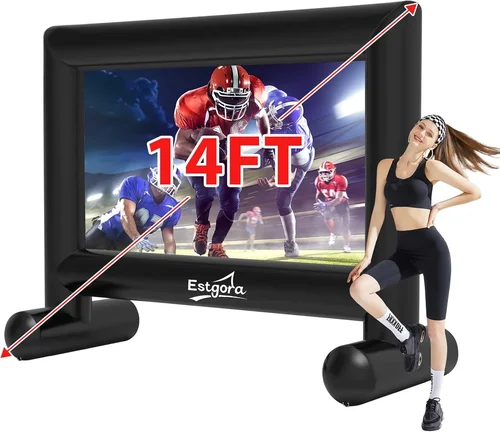
Backyard movie nights have become one of the most beloved outdoor entertainment trends of the past decade. What started as a quirky pandemic-era pastime has evolved into a full-fledged cultural phenomenon—families, friends, and even entire neighborhoods now gather under the stars with blankets, snacks, and a big screen to enjoy everything from classic films to the latest blockbusters. And while projectors once dominated the scene, backyard TVs are rapidly emerging as the smarter, more reliable alternative for outdoor viewing.
But here’s the catch: not all TVs are built for the great outdoors. Using a standard indoor television in your backyard can lead to disappointing picture quality, poor durability, and even safety hazards. That’s why choosing the right outdoor TV is critical—not just for performance, but for longevity and peace of mind. Whether you’re hosting a summer block party, setting up a cozy date night under the string lights, or simply unwinding after a long day, the right backyard TV can transform your outdoor space into a true entertainment hub.
This comprehensive buying guide is designed to help you navigate the growing market of outdoor televisions with confidence. You’ll learn how to evaluate key features like brightness, weather resistance, and smart functionality, understand the differences between various types of outdoor TVs, and avoid common pitfalls that could cost you time and money. By the end, you’ll have a clear roadmap to selecting the perfect backyard TV that fits your lifestyle, budget, and viewing preferences.
The outdoor TV market has exploded in recent years, with manufacturers responding to consumer demand for durable, high-performance displays that can withstand the elements. From fully weatherproof models designed for year-round use to portable options ideal for seasonal setups, there’s now a wide range of choices available. However, this abundance of options can also be overwhelming—especially if you’re new to outdoor entertainment tech. This guide cuts through the noise, offering expert insights, real-world comparisons, and actionable advice to ensure you make a smart, informed decision.
Whether you’re upgrading from a projector, replacing an old outdoor TV, or investing in your first one, this guide will equip you with everything you need to know. We’ll cover everything from technical specifications and build quality to budget considerations and expert tips for getting the best deal. Let’s dive in and help you create the ultimate backyard cinema experience.

What to Look for When Buying Buying Guide
1. Weather Resistance & IP Rating
One of the most critical factors when choosing a backyard TV is its ability to withstand outdoor conditions. Unlike indoor TVs, outdoor models must endure rain, humidity, dust, extreme temperatures, and UV exposure. This is where the Ingress Protection (IP) rating comes into play—a standardized measure of how well a device resists solid particles (like dust) and liquids (like water).
Look for an outdoor TV with at least an IP55 rating, which means it’s protected against dust ingress and low-pressure water jets from any direction. For full four-season use or areas with heavy rainfall, aim for IP65 or higher. Some premium models even offer IP66 or IP67 ratings, providing near-total protection against dust and powerful water jets or temporary submersion.
Beyond the IP rating, consider the TV’s internal components. High-quality outdoor TVs use sealed cooling systems, rust-resistant materials, and conformal coating on circuit boards to prevent moisture damage. Cheaper models may claim “weather-resistant” but lack proper sealing, leading to premature failure.
2. Screen Brightness & Anti-Glare Technology
Outdoor viewing presents a unique challenge: ambient light. Even at night, streetlights, moonlight, and nearby house lights can wash out the image on a standard TV screen. That’s why brightness—measured in nits—is arguably the most important performance spec for a backyard TV.
For daytime or twilight viewing, you’ll need a minimum of 700 nits, but ideally 1,000 nits or higher. Some top-tier outdoor TVs boast brightness levels exceeding 2,000 nits, ensuring vivid colors and sharp contrast even in direct sunlight. This is especially important if you plan to watch sports, nature documentaries, or action movies during the day.
Equally important is anti-glare technology. Look for TVs with matte or anti-reflective coatings that diffuse ambient light rather than reflecting it. OLED screens, while stunning indoors, often struggle outdoors due to their lower peak brightness and reflective surfaces. Instead, opt for high-brightness LED or QLED panels specifically engineered for outdoor use.
3. Size & Viewing Distance
Choosing the right screen size isn’t just about aesthetics—it directly impacts your viewing experience. A TV that’s too small will be hard to see from a distance, while one that’s too large can overwhelm your space and strain your eyes.
As a general rule, your viewing distance should be about 1.5 to 2.5 times the diagonal screen size. For example, a 65-inch TV is ideal for viewers sitting 8 to 14 feet away. If your seating area is closer than 6 feet, consider a 55-inch model. For larger patios or decks with seating 15+ feet away, go for 75 inches or more.
Keep in mind that outdoor spaces often have more ambient light and less controlled acoustics, so a larger screen can help maintain immersion. However, don’t sacrifice brightness or picture quality just to go bigger—balance size with performance.
4. Smart Features & Connectivity
Modern outdoor TVs aren’t just dumb screens—they’re full-fledged smart platforms. Look for models with built-in Wi-Fi, streaming apps (like Netflix, Disney+, and YouTube), and voice control via Alexa or Google Assistant. This eliminates the need for external streaming devices and simplifies setup.
Connectivity is also key. Ensure your TV has multiple HDMI ports (at least 3), USB inputs, and possibly an Ethernet port for a wired internet connection—especially useful if your Wi-Fi signal is weak outdoors. Some models even include Bluetooth for wireless audio to outdoor speakers.
If you plan to connect gaming consoles, soundbars, or cable boxes, verify compatibility and port availability. Also, check if the TV supports HDMI-CEC, which allows you to control multiple devices with one remote.
5. Build Quality & Durability
Outdoor TVs are an investment, and you want yours to last. Pay close attention to the materials used in the chassis, stand, and mounting hardware. Look for powder-coated aluminum or stainless steel frames that resist rust and corrosion. Avoid plastic-heavy designs, which can degrade over time when exposed to UV rays.
The screen itself should be made of tempered glass or reinforced acrylic to resist scratches and impacts. Some models feature shatter-resistant screens, which are especially important if you have kids or pets.
Additionally, consider the TV’s operating temperature range. Most outdoor TVs function between -30°F and 120°F (-34°C to 49°C), but cheaper models may have narrower ranges. If you live in an area with extreme winters or scorching summers, verify the specs match your climate.
6. Audio Performance & External Speaker Support
While picture quality grabs most of the attention, sound is equally important for an immersive movie night. Unfortunately, many outdoor TVs have limited built-in speakers due to space and weatherproofing constraints. You’ll often find small, downward-firing speakers that struggle to fill a backyard.
For the best audio experience, plan to connect external speakers. Look for TVs with optical audio output, 3.5mm aux, or Bluetooth support. Pairing your TV with weather-resistant outdoor speakers or a soundbar can dramatically improve dialogue clarity and bass response.
Some premium models include enhanced audio systems with built-in subwoofers or Dolby Atmos support, but these are rare in outdoor TVs. If audio is a priority, factor in the cost of external speakers when budgeting.
7. Installation & Mounting Options
How you mount your TV affects both safety and viewing comfort. Most outdoor TVs are designed for wall mounting, but you may also find ceiling or post-mounted options. Ensure your mounting location is structurally sound—especially if attaching to a wooden deck or pergola.
Look for VESA-compatible mounting patterns (e.g., 200×200, 400×400) so you can use standard wall mounts. Some manufacturers offer proprietary outdoor mounts with tilt and swivel features, allowing you to adjust the angle for optimal viewing.
Cable management is another consideration. Outdoor TVs should have sealed cable entry points to prevent water intrusion. Use weatherproof conduit or raceways to protect HDMI and power cables from the elements.
8. Brand Reputation & Warranty
Not all outdoor TV brands are created equal. Stick with reputable manufacturers known for quality and reliability, such as SunBriteTV, Samsung (The Terrace), LG (OLED Flex for outdoor use), and Seura. These companies specialize in outdoor displays and offer better support and longer warranties.
A strong warranty is a sign of confidence in the product. Look for at least a 2-year warranty, with some brands offering up to 5 years. Check what’s covered—does it include labor, parts, and on-site service? Is outdoor use explicitly included?
Avoid no-name brands sold on third-party marketplaces. While they may seem like a bargain, they often lack proper certifications, customer support, and long-term reliability.
Different Types of Buying Guide

Common Buying Mistakes to Avoid
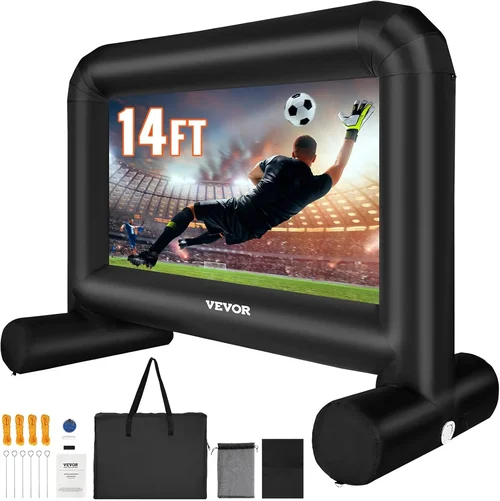
❌ Mistake: Buying a Standard Indoor TV for Outdoor Use
Why it’s bad: Indoor TVs are not designed to handle moisture, temperature swings, or UV exposure. Even under a covered patio, condensation can form inside the screen, leading to fogging, corrosion, and permanent damage. Additionally, indoor TVs lack the brightness needed for outdoor viewing, resulting in a dim, washed-out image.
What to do instead: Invest in a purpose-built outdoor TV or use a high-quality outdoor enclosure if you already own an indoor model. Never assume an indoor TV will “work fine” outside—it’s a recipe for disappointment and costly replacement.
❌ Mistake: Ignoring the IP Rating
Why it’s bad: Without a proper IP rating, you have no guarantee the TV can withstand rain, dust, or humidity. A TV marketed as “weather-resistant” but lacking an IP certification may fail within months.
What to do instead: Always verify the IP rating and understand what it means. IP55 is the minimum for light outdoor use; IP65 or higher is ideal for full exposure. Check the fine print—some brands inflate claims without third-party testing.
❌ Mistake: Overlooking Brightness Requirements
Why it’s bad: A TV with low brightness (under 500 nits) will look dull and hard to see, even at dusk. This ruins the movie night experience and makes it difficult to enjoy content during the day.
What to do instead: Prioritize brightness—aim for at least 700 nits, but 1,000+ nits is better. Look for TVs with high dynamic range (HDR) support and anti-glare coatings to enhance visibility in bright conditions.
❌ Mistake: Skimping on Audio
Why it’s bad: Most outdoor TVs have weak built-in speakers. Relying solely on them results in muffled dialogue and lackluster sound, especially in open spaces where sound dissipates quickly.
What to do instead: Plan for external audio from the start. Invest in weather-resistant outdoor speakers or a soundbar. Use Bluetooth or wired connections to ensure clear, powerful sound that matches the visual experience.
❌ Mistake: Poor Mounting or Installation
Why it’s bad: Improper mounting can lead to instability, water intrusion, or even the TV falling. Using indoor mounts or DIY solutions increases the risk of damage and safety hazards.
What to do instead: Use a VESA-compatible outdoor mount designed for your TV’s weight and size. Ensure the mounting surface is secure and consider professional installation if you’re unsure. Always route cables through weatherproof conduits.
❌ Mistake: Not Checking Return & Warranty Policies
Why it’s bad: Outdoor TVs are expensive, and if something goes wrong, you need reliable support. Some retailers have strict return windows or exclude outdoor use from warranties.
What to do instead: Read the fine print before buying. Choose retailers with generous return policies (30+ days) and brands that offer comprehensive warranties covering outdoor conditions. Keep all documentation and receipts.
❌ Mistake: Forgetting About Power & Connectivity
Why it’s bad: Running extension cords across your yard is unsafe and unsightly. Weak Wi-Fi signals can cause buffering, ruining your movie night.
What to do instead: Plan your power source in advance—consider outdoor-rated outlets or consult an electrician. Use a Wi-Fi extender or mesh network to boost signal strength. For wired connections, use weatherproof Ethernet cables.
Budget Guidelines: How Much Should You Spend?
Entry-Level ($800 – $1,500): This tier includes portable outdoor TVs and indoor models with basic outdoor enclosures. Expect smaller screens (32–50 inches), lower brightness (500–700 nits), and limited smart features. Best for occasional use under covered areas. Ideal for renters or those testing the waters of outdoor entertainment.
Mid-Range ($1,500 – $3,500): The sweet spot for most buyers. These TVs offer 55–75 inch screens, 700–1,200 nits brightness, IP55 or higher ratings, and solid smart platforms. Models like the Samsung The Terrace Partial Sun or SunBriteTV Veranda series fall here. Great for covered patios and seasonal use.
Premium ($3,500 – $6,000): Designed for full outdoor exposure and year-round use. Features include 1,500+ nits brightness, IP65+ ratings, advanced cooling, and premium audio. Brands like SunBriteTV and Seura dominate this space. Perfect for open decks, pool areas, or four-season climates.
Luxury ($6,000+): Top-tier commercial-grade displays with 2,000+ nits brightness, 24/7 operation capability, and ultra-durable construction. Often used in hotels, restaurants, or luxury homes. These TVs are overkill for most residential users but offer unmatched performance and longevity.
Expert Tips for Getting the Best Deal
– Buy during off-season sales: Look for discounts in late fall or winter when demand is low. Many retailers clear out inventory before spring.
– Check manufacturer rebates: Brands like Samsung and SunBriteTV often offer seasonal promotions or bundle deals with mounts and speakers.
– Compare online and in-store prices: Online retailers may have lower prices, but local stores sometimes offer price matching or free installation.
– Read user reviews carefully: Focus on long-term feedback—how does the TV perform after 6–12 months outdoors?
– Consider refurbished models: Certified pre-owned outdoor TVs from reputable sellers can save you 20–30% with full warranty coverage.
– Bundle with accessories: Some retailers offer discounts when you buy a TV, mount, and speakers together.
– Test before you buy: If possible, visit a showroom to see the TV’s brightness and picture quality in person.
– Negotiate installation: Ask if the retailer includes free or discounted professional mounting—this can add significant value.

Frequently Asked Questions
Q: Can I use a regular TV outside if it’s under a covered patio?
A: Technically yes, but it’s not recommended. Even under cover, humidity, temperature changes, and occasional rain exposure can damage an indoor TV. For reliable performance and longevity, use a TV specifically designed for outdoor use or a high-quality outdoor enclosure.
Q: Do outdoor TVs need special power outlets?
A: Not necessarily, but they should be connected to a GFCI (Ground Fault Circuit Interrupter) outlet for safety. This protects against electrical shock in wet conditions. Avoid using standard indoor outlets or long extension cords.
Q: How do I protect my outdoor TV from theft?
A: Use a locking mount, install motion-sensor lights, and consider a security camera. Some high-end models come with built-in anti-theft features like tamper alerts or GPS tracking.
Q: Can I leave my outdoor TV on all the time?
A: Only if it’s a commercial-grade model rated for 24/7 operation. Most residential outdoor TVs are designed for intermittent use. Leaving them on continuously can overheat the components and shorten lifespan.
Q: What’s the difference between partial-sun and full-sun outdoor TVs?
A: Partial-sun models are designed for covered areas with indirect light and mild weather exposure. Full-sun (or all-weather) TVs are built for direct sunlight, rain, snow, and extreme temperatures. Choose based on your installation location.
Q: Do outdoor TVs come with remotes that work in the dark?
A: Many do—look for models with backlit or glow-in-the-dark buttons. This is a small but helpful feature for nighttime use.
Q: Can I connect a projector and an outdoor TV to the same setup?
A: Yes! Use an HDMI switch to toggle between sources. This gives you flexibility—use the projector for large gatherings and the TV for everyday viewing.
Q: How often should I clean my outdoor TV?
A: Wipe the screen and frame monthly with a soft, dry cloth. Avoid harsh chemicals. For tougher grime, use a mild soap solution and rinse thoroughly. Never spray water directly on the screen.
Q: Are outdoor TVs energy efficient?
A: Modern models are relatively efficient, but high brightness increases power consumption. Look for ENERGY STAR-certified models to reduce electricity use.
Q: What happens if my outdoor TV gets rained on?
A: If it’s properly rated (IP55 or higher) and installed correctly, it should be fine. However, avoid spraying it directly with a hose. Always follow the manufacturer’s care instructions.
Our Final Recommendations
Best for Budget-Conscious Buyers: Samsung The Terrace Partial Sun (55″) – At around $2,200, it offers excellent brightness (1,500 nits), smart features, and solid weather resistance for covered areas.
Best Overall Value: SunBriteTV Veranda Series (65″) – Priced at $3,200, it delivers full weatherproofing, 1,000+ nits brightness, and reliable performance for most backyard setups.
Best Premium Option: SunBriteTV Pro Series (75″) – At $5,500, this is the gold standard for outdoor viewing—ultra-bright, fully sealed, and built to last decades.
Best for Beginners: Seura Outdoor TV (55″) – User-friendly interface, sleek design, and excellent customer support make it ideal for first-time buyers.
Best for Advanced Users: Samsung The Terrace Full Sun (85″) – With 2,000+ nits brightness and advanced cooling, it’s perfect for tech-savvy users who want top-tier performance.
Conclusion: Making the Right Choice
Choosing the right backyard TV is about more than just picking the biggest screen or the lowest price. It’s about understanding your environment, your viewing habits, and your long-term goals for outdoor entertainment. From weather resistance and brightness to smart features and audio quality, every detail matters when you’re creating a cinematic experience under the stars.
This guide has walked you through the essential factors, compared the different types of outdoor TVs, highlighted common pitfalls, and provided expert tips to help you make a confident decision. Remember: the best TV for you is the one that fits your space, your budget, and your lifestyle—not the one with the flashiest specs or the highest price tag.
Take your time, do your research, and don’t hesitate to reach out to manufacturers or retailers with questions. And when you finally press play on that first movie night, you’ll know you made the right choice. Here’s to unforgettable evenings, starlit screenings, and the joy of bringing the magic of cinema into your own backyard.

