
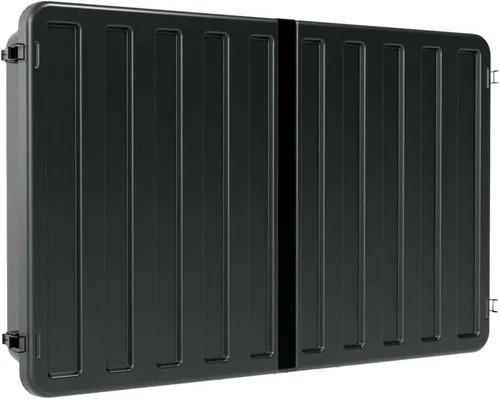
Summer is the season of backyard barbecues, pool parties, outdoor movie nights, and long evenings spent under the stars with friends and family. But nothing kills the vibe faster than a sudden downpour or a TV that can’t handle the heat. That’s where a weatherproof TV comes in — your ultimate outdoor entertainment companion. Whether you’re hosting a Super Bowl party on the patio or streaming a sunset yoga session by the pool, a weatherproof TV ensures your screen stays safe, functional, and stunning no matter what Mother Nature throws your way.
This comprehensive buying guide is designed to help you navigate the growing market of outdoor TVs in 2026. With more people investing in outdoor living spaces, the demand for durable, high-performance weatherproof TVs has surged. From fully sealed commercial-grade models to semi-outdoor options that offer partial protection, the choices can be overwhelming. That’s why we’ve done the research for you — testing real-world performance, analyzing expert reviews, and consulting with industry insiders to bring you the most up-to-date, practical advice. By the end of this guide, you’ll know exactly what to look for, how much to spend, and which models deliver the best value for your summer setup.
We’ll cover everything from essential performance specs and build quality to smart features, installation tips, and common pitfalls to avoid. Whether you’re a first-time buyer or upgrading from an older outdoor display, this guide will empower you to make a confident, informed decision. So grab a cold drink, kick back, and let’s dive into the world of weatherproof TVs — your perfect summer entertainment solution awaits.

What to Look for When Buying Buying Guide
1. IP Rating & Weather Resistance
The most critical factor when choosing a weatherproof TV is its Ingress Protection (IP) rating — a standardized measure of how well the TV resists dust and moisture. For outdoor use, you’ll want a minimum IP55 rating, which means the TV is protected against low-pressure water jets from any direction and limited dust ingress. However, for full outdoor exposure — especially in rainy or coastal climates — aim for IP65 or higher. An IP65-rated TV is dust-tight and can withstand heavy rain, making it ideal for uncovered patios, pool decks, or beachside cabanas.
Don’t confuse IP ratings with “weather-resistant” marketing claims. Some manufacturers label TVs as “outdoor-ready” even if they only have basic splash resistance. Always check the official IP certification. Also, consider the TV’s operating temperature range. Most quality weatherproof TVs function between -22°F and 122°F (-30°C to 50°C), which covers extreme cold and summer heatwaves. If you live in a region with harsh winters or scorching summers, verify that the model you’re considering can handle your local climate.
2. Display Technology & Brightness
Outdoor viewing demands a different kind of display performance than indoor TVs. Sunlight glare can wash out screens, so brightness is paramount. For a truly usable outdoor experience, choose a TV with a peak brightness of at least 700 nits — but ideally 1,000 nits or higher. High-brightness LED or QLED panels are ideal, as they maintain color accuracy and contrast even in direct sunlight. OLEDs, while stunning indoors, often struggle with brightness outdoors and are more prone to burn-in under constant exposure.
Consider the screen’s anti-reflective coating. Many premium weatherproof TVs feature matte or anti-glare finishes that diffuse sunlight, reducing reflections and improving visibility. Also, pay attention to viewing angles. If your seating area is spread out — like around a fire pit or across a large deck — opt for a TV with wide viewing angles (178 degrees or more) to ensure everyone gets a clear picture.
3. Build Quality & Durability
A weatherproof TV isn’t just about the screen — it’s about the entire unit’s ability to withstand the elements. Look for models with powder-coated aluminum or stainless-steel enclosures, which resist rust and corrosion. Avoid plastic-heavy builds, especially in coastal areas where salt air can degrade materials over time.
Check the internal components too. High-quality weatherproof TVs use conformal-coated circuit boards, sealed connectors, and moisture-resistant capacitors. These details may not be advertised prominently, but they’re essential for long-term reliability. Also, consider the mounting system. Many outdoor TVs come with specialized wall or ceiling mounts designed to withstand wind, vibration, and temperature fluctuations. Ensure the mount is included or compatible with your setup.
4. Smart Features & Connectivity
Just because your TV is outdoors doesn’t mean it should lack modern conveniences. Most 2026 weatherproof TVs come with built-in smart platforms like Android TV, webOS, or Roku, giving you access to streaming apps like Netflix, YouTube, and Disney+. Voice control via Google Assistant or Alexa is also common, allowing you to change channels or adjust volume without fumbling with a remote.
Connectivity is equally important. Look for multiple HDMI ports (at least two), USB inputs, and Wi-Fi 6 support for faster, more reliable streaming. Some models even include Bluetooth for wireless audio to outdoor speakers. If you plan to connect a soundbar, gaming console, or streaming device, ensure there’s enough input flexibility. Also, check for weatherproof cable glands or conduit kits — these protect wires from moisture and UV damage.
5. Audio Performance
Outdoor environments are inherently noisy — wind, traffic, kids playing, and music all compete for attention. Built-in TV speakers often fall short in these conditions. While many weatherproof TVs include enhanced audio systems with higher wattage and bass enhancement, they’re still limited by size and placement.
For the best experience, consider pairing your TV with outdoor-rated speakers or a weatherproof soundbar. Look for TVs with optical audio output or Bluetooth connectivity to easily integrate external audio. Some high-end models even support Dolby Atmos for immersive sound — a game-changer for outdoor movie nights.
6. Size & Viewing Distance
Choosing the right screen size depends on your outdoor space and seating arrangement. A common mistake is going too small — outdoor viewing distances are often longer than indoors, so you’ll need a larger screen to maintain clarity and immersion.
As a general rule:
– For 6–8 feet: 43–50 inches
– For 8–12 feet: 55–65 inches
– For 12+ feet: 70 inches or larger
Also, consider the TV’s placement. Will it be wall-mounted under a covered patio, or exposed on a freestanding pole? Larger screens may require reinforced mounting solutions. And don’t forget about weight — some 75-inch outdoor TVs can exceed 60 pounds, so ensure your structure can support them.
7. Brand Reputation & Reliability
Not all weatherproof TVs are created equal. Stick with reputable brands known for outdoor electronics, such as SunBriteTV, Samsung (The Terrace), LG (Outdoor OLED), and Seura. These companies specialize in outdoor displays and back their products with robust engineering and customer support.
Avoid generic or off-brand models sold on discount marketplaces. While they may seem like a bargain, they often lack proper weather sealing, use inferior components, and come with limited warranties. A well-known brand may cost more upfront, but it pays off in durability, performance, and peace of mind.
8. Warranty & Support
Outdoor TVs are a significant investment, so protect it with a solid warranty. Most premium models come with 2–3 years of coverage, including protection against weather damage. Some brands even offer extended plans or on-site service.
Before buying, review the warranty terms carefully. Does it cover accidental damage? What about power surges from lightning? Is there a service center near you? Also, check customer support responsiveness — can you get help quickly if something goes wrong? A strong support network is invaluable, especially during peak summer months when you need your TV most.
Different Types of Buying Guide
Common Buying Mistakes to Avoid
❌ Mistake: Buying an Indoor TV for Outdoor Use
Why it’s bad: Indoor TVs are not designed to handle moisture, temperature swings, or UV exposure. Even under a covered patio, humidity and condensation can seep into the electronics, causing corrosion, screen fogging, or complete failure within months. Additionally, indoor TVs lack the brightness needed for daylight viewing.
What to do instead: Invest in a purpose-built weatherproof TV or use an outdoor enclosure specifically designed for your indoor model. Never assume “it’s just under the roof” — outdoor conditions are harsher than you think.
❌ Mistake: Ignoring the IP Rating
Why it’s bad: A TV labeled “weather-resistant” without a clear IP rating may only offer minimal protection. Without proper sealing, rain, snow, or even morning dew can damage internal components.
What to do instead: Always verify the IP rating. For full outdoor exposure, choose IP65 or higher. If the manufacturer doesn’t list it, consider it a red flag.
❌ Mistake: Overlooking Brightness Requirements
Why it’s bad: A dim screen turns your summer party into a squinting contest. Most indoor TVs max out at 300–400 nits, which is insufficient for daylight viewing.
What to do instead: Aim for at least 700 nits, with 1,000+ nits being ideal. Check reviews for real-world brightness performance — specs can be misleading.
❌ Mistake: Skimping on Audio
Why it’s bad: Outdoor noise drowns out weak speakers. You’ll end up straining to hear dialogue or missing key moments during sports or movies.
What to do instead: Pair your TV with weatherproof outdoor speakers or a soundbar. Look for models with optical or Bluetooth output for easy integration.
❌ Mistake: Choosing the Wrong Size
Why it’s bad: A screen that’s too small ruins the immersive experience, especially in large outdoor spaces. Conversely, an oversized TV can be overwhelming and difficult to mount.
What to do instead: Measure your viewing distance and use a screen size calculator. When in doubt, go one size up — outdoor viewing benefits from larger displays.
❌ Mistake: Neglecting Installation & Mounting
Why it’s bad: Improper mounting can lead to instability, vibration, or even the TV falling. Wind, rain, and temperature changes put extra stress on mounts.
What to do instead: Use a heavy-duty, weatherproof mount rated for your TV’s weight and size. Consider professional installation, especially for large or high-mounted units.
❌ Mistake: Forgetting About Power & Cabling
Why it’s bad: Exposed cables are vulnerable to moisture, pests, and UV damage. Poor wiring can also create fire hazards or signal interference.
What to do instead: Use weatherproof conduit, cable glands, and outdoor-rated extension cords. Route cables through walls or under decking when possible.
Budget Guidelines: How Much Should You Spend?
Entry-Level ($500 – $1,200): This tier includes semi-outdoor TVs and portable models. Expect basic weather resistance (IP54), moderate brightness (500–700 nits), and limited smart features. Ideal for covered patios or temporary use. Examples: Seura Shade Series, some Vizio outdoor models.
Mid-Range ($1,200 – $2,500): The sweet spot for most homeowners. These TVs offer IP65 protection, 700–1,000 nits brightness, full smart platforms, and solid build quality. Great for uncovered decks and pool areas. Examples: Samsung The Terrace (55”), SunBriteTV Veranda Series.
Premium ($2,500 – $4,500): For enthusiasts and those with high-end outdoor setups. Expect 1,000+ nits, QLED or OLED panels, advanced anti-glare coatings, and premium audio. Built for extreme conditions and long-term durability. Examples: LG Outdoor OLED, SunBriteTV Pro Series.
Luxury ($4,500+): Top-tier commercial-grade displays with 24/7 operation, extreme brightness (1,500+ nits), modular designs, and remote management. Best for restaurants, hotels, or luxury homes. Examples: Peerless-AV Xtreme, Planar Outdoor Displays.

Expert Tips for Getting the Best Deal
1. Buy During Off-Season Sales: The best time to purchase a weatherproof TV is in late fall or winter (October–February). Retailers discount outdoor electronics to clear inventory before spring. You can save 15–30% compared to summer prices.
2. Shop at Specialty Retailers: Stores like Crutchfield, Abt Electronics, and Best Buy often carry a wider selection of outdoor TVs than big-box chains. They also offer expert advice and bundled deals.
3. Look for Bundled Packages: Some brands offer TV + mount + soundbar bundles at a discount. These can save you $100–$300 compared to buying separately.
4. Check Manufacturer Refurbished Programs: SunBriteTV and Samsung sell certified refurbished models with full warranties at 20–40% off. These are rigorously tested and often indistinguishable from new.
5. Read Real User Reviews: Skip the marketing fluff. Look for reviews from buyers in similar climates and setups. Pay attention to comments about brightness, durability, and customer service.
6. Test Before You Buy (If Possible): Visit a showroom to see the TV in person. Check brightness, color accuracy, and remote responsiveness. Some retailers even have outdoor demo areas.
7. Understand Return Policies: Outdoor TVs are often non-returnable due to their specialized nature. Ensure the retailer offers at least a 30-day return window and covers return shipping.
8. Consider Energy Efficiency: High-brightness TVs consume more power. Look for ENERGY STAR-certified models to reduce long-term electricity costs, especially if you plan to use it frequently.

Frequently Asked Questions
Q: Can I use a regular TV outdoors if it’s under a covered patio?
A: Technically yes, but it’s not recommended. Even under cover, humidity, temperature swings, and occasional rain exposure can damage an indoor TV over time. For reliable performance, use a semi-outdoor model or a weatherproof enclosure.
Q: Do weatherproof TVs need special maintenance?
A: Minimal maintenance is required. Wipe the screen with a microfiber cloth and mild cleaner monthly. Check seals and cables annually for wear. Avoid harsh chemicals or pressure washers.
Q: Can I leave my weatherproof TV outside year-round?
A: Yes, if it’s a fully sealed model rated for all-season use. However, in extreme climates (e.g., heavy snow or salt air), consider covering it during off-seasons or using a protective shroud.
Q: Are weatherproof TVs worth the extra cost?
A: Absolutely, if you use your outdoor space regularly. The durability, brightness, and peace of mind justify the investment. A $2,000 weatherproof TV that lasts 8–10 years is better than replacing a $800 indoor TV every 2–3 years.
Q: Can I connect a gaming console to a weatherproof TV?
A: Yes, most models have HDMI 2.1 ports supporting 4K/120Hz, ideal for PS5 or Xbox Series X. Just ensure the TV has low input lag for responsive gameplay.
Q: Do weatherproof TVs come with remotes that work outdoors?
A: Most include standard IR remotes, which can struggle in bright light. Some premium models offer RF or Bluetooth remotes with better range and reliability.
Q: Can I stream Netflix or YouTube on a weatherproof TV?
A: Yes, if it has a built-in smart platform. Android TV, webOS, and Roku are common and support all major streaming apps.
Q: What’s the difference between a weatherproof TV and a digital signage display?
A: Digital signage displays are built for 24/7 commercial use, often with higher brightness, remote management, and no built-in tuner. Weatherproof TVs are designed for home entertainment with smart features and standard inputs.
Q: How do I protect my TV from lightning?
A: Use a whole-house surge protector and unplug the TV during thunderstorms. Some mounts include grounding kits for added safety.
Q: Can I mount a weatherproof TV on a pole or stand?
A: Yes, many models support freestanding mounts. Ensure the base is weighted or anchored to prevent tipping in wind.
Our Final Recommendations
Best for Budget-Conscious Buyers: Seura Shade Series 55″ – At around $1,200, it offers solid IP55 protection, 700 nits brightness, and a sleek design. Perfect for covered patios.
Best Overall Value: Samsung The Terrace 65″ – With 1,000 nits, IP55 rating, and excellent smart features, it’s a top performer for the price (~$2,200).
Best Premium Option: SunBriteTV Pro Series 75″ – Built for extreme conditions, this QLED beast delivers 2,000 nits brightness and military-grade durability (~$4,000).
Best for Beginners: LG Outdoor OLED 55″ – Easy setup, stunning picture quality, and reliable performance. Great for first-time outdoor TV owners (~$2,800).
Best for Advanced Users: Peerless-AV Xtreme 86″ – A commercial-grade powerhouse with modular design, 2,500 nits, and remote monitoring. Ideal for tech-savvy enthusiasts (~$7,500).
Conclusion: Making the Right Choice
Choosing the right weatherproof TV for your summer parties doesn’t have to be overwhelming. By focusing on key factors like IP rating, brightness, build quality, and smart features, you can find a model that delivers stunning performance and lasting durability. Avoid common pitfalls like using indoor TVs or ignoring audio needs, and always consider your specific environment and usage patterns.
Remember, this is an investment in your outdoor lifestyle. A quality weatherproof TV transforms your backyard into a year-round entertainment hub — perfect for movie nights, game days, or just relaxing with a view. Whether you’re on a tight budget or ready to splurge on a premium setup, there’s a weatherproof TV out there that fits your needs.
Take your time, do your research, and don’t hesitate to consult with experts. And when you finally press play on that first summer movie under the stars, you’ll know it was worth every penny. Here’s to unforgettable outdoor moments — powered by the perfect weatherproof TV.

