
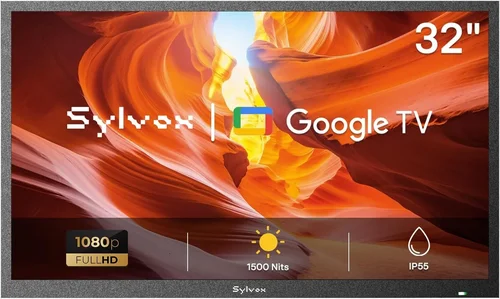
Living in a coastal home offers breathtaking ocean views, salty breezes, and the soothing sound of waves—but it also presents unique challenges when it comes to electronics. Salt air, high humidity, constant moisture, and intense UV exposure can wreak havoc on standard televisions, leading to corrosion, screen degradation, and premature failure. That’s why investing in a weatherproof TV isn’t just a luxury—it’s a necessity for anyone who wants to enjoy outdoor entertainment without constant repairs or replacements.
This comprehensive buying guide is designed specifically for homeowners in coastal environments who are serious about protecting their investment while enjoying high-quality outdoor viewing. Whether you’re setting up a covered patio, an open-air cabana, or a beachfront gazebo, choosing the right weatherproof TV requires more than just picking a model labeled “outdoor.” You need to understand what truly makes a TV resilient in harsh coastal conditions, how to balance performance with durability, and where to find the best value without compromising on quality.
In this guide, we’ll walk you through every critical factor—from IP ratings and corrosion resistance to brightness levels and smart features—so you can make an informed decision. We’ll compare different types of weatherproof TVs, highlight common pitfalls to avoid, provide budget-friendly recommendations, and share expert tips to help you get the most out of your purchase. By the end, you’ll have everything you need to confidently select a TV that stands up to the elements and delivers years of reliable, crystal-clear entertainment under the sun, rain, or sea spray.

What to Look for When Buying Buying Guide
1. IP Rating & Environmental Protection
The Ingress Protection (IP) rating is your first line of defense when evaluating a weatherproof TV. This two-digit code tells you exactly how well the unit resists dust and water. For coastal homes, you’ll want at least an IP55 rating—meaning it’s protected against dust (limited ingress) and low-pressure water jets from any direction. However, for maximum peace of mind in salty, humid environments, aim for IP65 or higher. An IP65-rated TV is fully dust-tight and can withstand powerful water jets, making it ideal for uncovered decks or areas exposed to ocean spray.
But don’t stop at the number. Look for additional certifications like NEMA 4X, which indicates superior resistance to corrosion, ice formation, and prolonged exposure to moisture. Many premium outdoor TVs also feature sealed internal components, anti-corrosion coatings on circuit boards, and stainless steel hardware—all essential for longevity near the coast. Remember: a TV might claim to be “weatherproof,” but without a verified IP rating, it’s just marketing fluff.
2. Display Brightness & Sunlight Readability
One of the biggest challenges with outdoor TVs is visibility in direct sunlight. Standard indoor TVs typically peak around 300–500 nits, which is fine for a dim living room but nearly invisible on a bright patio. For coastal settings—where glare from water and sand amplifies brightness—you need a display that delivers at least 700 nits, with 1000+ nits being ideal. Look for models with high-brightness LED or OLED panels specifically engineered for outdoor use.
Equally important is anti-reflective coating. A matte or nano-textured screen surface reduces glare and improves contrast in daylight. Some top-tier outdoor TVs even include automatic brightness sensors that adjust output based on ambient light, ensuring optimal viewing whether it’s midday sun or twilight. Avoid glossy screens—they may look sleek indoors but become mirrors under the sun.
3. Build Quality & Corrosion Resistance
Coastal air is laden with salt, which accelerates oxidation and eats away at metal components. A weatherproof TV must be built with marine-grade materials. Look for enclosures made from powder-coated aluminum or stainless steel—never regular steel or plastic that can warp or degrade. Internal wiring should use tinned copper (not bare copper), which resists salt-induced corrosion.
Pay attention to ventilation design too. While the TV needs to be sealed against moisture, it also requires proper airflow to prevent overheating. Quality outdoor TVs use passive cooling systems with strategically placed vents that allow heat dissipation without letting in salt or rain. Avoid models with large fan openings or mesh grilles that invite corrosion.
4. Temperature Tolerance & Operating Range
Coastal climates aren’t just about humidity—they also experience wide temperature swings, from chilly mornings to scorching afternoons. Your TV must operate reliably across these extremes. Most reputable outdoor TVs function between -30°F and 120°F (-34°C to 49°C), which covers virtually all U.S. coastal regions. Check the manufacturer’s specs carefully; some budget models claim outdoor use but shut down below freezing or above 100°F.
Thermal management is key. Look for TVs with integrated thermal sensors that throttle performance or activate protective modes during overheating. Better yet, choose models with optional heater kits for colder months—especially if you live in northern coastal areas like Maine or the Pacific Northwest. These kits prevent internal condensation and ensure startup reliability in winter.
5. Smart Features & Connectivity
Just because it’s outdoors doesn’t mean you should sacrifice modern conveniences. Today’s best weatherproof TVs come with full smart platforms like Android TV, webOS, or Roku built-in, allowing access to Netflix, YouTube, and streaming apps without external devices. Ensure the OS is regularly updated—outdated firmware can pose security risks, especially on always-connected outdoor units.
Connectivity matters too. Look for multiple HDMI 2.1 ports (for 4K/120Hz gaming), USB inputs, Wi-Fi 6 support, and Bluetooth 5.0. Some models include weatherproof cable glands or rear access panels to keep connections dry. If you plan to mount the TV far from your router, consider models with optional Wi-Fi extenders or Ethernet-over-coax adapters for stable streaming.
6. Mounting Options & Installation Flexibility
Outdoor TVs aren’t one-size-fits-all. Your mounting solution must account for wind load, salt exposure, and viewing angle. Fixed mounts work for covered patios, but full-motion articulating arms are better for multi-angle viewing on open decks. Ensure the mount itself is rated for outdoor use—powder-coated or galvanized steel is a must.
Many manufacturers offer proprietary mounting systems designed specifically for their TVs, often with integrated cable management and tilt adjustments. Third-party mounts can save money but verify compatibility and load capacity. Never use indoor mounts outdoors—they lack corrosion resistance and may fail under stress. Professional installation is recommended for large screens (>65″) or high-wind zones.
7. Warranty & Manufacturer Support
A robust warranty is non-negotiable for coastal installations. Standard indoor TV warranties often exclude damage from moisture, salt, or UV exposure. Look for outdoor-specific coverage that explicitly includes environmental damage—ideally 3–5 years with in-home service. Brands like SunBriteTV, Seura, and Samsung offer dedicated outdoor warranties that far exceed typical consumer electronics policies.
Customer support is equally vital. Can you get replacement parts shipped quickly? Is there local technician support? Read user forums to see how responsive the company is when issues arise. A 5-year warranty means little if you wait months for a repair. Prioritize brands with established service networks in coastal regions.
8. Size & Viewing Distance Considerations
Outdoor spaces often require larger screens due to greater viewing distances. A 55-inch TV might suffice for a small balcony, but a 75-inch or 85-inch model is better for expansive patios 12+ feet away. Use the 1.5x rule: multiply your seating distance (in inches) by 1.5 to determine ideal screen size. For example, 10 feet (120 inches) × 1.5 = 180 inches diagonal—so a 75–85″ TV fits perfectly.
However, don’t go oversized just for impact. Larger screens consume more power, cost significantly more, and may overwhelm smaller spaces. Balance size with ambient light: a 65″ 1000-nit TV often outperforms an 85″ 500-nit model in bright conditions. Also consider bezel width—slim bezels enhance immersion in open-air settings.
Different Types of Buying Guide

Common Buying Mistakes to Avoid
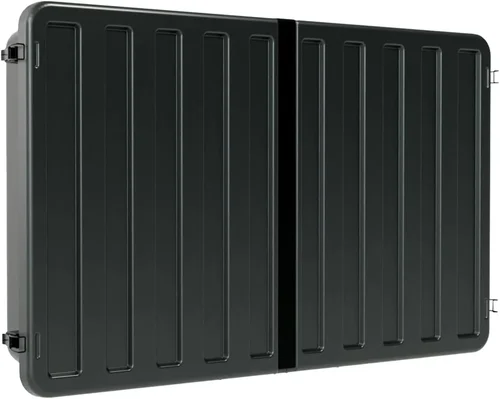
❌ Mistake: Assuming All “Outdoor” TVs Are Equal
Why it’s bad: Many retailers slap “outdoor” labels on standard TVs with minor modifications. These often lack proper sealing, corrosion protection, or brightness—leading to failure within months in coastal zones.
What to do instead: Verify IP ratings, check for marine-grade materials, and read third-party reviews from other coastal users. Stick to brands specializing in outdoor displays.
❌ Mistake: Ignoring Local Climate Conditions
Why it’s bad: A TV rated for desert climates may not handle constant salt spray. Similarly, a model without a heater will fail in winter coastal areas.
What to do instead: Match the TV’s specs to your specific microclimate—consider average humidity, wind speed, and seasonal temperature ranges.
❌ Mistake: Overlooking Power & Connectivity Needs
Why it’s bad: Running extension cords across wet decks creates safety hazards. Poor Wi-Fi signal leads to buffering during outdoor movie nights.
What to do instead: Plan for weatherproof outlets, use outdoor-rated cables, and install a mesh Wi-Fi system with outdoor nodes before mounting the TV.
❌ Mistake: Choosing Based on Size Alone
Why it’s bad: A massive screen with low brightness will look washed out in daylight, ruining the viewing experience.
What to do instead: Prioritize brightness (nits) and anti-glare features over sheer size. Test visibility in your actual installation spot during peak sun hours.
❌ Mistake: Skipping Professional Installation
Why it’s bad: Improper mounting can cause water ingress, structural damage, or even TV detachment in high winds—common in coastal storms.
What to do instead: Hire certified outdoor AV installers familiar with local building codes and wind load requirements. They’ll ensure secure, code-compliant setup.
❌ Mistake: Neglecting Maintenance
Why it’s bad: Salt buildup on vents or screens reduces efficiency and can cause overheating or corrosion over time.
What to do instead: Clean the exterior monthly with fresh water and a soft cloth. Inspect seals and ports quarterly for debris or wear.
❌ Mistake: Buying Without a Dedicated Outdoor Warranty
Why it’s bad: Standard warranties void coverage for environmental damage—leaving you paying full replacement costs after salt corrosion.
What to do instead: Only purchase from brands offering explicit outdoor warranties that cover moisture, salt, and UV damage.
Budget Guidelines: How Much Should You Spend?
- Entry-Level ($800–$1,500): Partial-season models or indoor TVs in basic enclosures. Suitable for screened-in porches or short-term use. Expect limited brightness (500–700 nits) and minimal corrosion protection. Best for renters or seasonal vacation homes.
- Mid-Range ($1,500–$3,000): The sweet spot for most coastal homeowners. These offer IP65 ratings, 800–1000 nits brightness, smart features, and solid build quality. Brands like SunBriteTV Veranda series or Samsung The Terrace fall here. Ideal for covered patios with occasional exposure.
- Premium ($3,000–$6,000): For enthusiasts and full-time outdoor entertainment. Includes all-season operation, 1000+ nits, advanced thermal management, and commercial-grade durability. Models like Seura Shadow or LG Outdoor OLED deliver cinema-quality visuals in any weather.
- Luxury ($6,000+): Top-tier solutions for luxury homes, resorts, or commercial installations. Features include 4K HDR, Dolby Vision, built-in heaters/coolers, and custom finishes. Often include lifetime technical support and on-site service.
Expert Tips for Getting the Best Deal
- Buy in Off-Season: Prices drop significantly in late fall and winter (November–February) as demand shifts indoors. Many retailers clear outdoor inventory before spring.
- Check Manufacturer Refurbished Programs: Brands like SunBriteTV offer certified refurbished units with full warranties at 20–30% off retail. These are rigorously tested and often indistinguishable from new.
- Bundle with Accessories: Some dealers offer discounts when you purchase mounts, cables, or soundbars together. Ask about package deals.
- Use Price Tracking Tools: Set alerts on sites like CamelCamelCamel (for Amazon) or Honey to catch sudden price drops on specific models.
- Negotiate with Local Installers: Many AV specialists get dealer pricing and can pass savings to you—especially if you’re bundling multiple services (e.g., TV + outdoor audio).
- Verify Return Policies: Ensure you can return the TV if it doesn’t perform as expected in your specific environment. Some retailers offer 30–60 day trial periods for outdoor units.
- Join Coastal Homeowner Forums: Communities like Houzz or Reddit’s r/HomeAutomation often share exclusive promo codes or group-buy opportunities.
- Consider Energy Efficiency: High-brightness TVs consume more power. Look for ENERGY STAR-certified outdoor models to reduce long-term electricity costs.
Frequently Asked Questions
Q: Can I use a regular TV outdoors if I cover it with a tarp?
A: Absolutely not. Tarps trap moisture, create condensation, and offer no protection against salt corrosion or UV damage. Only purpose-built weatherproof TVs are designed for outdoor use.
Q: How often should I clean my outdoor TV?
A: Clean the screen and vents monthly with fresh water and a microfiber cloth. Avoid harsh chemicals—they can degrade anti-reflective coatings. In high-salt areas, rinse weekly during peak season.
Q: Will an outdoor TV work in the rain?
A: Yes—if it has an IP65 or higher rating. These units are designed to withstand direct rain, snow, and ocean spray. However, avoid spraying water directly into ventilation ports.
Q: Do I need a special sound system for outdoor TVs?
A: While many outdoor TVs have decent built-in speakers, ambient noise (waves, wind) often drowns them out. Pair with weatherproof outdoor speakers or a soundbar for best results.
Q: Can I leave my outdoor TV on all the time?
A: Commercial-grade models are built for 24/7 operation, but consumer units should be turned off when not in use to extend lifespan and save energy.
Q: What’s the difference between partial-season and all-season outdoor TVs?
A: Partial-season models operate only in moderate temperatures (typically 40°F–100°F) and lack heaters. All-season units include thermal management for extreme cold and heat, enabling year-round use.
Q: Are outdoor TVs worth the extra cost?
A: For coastal homes, yes. The added durability, brightness, and warranty protection prevent frequent replacements and ensure reliable performance in harsh conditions—saving money long-term.
Q: Can I mount an outdoor TV on a wooden deck?
A: Yes, but use stainless steel lag bolts and a reinforced backing plate. Ensure the structure can support the TV’s weight plus wind load. Consult a contractor if unsure.
Q: Do outdoor TVs support 4K and HDR?
A: Most premium models do. Look for HDMI 2.1 ports, Dolby Vision, and HDR10+ support for the best picture quality. Verify specs—some budget outdoor TVs are limited to 1080p.
Q: How long do weatherproof TVs typically last?
A: With proper maintenance, quality outdoor TVs last 7–10 years in coastal environments—compared to 1–3 years for indoor TVs used outdoors.
Our Final Recommendations
- Best for Budget-Conscious Buyers: SunBriteTV Veranda Series (55″) – Excellent IP65 protection, 700 nits brightness, and reliable performance under $2,000. Perfect for covered patios.
- Best Overall Value: Samsung The Terrace (65″) – Combines QLED color, 1000+ nits, smart features, and robust build at a competitive mid-range price. Ideal for most coastal homes.
- Best Premium Option: Seura Shadow (75″) – Ultra-bright 1500 nits, all-season operation, and stunning 4K HDR. Built like a tank for luxury outdoor living.
- Best for Beginners: LG Outdoor OLED (55″) – User-friendly webOS, exceptional contrast, and easy setup. Great for first-time outdoor TV owners.
- Best for Advanced Users: Peerless-AV Xtreme (86″) – Commercial-grade durability, modular design, and customizable configurations. For tech-savvy homeowners who demand perfection.
Conclusion: Making the Right Choice
Choosing a weatherproof TV for your coastal home isn’t just about picking the shiniest screen—it’s about investing in resilience, clarity, and long-term reliability. The salty air, relentless sun, and unpredictable weather demand more than a standard television can offer. By prioritizing IP ratings, brightness, corrosion-resistant materials, and proper installation, you’ll ensure your outdoor entertainment space remains a source of joy, not frustration.
Remember, the cheapest option today could become the most expensive tomorrow if it fails prematurely. Focus on your specific needs: How much sun exposure does your space get? Will you use the TV year-round? What’s your ideal screen size and viewing distance? Answering these questions will guide you toward the perfect balance of performance, protection, and value.
Don’t rush the decision. Read real user reviews from other coastal homeowners, consult with certified installers, and take advantage of trial periods. Your outdoor TV should enhance your lifestyle—not become a maintenance headache. With the insights from this guide, you’re now equipped to make a confident, informed choice that stands the test of time, tide, and tempest.
So go ahead—mount that TV, fire up your favorite show, and enjoy the sunset with confidence. Your coastal paradise deserves nothing less.

