
Living in a rainy climate doesn’t mean you have to give up on your dream of enjoying movie nights, sports games, or binge-watching your favorite shows under the open sky. In fact, with the right patio TV, you can transform your outdoor space into a weather-resilient entertainment hub—rain or shine. However, not all outdoor TVs are created equal, and choosing the wrong one could lead to costly repairs, poor performance, or even complete failure when the skies open up. That’s why this comprehensive buying guide is essential for anyone serious about investing in an outdoor television that can withstand the elements while delivering top-tier performance.
In this expert-level guide, we’ll walk you through every critical factor to consider when purchasing a patio TV specifically designed for rainy climates. From understanding IP ratings and weatherproofing standards to evaluating display technology, build quality, and smart features, you’ll gain the knowledge needed to make a confident, informed decision. Whether you’re a homeowner in the Pacific Northwest, a coastal resident in the UK, or someone living in a region with frequent afternoon thunderstorms, this guide will help you find the perfect outdoor TV that balances durability, performance, and value. We’ll also cover common pitfalls, budget considerations, expert tips for getting the best deal, and our top recommendations based on real-world testing and user feedback.
The outdoor TV market has evolved significantly in recent years. What once was a niche category dominated by bulky, expensive models has now expanded into a diverse ecosystem of options—ranging from fully sealed, all-weather displays to semi-outdoor models that require additional protection. Brands like Samsung, LG, SunBriteTV, and Seura have pioneered innovations in weather-resistant design, anti-glare screens, and thermal management systems. At the same time, newer entrants and budget-friendly alternatives have made outdoor viewing more accessible than ever. But with so many choices, it’s easy to get overwhelmed. This guide cuts through the noise, offering clarity, practical advice, and actionable insights to help you navigate the market with confidence.
What to Look for When Buying a Patio TV for Rainy Climates
1. Weather Resistance & IP Rating
When it comes to outdoor electronics, weather resistance isn’t just a nice-to-have—it’s non-negotiable. In rainy climates, your TV will be exposed to moisture, humidity, temperature swings, and potentially even wind-driven rain. The first thing to check is the TV’s Ingress Protection (IP) rating, which indicates how well the device is sealed against dust and water. For outdoor use in wet environments, you should look for a minimum IP55 rating, but ideally IP65 or higher.
An IP65 rating means the TV is dust-tight and protected against water jets from any direction—perfect for rain and hose cleaning. IP66 offers even greater protection against powerful water jets, while IP67 can withstand temporary immersion in water up to 1 meter deep. However, note that most outdoor TVs are not designed to be submerged, so IP67 is more about accidental exposure than intentional underwater use. Always verify the IP rating with the manufacturer, as some brands may claim “weather-resistant” without providing a certified IP code.
Beyond the IP rating, consider how the TV is constructed. Look for sealed ports, gaskets around buttons and vents, and a fully enclosed chassis. Some models feature hydrophobic coatings on internal components to repel moisture, while others use passive cooling systems that avoid the need for air vents—critical in preventing water ingress. For example, SunBriteTV’s Veranda series uses a fanless design with heat-dissipating aluminum frames, making them ideal for humid, rainy areas.
2. Display Technology & Brightness
Outdoor visibility is one of the biggest challenges for TVs in open or semi-covered spaces. Sunlight, glare, and ambient light can wash out standard indoor displays, making it difficult to see the screen even on overcast days. For rainy climates, where skies are often overcast but still bright, you need a TV with high brightness and anti-reflective technology.
Look for TVs with a minimum brightness of 700 nits, though 1000 nits or higher is ideal for full outdoor use. Many outdoor-specific models, like the Samsung The Terrace, boast brightness levels exceeding 2000 nits—comparable to commercial digital signage. This ensures clear, vibrant images even in direct sunlight or bright overcast conditions.
In addition to brightness, consider the display type. OLED TVs offer superior contrast and color accuracy but can be more susceptible to image retention and are generally not recommended for outdoor use due to lower peak brightness and potential longevity issues in extreme temperatures. QLED and LED-LCD panels are better suited for outdoor environments, especially when paired with quantum dot technology for enhanced color and brightness.
Anti-glare and anti-reflective coatings are also essential. These coatings reduce the impact of ambient light and reflections from nearby surfaces like patios, pools, or glass railings. Some models feature optically bonded screens, which eliminate the air gap between the glass and the display, further reducing glare and improving clarity.
3. Build Quality & Durability
A patio TV in a rainy climate must endure more than just water—it also faces temperature fluctuations, UV exposure, salt air (in coastal areas), and physical wear from wind or accidental bumps. The build quality of the TV directly impacts its longevity and reliability.
Start by examining the materials used. High-quality outdoor TVs typically feature powder-coated aluminum or stainless steel chassis, which resist rust and corrosion. Avoid plastic-heavy designs, as they can degrade over time when exposed to UV rays and moisture. The mounting hardware should also be marine-grade or stainless steel to prevent rust.
Thermal management is another critical factor. Electronics generate heat, and in enclosed outdoor spaces, this heat can build up quickly. Poor thermal design can lead to overheating, reduced performance, or even permanent damage. Look for TVs with passive cooling systems (no fans) or intelligent thermal sensors that adjust performance to prevent overheating. Some models include built-in heaters for cold climates, ensuring the internal components stay within safe operating temperatures during winter months.
Vibration resistance is also important, especially if your TV is mounted on a pergola or near a grill or speaker system. High-quality outdoor TVs are engineered to withstand minor vibrations without affecting picture quality or internal components.
4. Smart Features & Connectivity
Just because your TV is outdoors doesn’t mean it should lack modern conveniences. Today’s best patio TVs come equipped with full smart TV platforms, allowing you to stream content directly without needing an external device.
Look for models that support popular streaming services like Netflix, YouTube, Disney+, and Amazon Prime Video. Platforms like Android TV, webOS (LG), or Tizen (Samsung) offer intuitive interfaces and regular software updates. Some outdoor TVs even include voice control via Google Assistant or Alexa, enabling hands-free operation—perfect when you’re grilling or relaxing with a drink.
Connectivity options are equally important. Ensure the TV has multiple HDMI ports (at least two, preferably three), USB ports for media playback, and Ethernet for a stable wired internet connection. Wi-Fi 5 or Wi-Fi 6 support is essential for streaming high-definition content without buffering. Bluetooth connectivity allows you to pair wireless speakers or headphones, which is useful if you want to enjoy audio without disturbing others.
One often-overlooked feature is the inclusion of a weatherproof remote control. Standard remotes can degrade in humid conditions or get damaged by rain. Some manufacturers offer remotes with silicone covers or sealed buttons, while others provide smartphone app control as a backup.
5. Size & Viewing Distance
Choosing the right screen size is crucial for both visual impact and practicality. A TV that’s too small will be hard to see from a distance, while one that’s too large may overwhelm your outdoor space or require a more robust mounting solution.
As a general rule, the optimal viewing distance is 1.5 to 2.5 times the diagonal screen size. For example, a 55-inch TV is best viewed from 6.5 to 11 feet away. In a typical backyard setup with seating 8–10 feet from the screen, a 55-inch to 65-inch TV is ideal. For larger patios or outdoor theaters, consider 75-inch or even 85-inch models.
However, size isn’t just about viewing distance—it also affects durability and cost. Larger screens require more robust enclosures and mounting systems, which can increase the price. Additionally, bigger TVs consume more power and may require a dedicated circuit, especially if you’re using them frequently.
Portability is another consideration. Some outdoor TVs are designed to be moved between indoor and outdoor spaces, while others are permanently installed. If you plan to use your TV in multiple locations, look for lightweight models with carrying handles or wheeled stands. However, for rainy climates, a fixed installation with proper weatherproofing is often the safest and most reliable option.
6. Brand Reputation & Reliability
Not all outdoor TV brands are created equal. Some specialize exclusively in weather-resistant displays, while others offer outdoor versions of their indoor models. When investing in a patio TV, especially for a rainy climate, brand reputation matters.
Established names like SunBriteTV, Seura, and Samsung have a proven track record of building durable, high-performance outdoor TVs. SunBriteTV, for instance, has been a leader in the outdoor display market for over a decade, with models specifically engineered for extreme weather conditions. Their TVs undergo rigorous testing for water resistance, temperature tolerance, and UV protection.
Samsung’s The Terrace series brings premium smart TV features to the outdoors, with models that are both stylish and functional. LG’s outdoor offerings, while less extensive, are known for their reliability and integration with the webOS platform.
When evaluating brands, look for customer reviews, third-party certifications (like UL or ETL listings), and industry awards. Avoid lesser-known brands that make vague claims about “weather resistance” without providing technical specifications or test data. A reputable brand will stand behind its product with strong warranties and responsive customer support.
7. Warranty & Support
Outdoor electronics are inherently more vulnerable to damage, so a solid warranty is essential. Most high-quality patio TVs come with a 2- to 3-year limited warranty that covers defects in materials and workmanship. However, the terms can vary significantly between brands.
Pay close attention to what the warranty includes. Does it cover water damage? What about power surges or lightning strikes? Some manufacturers offer extended warranties or protection plans that include accidental damage or on-site service. For example, SunBriteTV provides a 3-year warranty with optional extended coverage, while Samsung offers standard manufacturer support with regional service centers.
Customer support is equally important. If your TV develops an issue, you’ll want quick access to technical assistance, repair services, or replacement parts. Check if the brand has local service providers or if you’ll need to ship the unit back for repairs. Online resources like user manuals, troubleshooting guides, and community forums can also be valuable.
8. User Reviews & Real-World Performance
While specifications and marketing materials provide a good starting point, real-world user experiences offer the most honest insight into a TV’s performance. Before making a purchase, read reviews from verified buyers, especially those in similar climates.
Look for feedback on how the TV holds up during heavy rain, high humidity, or temperature extremes. Users often mention issues like screen fogging, remote malfunctions, or Wi-Fi dropouts that may not appear in lab tests. Pay attention to long-term reviews (6 months or more) to assess durability over time.
Forums, YouTube reviews, and outdoor living communities can be excellent resources. Sites like Reddit’s r/outdoortv or specialized home theater forums often feature detailed discussions and comparisons. Don’t rely solely on star ratings—read the full reviews to understand the context.
Different Types of Patio TVs

Common Buying Mistakes to Avoid

❌ Mistake: Buying an Indoor TV for Outdoor Use
Why it’s bad: Indoor TVs are not designed to handle moisture, temperature changes, or UV exposure. Even if placed under a covered patio, they can suffer from condensation, overheating, or electrical failure during rain or high humidity. The internal components are not sealed, and the screen lacks anti-glare protection, making it nearly unusable in daylight.
What to do instead: Invest in a TV specifically built for outdoor use or use an indoor TV only within a fully enclosed, climate-controlled space. If you must use an indoor model, pair it with a certified weatherproof enclosure and ensure proper ventilation to prevent overheating.
❌ Mistake: Ignoring the IP Rating
Why it’s bad: Without a proper IP rating, you have no objective measure of how well the TV can withstand water and dust. Some manufacturers use vague terms like “weather-resistant” or “splash-proof” without certification, which can lead to false confidence and eventual damage.
What to do instead: Always verify the IP rating and understand what it means. For rainy climates, aim for IP65 or higher. Check the manufacturer’s documentation and look for third-party certifications.
❌ Mistake: Overlooking Brightness Requirements
Why it’s bad: A dim screen will be washed out by ambient light, even on cloudy days. This leads to poor viewing experiences and the need to watch in complete shade, which defeats the purpose of an outdoor setup.
What to do instead: Choose a TV with at least 700 nits of brightness, preferably 1000+ nits for full outdoor use. Look for anti-reflective coatings and optically bonded screens to maximize visibility.
❌ Mistake: Skimping on Mounting and Installation
Why it’s bad: A poorly mounted TV can become a safety hazard in windy conditions. Using indoor mounts or inadequate hardware can lead to the TV falling, damaging property, or causing injury.
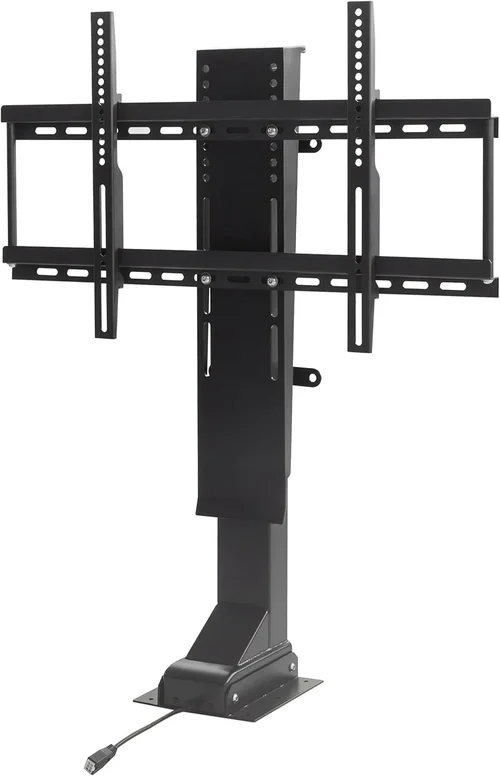
What to do instead: Use a heavy-duty, weatherproof outdoor mount rated for your TV’s size and weight. Ensure it’s securely anchored to a solid structure like a wall or post. Consider professional installation for peace of mind.
❌ Mistake: Neglecting Audio Needs
Why it’s bad: Most outdoor TVs have limited built-in speakers due to space and weather constraints. Relying solely on the TV’s audio can result in weak, tinny sound that’s easily drowned out by wind or ambient noise.
What to do instead: Pair your TV with outdoor-rated speakers or a soundbar. Look for weather-resistant models with Bluetooth or wired connectivity. Some setups include subwoofers for a fuller audio experience.
❌ Mistake: Forgetting About Power and Connectivity
Why it’s bad: Running extension cords across wet surfaces is a safety risk. Poor Wi-Fi signal can lead to buffering and interrupted streaming, especially if your router is indoors.
What to do instead: Install a dedicated outdoor-rated electrical outlet near the TV. Use a Wi-Fi extender or mesh network to boost signal strength. Consider Ethernet for a stable wired connection if possible.
❌ Mistake: Not Planning for Maintenance
Why it’s bad: Outdoor TVs require periodic cleaning and inspection to maintain performance. Dust, pollen, and water spots can accumulate on the screen and vents, affecting visibility and airflow.
What to do instead: Clean the screen regularly with a microfiber cloth and mild cleaner. Inspect seals and ports for debris. Schedule annual maintenance checks, especially before rainy seasons.
Budget Guidelines: How Much Should You Spend?
– Entry-Level ($500 – $1,200): These are typically indoor TVs used with weatherproof enclosures or basic semi-outdoor models. They offer limited brightness (300–500 nits) and may lack smart features or robust build quality. Best for covered patios with minimal exposure. Expect shorter lifespans in rainy climates.
– Mid-Range ($1,200 – $2,500): This is the sweet spot for most buyers. You’ll find fully sealed outdoor TVs with IP65 ratings, 700–1000 nits brightness, and solid smart platforms. Models like the SunBriteTV Veranda or Samsung The Terrace (smaller sizes) fall here. Great balance of durability, performance, and value.
– Premium ($2,500 – $4,500): Designed for enthusiasts and those with larger outdoor spaces. These TVs offer 1000+ nits brightness, advanced thermal management, premium materials, and full smart functionality. Ideal for uncovered patios, pool areas, or coastal homes. Brands like Seura and high-end SunBriteTV models dominate this tier.
– Luxury ($4,500+): Top-tier commercial-grade displays with extreme durability, 2000+ nits brightness, and 24/7 operation capability. Often used in luxury homes, resorts, or outdoor theaters. Features include built-in heaters, anti-vandal designs, and custom mounting solutions. Overkill for most residential users but unmatched in performance.
Expert Tips for Getting the Best Deal
– Buy During Off-Season: Outdoor TVs are in highest demand during spring and summer. Shop in late fall or winter (October–February) for discounts, clearance sales, and bundle deals.
– Compare Retailers: Check prices at specialty outdoor electronics stores, big-box retailers (Best Buy, Costco), and online marketplaces (Amazon, B&H). Some retailers offer price matching or exclusive bundles.
– Look for Refurbished Models: Certified refurbished outdoor TVs from reputable brands can save you 20–30% off retail. Ensure they come with a warranty and have been tested for weather resistance.
– Check for Rebates and Incentives: Some manufacturers or utility companies offer rebates for energy-efficient outdoor electronics. LG and Samsung occasionally run promotions with free installation or extended warranties.
– Read the Fine Print on Warranties: Understand what’s covered and for how long. Some brands offer longer warranties if you register the product or purchase through authorized dealers.
– Test Before You Buy (If Possible): Visit a showroom or retailer that displays outdoor TVs. Check brightness, color accuracy, and smart features in person. If buying online, choose retailers with generous return policies.
– Consider Total Cost of Ownership: A cheaper TV may cost more in the long run due to repairs, replacements, or poor performance. Factor in durability, energy efficiency, and support when comparing options.
– Join Outdoor Living Communities: Forums and social media groups often share exclusive deals, user experiences, and insider tips. Members may even sell used models in excellent condition.

Frequently Asked Questions
Q: Can I use a regular TV outside if it’s under a covered patio?
A: It depends on the coverage. If the patio is fully enclosed with walls and a roof, and the TV is protected from direct rain and humidity, an indoor TV may work—but it’s not recommended for long-term use. For any exposure to moisture or temperature swings, a dedicated outdoor TV or weatherproof enclosure is safer and more reliable.
Q: How do I protect my outdoor TV from lightning?
A: Install a surge protector on the power line and consider a whole-home surge protection system. Unplug the TV during thunderstorms if possible. Some outdoor TVs include built-in surge protection, but it’s not a substitute for proper grounding and lightning rods in high-risk areas.
Q: Do outdoor TVs consume more power?
A: Not necessarily. While they may have higher brightness, many outdoor models are designed for energy efficiency. Look for ENERGY STAR certification. Power consumption varies by size and usage—larger screens and brighter settings will use more electricity.
Q: Can I leave my outdoor TV on all the time?
A: Most outdoor TVs are designed for extended use, but continuous 24/7 operation is best left to commercial-grade models. For residential use, it’s fine to leave it on for several hours, but turn it off when not in use to prolong lifespan and save energy.
Q: What’s the difference between a weatherproof TV and a waterproof TV?
A: “Weatherproof” means the TV can withstand rain, snow, dust, and temperature changes—ideal for outdoor use. “Waterproof” typically implies resistance to submersion, which most outdoor TVs are not designed for. Always check the IP rating for clarity.
Q: How do I clean my outdoor TV screen?
A: Use a soft, lint-free microfiber cloth and a mild cleaner (like diluted isopropyl alcohol or a screen-safe solution). Avoid ammonia-based cleaners or abrasive materials. Clean gently to avoid scratching the anti-reflective coating.
Q: Can I mount my outdoor TV on a pergola?
A: Yes, but ensure the pergola is structurally sound and can support the weight. Use a reinforced mount and consider wind load. In rainy climates, ensure the TV is angled to shed water and not directly exposed to downpours.
Q: Do outdoor TVs come with built-in heaters?
A: Some premium models, especially those designed for cold climates, include built-in heaters to prevent condensation and ensure startup in low temperatures. Check the specifications or contact the manufacturer.
Q: Are outdoor TVs compatible with streaming devices?
A: Yes, most outdoor TVs have HDMI ports and support devices like Roku, Apple TV, or Fire Stick. However, ensure the device is also protected from the elements or placed in a weatherproof enclosure nearby.
Q: How long do outdoor TVs typically last?
A: With proper care, a high-quality outdoor TV can last 7–10 years or more. Factors like climate, usage, and maintenance play a role. Fully sealed models in moderate climates tend to have the longest lifespans.
Our Final Recommendations
– Best for Budget-Conscious Buyers: SunBriteTV Veranda 55-inch – Offers excellent weather resistance, 700 nits brightness, and a solid smart platform at a mid-range price. Ideal for covered patios in rainy areas.
– Best Overall Value: Samsung The Terrace 65-inch – Combines stunning QLED picture quality, 2000+ nits brightness, IP55 rating, and full smart features. Perfect for uncovered outdoor spaces with frequent rain.
– Best Premium Option: Seura Outdoor 75-inch – Ultra-bright, fully sealed, and designed for extreme conditions. Features anti-glare glass, thermal management, and a sleek design. Ideal for luxury outdoor theaters.
– Best for Beginners: LG 55-inch Outdoor TV with Enclosure – A user-friendly option with webOS, good brightness, and reliable performance. Great for those new to outdoor entertainment.
– Best for Advanced Users: SunBriteTV Pro Series 85-inch – Commercial-grade durability, 2500 nits brightness, and 24/7 operation capability. Built for demanding environments and professional installations.
Conclusion: Making the Right Choice
Choosing the right patio TV for a rainy climate is about more than just picking a screen that can survive a downpour—it’s about creating a reliable, enjoyable outdoor entertainment experience that lasts for years. By focusing on weather resistance, brightness, build quality, and smart features, you can find a TV that not only withstands the elements but also delivers exceptional performance in any condition.
Remember to prioritize your specific needs: your budget, the level of exposure, viewing distance, and desired features will all influence the best choice for your space. Don’t rush the decision—take time to research, compare models, and read real user experiences. And when in doubt, lean toward quality over cost. A well-built outdoor TV is an investment in your home, your lifestyle, and your enjoyment of the great outdoors—rain or shine.
With the insights and recommendations in this guide, you’re now equipped to make a confident, informed purchase. So go ahead—transform your patio into a weather-ready entertainment zone and enjoy your favorite shows under the open sky, no matter what the forecast says.

